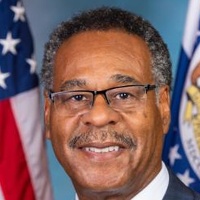
Legislative Activity
Track Emanuel's sponsored bills, co-sponsored legislation, and voting record
This bill repeals four executive orders related to energy and environmental policies issued on January 20, 2025, and prohibits the use of federal funds to implement them, while affirming that the bill does not reduce any existing presidential powers.

Kathy Castor
Representative
FL
Kathy Castor
Representative
FL
This bill repeals four executive orders related to energy and environmental policies issued on January 20, 2025. It stops the use of federal funds to implement these orders, but does not reduce any existing presidential powers.
The Original Black History Month Resolution of 2025 recognizes February as Black History Month, honoring the theme "African Americans and Labor" and the essential contributions of Black workers throughout U.S. history.
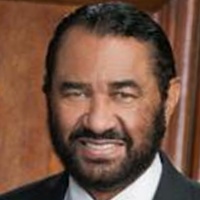
Al Green
Representative
TX
Al Green
Representative
TX
The "Original Black History Month Resolution of 2025" officially recognizes February 2025 as Black History Month with the theme "African Americans and Labor." The resolution honors the essential contributions of Black workers to the U.S. economy from enslavement to the present day while highlighting the ongoing struggle for labor equality. It encourages all Americans to celebrate these achievements and acknowledge the historical and systemic challenges still faced by Black workers today.
The "Safe Schools Improvement Act" amends the Elementary and Secondary Education Act of 1965, requiring states to establish policies that prevent and prohibit bullying and harassment in schools based on protected characteristics, ensuring a safe and inclusive learning environment for all students.

Linda Sánchez
Representative
CA
Linda Sánchez
Representative
CA
The Safe Schools Improvement Act aims to reduce bullying and harassment in schools by requiring states to establish policies prohibiting such conduct based on various characteristics, including race, sex, religion, and disability. It mandates annual notifications, data collection on incidents, biennial evaluations of programs, and regular reports to Congress to ensure accountability and effectiveness. This act does not infringe on existing nondiscrimination laws or freedom of speech but seeks to create a safer, more inclusive learning environment for all students.
The "Roberto Clemente Commemorative Coin Act" directs the Treasury to mint coins in 2027 honoring Roberto Clemente, with surcharges benefiting the Roberto Clemente Foundation.
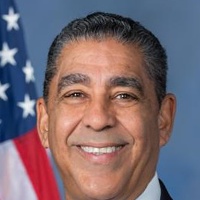
Adriano Espaillat
Representative
NY
Adriano Espaillat
Representative
NY
The Roberto Clemente Commemorative Coin Act directs the Department of Treasury to mint and issue gold, silver, and half-dollar coins in 2027 to commemorate the life and legacy of Roberto Clemente. The coins' designs will represent Clemente's life, including his baseball achievements and humanitarian work. Surcharges from the coin sales will benefit the Roberto Clemente Foundation, supporting their educational programs, youth sports initiatives, disaster relief efforts, and historic preservation projects. The Act ensures that the coin program will not incur any net cost to the United States government.
This resolution designates August as Slavery Remembrance Month to honor the lives of enslaved people, condemn the history and legacy of slavery, and recognize the freedom fighters who fought for its abolition.
Al Green
Representative
TX
Al Green
Representative
TX
The "Original Slavery Remembrance Month Resolution" designates August as a time to commemorate the lives of enslaved people and honor the freedom fighters who resisted the institution of slavery. This resolution condemns the history of chattel slavery and its ongoing systemic effects in the United States. It encourages national observance and reflection to ensure the history and legacy of slavery are never forgotten.
This act reinstates criminal penalties for individuals who charge unauthorized fees to veterans for assisting with claims for VA benefits.
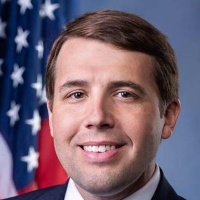
Chris Pappas
Representative
NH
Chris Pappas
Representative
NH
The GUARD VA Benefits Act establishes criminal penalties for individuals who charge veterans unauthorized fees for assisting with claims for benefits administered by the Department of Veterans Affairs. This legislation amends existing law to prohibit soliciting, contracting for, or receiving compensation for preparing or prosecuting VA benefit claims, except where explicitly authorized by other statutes.
The "Rebuild America’s Health Care Schools Act of 2025" expands Medicare coverage to include all direct and indirect costs hospitals incur for nursing and allied health education programs, ensuring better funding and preventing recoupment of previously covered costs.
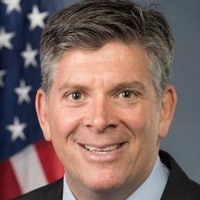
Darin LaHood
Representative
IL
Darin LaHood
Representative
IL
The "Rebuild America’s Health Care Schools Act of 2025" updates how Medicare reimburses hospitals for the costs of running nursing and allied health education programs. It broadens the definition of "reasonable costs" to include both direct and indirect expenses, regardless of whether they are incurred directly by the hospital or through related entities. The Act also requires the Secretary of Health and Human Services to issue rules implementing these changes and to refund hospitals for past cost reductions that would now be allowable. This aims to provide greater financial support for these crucial healthcare education programs.
This bill regulates large capacity ammunition feeding devices, making it illegal to import, sell, manufacture, transfer, or possess them, with certain exceptions for law enforcement and other entities, and allows for Byrne grants to be used for buy-back programs.

Diana DeGette
Representative
CO
Diana DeGette
Representative
CO
The "Keep Americans Safe Act" aims to regulate large capacity ammunition feeding devices by making it illegal to import, sell, manufacture, transfer, or possess magazines holding more than 15 rounds, with exceptions for law enforcement, government entities, and devices lawfully possessed before the law's enactment. It also permits the use of Byrne grants for buy-back programs of these devices and mandates that newly manufactured devices be marked with identifying information. Violators of this Act will face penalties under existing provisions of Title 18 of the U.S. Code.
The SAFE Act of 2025 amends existing law to include equines (horses) in the prohibition of slaughtering animals for human consumption.
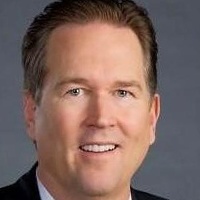
Vern Buchanan
Representative
FL
Vern Buchanan
Representative
FL
The SAFE Act of 2025 amends existing legislation to explicitly prohibit the slaughter of horses for human consumption, reinforcing protections for these animals. This bill seeks to prevent the inhumane treatment of American equines by closing loopholes that allow their slaughter and export for human consumption.
The Truck Parking Safety Improvement Act establishes a grant program to expand commercial truck parking and improve safety on Federal-aid highways.
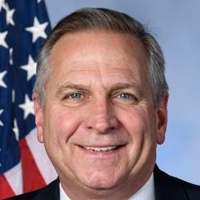
Mike Bost
Representative
IL
Mike Bost
Representative
IL
The Truck Parking Safety Improvement Act establishes a grant program to expand commercial truck parking and improve safety. The program provides funds to states, local governments, and tribal entities for projects that increase parking availability, improve existing facilities, and use technology to manage parking. The Act also requires a biennial report to Congress on the availability of truck parking and the effectiveness of funded projects. It authorizes $151 million per fiscal year from 2025 through 2029 for these initiatives.
The PAST Act of 2025 significantly strengthens the Horse Protection Act by increasing penalties, banning specific action devices, and mandating licensed inspectors to combat the practice of horse soring.
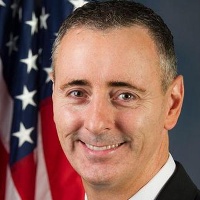
Brian Fitzpatrick
Representative
PA
Brian Fitzpatrick
Representative
PA
The PAST Act of 2025 significantly strengthens the Horse Protection Act to combat the painful practice of soring in specific horse breeds. This bill increases penalties for violations, establishes stricter licensing and oversight for inspectors, and explicitly bans the use of "action devices" designed to cause unnatural gaits. The legislation aims to enhance enforcement, ensure fairer competition, and hold violators accountable through increased fines and disqualifications.
The Humane Cosmetics Act of 2025 bans cosmetic animal testing in the U.S., restricts the use of animal testing data, and sets penalties for violations, while also preventing states from enacting conflicting regulations.
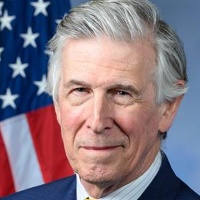
Donald Beyer
Representative
VA
Donald Beyer
Representative
VA
The Humane Cosmetics Act of 2025 bans cosmetic animal testing in the U.S. and restricts the use of animal testing data for cosmetic safety, with certain exceptions. It authorizes the Secretary of Health and Human Services to impose civil penalties for non-compliance and preempts states from enacting conflicting regulations. The Act defines key terms related to cosmetic animal testing and cosmetics.
This bill officially renames the Robert E. Lee Memorial as the Arlington House National Historic Site.
Donald Beyer
Representative
VA
Donald Beyer
Representative
VA
This bill officially redesignates the site currently known as the Robert E. Lee Memorial as the "Arlington House National Historic Site." It mandates that all official U.S. records, maps, and documents be updated to reflect this new name and repeals the previous joint resolutions that established the former designation.
This Act directs the Architect of the Capitol to create, bury, and seal a time capsule on the U.S. Capitol grounds to commemorate the nation's 250th anniversary, to be opened in 2276.
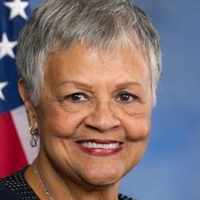
Bonnie Watson Coleman
Representative
NJ
Bonnie Watson Coleman
Representative
NJ
The Semiquincentennial Congressional Time Capsule Act directs the Architect of the Capitol to create and bury a time capsule on the U.S. Capitol grounds to commemorate the nation’s 250th anniversary. Curated by congressional leadership, the capsule will contain historical items and legislative milestones to be preserved for future generations. It is scheduled to be sealed on July 4, 2026, and reopened by Congress on July 4, 2276.
This bill directs the Joint Committee on the Library to procure and install a statue of Benjamin Franklin in the United States Capitol by the end of 2026.
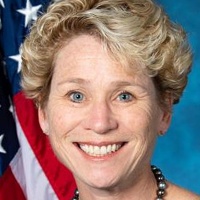
Chrissy Houlahan
Representative
PA
Chrissy Houlahan
Representative
PA
This bill directs the Joint Committee on the Library to procure a statue of Benjamin Franklin for permanent display within the United States Capitol. The statue is required to be acquired by the end of 2025 and installed in a publicly accessible location by December 31, 2026.
The HEIR Act of 2025 eases property ownership documentation for disaster relief applicants with heir properties through standardized affidavits and alternative verification methods.

Lizzie Fletcher
Representative
TX
Lizzie Fletcher
Representative
TX
The HEIR Act of 2025 amends regulations for Community Development Block Grant Disaster Recovery (CDBG-DR) and Mitigation (CDBG-MIT) programs to assist homeowners with heir properties or non-traditional documentation in proving property ownership after Presidentially declared disasters. It allows for the use of standardized affidavits and other forms of documentation to establish ownership. The Department of Housing and Urban Development is required to develop a standardized affidavit of ownership form for grantees to use.
This resolution condemns the Iranian regime’s terrorism and human rights abuses while affirming support for the Iranian people’s right to establish a democratic, secular, and non-nuclear republic.
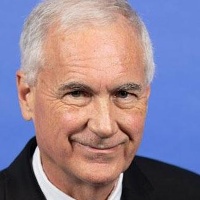
Tom McClintock
Representative
CA
Tom McClintock
Representative
CA
This resolution condemns the Iranian regime for its ongoing human rights abuses, state-sponsored terrorism, and regional instability. It expresses strong support for the Iranian people's struggle for a democratic, secular, and non-nuclear republic. Furthermore, the bill advocates for international accountability for the regime's crimes and calls for the protection of Iranian political refugees.
The American Dream and Promise Act of 2025 provides a pathway to permanent residency for eligible individuals who came to the U.S. as children, or who have Temporary Protected Status (TPS) or Deferred Enforced Departure (DED) status.
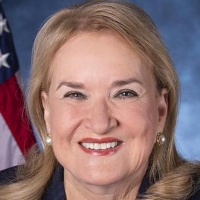
Sylvia Garcia
Representative
TX
Sylvia Garcia
Representative
TX
The American Dream and Promise Act of 2025 provides a pathway to permanent residency for eligible individuals who entered the United States as children and those with Temporary Protected Status (TPS) or Deferred Enforced Departure (DED). Title I, the Dream Act of 2025, establishes conditional permanent residency for eligible individuals who entered the U.S. as children. Title II, the American Promise Act of 2025, allows the Secretary of Homeland Security or the Attorney General to grant permanent resident status to eligible individuals from TPS or DED countries. Title III outlines general provisions, such as background checks, application processes, and fee exemptions, applicable to all seeking to adjust their status under this Act.
The CROWN Act of 2025 prohibits discrimination based on hair texture and hairstyle in federally funded programs, housing, public accommodations, and employment.
Bonnie Watson Coleman
Representative
NJ
Bonnie Watson Coleman
Representative
NJ
The CROWN Act of 2025 prohibits discrimination based on hair texture and hairstyle if that style is commonly associated with a particular race or national origin. This protection extends to federally funded programs, housing, public accommodations, and employment. The act aims to ensure equal opportunity and prevent discrimination based on hair, addressing historical biases and stereotypes. It clarifies that existing civil rights laws should be interpreted to include protection against hair-based discrimination.
Ethan's Law establishes federal penalties for improperly storing firearms where minors or prohibited persons can access them and creates grant programs to incentivize states to adopt matching safe storage laws.

Rosa DeLauro
Representative
CT
Rosa DeLauro
Representative
CT
Ethan's Law establishes federal requirements for the secure storage of firearms to prevent unauthorized access by minors and prohibited persons, making improper storage a civil violation with escalating penalties if injury or death results. The bill also creates a federal grant program to incentivize states and Tribes to adopt matching safe storage laws. Furthermore, Congress declares that failing to comply with these storage requirements constitutes negligence and may be considered the direct cause of resulting firearm injuries.