Legislative Activity
Track Jim's sponsored bills, co-sponsored legislation, and voting record
This bill recognizes and affirms the importance of everyday acts of kindness in strengthening American communities and fostering national unity.
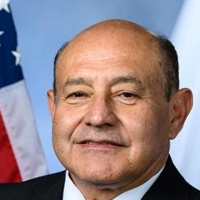
J. Correa
Representative
CA
J. Correa
Representative
CA
This resolution recognizes the importance of everyday acts of kindness in strengthening communities and building national resiliency. It affirms the commitment to fostering a culture of kindness across the United States, highlighting its power to connect people and improve well-being. The bill encourages recognizing and spreading kindness as an essential bond for the nation.
The Ukraine Support Act strengthens U.S. diplomatic, military, and economic support for Ukraine while imposing comprehensive sanctions on Russia to counter its ongoing aggression and war crimes.
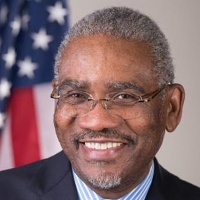
Gregory Meeks
Representative
NY
Gregory Meeks
Representative
NY
The Ukraine Support Act strengthens U.S. diplomatic, military, and economic support for Ukraine while intensifying pressure on Russia through comprehensive sanctions and export controls. The bill establishes long-term reconstruction and security programs, bolsters independent media, and mandates strategies to reduce European reliance on Russian energy. Additionally, it reinforces NATO’s collective defense and imposes strict oversight on the use of U.S. aid to ensure accountability and strategic impact.
This act prohibits the construction of triumphal arches in Lady Bird Johnson Park and restricts arches over 50 feet tall on other National Park Service land in the capital region to protect the viewshed of Arlington National Cemetery.
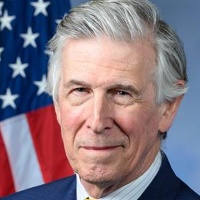
Donald Beyer
Representative
VA
Donald Beyer
Representative
VA
This act, the Arlington National Cemetery Viewshed Protection Act, prohibits the construction of any new triumphal arches in Lady Bird Johnson Park. It also restricts the building of any triumphal arch over 50 feet tall on other National Park Service land within the capital region unless explicitly authorized by Congress. The legislation aims to protect the visual landscape surrounding Arlington National Cemetery.
This resolution expresses support for designating May 2026 as Mental Health Awareness Month to address the worsening mental health crisis and promote access to care.
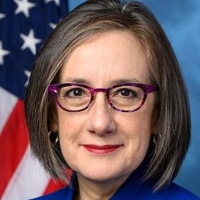
Andrea Salinas
Representative
OR
Andrea Salinas
Representative
OR
This resolution expresses support for designating May 2026 as Mental Health Awareness Month. It highlights the urgent and worsening national mental health crisis, citing alarming statistics across various demographics, including youth and high-risk groups. The bill aims to remove stigma, declare mental health a national priority, and support expanded funding and access to necessary services.
This bill authorizes the minting and sale of commemorative gold and silver coins to honor the 25th anniversary of the September 11, 2001, terrorist attacks, with surcharges supporting the National September 11 Memorial and Museum.

Dan Goldman
Representative
NY
Dan Goldman
Representative
NY
This bill authorizes the Secretary of the Treasury to mint and issue commemorative gold and silver coins marking the 25th anniversary of the September 11, 2001, terrorist attacks. The coins will honor the victims, first responders, and survivors, with designs selected in consultation with the National September 11 Memorial and Museum. All surcharges from the sale of these coins will be paid directly to the Memorial and Museum to support its operations and maintenance.
This bill directs the President to remove U.S. Armed Forces from hostilities against Iran within 30 days, pursuant to the War Powers Resolution.
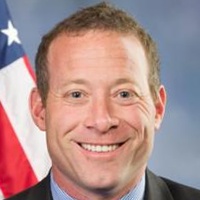
Josh Gottheimer
Representative
NJ
Josh Gottheimer
Representative
NJ
This bill directs the President to remove all U.S. Armed Forces from hostilities against Iran within 30 days, utilizing the authority granted by the War Powers Resolution. Congress asserts this action is necessary as it has not formally declared war or authorized military force against Iran. The resolution explicitly preserves the ability of the U.S. to defend itself, its allies, and its facilities from imminent attack, and does not interfere with intelligence-gathering activities.
This act streamlines the transfer of U.S. defense articles and services between Estonia, Latvia, and Lithuania and establishes a shared ammunition system to enhance regional military readiness and deterrence against Russian aggression.
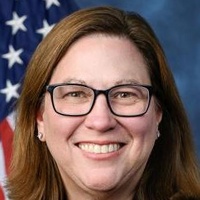
Julie Johnson
Representative
TX
Julie Johnson
Representative
TX
The FORTIFY Act streamlines defense cooperation among Estonia, Latvia, and Lithuania by removing the requirement for Presidential consent for the transfer of U.S.-provided defense articles and services between these Baltic states. This legislation aims to enhance regional security and deter aggression by allowing the Baltic nations to more flexibly share military assets. It also mandates the creation of a shared ammunition system among the three allies.
This resolution expresses support for designating the last full week of May as Wildfire Preparedness Week to promote public education on fire safety and community preparedness.
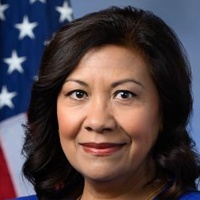
Norma Torres
Representative
CA
Norma Torres
Representative
CA
This resolution expresses support for designating the last full week of May as "Wildfire Preparedness Week." The initiative aims to raise public awareness about the growing threat of wildfires and promote essential educational programs on fire safety and community preparedness. It encourages preventative measures, such as evacuation planning and responsible land management, to reduce human-caused fires.
This resolution designates specific dates to honor law enforcement officers killed in the line of duty and expresses support for all officers.
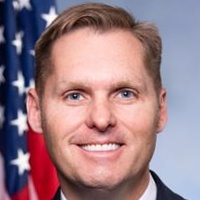
Michael Guest
Representative
MS
Michael Guest
Representative
MS
This resolution officially designates May 15, 2026, as Peace Officers Memorial Day and the week of May 10-16, 2026, as National Police Week. It honors the service and sacrifice of law enforcement officers killed in the line of duty, specifically recognizing 363 officers lost in 2025. The bill expresses unwavering support for law enforcement and acknowledges the need for proper resources to ensure officer safety.
This bill affirms the strong U.S.-South Korea alliance, emphasizing its importance for security, economic growth, and shared values, while also recognizing the contributions of Korean Americans. It supports stronger ties and celebrates Korean culture.
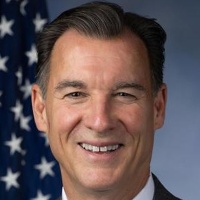
Thomas Suozzi
Representative
NY
Thomas Suozzi
Representative
NY
This bill reaffirms the strong alliance between the United States and the Republic of Korea, emphasizing its importance for security, economic growth, and shared values. It recognizes the deep economic ties, the contributions of Korean Americans, and continued commitment to the Mutual Defense Treaty. The bill also supports strengthening security, economic, and cultural bonds between the two nations, and celebrates Korean Culture-Kimchi Day.
This bill establishes the Combating Organized Retail Crime Act of 2025 to enhance federal prosecution tools against organized retail and supply chain crime and create a DHS-led coordination center to align law enforcement efforts.
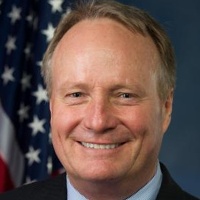
David Joyce
Representative
OH
David Joyce
Representative
OH
The Combating Organized Retail Crime Act of 2025 aims to combat sophisticated, cross-jurisdictional organized retail and supply chain theft. It achieves this by strengthening federal laws regarding money laundering and stolen property offenses, including lowering monetary thresholds for prosecution. Furthermore, the bill establishes a dedicated Center within the Department of Homeland Security to coordinate federal, state, and local enforcement efforts against these criminal organizations.
This act formally defines nursing as a professional degree, alongside other established professions, within federal education law.
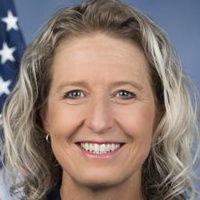
Jennifer Kiggans
Representative
VA
Jennifer Kiggans
Representative
VA
The Nursing is a Professional Degree Act officially designates nursing as a professional degree under federal law. This bill amends the Higher Education Act to provide a clear statutory definition for "professional degree," explicitly including nursing alongside other established professions like medicine and law. This change ensures consistency in recognizing the advanced academic requirements necessary to practice nursing.
This bill officially designates the United States Postal Service facility at 3817 Marysville Boulevard in Sacramento, California, as the "Grantland Johnson Post Office."
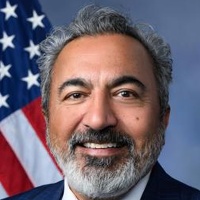
Ami Bera
Representative
CA
Ami Bera
Representative
CA
This bill officially designates the United States Postal Service facility located at 3817 Marysville Boulevard in Sacramento, California, as the "Grantland Johnson Post Office." This action ensures the building is officially recognized by its new name in all records and documentation.
This bill establishes an FAA education program to inform the general aviation community about authorized unleaded aviation gasoline and track its progress.
Donald Beyer
Representative
VA
Donald Beyer
Representative
VA
The **UNLEADED Act** mandates the FAA to establish a comprehensive education program informing the general aviation community about newly authorized unleaded aviation gasoline. This program requires the FAA to publish detailed compatibility, availability, and safety information on a public, continuously updated tracking mechanism. The goal is to ensure pilots, mechanics, and operators are fully educated on the transition to unleaded fuels through training and accessible resources until the program concludes in 2036.
This resolution expresses support for designating April as Sikh History Month to recognize Sikh history, culture, and contributions while promoting public education and awareness.
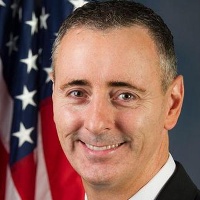
Brian Fitzpatrick
Representative
PA
Brian Fitzpatrick
Representative
PA
This resolution expresses support for designating April as Sikh History Month. The designation aims to recognize the rich history, culture, and significant contributions of Sikh Americans. It encourages public education to promote awareness, combat stereotypes, and foster respect for religious diversity.
This Act clarifies that clergy are considered employees for Social Security and Medicare tax purposes, mandates employer withholding, and allows previously exempt clergy to revoke their opt-out status.
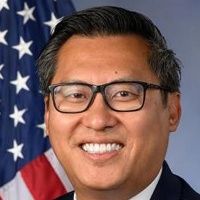
Vince Fong
Representative
CA
Vince Fong
Representative
CA
This bill amends federal law to reclassify clergy and religious workers as employees for Social Security and Medicare tax purposes, requiring churches to withhold these taxes. It also repeals the existing religious exemption that allows clergy to opt out of Social Security coverage. Furthermore, the Act establishes a process for currently exempt clergy to revoke their exemption and mandates the IRS to report on informing these workers of their new options.
The SEED Act extends key biodiesel and renewable diesel tax incentives through 2029 while preventing taxpayers from claiming overlapping benefits for the same fuel.
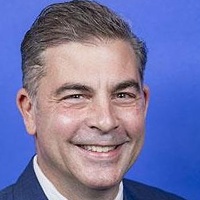
Mike Carey
Representative
OH
Mike Carey
Representative
OH
The Supporting Energy and Economic Development (SEED) Act primarily extends key tax incentives for biodiesel and renewable diesel through 2029. It also introduces new provisions to prevent taxpayers from claiming multiple overlapping benefits for the same fuel, ensuring credits are not double-counted.
This Act mandates a comprehensive report to Congress detailing emerging military, cyber, and political threats to the Baltic states and recommending strategies to enhance their security and U.S. partnership.
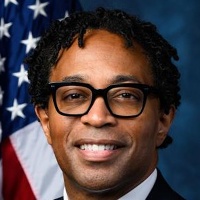
Wesley Bell
Representative
MO
Wesley Bell
Representative
MO
The Baltic Security Assessment Act of 2025 affirms the critical importance of Estonia, Latvia, and Lithuania to U.S. national security amidst Russian aggression. This bill mandates that the Secretary of State and Secretary of Defense deliver a comprehensive report to Congress detailing emerging military, cyber, and political threats to the Baltic states. The report must also recommend specific actions to enhance U.S. and NATO defense cooperation and bolster Baltic resilience.
This bill amends the Food and Nutrition Act of 2008 to explicitly include hot rotisserie chicken as an eligible food item under the Supplemental Nutrition Assistance Program (SNAP).
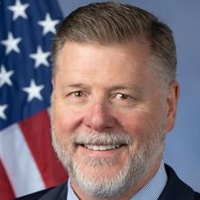
Eric Crawford
Representative
AR
Eric Crawford
Representative
AR
This bill seeks to amend the Food and Nutrition Act of 2008 to update the definition of eligible food items for the Supplemental Nutrition Assistance Program (SNAP). Specifically, it would explicitly add hot rotisserie chicken to the list of items that can be purchased with SNAP benefits. The legislation also includes minor technical formatting updates to the existing law.
This bill recognizes the vital contributions of linemen and designates April 18, 2026, as National Lineman Appreciation Day.
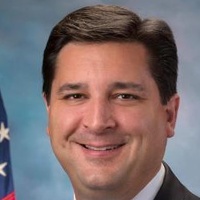
David Rouzer
Representative
NC
David Rouzer
Representative
NC
This bill officially designates April 18, 2026, as "National Lineman Appreciation Day." It recognizes the vital contributions of linemen in maintaining critical energy infrastructure and serving as essential first responders during emergencies. The resolution expresses strong support for these brave men and women who work under dangerous conditions to keep communities safe and powered.