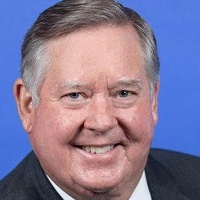
Legislative Activity
Track Ken's sponsored bills, co-sponsored legislation, and voting record
The Proven Forest Management Act of 2025 streamlines forest management on National Forest System lands by prioritizing environmental benefits while allowing cost exceptions and fast-tracking fuel reduction projects up to 10,000 acres.
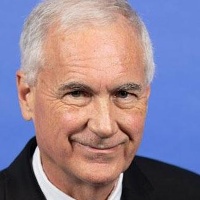
Tom McClintock
Representative
CA
Tom McClintock
Representative
CA
The Proven Forest Management Act of 2025 updates how the National Forest System is managed, prioritizing environmental benefits like fire fuel reduction and biodiversity improvement. While managers must generally coordinate with affected groups, they can waive certain environmental goals if the cost is deemed too high. The Act also establishes an expedited approval process for smaller projects focused on reducing forest fuels.
This Act preempts state and local governments from imposing handgun design or feature requirements on firearms in interstate commerce that are not already mandated by federal law.
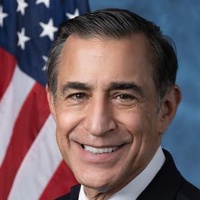
Darrell Issa
Representative
CA
Darrell Issa
Representative
CA
The Modern Firearm Safety Act preempts state and local governments from imposing handgun design or feature requirements beyond existing federal law. This bill prevents jurisdictions from mandating specific features, such as loaded chamber indicators or magazine insertion sensors, on handguns sold or shipped across state lines. The goal is to standardize federal requirements and limit local restrictions on firearm manufacturing and commerce.
The Veterans’ ACCESS Act of 2025 improves veteran health care by establishing clear eligibility standards for community care, mandating timely mental health treatment, and streamlining administrative processes to ensure faster, more transparent access to services.
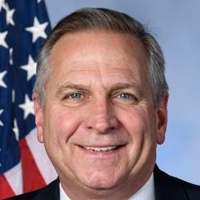
Mike Bost
Representative
IL
Mike Bost
Representative
IL
The Veterans’ ACCESS Act of 2025 strengthens the Veterans Community Care Program by establishing clear, enforceable standards for care eligibility and wait times while streamlining the referral process. The legislation also overhauls access to residential mental health and substance abuse treatment, ensuring veterans receive timely, localized care with robust oversight. Additionally, it mandates the development of digital tools and pilot programs to reduce bureaucratic hurdles and improve transparency across the VA healthcare system.
This bill mandates that the Forest Service aggressively suppress wildfires on high-risk national forest lands within 24 hours and restricts the use of fire as a management tool.
Tom McClintock
Representative
CA
Tom McClintock
Representative
CA
This bill mandates that the Forest Service aggressively suppress wildfires on high-risk National Forest lands, requiring extinguishment within 24 hours of detection. It restricts the use of prescribed fires and backfires while ensuring federal agencies do not interfere with state and local firefighting efforts. These requirements apply specifically to areas facing severe drought, extreme fire danger, or high wildfire exposure.
This bill mandates the U.S. Postal Service to establish new, unique ZIP Codes for eight specific communities across the country.
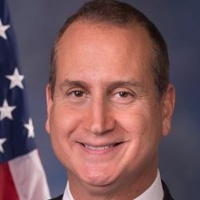
Mario Diaz-Balart
Representative
FL
Mario Diaz-Balart
Representative
FL
This bill mandates the U.S. Postal Service to establish and assign a new, unique ZIP Code for eight specific communities across the country. These communities include locations in California, Connecticut, Florida, Iowa, and Wyoming. The Postal Service has 270 days from the bill's enactment to complete the assignment of these new mailing addresses.
This Act mandates that VA medical staff promptly certify the deaths of veterans who died from natural causes within 48 hours to expedite burial and survivor benefits.
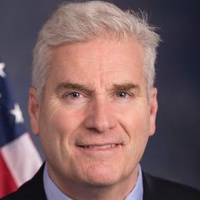
Tom Emmer
Representative
MN
Tom Emmer
Representative
MN
The Veteran Burial Timeliness and Death Certificate Accountability Act addresses significant delays in obtaining death certificates for veterans who die from natural causes, often due to VA medical staff delays. This bill mandates that VA medical providers must certify a veteran's death within 48 hours or allow the local medical examiner to step in. Furthermore, the VA must annually report on its compliance with this new timely certification requirement.
The SAMS Act of 2025 codifies several existing Executive Orders related to critical minerals into permanent federal law.
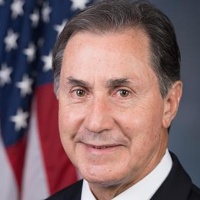
Gary Palmer
Representative
AL
Gary Palmer
Representative
AL
The SAMS Act of 2025 codifies several previous Executive Orders into permanent law, specifically focusing on policies related to critical minerals. This action elevates existing presidential directives concerning these vital resources to the full force and effect of statutory law. The bill ensures the long-term legal standing of established critical mineral supply chain strategies.
This bill mandates that elementary, secondary, and higher education institutions must certify compliance with biological fairness requirements in women's sports to receive federal funding, with penalties for non-compliance.
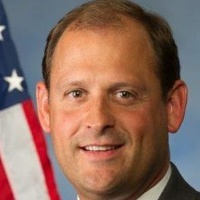
Garland Barr
Representative
KY
Garland Barr
Representative
KY
The Defend Girls Athletics Act mandates that elementary, secondary, and higher education institutions must certify compliance with Executive Order 14201 regarding biological fairness in women's sports to receive federal funding. This certification must be renewed annually for K-12 districts and by July 1st for colleges and universities. Failure to comply or report results in the immediate requirement to return unobligated federal funds and ineligibility for future federal financial assistance until compliance is restored.
This bill authorizes the creation and sale of commemorative coins for the 2028 Los Angeles and 2034 Salt Lake City Olympic and Paralympic Games to help fund the events, with all surcharges going to the respective organizing committees after covering production costs.
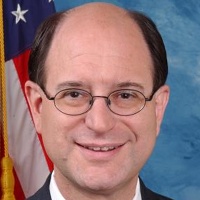
Brad Sherman
Representative
CA
Brad Sherman
Representative
CA
This Act authorizes the Secretary of the Treasury to mint and sell special commemorative coins for the 2028 Los Angeles Olympic and Paralympic Games and the 2034 Salt Lake City Winter Olympic and Paralympic Games. The coins will feature designs celebrating American athletes and the Games themselves. All surcharges collected from the sale of these coins will be directed to the respective organizing committees to help fund the events and related youth sports programs. The entire program must be conducted at no cost to the U.S. Government.
The PBM Reform Act of 2025 mandates sweeping changes to increase transparency, ensure fair pharmacy access in Medicare, and prohibit abusive spread pricing in Medicaid by holding Pharmacy Benefit Managers accountable for their financial dealings.
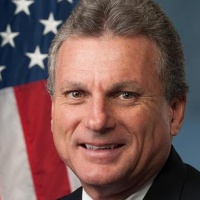
Earl Carter
Representative
GA
Earl Carter
Representative
GA
The Pharmacy Benefit Manager Reform Act of 2025 aims to increase transparency and accountability across the prescription drug supply chain. It mandates fairer pharmacy network access for Medicare beneficiaries and imposes strict new financial reporting and service fee requirements on Pharmacy Benefit Managers (PBMs) working with Medicare and private health plans. Furthermore, the bill establishes new federal mechanisms to accurately track drug acquisition costs in Medicaid and explicitly bans the practice of "spread pricing" in state Medicaid contracts.
This resolution formally condemns the violent June 2025 Los Angeles riots, criticizes state leadership's response, highlights the impact on essential services, and thanks law enforcement for their actions.

Young Kim
Representative
CA
Young Kim
Representative
CA
This resolution formally condemns the violent riots that occurred in Los Angeles in June 2025 following immigration enforcement actions. It strongly disapproves of the criminal activity, violence against law enforcement, and disruption of essential services during the unrest. The bill also criticizes state and local leadership for their alleged failure to contain the disorder. Ultimately, Congress calls for peace, cooperation between federal and state agencies, and expresses gratitude to law enforcement personnel.
This resolution expresses support for designating September 25th as National Stop SuiSilence Day to encourage open conversation and action regarding suicide prevention.
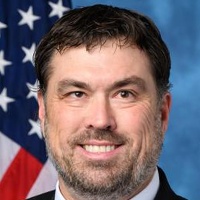
Morgan Luttrell
Representative
TX
Morgan Luttrell
Representative
TX
This resolution expresses strong support for designating **September 25th** as **National Stop SuiSilence Day**. The bill emphasizes that open conversation is crucial for reducing the stigma surrounding suicide and preventing loss of life. It encourages individuals, communities, and the government to actively engage in suicide prevention awareness and action on this designated day.
This act modifies federal charter school grants to provide targeted support, technical assistance, and pre-planning funds for educator-led charter school development.

Julia Letlow
Representative
LA
Julia Letlow
Representative
LA
The Empower Charter School Educators to Lead Act modifies federal Charter School Program grants to strengthen state oversight and support for high-quality charter schools. It prioritizes funding for educator-led groups planning to open new schools by offering pre-charter planning subgrants. The bill also refines how states allocate grant funds, ensuring the majority supports the opening and expansion of charter schools.
This bill allows associations of employers to sponsor group health plans, treating them as a single employer under ERISA, with specific requirements for plan structure and premium rating.
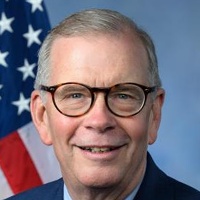
Tim Walberg
Representative
MI
Tim Walberg
Representative
MI
The Association Health Plans Act amends federal law to allow certain groups or associations of employers to sponsor a single group health plan, treating them as a single employer for coverage purposes. This aims to expand access to health coverage by enabling broader risk pooling across different industries. The bill establishes specific criteria these associations must meet to qualify, including minimum size and operational standards. Finally, it outlines rules for setting premium rates and prohibits discrimination based on health status for plans established under this Act.
This act allows drug manufacturers to provide required prescribing information digitally, provided they maintain an option for healthcare professionals to receive paper copies upon request.

Diana Harshbarger
Representative
TN
Diana Harshbarger
Representative
TN
The Prescription Information Modernization Act of 2025 allows drug manufacturers to provide required prescribing information to healthcare providers digitally. This shift is contingent upon manufacturers offering providers the option to receive paper copies upon request, free of charge. The Secretary of HHS must establish final rules for this digital transition within one year of enactment.
This Act mandates clear "Do Not Flush" labeling on disposable wipes containing petrochemical fibers to prevent plumbing pollution, enforced by the FTC.

Lisa McClain
Representative
MI
Lisa McClain
Representative
MI
The Wastewater Infrastructure Pollution Prevention and Environmental Safety Act (WIPPES Act) mandates clear "Do Not Flush" labeling on disposable wipes that cause plumbing issues. This federal standard, enforced by the FTC, requires specific placement and high contrast for the required symbols and text on all packaging. The Act preempts differing state or local labeling laws and gives manufacturers one year to comply.
The FIGHT Act of 2025 strengthens federal prohibitions against animal fighting, enhances enforcement mechanisms, and allows citizens to sue violators of animal fighting provisions.
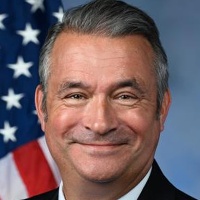
Don Bacon
Representative
NE
Don Bacon
Representative
NE
The FIGHT Act of 2025 significantly strengthens federal prohibitions against animal fighting ventures, specifically targeting the sponsorship, exhibition, and gambling associated with these events. This legislation clarifies the definition of a rooster for legal purposes and bans the interstate transport of roosters for fighting. Furthermore, it empowers private citizens to file lawsuits against violators, allowing for civil penalties and the potential seizure of property used to facilitate illegal animal fighting.
This bill grants a federal charter to the Veterans Association of Real Estate Professionals to support veterans' housing, financial literacy, and economic stability.
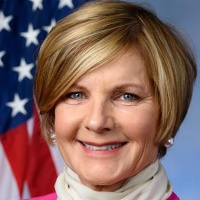
Susie Lee
Representative
NV
Susie Lee
Representative
NV
This bill grants a Federal charter to the Veterans Association of Real Estate Professionals, officially recognizing it as a nonprofit veterans service organization. The organization is tasked with promoting sustainable homeownership, financial literacy, and economic opportunity for veterans and service members. It must adhere to strict operational rules, including prohibitions on political activity and the distribution of profits to members. The charter remains contingent upon the organization maintaining its tax-exempt status and compliance with California corporate law.
This resolution condemns the violent June 2025 riots in Los Angeles, praises law enforcement, and urges cooperation to restore peace.
Young Kim
Representative
CA
Young Kim
Representative
CA
This resolution formally condemns the violent riots that occurred in Los Angeles in June 2025, which escalated from protests following immigration enforcement actions. It details the widespread arson, vandalism, and attacks against law enforcement officers during the disorder. Furthermore, the bill praises the actions of law enforcement and urges state and local officials to cooperate with federal authorities to restore peace.
This resolution strongly condemns the rise in ideologically motivated attacks against Jewish individuals in the U.S., including the recent Boulder assault, and reaffirms the House's commitment to combating antisemitism and political violence.
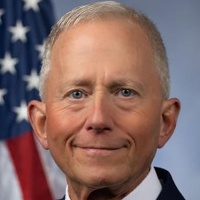
Jefferson Van Drew
Representative
NJ
Jefferson Van Drew
Representative
NJ
This resolution strongly condemns the recent rise in ideologically motivated attacks targeting Jewish individuals and institutions across the United States, including the violent assault in Boulder, Colorado. The House of Representatives reaffirms its commitment to combating antisemitism and politically motivated violence in all its forms. It calls for thorough investigation and prosecution of such incidents and urges all sectors of society to speak out against hate.