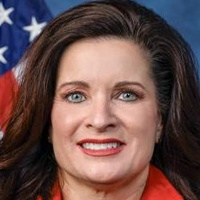
Legislative Activity
Track Sheri's sponsored bills, co-sponsored legislation, and voting record
This resolution strongly condemns the assassination of Charlie Kirk and calls for national change inspired by his life and tragic death.
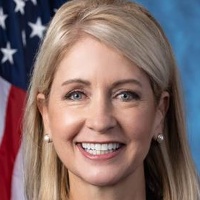
Mary Miller
Representative
IL
Mary Miller
Representative
IL
This resolution strongly condemns the assassination of conservative activist Charlie Kirk on September 10, 2025, during his national speaking tour. It honors his life, his founding of Turning Point USA, and his dedication to conservative principles. Ultimately, the document calls for national unity and reaffirms the commitment to protecting the right to peaceful assembly and free expression.
This resolution formally condemns the assassination of Charlie Kirk and reaffirms the right to peaceful assembly against political violence.
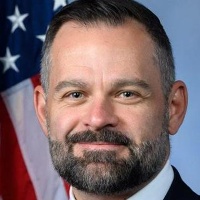
Cory Mills
Representative
FL
Cory Mills
Representative
FL
This resolution formally condemns the horrific political assassination of conservative spokesman Charlie Kirk on September 10, 2025, in Orem, Utah. It expresses deep condolences to his family and recognizes the bravery of the first responders at the scene. Ultimately, the measure reaffirms the fundamental American right to peaceful assembly and stands firmly against political violence.
This act ensures that essential Border Patrol Agents and Customs Officers receive their salaries during a government shutdown in fiscal year 2026.
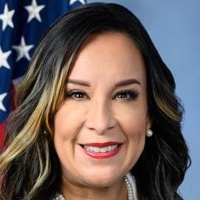
Mónica De La Cruz
Representative
TX
Mónica De La Cruz
Representative
TX
The Pay Our Border Patrol and Customs Agents Act ensures that essential U.S. Border Patrol Agents and Customs and Border Protection officers who must work during a government shutdown in fiscal year 2026 will receive their salaries. This legislation appropriates necessary funds from the Treasury to cover these payments during the lapse in appropriations. The goal is to guarantee that critical border security personnel are paid even if the government temporarily closes.
This act updates the definition of "unauthorized alien" in employment verification law by removing the reference to the Attorney General.
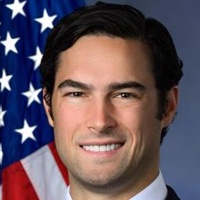
Brandon Gill
Representative
TX
Brandon Gill
Representative
TX
The Domestic Jobs Protection Act amends immigration law by updating the definition of "unauthorized alien" within employment verification rules. This change specifically removes a reference to the Attorney General in the existing statutory definition. The goal is to streamline and clarify who is covered under current employment verification statutes.
This Act mandates parental consent for any school action supporting a student's gender identity different from their biological sex, tying compliance to federal education funding and allowing parents to sue for violations.
Mary Miller
Representative
IL
Mary Miller
Representative
IL
The Empower Parents to Protect their Kids Act mandates that schools receiving federal funding must obtain explicit parental consent before taking any action supporting a student's gender transition that differs from their biological sex. This legislation prohibits school staff from encouraging students to keep secrets from parents regarding gender identity or from hiding information about a student's transition plans. Parents are granted the right to sue schools directly for violations of these parental notification and consent requirements.
This bill establishes priority processing for U.S. defense export licenses to key national security partners while setting strict, expedited decision deadlines for all other commercial sales applications.
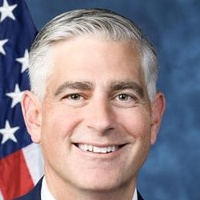
Michael Baumgartner
Representative
WA
Michael Baumgartner
Representative
WA
This bill aims to streamline the process for approving commercial sales of U.S. defense items abroad by establishing priority lists for key national security partners. It mandates specific, faster decision timelines for export applications, setting a 45-day review for priority countries and a 60-day review for all others. Furthermore, the legislation requires the Secretary of State to report semi-annually to Congress on any applications that miss these new deadlines.
This resolution expresses the House's support for designating September 22nd as National Military and Veterans Suicide Awareness Day to highlight the mental health struggles of service members and veterans.
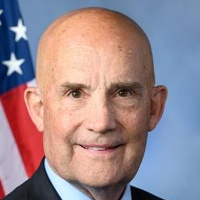
Keith Self
Representative
TX
Keith Self
Representative
TX
This resolution expresses the strong support of Congress for designating September 22nd as "National Military and Veterans Suicide Awareness Day." The goal is to formally recognize the sacrifices of service members and veterans while raising crucial awareness about the mental health challenges and suicide risks they face. By establishing this day, the resolution aims to reduce stigma and encourage greater focus on providing necessary support and resources to this population.
The GRACE Act prohibits federal education funding for schools or agencies with vaccination requirements unless they provide an unconditional religious exemption without requiring documentation.
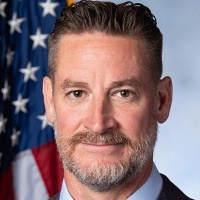
W. Steube
Representative
FL
W. Steube
Representative
FL
The GRACE Act prohibits federal education funding for any school or agency that mandates vaccinations unless they provide a religious exemption based solely on an individual's stated sincerely held religious beliefs. This exemption cannot require any proof or documentation to support the religious objection. Consequently, institutions requiring documentation for religious vaccine exemptions risk losing federal education funds.
The Safety and Opportunity for Girls Act of 2025 amends Title IX to define sex based on biological reproductive capacity and ensures schools can maintain sex-segregated facilities and programs without jeopardizing federal funding.
Mary Miller
Representative
IL
Mary Miller
Representative
IL
The Safety and Opportunity for Girls Act of 2025 amends Title IX to define "female" and "male" based on biological reproductive capacity. This legislation explicitly permits schools to maintain sex-segregated facilities, programs, and activities without jeopardizing their federal funding. It ensures that schools retain the authority to separate spaces based on biological sex.
This Act establishes a federal database to identify and prohibit federal funding for state and local governments deemed to have sanctuary policies that conflict with immigration enforcement.
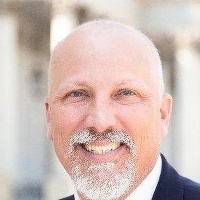
Chip Roy
Representative
TX
Chip Roy
Representative
TX
The Sanctuary Penalty and Public Protection Act of 2025 establishes a federal database to identify and publicly list state and local governments deemed to have policies that obstruct federal immigration enforcement. Jurisdictions placed on this "sanctuary jurisdiction" list will be prohibited from receiving or using any new federal funding. This act aims to penalize local governments that refuse to fully cooperate with federal immigration detainers and enforcement requests.
This bill establishes federal crimes for transporting minors across state lines to circumvent parental involvement laws for abortions and mandates specific parental notification procedures for out-of-state abortions performed on minors.
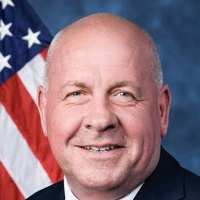
David Taylor
Representative
OH
David Taylor
Representative
OH
The Child Interstate Abortion Notification Act establishes federal crimes for knowingly transporting a minor across state lines to circumvent her home state's parental involvement laws for an abortion. It also mandates that physicians performing out-of-state abortions on minors must provide at least 24 hours of actual or constructive notice to a parent, unless specific exceptions apply. The law protects the minor and her parents from prosecution under the transportation provision and includes civil remedies for parents harmed by violations.
This resolution removes Representative Delia Ramirez from the House Committee on Homeland Security due to recent public comments.
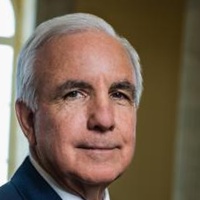
Carlos Gimenez
Representative
FL
Carlos Gimenez
Representative
FL
This resolution proposes the removal of Representative Delia Ramirez from her assignment on the House Committee on Homeland Security. The action is based on comments made by the Representative in Mexico City that the House deems contrary to its standards of conduct. The bill enacts a direct change to the committee assignments within the House of Representatives.
This bill codifies Executive Order 14319, making its provisions regarding the prevention of "woke AI" in the Federal Government the official law of the land.
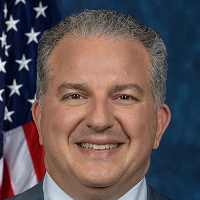
Jimmy Patronis
Representative
FL
Jimmy Patronis
Representative
FL
This bill seeks to formally codify Executive Order 14319 into federal law. By doing so, the provisions outlined in the Executive Order, which relate to preventing "woke AI" within the Federal Government, will gain the full force and effect of statute.
This bill mandates photo ID and proof of U.S. citizenship for voting in federal elections and requires congressional apportionment to be based only on the number of citizens.
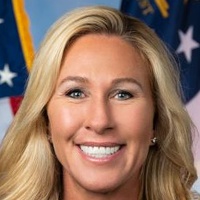
Marjorie Greene
Representative
GA
Marjorie Greene
Representative
GA
The Making American Elections Great Again Act modifies the Census process to base Congressional apportionment solely on the number of U.S. citizens, excluding non-citizens from the count. It also establishes strict new federal election requirements mandating that all voters must present both government-issued photo identification and proof of U.S. citizenship to cast a ballot, whether in person or by mail. These changes will take effect for federal elections held in November 2026 and thereafter.
This bill requires the District of Columbia to allow Members of Congress with valid concealed carry permits from their home states to carry concealed firearms within the District.
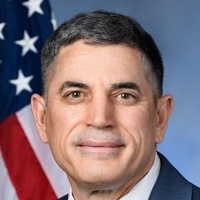
Andrew Clyde
Representative
GA
Andrew Clyde
Representative
GA
This bill would require the District of Columbia to recognize valid concealed carry permits or the legal right to carry a concealed firearm held by Members of Congress from their home states. Specifically, it allows Senators, Representatives, Delegates, and Resident Commissioners to carry a concealed firearm in D.C. provided they meet federal eligibility requirements and carry proper identification.
This resolution expresses the importance of clearly distinguishing between treating life-threatening medical emergencies like ectopic pregnancies and elective abortions to ensure timely and accurate emergency care for pregnant women.
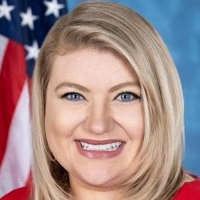
Katherine Cammack
Representative
FL
Katherine Cammack
Representative
FL
This resolution emphasizes the critical need to distinguish between treating life-threatening medical emergencies, such as ectopic pregnancies, and elective abortions. It calls on medical organizations and training institutions to clearly educate professionals on these differences to ensure timely and appropriate emergency care. The goal is to prevent confusion that could delay necessary, life-saving treatment for pregnant women.
The Veterans’ ACCESS Act of 2025 improves veteran health care by establishing clear eligibility standards for community care, mandating timely mental health treatment, and streamlining administrative processes to ensure faster, more transparent access to services.
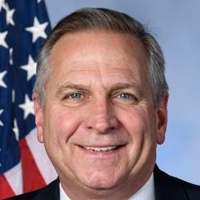
Mike Bost
Representative
IL
Mike Bost
Representative
IL
The Veterans’ ACCESS Act of 2025 strengthens the Veterans Community Care Program by establishing clear, enforceable standards for care eligibility and wait times while streamlining the referral process. The legislation also overhauls access to residential mental health and substance abuse treatment, ensuring veterans receive timely, localized care with robust oversight. Additionally, it mandates the development of digital tools and pilot programs to reduce bureaucratic hurdles and improve transparency across the VA healthcare system.
This Act prohibits covered foreign entities from acquiring or leasing U.S. agricultural land and temporarily bans them from purchasing residential real estate, imposing severe penalties for non-compliance.
Mary Miller
Representative
IL
Mary Miller
Representative
IL
This Act prohibits "covered foreign entities," primarily defined as those connected to the People's Republic of China, from acquiring or leasing U.S. agricultural land. Covered entities currently owning such land must divest within one year or face severe daily fines and potential criminal forfeiture. Additionally, the bill imposes a temporary two-year ban on these same entities purchasing residential real estate, with separate penalties for non-compliance. The legislation mandates the creation of new enforcement offices within the Departments of Agriculture and Commerce to oversee compliance.
The NARCO Act of 2025 restructures the State Department's international narcotics and crime efforts by placing the INL Assistant Secretary under a new reporting structure and significantly expanding their responsibilities to coordinate global crime fighting, manage rewards programs, and vet foreign police units.
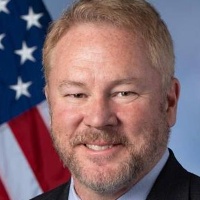
Warren Davidson
Representative
OH
Warren Davidson
Representative
OH
The NARCO Act of 2025 reforms the State Department's international narcotics and law enforcement efforts by placing the INL Assistant Secretary under the Under Secretary for International Security Affairs. This bill significantly expands the Assistant Secretary's responsibilities to oversee global crime fighting, counter drug and terror financing, and vet foreign police units. Furthermore, it mandates a minimum budget allocation for international rewards programs and requires new standards for measuring program success that look beyond simple drug seizures.
This bill amends federal law to include violations related to rioting within the definition of racketeering activity.
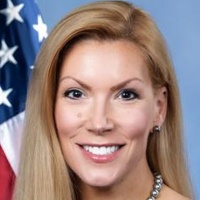
Beth Van Duyne
Representative
TX
Beth Van Duyne
Representative
TX
This bill amends federal law to explicitly include violations related to rioting within the definition of "racketeering activity." By adding this specific crime to the list under Title 18, Section 1961(1), the legislation makes participation in such activities subject to serious federal racketeering charges. This change treats rioting violations similarly to other established offenses like bribery or extortion for the purposes of federal prosecution.