Legislative Activity
Track Aaron's sponsored bills, co-sponsored legislation, and voting record
This Act prohibits state and local governments from imposing excise taxes on the sale of firearms, ammunition, or related parts in interstate or foreign commerce.
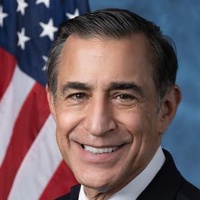
Darrell Issa
Representative
CA
Darrell Issa
Representative
CA
The Freedom from Unfair Gun Taxes Act of 2025 prohibits state and local governments from imposing excise taxes on the sale of firearms, ammunition, or firearm parts. This restriction specifically targets taxes levied on sales that involve interstate or foreign commerce. The Act explicitly preserves existing federal laws, such as the Pittman-Robertson Wildlife Restoration Act.
This bill mandates the relocation of the National Aeronautics and Space Administration (NASA) headquarters to Brevard County, Florida, within one year of enactment.
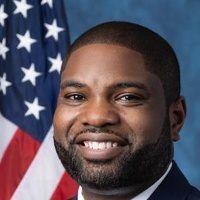
Byron Donalds
Representative
FL
Byron Donalds
Representative
FL
The CAPE Canaveral Act mandates the relocation of the National Aeronautics and Space Administration (NASA) headquarters to Brevard County, Florida. This transfer must be completed within one year of the Act becoming law. The legislation aims to consolidate aerospace programs efficiently at the Canaveral location.
This Act amends the Base Erosion and Anti-Abuse Tax (BEAT) rules to impose stricter regulations on U.S. companies connected to foreign entities subject to specific extraterritorial income taxes.
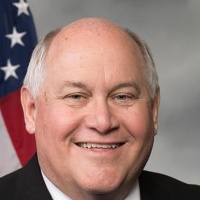
Ron Estes
Representative
KS
Ron Estes
Representative
KS
The Unfair Tax Prevention Act amends the Base Erosion and Anti-Abuse Tax (BEAT) rules to specifically target certain U.S. companies connected to foreign tax systems operating outside their direct jurisdiction. These "foreign-owned extraterritorial tax regime entities" will now be automatically subject to BEAT, with specific exceptions removed and a portion of their cost of goods sold automatically treated as a base erosion benefit. This legislation aims to close loopholes related to complex, indirect foreign ownership structures.
This bill establishes national reciprocity for concealed carry permits, allowing individuals legally permitted to carry in their home state to carry a handgun in any other state that allows concealed carry.
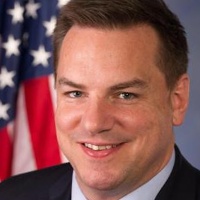
Richard Hudson
Representative
NC
Richard Hudson
Representative
NC
The Constitutional Concealed Carry Reciprocity Act of 2025 establishes a national standard for carrying concealed handguns across state lines. This act allows individuals legally permitted to carry in their home state to carry concealed in any other state that allows its residents to carry concealed firearms. The law does not override private property restrictions or prohibitions on government property, but it provides protections and legal recourse for those traveling in compliance with the new federal standard.
The FAIR Act of 2025 mandates that Medicare-funded residency programs report data on the application and acceptance rates of osteopathic and allopathic medical school graduates to ensure equitable treatment, with non-compliance resulting in Medicare payment penalties.

Diana Harshbarger
Representative
TN
Diana Harshbarger
Representative
TN
The Fair Access In Residency (FAIR) Act of 2025 aims to ensure equitable treatment of osteopathic (D.O.) and allopathic (M.D.) medical school graduates in residency applications. It requires hospitals receiving Medicare funds to report detailed data on D.O. and M.D. applicants and acceptances for each residency program. Hospitals failing to submit this required data will face a 2% reduction in their Medicare payments. This collected data will also be made publicly available to promote transparency in the residency recruitment process.
This act establishes expedited judicial review and shifts the burden of proof to the government when individuals challenge NICS denials, while also mandating annual reporting on record challenges.
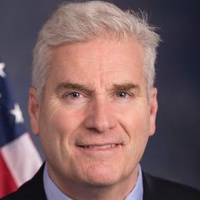
Tom Emmer
Representative
MN
Tom Emmer
Representative
MN
The Firearm Due Process Protection Act of 2025 aims to strengthen due process rights for individuals challenging denials in the National Instant Criminal Background Check System (NICS). It mandates expedited court hearings for record correction lawsuits and shifts the burden of proof onto the government to demonstrate why a person should be ineligible to own a firearm. Additionally, the bill requires the FBI to submit annual reports detailing the outcomes and timelines of all NICS record challenges.
This act permanently establishes a 7-year recovery period for the depreciation of motorsports entertainment complexes for tax purposes.

Claudia Tenney
Representative
NY
Claudia Tenney
Representative
NY
The Motorsports Fairness and Permanency Act of 2025 makes permanent a significant tax benefit for motorsports entertainment complexes. This legislation ensures these large venues can continue to use an accelerated 7-year recovery period for depreciating their building costs. By removing the previous expiration date, the Act provides long-term financial certainty for the industry.
This bill restores protections to prevent private health insurance plans from discriminating against dialysis patients with End-Stage Renal Disease (ESRD) or shifting their treatment costs unfairly onto Medicare.
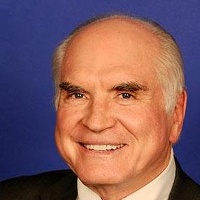
Mike Kelly
Representative
PA
Mike Kelly
Representative
PA
The Restore Protections for Dialysis Patients Act aims to prevent private health insurance plans from discriminating against patients with End-Stage Renal Disease (ESRD). This legislation clarifies that plans cannot offer worse benefits or unfairly limit coverage for dialysis treatments compared to other medical services. Furthermore, it stops these plans from shifting the primary financial responsibility for ESRD care onto Medicare. The bill maintains existing rules ensuring fair treatment while preserving a health plan's ability to select its network of dialysis providers.
The Fair and Open Competition Act of 2025 prohibits the federal government from requiring or penalizing bidders or contractors on federally funded construction projects based on their agreement or non-agreement with labor unions.
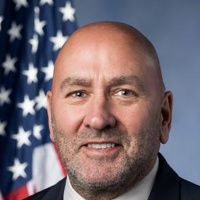
Clay Higgins
Representative
LA
Clay Higgins
Representative
LA
The Fair and Open Competition Act of 2025 ensures fair competition on federally funded construction projects by prohibiting the government from requiring or penalizing bidders based on union agreements. This legislation aims to keep federal agencies neutral in labor relations while promoting cost savings and opening opportunities for all businesses. Exceptions to this neutrality rule are strictly limited to specific public health, safety, or national security emergencies.
Extends the statute of limitations to 10 years for prosecuting fraud related to specific pandemic unemployment programs and rescinds $5,000,000 from unspent COVID-19 relief funds.
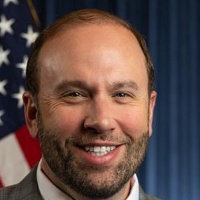
Jason Smith
Representative
MO
Jason Smith
Representative
MO
The "Pandemic Unemployment Fraud Enforcement Act" extends the statute of limitations to 10 years for prosecuting fraud related to specific pandemic unemployment programs. It applies to violations or conspiracies under Title 18 and Title 31 of the U.S. Code and rescinds $5,000,000 from previously allocated funds to offset the budget. The changes made by this law will begin on the date of enactment.
This Act establishes a Bill of Rights for students at federally funded public colleges and universities, protecting free speech, association, and ensuring fair procedures for student group recognition, funding, and event security fees.
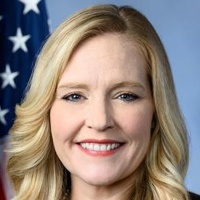
Erin Houchin
Representative
IN
Erin Houchin
Representative
IN
The Students Bill of Rights Act of 2025 establishes new federal protections for free speech and association at federally funded public colleges and universities. This bill sets clear, objective standards for student group recognition, the allocation of student activity funds, and the assessment of security fees for events. It grants students the right to sue institutions that violate these rights and outlines penalties, including the potential loss of federal funding, for non-compliance.
The Department of Government Efficiency Act codifies Executive Order 14210 into law, establishing its directives with the full authority of a statute.
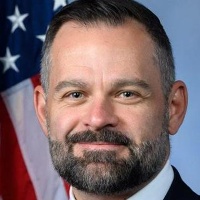
Cory Mills
Representative
FL
Cory Mills
Representative
FL
The Department of Government Efficiency Act, or DOGE Act, codifies Executive Order 14210 into permanent law. This action elevates the directives and rules established in the Executive Order to the full authority of a statute passed by Congress. Essentially, the provisions of the order are now legally binding requirements.
This act amends the tax code to give businesses the option to immediately deduct or amortize (spread out over at least five years) their research and experimental expenditures.
Ron Estes
Representative
KS
Ron Estes
Representative
KS
The American Innovation and R&D Competitiveness Act of 2025 revises how businesses treat research and experimental (R&E) expenditures for tax purposes. Taxpayers can now choose between immediately deducting R&E costs or amortizing them over a period of at least 60 months. This legislation also makes technical adjustments to ensure consistency between immediate deductions and claiming the research tax credit.
This bill authorizes the posthumous presentation of a Congressional Gold Medal to James Earl Jones, honoring his contributions to the United States and his work promoting inclusion in film and theatre.
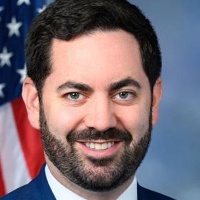
Michael Lawler
Representative
NY
Michael Lawler
Representative
NY
The James Earl Jones Congressional Gold Medal Act directs the Speaker of the House and the President pro tempore of the Senate to arrange for the posthumous presentation of a Congressional Gold Medal to James Earl Jones, honoring his contributions to the United States and his work promoting inclusion in film and theatre. The Secretary of the Treasury will create the gold medal, and bronze duplicates will be made available for sale to the public.
This bill reinstates the pre-American Rescue Plan Act threshold for third-party payment networks to report gig economy earnings to the IRS, requiring both over $20,000 in payments and over 200 transactions.
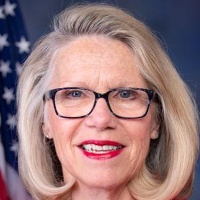
Carol Miller
Representative
WV
Carol Miller
Representative
WV
The Saving Gig Economy Taxpayers Act seeks to reinstate the previous, higher reporting thresholds for third-party payment processors issuing Form 1099-K. This means payment networks will only be required to report earnings to the IRS if a user exceeds both a \$20,000 total payment amount and 200 separate transactions in a calendar year. Furthermore, the bill applies this "de minimis" standard to backup withholding rules for these network payments starting in 2025.
The "Federal Firearms Licensee Protection Act of 2025" increases penalties for stealing firearms from licensed dealers, manufacturers, or importers, especially during burglaries or robberies, and clarifies related definitions.
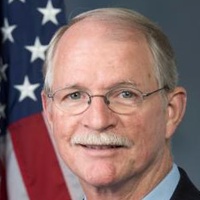
John Rutherford
Representative
FL
John Rutherford
Representative
FL
The "Federal Firearms Licensee Protection Act of 2025" increases penalties for stealing firearms from licensed dealers. It sets stricter punishments, including up to 20 years in prison, for violating laws related to firearm theft. The act also mandates minimum prison sentences of 3 years for burglaries and 5 years for robberies targeting licensed firearm businesses.
The SPARE Act aims to reduce animal testing in federally funded research by promoting alternative methods, mandating the release of research animals for adoption, and establishing penalties for non-compliance.
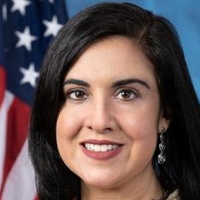
Nicole Malliotakis
Representative
NY
Nicole Malliotakis
Representative
NY
The Safeguard Pets, Animals, and Research Ethics Act (SPARE Act) aims to reduce and eventually eliminate animal testing in federally funded research by promoting alternative methods. It prohibits the use of federal funds for animal research with some exceptions, and establishes a fund to support the transition to non-animal testing methods. The act also requires research facilities to establish programs for releasing research animals to adoption or sanctuary and mandates public reporting and annual audits to ensure compliance. Violators may face civil penalties.
Nullifies the EPA's rule on greenhouse gas emissions from power plants and reinstates the Affordable Clean Energy Rule.
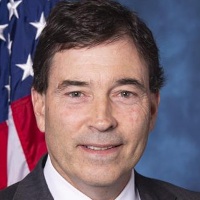
Troy Balderson
Representative
OH
Troy Balderson
Representative
OH
This bill nullifies the Environmental Protection Agency's rule on greenhouse gas emissions from power plants. The rule targeted new, modified, and reconstructed fossil fuel-fired electric generating units. It also set emission guidelines and repealed the Affordable Clean Energy Rule.
This bill modifies the definition of "qualifying single source drug" under the Social Security Act to include certain advanced drugs using genetically targeted technology for a limited time.
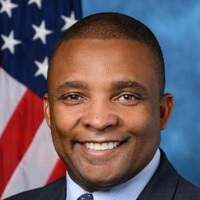
Donald Davis
Representative
NC
Donald Davis
Representative
NC
The "Maintaining Investments in New Innovation Act" amends the Social Security Act's definition of "qualifying single source drug" to include advanced drugs using genetically targeted technology. This update applies to drugs that can modify gene function, potentially impacting drug pricing and access regulations under the Act.
The "Hospice Recertification Flexibility Act" extends Medicare telehealth flexibilities for hospice care through 2027 and requires a modifier for telehealth recertifications starting in 2026.
Carol Miller
Representative
WV
Carol Miller
Representative
WV
The "Hospice Recertification Flexibility Act" extends Medicare telehealth flexibilities for hospice care through December 31, 2027, with certain limitations after January 1, 2026, based on location, provider oversight, and proper enrollment. It also mandates the use of specific modifiers or codes on hospice claims to identify when recertifications of hospice care eligibility are conducted via telehealth starting January 1, 2026.