Legislative Activity
Track Aaron's sponsored bills, co-sponsored legislation, and voting record
This resolution expresses support for designating July 10th as Journeyman Lineworkers Recognition Day to honor the dangerous and essential service provided by these workers, especially during crises.

Linda Sánchez
Representative
CA
Linda Sánchez
Representative
CA
This resolution expresses support for designating July 10th as Journeyman Lineworkers Recognition Day. It honors the essential and dangerous work performed by these skilled professionals, especially their heroic efforts in restoring power after major disasters. The day serves to recognize their service and remember those who have lost their lives performing this vital work.
This bill mandates quarterly rebates from manufacturers of selected drugs based on the difference between standard Medicare payment rates and the negotiated Maximum Fair Price, while adjusting beneficiary coinsurance accordingly.
Gregory Murphy
Representative
NC
Gregory Murphy
Representative
NC
This bill, the Protecting Patient Access to Cancer and Complex Therapies Act, establishes a new mandatory rebate system for manufacturers of certain drugs selected for Maximum Fair Price (MFP) negotiation under Medicare. Manufacturers must pay quarterly rebates based on the difference between the standard Medicare payment and the lower negotiated MFP for units sold under Part B. These changes also adjust beneficiary coinsurance calculations to reflect the lower MFP, ensuring patient out-of-pocket costs are based on the negotiated price.
This resolution condemns Russia's forced deportation and Russification of Ukrainian children and demands their return before any final peace agreement is reached.
Michael McCaul
Representative
TX
Michael McCaul
Representative
TX
This resolution strongly condemns Russia for the abduction and forced "Russification" of Ukrainian children, highlighting these actions as grave violations of international law. It emphasizes that these children must be safely returned to Ukraine before any final peace agreement to end the war is considered. The document also underscores the heightened risks of trafficking, violence, and trauma faced by Ukrainian children due to the ongoing invasion.
The Employee Rights Act mandates secret ballot elections for union representation, restricts voting eligibility to lawfully present workers, tightens rules on employer-employee data sharing during elections, limits union spending of member dues, clarifies independent contractor and joint employer standards, extends NLRA coverage to tribal entities, allows for independent negotiation in certain states, bans non-job-related DEI clauses in contracts, and limits federal prosecution for minor acts of violence during labor disputes.
Rick Allen
Representative
GA
Rick Allen
Representative
GA
The Employee Rights Act fundamentally reforms U.S. labor law by mandating secret ballot elections for union representation and restricting union access to employee contact information. It also clarifies definitions for independent contractors and joint employers under federal wage and labor relations statutes. Furthermore, the bill prohibits Diversity, Equity, or Inclusion (DEI) clauses in collective bargaining agreements and establishes federal penalties for violence during labor disputes, while prioritizing state authority for minor incidents.
The Treatment Continuity Act of 2025 expands federal support for substance use disorder treatment to equally prioritize serious mental illness treatment, focusing on long-acting injectable medications and updated reporting requirements.
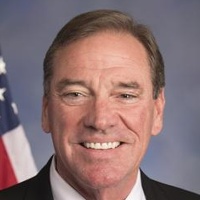
Neal Dunn
Representative
FL
Neal Dunn
Representative
FL
The Treatment Continuity Act of 2025 expands federal support for treatment by explicitly including serious mental illness alongside substance use disorders under key grant programs. This legislation prioritizes funding for services utilizing long-acting injectable medications and requires updated annual reporting to Congress on treatment outcomes. These changes aim to ensure continuous, evidence-based care for individuals with these significant health needs.
The FIGHT Act of 2025 strengthens federal prohibitions against animal fighting, enhances enforcement mechanisms, and allows citizens to sue violators of animal fighting provisions.
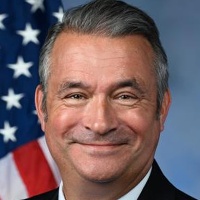
Don Bacon
Representative
NE
Don Bacon
Representative
NE
The FIGHT Act of 2025 significantly strengthens federal prohibitions against animal fighting ventures, specifically targeting the sponsorship, exhibition, and gambling associated with these events. This legislation clarifies the definition of a rooster for legal purposes and bans the interstate transport of roosters for fighting. Furthermore, it empowers private citizens to file lawsuits against violators, allowing for civil penalties and the potential seizure of property used to facilitate illegal animal fighting.
This resolution formally declares the inherent value of every human life, recognizes the *Dobbs* decision, and establishes an annual "Life Month" to support policies and resources that protect the unborn and assist new families.
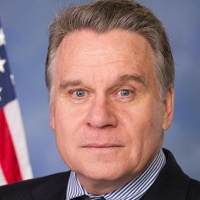
Christopher Smith
Representative
NJ
Christopher Smith
Representative
NJ
This joint resolution formally establishes "Life Month" to affirm the fundamental value and inherent dignity of every human life as an unalienable right. It recognizes the Supreme Court's *Dobbs* decision and urges Congress to enact laws protecting unborn life. Furthermore, the resolution commends organizations and individuals who support pregnant women and new families.
The LOOTER Act of 2025 establishes new federal penalties for committing petty or grand larceny within counties officially under a natural disaster emergency declaration.
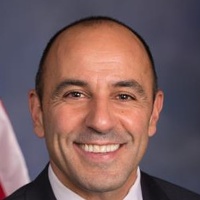
Jimmy Panetta
Representative
CA
Jimmy Panetta
Representative
CA
The LOOTER Act of 2025 establishes new federal crimes specifically targeting theft committed during officially declared natural disaster emergencies. This legislation makes both petty and grand larceny committed within affected counties during these emergency periods federal offenses. The Act imposes penalties ranging from fines and up to one year in prison for petty larceny, to fines and up to five years in prison for grand larceny.
This resolution honors law enforcement officers killed in the line of duty, specifically recognizing those who died in 2024, and expresses support for active officers and their need for proper resources.
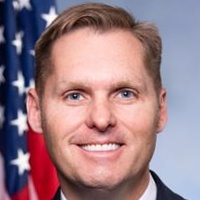
Michael Guest
Representative
MS
Michael Guest
Representative
MS
This resolution formally honors law enforcement officers killed in the line of duty, specifically recognizing the 345 officers whose service ended in 2024. It reaffirms support for all active officers and emphasizes the need to ensure they have the proper resources and training to perform their duties safely. The bill serves as a formal expression of gratitude and remembrance for their ultimate sacrifice.
This Act mandates that health plans cover medically necessary treatment for congenital anomalies or birth defects affecting the eyes, ears, teeth, mouth, or jaw to restore normal function and appearance.
Neal Dunn
Representative
FL
Neal Dunn
Representative
FL
The Ensuring Lasting Smiles Act mandates that group health plans and insurance policies provide comprehensive coverage for medically necessary treatment related to congenital anomalies or birth defects affecting the eyes, ears, teeth, mouth, or jaw. This coverage must include services needed to restore normal function and appearance, including necessary dental and orthodontic support. Plans must apply cost-sharing rules no more restrictive than those for other medical benefits, excluding purely cosmetic procedures.
This resolution expresses support for designating the week of May 4-10, 2025, as Tardive Dyskinesia Awareness Week to educate the public and healthcare providers about this involuntary movement disorder.
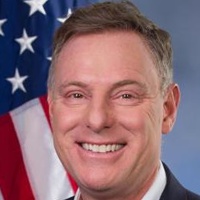
Scott Peters
Representative
CA
Scott Peters
Representative
CA
This resolution expresses the support of the House of Representatives for designating the week of May 4–10, 2025, as "Tardive Dyskinesia Awareness Week." The measure aims to raise public and medical community awareness about tardive dyskinesia (TD), an involuntary movement disorder often caused by long-term use of certain medications. By promoting education, the bill encourages better monitoring and diagnosis for the estimated 600,000 Americans currently affected by this condition.
This bill establishes procedures for attributing errors and liabilities between employers and third-party payroll tax payors when filing payroll taxes.
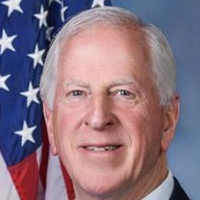
Mike Thompson
Representative
CA
Mike Thompson
Representative
CA
This bill establishes new procedures for the IRS when errors occur in payroll tax filings made by third-party payors, such as Professional Employer Organizations (PEOs). It clarifies the responsibility for resulting tax liabilities or penalties based on whether the payor relied on erroneous information provided by the employer. The legislation aims to fairly allocate responsibility between the employer and the third-party payor when mistakes happen during tax certification and filing.
The Shipbuilding and Harbor Infrastructure for Prosperity and Security for America Act of 2025 establishes a centralized maritime authority, creates a dedicated funding trust, strengthens sealift capability, mandates increased use of U.S.-flagged vessels, invests heavily in domestic shipbuilding, and enhances workforce development and tax incentives for the maritime industry.
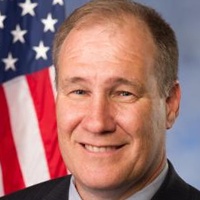
Trent Kelly
Representative
MS
Trent Kelly
Representative
MS
The **Shipbuilding and Harbor Infrastructure for Prosperity and Security for America Act of 2025** is a comprehensive bill designed to revitalize the U.S. maritime industry and secure critical supply chains. It establishes new centralized oversight for maritime policy, creates a dedicated Maritime Security Trust Fund financed by new vessel taxes, and mandates significant federal investment in domestic shipbuilding and workforce development. The legislation also imposes stricter cargo preference rules and tax incentives to ensure U.S.-flagged vessels dominate international commerce and defense sealift operations.
The Prove It Act establishes a formal process for small businesses to challenge agency claims about the economic impact of proposed rules and strengthens requirements for agencies to consider indirect costs on small entities.
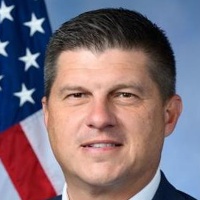
Brad Finstad
Representative
MN
Brad Finstad
Representative
MN
The Prove It Act aims to strengthen protections for small businesses against burdensome federal regulations. It establishes a formal process for small entities to challenge agency claims that a proposed rule will not significantly impact them. The bill also expands the required analysis of indirect costs and imposes consequences if agencies fail to periodically review existing rules on time.
This bill temporarily exempts certain physician practices from Stark Law restrictions to allow them to dispense designated Medicare Part D prescription drugs directly to their patients while mandating a GAO study on in-office dispensing trends.

Diana Harshbarger
Representative
TN
Diana Harshbarger
Representative
TN
The Seniors’ Access to Critical Medications Act of 2025 temporarily modifies the physician self-referral prohibition (Stark Law) to allow physician practices to dispense certain Medicare Part D prescription drugs directly to their patients between 2026 and 2030. This exception is subject to specific conditions regarding prescribing, patient history, and dispensing location. The bill also mandates a GAO study to examine trends in physician office drug dispensing and makes a minor adjustment to the allocation for the Medicare Improvement Fund.
This bill establishes a special visitor category for qualifying Canadian retirees to stay in the U.S. for up to 240 days annually and grants them non-resident alien tax status.
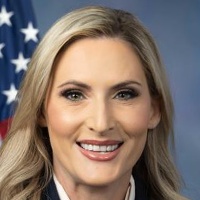
Laurel Lee
Representative
FL
Laurel Lee
Representative
FL
The Canadian Snowbird Act creates a special visitor status for qualifying Canadian retirees, allowing them to stay in the U.S. for up to 240 days per year while maintaining their Canadian residency. This legislation also ensures that these Canadian visitors are treated as non-resident aliens for U.S. tax purposes, preventing them from being taxed like U.S. residents. The bill aims to simplify entry and tax obligations for long-term seasonal visitors from Canada.
This Act mandates the reimbursement of interest payments made by local governments and electric cooperatives on loans used for disaster recovery activities eligible under the Stafford Act.
Neal Dunn
Representative
FL
Neal Dunn
Representative
FL
The FEMA Loan Interest Payment Relief Act establishes a program for FEMA to reimburse local governments and electric cooperatives for interest paid on specific disaster recovery loans. This reimbursement is capped at the lesser of the actual interest paid or the interest calculated using the Federal Reserve's prime rate. The law mandates FEMA to quickly establish procedures for states to apply for reimbursement of qualifying interest paid up to nine years prior to enactment.
The Secure Family Futures Act of 2025 modifies tax code provisions for applicable insurance companies by excluding certain debt from being treated as a capital asset and extending the capital loss carryover period to ten years for specific losses incurred after 2025.
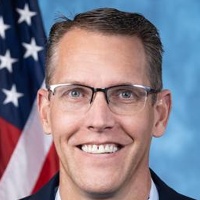
Randy Feenstra
Representative
IA
Randy Feenstra
Representative
IA
The Secure Family Futures Act of 2025 modifies tax treatment for certain debt holdings of applicable insurance companies, excluding specific debt instruments from being treated as capital assets for tax purposes. Additionally, this Act extends the capital loss carryover period to 10 years for specified losses incurred by these insurance companies. These changes apply only to transactions occurring after December 31, 2025.
This bill prohibits states from using federal TANF funds to replace their own spending and reauthorizes most TANF activities for two years.

Claudia Tenney
Representative
NY
Claudia Tenney
Representative
NY
The Protect TANF Resources for Families Act ensures that federal Temporary Assistance for Needy Families (TANF) funds supplement, rather than replace, existing state spending, requiring gubernatorial certification of compliance. Additionally, this bill provides a two-year reauthorization for most existing TANF Part A activities through September 30, 2026. This extension guarantees continued funding for current state-level support programs.
The DETERRENT Act mandates increased transparency for colleges regarding foreign gifts and contracts, prohibits most dealings with "countries of concern," and imposes strict investment reporting requirements for large private universities, backed by significant enforcement penalties.
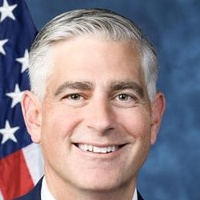
Michael Baumgartner
Representative
WA
Michael Baumgartner
Representative
WA
The DETERRENT Act significantly increases transparency requirements for colleges and universities regarding foreign gifts, contracts, and investments, especially those involving "countries or entities of concern." It mandates detailed public disclosure reports, establishes strict prohibitions and waiver processes for contracts with risky foreign entities, and imposes severe financial penalties for non-compliance. Furthermore, the bill requires specified large private institutions to report their holdings in concerning foreign assets annually.