Legislative Activity
Track James's sponsored bills, co-sponsored legislation, and voting record
This bill prohibits U.S. direct assistance to Somalia, encourages restrictions on remittances, and imposes visa and other sanctions on Somali officials involved in corruption or aiding terrorist organizations.
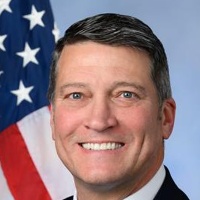
Ronny Jackson
Representative
TX
Ronny Jackson
Representative
TX
This Act prohibits direct U.S. assistance to the Federal Government of Somalia and encourages restrictions on remittances until safeguards against diversion to terrorism or corruption are confirmed. It mandates increased congressional oversight, suspends most U.S. foreign aid to the Somali government, and imposes visa restrictions and sanctions on corrupt officials. The bill also establishes a rewards program to help recover assets stolen from U.S. programs in Somalia.
This bill clarifies that, under Title VII of the Civil Rights Act of 1964, discrimination based on sex does not include discrimination based on gender identity.
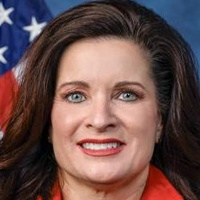
Sheri Biggs
Representative
SC
Sheri Biggs
Representative
SC
The Defending Women in the Workplace Act clarifies the interpretation of Title VII of the Civil Rights Act of 1964. It establishes that, for the purposes of federal anti-discrimination law, the terms "because of sex" or "on the basis of sex" do not include gender identity.
The Quantum Instrumentation for Science and Engineering Act establishes a National Science Foundation grant program to upgrade quantum research facilities and expand access to essential equipment and training.
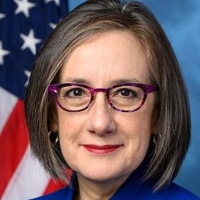
Andrea Salinas
Representative
OR
Andrea Salinas
Representative
OR
The Quantum Instrumentation for Science and Engineering Act establishes a National Science Foundation grant program to upgrade research facilities and expand access to essential quantum technology equipment. This initiative aims to accelerate quantum development by supporting infrastructure improvements, fostering industry partnerships, and providing hands-on training for students.
This bill establishes new federal tax credits for the production of and capital investment in facilities that manufacture qualified renewable materials from biomass.
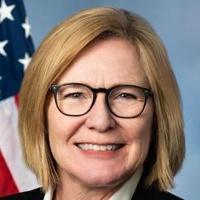
Michelle Fischbach
Representative
MN
Michelle Fischbach
Representative
MN
This bill amends the Internal Revenue Code to incentivize the domestic production of and investment in biobased renewable materials. It establishes a production tax credit of 10 cents per pound for qualified materials and a 30 percent investment tax credit for facilities dedicated to their manufacture. These measures aim to support sustainable supply chains by providing financial support for non-fuel, non-food biomass conversion projects.
The Election Infrastructure Integrity Act mandates the creation of a public database to track private election vendors, their ownership, and contract details to ensure greater transparency in federal election systems.
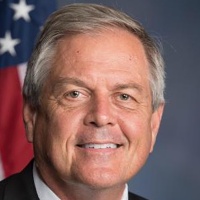
Ralph Norman
Representative
SC
Ralph Norman
Representative
SC
The Election Infrastructure Integrity Act mandates the creation of a publicly accessible database to track private vendors involved in federal election systems. States are required to report detailed vendor information, including ownership structures and contract terms, following each federal election. Failure to comply with these transparency requirements will result in the loss of federal election administration funding.
This bill mandates the Secretary of State to enhance U.S. foreign policy by improving international cooperation on biodefense, biosecurity, and biotechnology, including developing specific strategies for NATO and global partners.
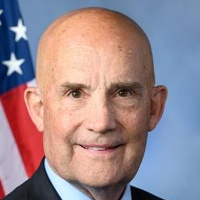
Keith Self
Representative
TX
Keith Self
Representative
TX
This bill, the Biodefense Diplomacy Enhancement Act, requires the Secretary of State to improve international cooperation on biodefense, biosecurity, and biotechnology with U.S. allies and partners. It mandates the development of two key strategies focused on enhancing biodefense cooperation within NATO and expanding global engagement on biotechnology security. The legislation aims to strengthen allied capabilities, coordinate export controls for dual-use items, and promote adherence to high safety standards globally.
This bill establishes a State Department initiative to help partner countries develop systems for screening foreign investments that threaten their national security.
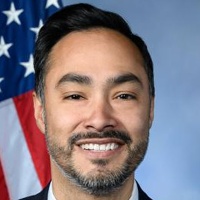
Joaquin Castro
Representative
TX
Joaquin Castro
Representative
TX
The Securing Partner Supply Chains Act establishes a temporary State Department initiative to help allied and partner nations develop their own systems for screening foreign investments that pose national security risks. This program will provide technical assistance, training, and coordination to strengthen global investment security standards. The Secretary of State is required to report annually to Congress on the progress made by these partner countries.
This act establishes financial liability for foreign persons or entities responsible for the unauthorized diversion or destruction of U.S. humanitarian assistance and mandates efforts to recover those funds.
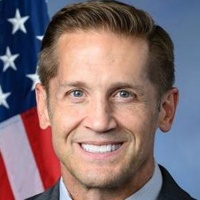
Rich McCormick
Representative
GA
Rich McCormick
Representative
GA
The Humanitarian Theft Enforcement Act establishes financial liability for foreign persons or entities that divert or destroy U.S. humanitarian assistance. The Secretary of State is required to take steps to recover the value of the lost aid. Recovered funds will be available for use by the Department of State or transferred to the original funding agency.
This act mandates the prominent display of the U.S. flag as the sole visual branding on all American foreign assistance.
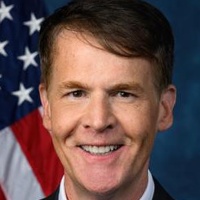
Jefferson Shreve
Representative
IN
Jefferson Shreve
Representative
IN
The American Assistance Visibility Act mandates the prominent display of the U.S. flag on all foreign assistance provided by the U.S. government. This ensures the American public and recipients clearly recognize U.S. contributions to global aid efforts. The flag must generally be the sole visual branding element, with limited exceptions authorized by the Secretary of State.
The SHADOW Act establishes diplomatic requirements and a new State Department Coordinator to counter hybrid warfare threats against U.S. interests and mandates a report on Chinese entities materially supporting Russia's defense industrial base.
Keith Self
Representative
TX
Keith Self
Representative
TX
The SHADOW Act aims to strengthen U.S. defense against hybrid warfare by requiring the State Department to assess threats and enhance diplomatic engagement with allies, particularly NATO. It establishes a new Coordinator for Hybrid Warfare Accountability to oversee information sharing and coordinate response strategies against threats from actors like China and Russia. Furthermore, the bill mandates a report identifying Chinese entities materially supporting Russia's defense industrial base and recommending appropriate countermeasures.
The PREDICT Act prohibits federal officials and their associates from trading in prediction markets tied to political event outcomes.
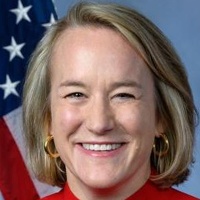
Nicole (Nikki) Budzinski
Representative
IL
Nicole (Nikki) Budzinski
Representative
IL
The PREDICT Act prohibits federal officials, including members of Congress, the President, and high-level executive and judicial employees, from trading in prediction markets tied to political events. The bill mandates financial penalties for violations, requires the disgorgement of any profits, and ensures public transparency by requiring ethics offices to disclose all assessed fines.
The Deporting Fraudsters Act of 2026 mandates the inadmissibility and deportation of non-citizens convicted of defrauding the U.S. government or unlawfully receiving public benefits.
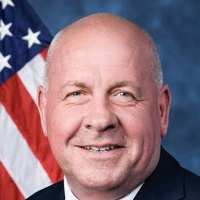
David Taylor
Representative
OH
David Taylor
Representative
OH
The Deporting Fraudsters Act of 2026 amends the Immigration and Nationality Act to make non-citizens inadmissible to and deportable from the United States if they commit fraud against the government or unlawfully receive public benefits. Additionally, the bill renders individuals convicted of these offenses ineligible for any form of immigration relief.
This resolution honors the life, distinguished coaching career, and enduring legacy of Lou Holtz, recognizing his commitment to excellence, character, and mentorship in college football.
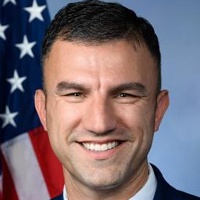
Rudy Yakym
Representative
IN
Rudy Yakym
Representative
IN
This resolution honors the life and legacy of legendary college football coach Lou Holtz. It recognizes his historic coaching career, his commitment to mentoring student-athletes, and his enduring impact on the sport through his dedication to character, faith, and excellence.
This Act establishes new federal standards and requirements for states issuing commercial driver's licenses (CDLs) to individuals who are not residents of that issuing state, particularly focusing on drivers from foreign countries and U.S. territories.
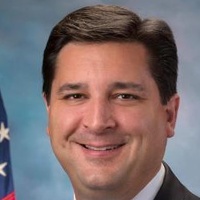
David Rouzer
Representative
NC
David Rouzer
Representative
NC
The Non-Domiciled CDL Integrity Act establishes new federal standards for states issuing Commercial Driver's Licenses (CDLs) to individuals who do not reside in that state. This bill sets specific, strict requirements for foreign nationals seeking a CDL, including proof of lawful status and job-related visas, while also outlining distinct procedures for applicants residing in U.S. territories. The legislation mandates enhanced record-keeping and reporting by states to the Secretary of Transportation regarding these non-domiciled licenses.
The NSF Plant Biology Act establishes a $150 million annual grant program at the National Science Foundation to support fundamental research in plant and microbial biology.
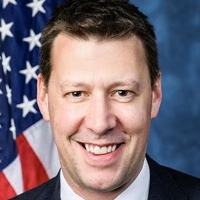
Josh Riley
Representative
NY
Josh Riley
Representative
NY
The NSF Plant Biology Act establishes a dedicated grant program within the National Science Foundation to support fundamental research in plant and microbial biology. With an authorized funding level of $150 million annually from 2026 through 2031, the act aims to advance agricultural, food, and biotechnology innovation. The program provides competitive grants to a wide range of institutions, including universities, nonprofits, and private sector entities.
This act allows first-time homebuyers to take tax-free distributions of up to \$35,000 from a 529 college savings plan under specific conditions.
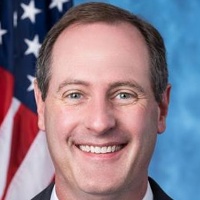
Tracey Mann
Representative
KS
Tracey Mann
Representative
KS
The First-Time Home Buyer Empowerment Act amends tax law to allow first-time homebuyers to take tax-free distributions from a 529 college savings plan for a home purchase. This special provision is subject to conditions, including a $35,000 lifetime limit per beneficiary. If the home is sold within five years, a recapture tax applies to recover the avoided income tax.
The BASICS Act reforms federal highway funding by prioritizing local decision-making, establishing a new bridge repair program, and empowering metropolitan and regional planning organizations with direct funding and expanded administrative authority.
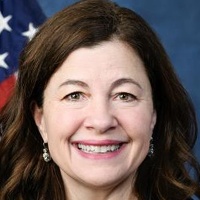
Kristen McDonald Rivet
Representative
MI
Kristen McDonald Rivet
Representative
MI
The BASICS Act (Bridges And Safety Infrastructure for Community Success Act) reforms federal transportation funding to prioritize local decision-making and infrastructure maintenance. The bill establishes a new $5.5 billion annual program for bridge repairs and replacements, while increasing support for regional and metropolitan transportation planning. Additionally, it mandates greater local consultation for project selection and streamlines the process for regional organizations to receive and manage federal transportation funds directly.
This act exempts recipients of the Purple Heart or Medal of Honor from paying U.S. passport fees.
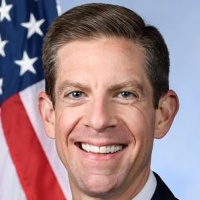
Mike Levin
Representative
CA
Mike Levin
Representative
CA
This bill, the "Passports for Purple Hearts and Medals of Honor Act," exempts recipients of the Purple Heart and Medal of Honor from paying standard U.S. passport fees. It directs the State Department to coordinate with the Department of Defense to establish verification procedures for these eligible applicants.
This Act prohibits colleges, student athletes, and related entities from entering into Name, Image, and Likeness (NIL) or other revenue agreements with entities or nationals of specified foreign countries, while imposing strict reporting and compliance requirements.
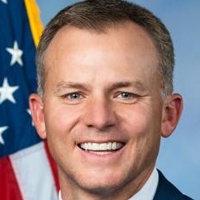
Blake Moore
Representative
UT
Blake Moore
Representative
UT
The No Foreign NIL Funds Act prohibits U.S. colleges, student-athletes, and related groups from entering into Name, Image, and Likeness (NIL) agreements or other revenue-generating contracts with entities or nationals of designated foreign countries. This legislation aims to restrict foreign influence in collegiate athletics by banning financial relationships with countries outside of NATO allies, Australia, New Zealand, and Ireland. Covered entities must report solicitations from foreign interests, and non-compliant institutions risk losing federal student aid eligibility.
This bill mandates that unspent federal agency funds be split, with most going to debt reduction, some rolled over for one year, and a small portion used for employee retention bonuses, while also limiting future budget requests.
Rich McCormick
Representative
GA
Rich McCormick
Representative
GA
The Incentivize Savings Act mandates how federal agencies must handle unspent appropriations by dedicating the majority to debt reduction and allowing a portion for employee retention bonuses. This legislation also restricts future budget requests to only account for inflation unless the agency fully spends its prior allocation. Ultimately, the bill aims to encourage fiscal responsibility by linking unspent funds to debt reduction and limiting budget growth.