Legislative Activity
Track James's sponsored bills, co-sponsored legislation, and voting record
The **Take Care of America’s Veterans Act** comprehensively reforms veteran benefits, healthcare access, education opportunities, and VA organizational structure to improve services and increase accountability across the board.
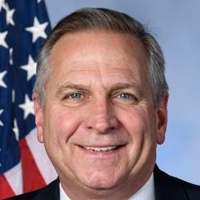
Mike Bost
Representative
IL
Mike Bost
Representative
IL
The **Take Care of America’s Veterans Act** is a comprehensive bill designed to strengthen benefits and modernize services across compensation, education, health care, and VA operations. It eliminates benefit offsets for disabled retirees, expands educational flexibility, sets new standards for timely health care access, and invests in VA technology and infrastructure. Overall, the legislation aims to provide faster, fairer, and more comprehensive support for veterans and their families.
The HAILEY Act of 2026 establishes that AMBER Alerts must only be issued for individuals under 18 who law enforcement reasonably believes to be a high-risk missing person.
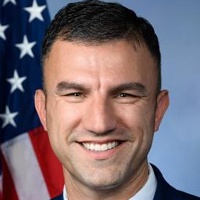
Rudy Yakym
Representative
IN
Rudy Yakym
Representative
IN
The HAILEY Act of 2026 establishes new minimum standards for issuing AMBER Alerts through the national network. Specifically, it mandates that an alert can only be issued for an individual under the age of 18. Furthermore, the bill requires law enforcement to reasonably believe the missing person meets the criteria of a high-risk missing person before an alert is disseminated.
The Jewish American Security Act aims to combat rising antisemitism through enhanced security grants, new protections for Jewish students in education, and increased transparency requirements for online platforms regarding hate speech.

Dan Goldman
Representative
NY
Dan Goldman
Representative
NY
The Jewish American Security Act addresses the rising threat of antisemitism across the nation. This bill mandates new protections for Jewish students in educational settings and significantly increases funding and administrative support for securing Jewish community institutions. Furthermore, it requires increased transparency from large online platforms regarding their moderation of antisemitic content and mandates federal assessments of domestic and transnational antisemitic threats.
This act eliminates the federal mandate for states to operate mandatory vehicle emission inspection and maintenance programs.
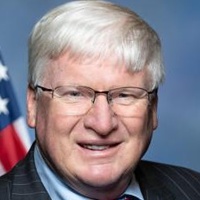
Glenn Grothman
Representative
WI
Glenn Grothman
Representative
WI
The State Emissions Authority Act of 2026 eliminates federal mandates requiring states to operate mandatory vehicle emission inspection and maintenance programs. This legislation amends the Clean Air Act to remove specific requirements for state air quality plans related to these inspections. Consequently, federal vehicles and facilities are also removed from compliance with state inspection programs.
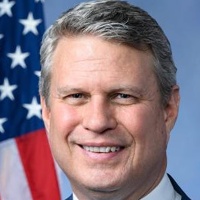
This bill establishes a temporary international workforce exchange program to send U.S. manufacturing workers abroad for training in allied nations to strengthen the domestic skilled manufacturing workforce.
Bill Huizenga
Representative
MI
Bill Huizenga
Representative
MI
The American Manufacturing Revitalization Exchange Program Act of 2026 establishes a temporary international workforce exchange program to strengthen the U.S. manufacturing sector. This program will send skilled U.S. workers to allied nations for hands-on training in strategically important manufacturing fields. The goal is to build expertise, share best practices, and develop a more skilled domestic workforce to fill critical labor gaps.
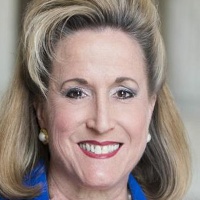
This bill updates the criteria for assessing foreign countries' efforts to reduce the demand for commercial sex acts as part of the minimum standards for eliminating human trafficking.
Ann Wagner
Representative
MO
Ann Wagner
Representative
MO
This Act updates the criteria the U.S. government uses to evaluate foreign countries' efforts to combat sex trafficking. Specifically, it requires assessing a country's actions to prohibit or implement policies against purchasing commercial sex acts. The evaluation also considers efforts to educate buyers and reduce international sex tourism by their nationals.
This bill prohibits the VA from reporting veterans to the NICS background check system solely because a fiduciary has been appointed to manage their benefits, unless a judicial authority deems them a danger to themselves or others.
Mike Bost
Representative
IL
Mike Bost
Representative
IL
The Veterans 2nd Amendment Protection Act prohibits the VA from reporting veterans to the NICS background check system solely because a fiduciary was appointed to manage their benefits. This legislation ensures that a VA finding of mental incompetence or the appointment of a fiduciary alone is not used to treat a veteran as a "mental defective" for gun control purposes. Furthermore, the VA must notify the Attorney General about past transmissions of this information that lacked a proper legal basis.
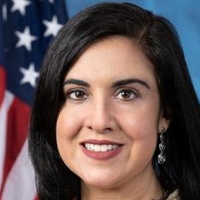
This bill establishes the Smithsonian American Women's History Museum, designates its site on the National Mall, and sets requirements for its mission, construction, and diverse representation of viewpoints.
Nicole Malliotakis
Representative
NY
Nicole Malliotakis
Representative
NY
This act officially establishes the Smithsonian American Women’s History Museum and designates its location on the National Mall, requiring the transfer of land jurisdiction to the Smithsonian Institution. The museum is mandated to preserve and present the history and achievements of biological women in the United States. Furthermore, the legislation requires that exhibits and programs reflect diverse political viewpoints and authentic experiences of women, as guided by a broad array of knowledgeable sources.
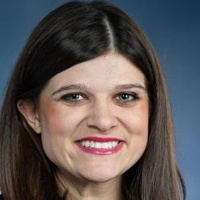
This bill reauthorizes the regional innovation program through 2030, expanding its focus to improve capital access for innovation-based businesses and encouraging participation from distressed communities.
Haley Stevens
Representative
MI
Haley Stevens
Representative
MI
The Build to Scale Reauthorization Act of 2026 updates and extends the regional innovation program through fiscal year 2030. This legislation expands the program's focus to specifically improve capital access for innovation-based businesses in designated regions. It also redefines key organizational roles and directs outreach to ensure participation from entities in rural and economically distressed communities. The Act authorizes $50 million annually for these regional innovation initiatives.
This resolution expresses strong support for law enforcement officers and recognizes their vital role in protecting communities while opposing efforts to defund police departments.
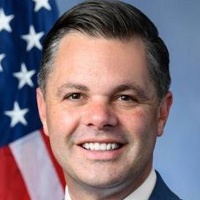
Zachary (Zach) Nunn
Representative
IA
Zachary (Zach) Nunn
Representative
IA
This resolution expresses strong support for law enforcement officers, recognizing their vital role in protecting communities and upholding the rule of law. It acknowledges the daily sacrifices officers make and affirms their essential contributions to public safety. The resolution also opposes policies that undermine law enforcement, such as defunding efforts and sanctuary policies.
This bill allows for year-round sales of E15 gasoline and restructures the Renewable Fuel Standard program by phasing out small refinery exemptions in favor of a 75% compliance obligation reduction starting in 2028.
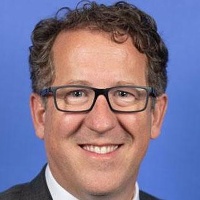
Adrian Smith
Representative
NE
Adrian Smith
Representative
NE
This bill, the Nationwide Consumer and Fuel Retailer Choice Act of 2025, makes two major changes: it allows for the year-round sale of E15 gasoline and reforms the Renewable Fuel Standard (RFS) for small refineries. The RFS reform phases out existing small refinery exemptions starting in 2028, replacing them with a 75% compliance obligation reduction. The Act also directs the EPA to update fuel infrastructure rules for E15 distribution.
The IGNITE HBCU Excellence Act authorizes competitive grants to Historically Black Colleges and Universities (HBCUs) for long-term facility improvements, technology upgrades, and infrastructure modernization, while also providing for the forgiveness of certain outstanding HBCU capital financing loans.
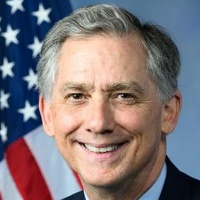
J. Hill
Representative
AR
J. Hill
Representative
AR
The IGNITE HBCU Excellence Act authorizes competitive grants to Historically Black Colleges and Universities (HBCUs) and similar institutions for long-term facility improvements, technology upgrades, and infrastructure modernization. Priority for these grants will be given to institutions demonstrating the greatest need, limited fundraising ability, and high percentages of Pell Grant recipients. The bill also mandates immediate forgiveness for certain outstanding balances on existing HBCU Capital Financing Program loans. Finally, it requires comprehensive reporting and studies to assess the program's impact and future funding needs.
The Never Fight Alone Act expands veterans' access to community-based mental health and substance use disorder residential treatment when the VA cannot provide timely care, while also restricting the VA's ability to limit community care options.
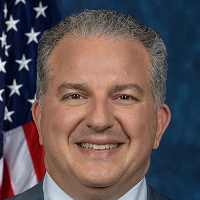
Jimmy Patronis
Representative
FL
Jimmy Patronis
Representative
FL
The Never Fight Alone Act aims to expand veterans' access to community-based mental health and substance use disorder treatment when the VA cannot provide timely residential care. It prohibits the VA from using restrictive wait times to deny eligibility for community care and ensures veterans have a choice among available care options. Furthermore, the bill mandates increased transparency through detailed reporting on community care metrics and requires Congressional approval for future changes to community care access standards.
This bill mandates the VA to share a veteran's opioid prescription history with their Community Care health care providers.
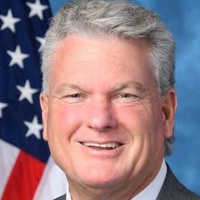
Mike Collins
Representative
GA
Mike Collins
Representative
GA
This bill mandates that the Department of Veterans Affairs (VA) share a veteran's history of opioid prescriptions with their non-VA healthcare providers participating in the Community Care program. This information sharing will occur through a designated Third Party Administrator. The goal is to ensure community providers have critical prescription history for safer veteran care.
This act expands the allowable uses for Byrne JAG and COPS grant funding to support law enforcement recruitment, equipment acquisition, cybercrime fighting, and victim services.
Ann Wagner
Representative
MO
Ann Wagner
Representative
MO
The Local Law Enforcement Support Act of 2026 expands the allowable uses for Byrne JAG Program and COPS grant funding. This legislation specifically directs funds toward critical areas such as officer recruitment and retention, acquiring advanced protective and forensic equipment, and bolstering digital crime-fighting capabilities. It also supports the enhancement of drone operations and improved victim services.
This bill amends export control laws to require special consideration for the first-time licensing of controlled items to a specific recipient and mandates annual reporting to Congress on these initial licenses.
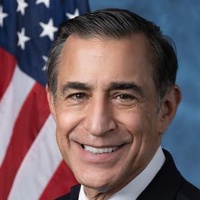
Darrell Issa
Representative
CA
Darrell Issa
Representative
CA
The Protecting American Competition Act of 2026 updates export control procedures by requiring special consideration for initial export licenses to new recipients. It mandates that the Under Secretary for Industry and Security track and report annually to Congress on these initial licenses versus subsequent applications for similar items to the same end user. This legislation aims to provide greater transparency regarding the first-time approval of controlled item exports.
This resolution expresses the sense of the House supporting the designation of a Veterans Appreciation Month in 2026 to honor those who have protected American freedom over the past 250 years.
Mike Collins
Representative
GA
Mike Collins
Representative
GA
This resolution expresses the sense of the House of Representatives to establish a "Veterans Appreciation Month" in 2026, coinciding with the nation's 250th anniversary. The goal is to focus national attention on honoring veterans and their families for their service in protecting American freedom. It encourages widespread participation from businesses, schools, and civic organizations to recognize these contributions.
This Act repeals the federal beneficial ownership information reporting requirements for domestic persons and entities, limiting them only to foreign individuals and foreign-connected companies, and mandates the deletion of existing domestic data.
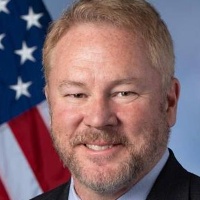
Warren Davidson
Representative
OH
Warren Davidson
Representative
OH
The Repealing Big Brother Overreach Act significantly narrows the federal beneficial ownership information reporting requirements. This legislation limits reporting obligations exclusively to foreign individuals and foreign-connected companies. Furthermore, it mandates the deletion of all previously collected data pertaining to domestic persons and entities.
This bill removes references to "socially disadvantaged farmers and ranchers" across federal agriculture laws and prohibits the USDA from giving preference based on race or gender in its programs.
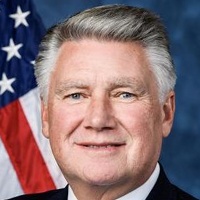
Mark Harris
Representative
NC
Mark Harris
Representative
NC
The Equal Treatment for Farmers Act amends federal agriculture laws to remove "socially disadvantaged farmers and ranchers" as a distinct category for program eligibility, set-asides, and definitions across various USDA programs. This legislation also explicitly prohibits the Department of Agriculture from giving any preference or priority based on race or gender in its programs. The bill aims to standardize eligibility criteria across farm loans, crop insurance, and conservation efforts.
This bill prohibits U.S. direct assistance to Somalia, encourages restrictions on remittances, and imposes visa and other sanctions on Somali officials involved in corruption or aiding terrorist organizations.
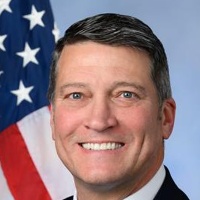
Ronny Jackson
Representative
TX
Ronny Jackson
Representative
TX
This Act prohibits direct U.S. assistance to the Federal Government of Somalia and encourages restrictions on remittances until safeguards against diversion to terrorism or corruption are confirmed. It mandates increased congressional oversight, suspends most U.S. foreign aid to the Somali government, and imposes visa restrictions and sanctions on corrupt officials. The bill also establishes a rewards program to help recover assets stolen from U.S. programs in Somalia.