Legislative Activity
Track Nanette's sponsored bills, co-sponsored legislation, and voting record
This bill prohibits immigration enforcement officers from arresting or detaining individuals at or near immigration court facilities unless there is a judicial warrant or an imminent threat.

Dan Goldman
Representative
NY
Dan Goldman
Representative
NY
The Immigration Court Due Process Protection Act of 2025 restricts Department of Homeland Security (DHS) officers from arresting or detaining individuals attending or departing from immigration court proceedings or scheduled appointments, unless a judicial warrant is present or an imminent threat exists. The bill mandates specific supervisory approval for arrests during scheduled check-ins. Furthermore, it requires the DHS Inspector General to submit an annual report to Congress detailing compliance with these new protections.
This bill authorizes the Attorney General to appoint qualified, temporary immigration judges for limited terms to assist with case backlogs while emphasizing the need for permanent appointments and rigorous training.
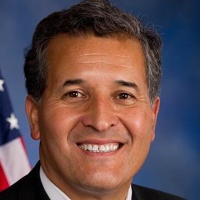
Juan Vargas
Representative
CA
Juan Vargas
Representative
CA
This bill establishes the **Temporary Immigration Judge Integrity Act** to authorize the Attorney General to appoint highly qualified, temporary immigration judges for limited terms. These temporary judges are intended to supplement, not replace, permanent judges and must meet specific experience requirements. The legislation mandates rigorous oversight, training protocols, and limits the total service time for these temporary appointments to ensure judicial integrity.
This bill amends federal law to allow Byrne JAG funds to establish and operate elder justice task forces dedicated to combating scams targeting seniors, requiring detailed reporting on their activities.
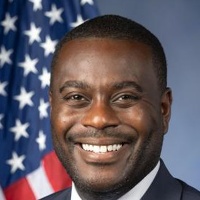
Gabe Amo
Representative
RI
Gabe Amo
Representative
RI
The STOP Scams Against Seniors Act amends existing law to allow federal Byrne JAG grant funds to be used by states and local governments to establish and operate elder justice task forces. These task forces will focus on combating financial exploitation, scams, and fraud targeting individuals aged 60 and older. The legislation also mandates detailed reporting on the task forces' activities, case outcomes, and victim support provided.
The HELP Copays Act mandates that financial assistance from non-profits and drug manufacturers must count toward a patient's deductible, copay, and out-of-pocket maximum for prescription drugs.
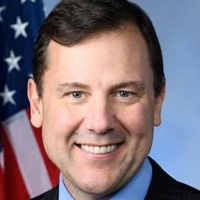
Thomas Kean
Representative
NJ
Thomas Kean
Representative
NJ
The HELP Copays Act requires that financial assistance provided by non-profit organizations and drug manufacturers must count toward a patient's deductible, copayments, and out-of-pocket maximums for prescription drugs. This change ensures that patient assistance dollars directly reduce the amount a patient must pay before their coverage fully kicks in. The legislation specifically applies to specialty drugs and those subject to utilization management. These provisions will take effect for plan years beginning on or after January 1, 2026.
The Dignity for Detained Immigrants Act establishes comprehensive standards, rigorous oversight, and new custody procedures to ensure humane treatment and due process for all noncitizens detained by the Department of Homeland Security, while phasing out for-profit detention facilities.

Pramila Jayapal
Representative
WA
Pramila Jayapal
Representative
WA
The Dignity for Detained Immigrants Act aims to overhaul immigration detention by establishing mandatory, high standards based on ABA guidelines and increasing transparency through rigorous, unannounced inspections. The bill prohibits the use of private, for-profit detention facilities within three years and ends the mandatory detention of most noncitizens, prioritizing release or community-based alternatives. Furthermore, it establishes new due process rights, including timely custody hearings, a presumption of release, and prohibitions on detaining children or using solitary confinement.
This Act officially recognizes the installation of mechanical insulation in federal buildings as a qualifying energy or water efficiency measure.
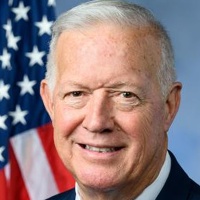
Randy Weber
Representative
TX
Randy Weber
Representative
TX
The Federal Mechanical Insulation Act officially recognizes the installation of mechanical insulation in federal buildings as a qualifying energy or water efficiency measure. This legislation defines compliant mechanical insulation as meeting or exceeding ASHRAE Standard 90.1 requirements and resulting in energy loss reduction. Furthermore, the Act mandates that comprehensive evaluations of federal buildings must identify these specific energy and water-saving insulation opportunities.
This act rescinds significant immigration enforcement funding while establishing multiple new tax credits aimed at increasing housing affordability for first-time buyers, builders of starter homes, and renters, alongside incentives for converting commercial buildings into affordable housing.
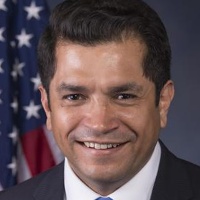
Jimmy Gomez
Representative
CA
Jimmy Gomez
Representative
CA
The Make Housing Affordable and Defend Democracy Act aims to increase housing accessibility through several tax incentives while simultaneously rescinding significant funding previously allocated for immigration enforcement. Key provisions establish new tax credits for first-time homebuyers, builders of starter homes, and the conversion of commercial buildings into affordable rentals. Additionally, the bill introduces a Renter Tax Credit for those spending over 30% of their income on rent, with an option for monthly advance payments.
This resolution commemorates World AIDS Day by recognizing global and domestic progress, highlighting ongoing challenges, and encouraging continued support for ending the HIV epidemic by 2030.
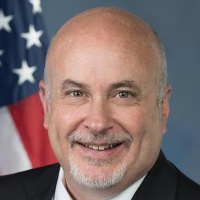
Mark Pocan
Representative
WI
Mark Pocan
Representative
WI
This resolution commemorates World AIDS Day and recognizes significant progress made in combating HIV/AIDS globally and domestically through programs like PEPFAR and the Ryan White Act. It highlights ongoing challenges, particularly disparities in impact, while encouraging continued robust funding for research, prevention, and treatment efforts worldwide. The resolution supports the goal of ending the HIV epidemic by 2030 through zero new transmissions and zero discrimination.
This bill establishes an interagency program to standardize and annually report on national food insecurity and hunger through mandated surveys.
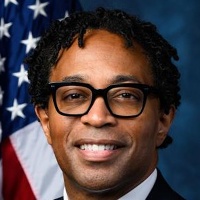
Wesley Bell
Representative
MO
Wesley Bell
Representative
MO
The Food Assurance and Security Act establishes a mandatory, interagency program to annually measure and report on food insecurity and hunger in the United States. This program requires the Census Bureau to conduct a standardized food security supplement as part of its Current Population Survey. The resulting data will be analyzed and published by the Department of Agriculture in an annual public report submitted to Congress.
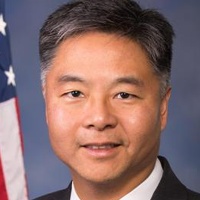
The LEAD Act of 2025 prohibits the use of lead ammunition on all lands and waters managed by the U.S. Fish and Wildlife Service, mandating the use of certified nonlead alternatives.
Ted Lieu
Representative
CA
Ted Lieu
Representative
CA
The LEAD Act of 2025 seeks to prohibit the use of lead ammunition on all lands and waters managed by the U.S. Fish and Wildlife Service due to documented health and environmental risks. This legislation mandates the creation of a certified list of approved nonlead ammunition alternatives for use on these federal lands. The bill establishes civil penalties for knowing violations of this new prohibition.
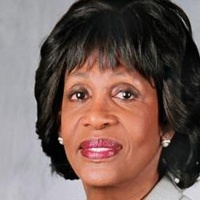
This act establishes a grant program to fund diabetes treatment and prevention services in medically underserved urban and rural communities.
Maxine Waters
Representative
CA
Maxine Waters
Representative
CA
The Urban and Rural Diabetes Initiative Act establishes a new grant program to improve diabetes treatment access in medically underserved urban and rural areas. This funding supports eligible health providers in offering comprehensive diabetes care, including routine treatment, education, and specialized services like eye and foot care. The Secretary of Health and Human Services will award these grants, ensuring equitable distribution across both urban and rural communities.
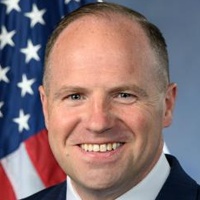
This bill requires the FEMA Administrator to manage the Next Generation Warning System grant program and mandates research and development to improve emergency warning system accessibility and resiliency.
Timothy Kennedy
Representative
NY
Timothy Kennedy
Representative
NY
This bill mandates that the FEMA Administrator administer the Next Generation Warning System grant program. It requires the immediate disbursement of obligated 2022 funds and the initiation of grant awards for fiscal years 2023 and 2024. Additionally, the bill calls for research and development to improve the accessibility, resiliency, and security of emergency warning systems.
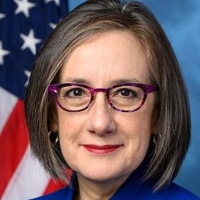
This act establishes a national mental health awareness campaign, funds studies on the mental health crisis and workforce shortages, and seeks to improve mental health outcomes for Latino youth.
Andrea Salinas
Representative
OR
Andrea Salinas
Representative
OR
The Latino Youth Mental Health Empowerment Act aims to address the significant mental health challenges faced by Hispanic and Latino youth. It establishes a national, culturally competent awareness and outreach campaign to reduce stigma and increase access to care. Furthermore, the bill mandates comprehensive studies to better understand the scope of the youth mental health crisis and the shortage of Latino mental health professionals.
The Find It Early Act mandates no-cost coverage for additional, recommended breast cancer screenings for high-risk individuals across private insurance, Medicare, Medicaid, TRICARE, and VA health programs starting in 2026.

Rosa DeLauro
Representative
CT
Rosa DeLauro
Representative
CT
The Find It Early Act mandates that certain individuals at increased risk for breast cancer receive additional, recommended screenings with no out-of-pocket costs. This coverage requirement applies across private health plans, Medicare, Medicaid, TRICARE, and the Department of Veterans Affairs. These provisions are set to take effect starting January 1, 2026.
This Act prohibits discrimination based on religion, sex, or marital status in federally funded child welfare services to improve outcomes for all children, especially LGBTQ youth.
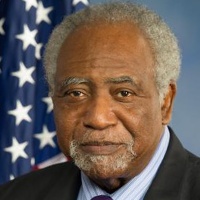
Danny Davis
Representative
IL
Danny Davis
Representative
IL
The John Lewis Every Child Deserves a Family Act prohibits discrimination based on religion, sex, or marital status in federally funded child welfare services. This aims to increase the number of stable, family-like placements for children, especially for LGBTQ youth who are overrepresented in foster care. The bill mandates federal guidance, training, and data collection to improve safety and well-being outcomes for all children involved in the system.
This bill expands Medicare coverage for medical nutrition therapy services to treat a wider range of chronic conditions and allows more healthcare providers to order these services.
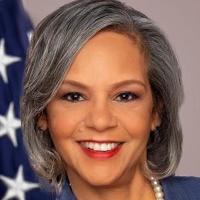
Robin Kelly
Representative
IL
Robin Kelly
Representative
IL
This bill, the Medical Nutrition Therapy Act of 2025, aims to significantly expand Medicare coverage for medical nutrition therapy services. It broadens the list of covered chronic conditions beyond diabetes and kidney disease to include obesity, hypertension, cancer, and more. Furthermore, the legislation allows a wider range of healthcare providers, such as nurse practitioners and physician assistants, to order these medically necessary nutrition services.
This bill officially renames the United States Postal Service facility at 28201 Franklin Parkway in Santa Clarita, California, as the "Deputy Ryan Clinkunbroomer Post Office Building."
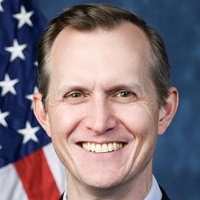
George Whitesides
Representative
CA
George Whitesides
Representative
CA
This bill officially designates the United States Postal Service facility at 28201 Franklin Parkway in Santa Clarita, California, as the "Deputy Ryan Clinkunbroomer Post Office Building." The legislation ensures that all future official references to this location will use the new name.
This act mandates Medicare coverage for FDA-approved early detection screening tests for Alzheimer's disease and related dementias beginning in 2028.
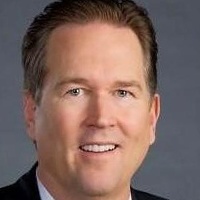
Vern Buchanan
Representative
FL
Vern Buchanan
Representative
FL
The Alzheimer’s Screening and Prevention Act of 2025 (ASAP Act) amends Medicare to cover early detection screening tests for Alzheimer's disease and related dementias starting in 2028. This coverage applies to FDA-cleared tests, including genomic sequencing and other equivalent diagnostic methods, designed to detect pre-symptomatic or early-stage conditions. The bill ensures these screenings are added to the list of covered medical services under Medicare.
This bill establishes sanctions against foreign individuals responsible for human rights violations against LGBTQI people and mandates enhanced tracking and reporting of such abuses in annual human rights reports.
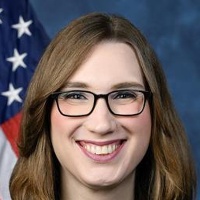
Sarah McBride
Representative
DE
Sarah McBride
Representative
DE
The Global Respect Act aims to promote and protect the human rights of LGBTQI individuals worldwide. It mandates the President to identify and report foreign persons responsible for human rights violations against LGBTQI people, leading to their inadmissibility to the United States. Furthermore, the Act requires enhanced tracking and reporting of violence and discrimination targeting individuals based on sexual orientation, gender identity, or sex characteristics in the annual human rights reports.
This resolution expresses support for designating November 20 to December 20, 2025, as "National Survivors of Homicide Victims Awareness Month" to recognize survivors' needs and advocate for improved support and justice.
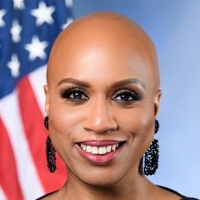
Ayanna Pressley
Representative
MA
Ayanna Pressley
Representative
MA
This resolution expresses support for designating November 20 to December 20, 2025, as "National Survivors of Homicide Victims Awareness Month." It recognizes the trauma experienced by survivors and affirms their need for dignified treatment and comprehensive support services. The bill also calls for improving behavioral health resources for survivors and increasing the national homicide clearance rate. Finally, it encourages the public to promote awareness, combat violence, and respond to grieving families with compassion.