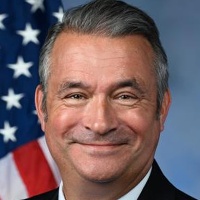
Legislative Activity
Track Don's sponsored bills, co-sponsored legislation, and voting record
This bill extends enhanced premium tax credits through 2027, establishes new anti-fraud measures for health insurance enrollment, and extends the 2026 open enrollment period.
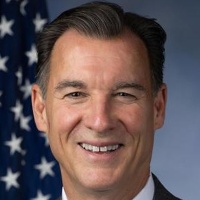
Thomas Suozzi
Representative
NY
Thomas Suozzi
Representative
NY
The Bipartisan Healthcare Optimization, Protection, and Extension (HOPE) Act extends enhanced premium tax credits for health insurance through 2027, making coverage more affordable for eligible individuals. The bill also establishes significant new guardrails and penalties to prevent fraud in health insurance enrollment through the Exchanges. Finally, it extends the annual open enrollment period for the 2026 plan year.
This Act establishes a study on job training programs for foster youth and creates a grant program to expand their access to apprenticeships and technical training.
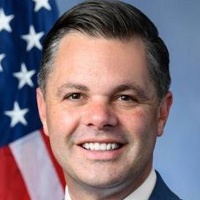
Zachary (Zach) Nunn
Representative
IA
Zachary (Zach) Nunn
Representative
IA
The Fostering the Future for American Children and Families Act aims to improve career readiness for current and former foster youth. It mandates a comprehensive study on existing job training and apprenticeship programs serving this population. Furthermore, the bill establishes a grant program to expand access to industry-aligned technical training and modernizes how existing education vouchers can be used for short-term, credential-granting opportunities.
This bill, the HOPE Act, extends premium tax credit eligibility, establishes strict penalties for fraudulent enrollment practices by agents and brokers, and implements new consumer protection and oversight measures for health insurance exchanges.
Thomas Suozzi
Representative
NY
Thomas Suozzi
Representative
NY
This bill, the Bipartisan Healthcare Optimization, Protection, and Extension (HOPE) Act, modifies premium tax credit rules for health insurance coverage through 2027 and significantly strengthens consumer protections against fraudulent enrollment practices by agents and brokers. It establishes new civil and criminal penalties for providing false enrollment information and mandates verification processes to ensure consumer consent and accurate coverage. The legislation also extends the 2026 open enrollment period and requires Exchanges to notify individuals of their premium tax credit value before enrollment.
The PLAY Act establishes an interagency task force to improve coordination and develop recommendations for enhancing child wellness infrastructure, focusing on safe and accessible play and outdoor spaces.
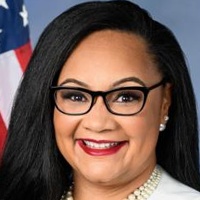
Nikema Williams
Representative
GA
Nikema Williams
Representative
GA
The PLAY Act establishes the Prioritizing Lifestyle and Activity for Youth Act to recognize playgrounds and green spaces as vital public health infrastructure for children's development and well-being. The bill creates an Interagency Task Force on Child Wellness and Physical Activity Infrastructure to improve coordination across federal agencies. This Task Force will identify barriers to access and develop recommendations for building evidence-based play environments that promote health and community resilience.
The ADOPT Act of 2025 establishes federal crimes for unlawful adoption practices, such as using unlicensed intermediaries or making unauthorized payments, to protect families and prevent child commodification in private interstate adoptions.
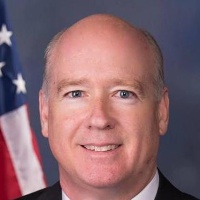
Robert Aderholt
Representative
AL
Robert Aderholt
Representative
AL
The ADOPT Act of 2025 aims to protect families and prevent the commodification of children in private domestic interstate adoptions. It establishes new federal crimes for unlicensed intermediaries who illegally solicit placements or make unauthorized payments to placing parents. The legislation ensures access to licensed and regulated adoption providers by creating clear exceptions for authorized professionals and agencies.
This resolution expresses the sense of the House supporting the fundamental rights and protections for youth in the foster care system.
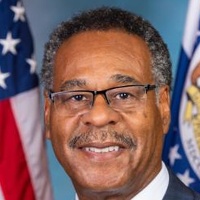
Emanuel Cleaver
Representative
MO
Emanuel Cleaver
Representative
MO
This House Resolution expresses the sense of Congress in support of the rights of youth currently or formerly in the foster care system. It highlights concerning statistics regarding educational attainment and maltreatment within the system. The resolution affirms that foster youth should have specific rights, including access to education, necessary healthcare, and protection from abuse.
This bill mandates a comprehensive threat assessment and strategic plan from the Secretary of Homeland Security regarding the criminal organization Tren de Aragua's impact on U.S. border security.
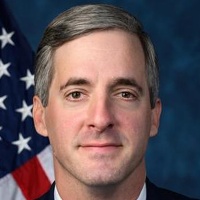
Brad Knott
Representative
NC
Brad Knott
Representative
NC
This Act requires the Secretary of Homeland Security to conduct a comprehensive border threat assessment on the criminal organization Tren de Aragua. Following this assessment, the Secretary must submit a strategic plan detailing how to counter the identified threats along the nation's borders. The legislation aims to enhance security by focusing federal efforts against this specific transnational criminal organization.
This act establishes the National Strategy for School Security Act of 2025, requiring the Secretary of Homeland Security to develop and annually update a national strategy to secure schools from terrorism threats.
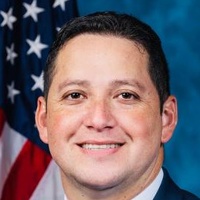
Ernest Gonzales
Representative
TX
Ernest Gonzales
Representative
TX
The National Strategy for School Security Act of 2025 mandates the creation of a comprehensive national strategy to secure K-12 schools from terrorism threats. This strategy, developed by the Secretary of Homeland Security in collaboration with the Secretary of Education, must detail all federal security programs, identify vulnerabilities, and outline goals for improvement. The strategy must be submitted to Congress within one year and updated annually through 2033.
This Act establishes grant programs and student loan repayment to increase the number of mental health service providers working in low-income schools.
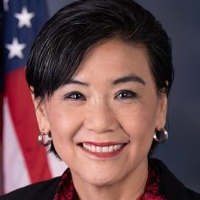
Judy Chu
Representative
CA
Judy Chu
Representative
CA
The Increasing Access to Mental Health in Schools Act establishes grant programs to build pipelines that train and place more mental health providers in low-income schools. It also creates a student loan repayment program for providers who commit to working in these underserved districts for five years. The bill aims to improve student support ratios by increasing the number of school counselors, psychologists, and social workers in high-need areas. Finally, it mandates a study to develop future criteria for identifying areas with mental health provider shortages.
This bill requires the Department of Defense to report on options for reducing the frequency of permanent military moves and sea-shore rotations.
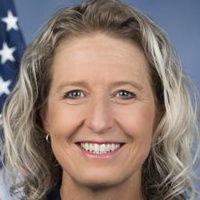
Jennifer Kiggans
Representative
VA
Jennifer Kiggans
Representative
VA
This bill, the Supporting Tours Across Years (STAY) Act, requires the Department of Defense to submit a report analyzing options for reducing the frequency of permanent military moves (PCS) and sea-shore rotations. The report must assess the costs, potential savings, and impacts on military families, while identifying opportunities for longer, more stable assignments. Ultimately, it seeks recommendations for policy changes to implement reduced rotation schedules without harming mission readiness.
This bill mandates the regular publication of evidence-based physical activity recommendations by the Secretary of Health and Human Services for the American public.
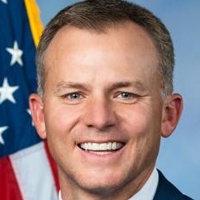
Blake Moore
Representative
UT
Blake Moore
Representative
UT
The Promoting Physical Activity for Americans Act mandates the Secretary of Health and Human Services to regularly publish evidence-based physical activity recommendations for the public. These reports must include specific guidance for various population subgroups and be updated at least every ten years. The legislation ensures federal health programs consider these national guidelines while protecting existing research authority and preventing the establishment of binding federal fitness standards.
This act expands eligibility for certain USDA programs to include agricultural cooperatives with fewer than 2,500 employees.
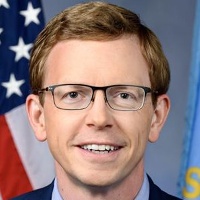
Dusty Johnson
Representative
SD
Dusty Johnson
Representative
SD
The Agricultural Cooperative Energy Savings Act of 2025 expands eligibility for certain USDA programs by including agricultural cooperatives with fewer than 2,500 employees. This amendment modifies the Farm Security and Rural Investment Act of 2002 to broaden access to these federal resources for a wider range of agricultural cooperatives.
The NEST Act establishes provisions for purchasing and distributing essential newborn supply kits to mothers and infants using reserved federal funds.

Julia Letlow
Representative
LA
Julia Letlow
Representative
LA
The Newborns Essentials Support Toolkit (NEST) Act establishes a program to purchase and distribute essential supply kits to mothers recovering from childbirth and their newborn infants. These kits will contain necessary supplies, educational materials on maternal health resources, and information on federal support programs. The legislation reserves federal funds from 2026 through 2030 to award grants to nonprofit entities for the nationwide distribution of these kits, prioritizing areas of greatest need.
This act prohibits workforce reductions within the Drug Enforcement Administration's laboratory personnel due to spending cuts or reprogramming of funds.
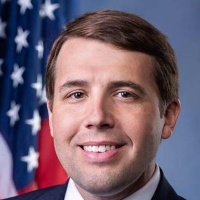
Chris Pappas
Representative
NH
Chris Pappas
Representative
NH
The LAB Personnel Act of 2025 aims to stabilize the Drug Enforcement Agency's (DEA) laboratory workforce by prohibiting workforce reductions or hiring freezes within their forensic and related positions. This measure ensures continuity in critical laboratory functions, such as forensic chemistry and digital examination. However, the Act preserves the Attorney General's authority to manage personnel based on misconduct or performance issues.
This resolution expresses Congress's strong support for the enduring strategic partnership between the United States and India, emphasizing shared democratic values, defense cooperation, and mutual interests in the Indo-Pacific.
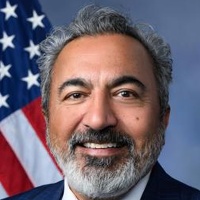
Ami Bera
Representative
CA
Ami Bera
Representative
CA
This resolution expresses the sense of Congress recognizing the strategic value of the long-standing partnership between the United States and India, founded on shared democratic values and mutual interests. It highlights the deep cooperation across defense, technology, counterterrorism, and economic ties. The bill encourages the expansion of this relationship to ensure a free and open Indo-Pacific.
This resolution expresses Congressional support for the Republic of Kazakhstan's accession to the Abraham Accords, recognizing the strategic and economic benefits for the region.
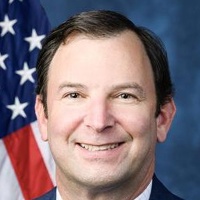
Craig Goldman
Representative
TX
Craig Goldman
Representative
TX
This resolution expresses strong Congressional support for the Republic of Kazakhstan's accession to the Abraham Accords, marking it as the first Central Asian nation to join. The bill highlights the strategic and economic benefits for participating nations, including investment, technology, and tourism. It encourages both Israel and Kazakhstan to deepen their bilateral ties and urges other nations to normalize relations with Israel. Ultimately, this measure supports the expansion of the Accords to promote regional peace and prosperity.
This Act expands VA headstone and marker eligibility to honor the graves of certain enslaved individuals and those who performed military functions despite being legally barred from service.
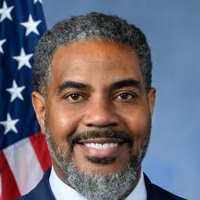
Steven Horsford
Representative
NV
Steven Horsford
Representative
NV
The Headstones for Honor Act expands VA eligibility for official headstones, markers, or medallions to include graves of certain enslaved individuals who accompanied service members and those who performed military functions despite being legally barred from service due to discrimination. This legislation ensures recognition for these historically overlooked contributors to military efforts. The Secretary of Veterans Affairs is required to establish regulations for implementation within one year of enactment.
This bill mandates an annual increase in VA disability compensation and dependency and indemnity compensation rates, tied to the Social Security Act's cost-of-living adjustments.
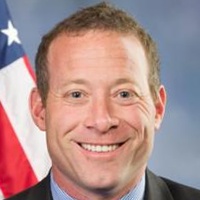
Josh Gottheimer
Representative
NJ
Josh Gottheimer
Representative
NJ
This bill mandates an annual increase in compensation rates for veterans with service-connected disabilities and for the survivors of certain disabled veterans. Effective December 1st each year, these rates will automatically rise by the same percentage as the Social Security Act benefit increase. The Secretary of Veterans Affairs is required to publish these adjusted compensation and dependency/indemnity rates annually.
This bill extends and modifies the premium tax credit, improves Medicare Advantage risk adjustment using more diagnostic data, and increases penalties and oversight to reduce fraudulent enrollment in qualified health plans.
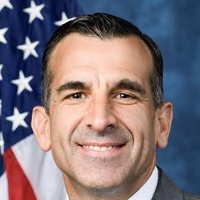
Sam Liccardo
Representative
CA
Sam Liccardo
Representative
CA
This bill temporarily extends and modifies the enhanced premium tax credit for health insurance through 2027. It also introduces significant changes to Medicare Advantage risk adjustment by requiring the use of two years of diagnostic data starting in 2026. Finally, the legislation aims to reduce fraudulent enrollment in health plans by increasing civil and criminal penalties for agents and brokers and establishing new consumer protection and oversight processes.
This Act establishes a working group to collect and analyze data on veteran suicides and attempted suicides occurring on VA property and requires annual reporting on prevention recommendations.
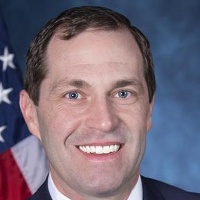
Jason Crow
Representative
CO
Jason Crow
Representative
CO
The Veterans’ Sentinel Act mandates the Department of Veterans Affairs (VA) to annually evaluate statistical trends of veteran suicides and attempted suicides occurring on VA property and develop prevention recommendations. It establishes a working group to collect and analyze comprehensive data on these incidents, including root cause analysis and behavioral health autopsy information. This group will also work to unify and improve the VA's data collection processes for on-campus veteran suicides. The Secretary must report on the working group's progress and findings to Congress annually.