Legislative Activity
Track Don's sponsored bills, co-sponsored legislation, and voting record
This bill establishes an annual national observance called Anti-Communism Week to honor victims of communism and reaffirm the United States' commitment to liberty.
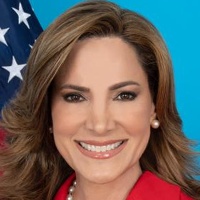
Maria Salazar
Representative
FL
Maria Salazar
Representative
FL
This bill establishes "Anti-Communism Week" as a national observance to remember the devastation caused by communism and honor its victims. It directs the President to issue an annual proclamation calling for appropriate ceremonies and activities across the United States. The legislation reaffirms the nation's commitment to liberty and human dignity over communist ideology.
This bill directs the Secretary of Defense to establish a pilot program sending informational text messages to service members and their dependents at Marine Corps bases in Okinawa, Japan.
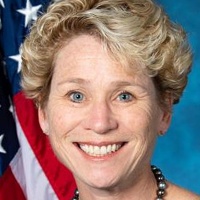
Chrissy Houlahan
Representative
PA
Chrissy Houlahan
Representative
PA
This bill directs the Secretary of Defense to establish a pilot program to deliver timely and relevant information via text message to service members and their adult dependents stationed at Marine Corps bases in Okinawa, Japan. The program will automatically enroll recipients, who will receive updates on employment, childcare, TRICARE benefits, and policy changes. The Secretary must report on the program's implementation, usage, and recommendations for potential expansion by October 2027.
This Act expands the Continuum of Care program to allow federal funds to cover the cost of furniture provided by furniture banks for individuals transitioning out of homelessness.
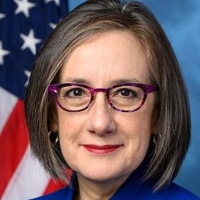
Andrea Salinas
Representative
OR
Andrea Salinas
Representative
OR
The Housing to Homes Act of 2025 expands the Continuum of Care homeless assistance program to allow federal funds to cover the costs of providing essential household furnishings through furniture banks to individuals and families transitioning out of homelessness. This provision aims to combat "furniture poverty" and stabilize housing placements. The law includes reporting requirements on the impact of this change and will expire five years after enactment.
This bill increases the federal government's share of airport development project costs to 95% for airports receiving essential air service or those located in U.S. territories that were eligible points in 1978.
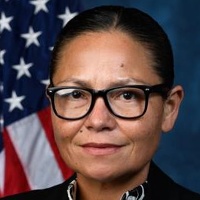
Kimberlyn King-Hinds
Representative
MP
Kimberlyn King-Hinds
Representative
MP
The TASA Act of 2025 amends federal law to increase the U.S. government's share of airport development project costs to 95% under specific conditions. This higher federal funding applies to airports receiving essential air service or those located in U.S. territories that were eligible points in 1978. This legislation aims to provide enhanced financial support for critical airport infrastructure in these areas.
This Act officially recognizes the installation of mechanical insulation in federal buildings as a qualifying energy or water efficiency measure.
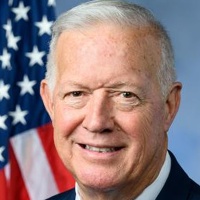
Randy Weber
Representative
TX
Randy Weber
Representative
TX
The Federal Mechanical Insulation Act officially recognizes the installation of mechanical insulation in federal buildings as a qualifying energy or water efficiency measure. This legislation defines compliant mechanical insulation as meeting or exceeding ASHRAE Standard 90.1 requirements and resulting in energy loss reduction. Furthermore, the Act mandates that comprehensive evaluations of federal buildings must identify these specific energy and water-saving insulation opportunities.
This bill designates the Muslim Brotherhood and its affiliates as terrorist organizations, imposing strict prohibitions and immigration consequences for its members.
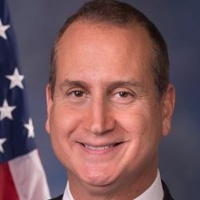
Mario Diaz-Balart
Representative
FL
Mario Diaz-Balart
Representative
FL
The Muslim Brotherhood Terrorist Designation Act of 2025 seeks to formally prohibit the operations of the Muslim Brotherhood and its affiliates within the United States by applying existing anti-terrorism restrictions. This legislation mandates the Secretary of State to annually report on all Muslim Brotherhood branches globally, leading to the imposition of sanctions by the President on those entities. Furthermore, the bill establishes immigration consequences, including visa cancellation, for members of the organization.
This Act establishes a "Mega-Decade Sports Diplomacy Strategy" to leverage major U.S.-hosted sporting events between 2024 and 2034 to enhance America's global standing and diplomatic ties through a newly established Office of Sports Diplomacy.
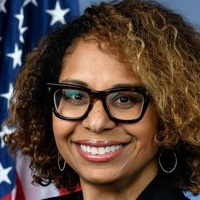
Sydney Kamlager-Dove
Representative
CA
Sydney Kamlager-Dove
Representative
CA
The American Decade of Sports Act establishes a "Mega-Decade Sports Diplomacy Strategy" to leverage major international sporting events hosted in the U.S. between 2024 and 2034 to enhance America's global standing. This requires the State Department to create comprehensive 5-year plans detailing diplomatic goals, partnerships, and visa facilitation efforts. Furthermore, the Act mandates the creation of a dedicated Office of Sports Diplomacy to coordinate and execute these strategy objectives across government and private sectors. The Secretary of State must provide annual progress reports to Congress on the implementation of these goals until the end of 2034.
This resolution celebrates the 50th anniversary of the Individuals with Disabilities Education Act (IDEA) and recognizes its profound, transformative impact on ensuring a free, appropriate public education for children with disabilities.
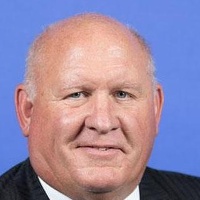
Glenn Thompson
Representative
PA
Glenn Thompson
Representative
PA
This resolution celebrates the 50th anniversary of the Individuals with Disabilities Education Act (IDEA), recognizing its landmark achievement in guaranteeing a free, appropriate public education for every child with a disability. It honors the law's transformative impact since 1975, which ensured access, protected rights, and established critical early intervention services. The resolution reaffirms the commitment to fully implementing IDEA so all students with disabilities have the opportunity to thrive.
This act establishes a grant program to help colleges and universities create and operate dedicated Student Veteran Centers to support the academic and transitional success of student veterans.
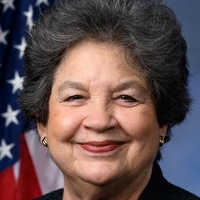
Lois Frankel
Representative
FL
Lois Frankel
Representative
FL
The Veteran Education Empowerment Act establishes a grant program to help colleges and universities create and operate dedicated Student Veteran Centers. These centers will serve as centralized hubs to coordinate academic support, transition services, and community building for student veterans. The bill authorizes funding for these grants, which can be used for establishing and operating the centers, with specific reporting requirements to track effectiveness.
The Mikaela Naylon Give Kids a Chance Act primarily focuses on enhancing pediatric drug research, ensuring completion of pediatric study requirements, extending incentives for rare pediatric disease treatments, and making targeted updates to FDA and organ transplant network operations.
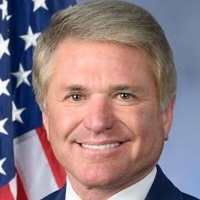
Michael McCaul
Representative
TX
Michael McCaul
Representative
TX
The Mikaela Naylon Give Kids a Chance Act focuses primarily on improving pediatric drug development and ensuring patient access to necessary treatments. This legislation mandates new research requirements for molecularly targeted pediatric cancer drugs, strengthens FDA enforcement of pediatric study completion, and extends incentives for developing drugs for rare pediatric diseases. Additionally, the bill updates organ transplant network functions and establishes an Abraham Accords Office within the FDA to enhance international regulatory cooperation.
This resolution recognizes the Ukrainian famine of 1932-1933, the Holodomor, as a genocide engineered by the Soviet Union and condemns current Russian aggression against Ukraine.
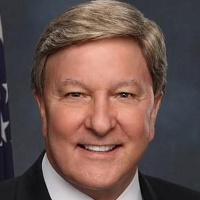
Mike Rogers
Representative
AL
Mike Rogers
Representative
AL
This resolution expresses the sense of the House of Representatives recognizing the Ukrainian famine of 1932-1933, known as the Holodomor, as a genocide perpetrated by the Soviet Union. It condemns the systematic starvation and repression of the Ukrainian people under Soviet rule. Furthermore, the resolution remembers the victims and encourages the dissemination of information about this historical tragedy.
This resolution establishes December 1, 2025, as Chosin Few Day to recognize the 75th anniversary of the heroic and costly breakout by UN forces during the Battle of the Chosin Reservoir in the Korean War.
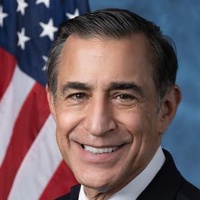
Darrell Issa
Representative
CA
Darrell Issa
Representative
CA
This resolution recognizes the 75th anniversary of the Battle of the Chosin Reservoir during the Korean conflict and designates December 1, 2025, as Chosin Few Day. It honors the courage and sacrifice of the United States and allied forces who fought in extreme conditions against overwhelming odds. The bill commemorates the successful evacuation from Hungnam and reaffirms the nation's lasting gratitude to all who served.
This bill mandates prompt notification to parents and Congress when suspected child abuse or neglect is reported within military childcare and youth programs.
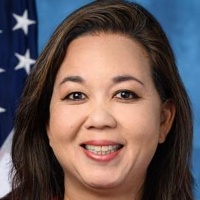
Jill Tokuda
Representative
HI
Jill Tokuda
Representative
HI
This act mandates the Department of Defense to establish a policy requiring immediate notification to parents and Congress upon the discovery of suspected child abuse or neglect within military childcare and youth programs. Covered programs must notify parents within 24 hours and relevant congressional committees and representatives within 72 hours of an allegation. This ensures transparency and timely communication regarding the safety of military dependents in care settings.
This resolution formally denounces socialism based on its historical association with totalitarianism, mass death, and economic failure, affirming the foundational principles of individual liberty and property rights.
Maria Salazar
Representative
FL
Maria Salazar
Representative
FL
This Concurrent Resolution formally denounces the ideology of socialism based on its historical outcomes. It asserts that socialist principles have consistently led to totalitarian regimes, mass atrocities, and economic collapse worldwide. The resolution contrasts these failures with the founding principles of the United States, concluding with a statement opposing the implementation of socialist policies domestically.
This resolution supports designating November 2025 as National Homeless Children and Youth Awareness Month to increase public support for programs helping homeless children and youth.
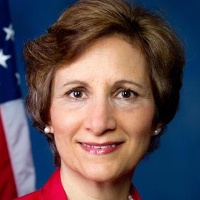
Suzanne Bonamici
Representative
OR
Suzanne Bonamici
Representative
OR
This resolution supports designating November 2025 as "National Homeless Children and Youth Awareness Month." The goal is to increase public awareness regarding the severe challenges faced by children and youth experiencing homelessness. This heightened awareness aims to encourage greater support for effective programs designed to help these vulnerable individuals. The measure commends the ongoing efforts of various groups working to prevent and address youth homelessness.
This bill amends House rules to require a 60% supermajority vote of those present and voting to censure, disapprove of, or remove a Member, Delegate, or Resident Commissioner from committee.
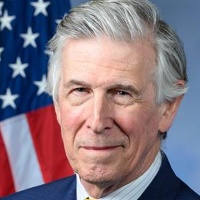
Donald Beyer
Representative
VA
Donald Beyer
Representative
VA
This bill proposes amending the House Rules to increase the threshold required for disciplinary action against a Member, Delegate, or Resident Commissioner. Specifically, it mandates that a supermajority of at least 60% of votes cast must support any resolution for censure, disapproval, or removal from committee membership. This change establishes a higher bar for imposing these specific forms of House discipline.
The FOSTER Act establishes new grant funding to support opioid abuse prevention and treatment services for children, caregivers, and kinship care families.
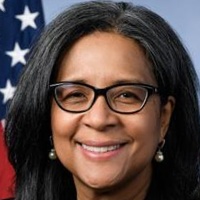
Marilyn Strickland
Representative
WA
Marilyn Strickland
Representative
WA
The FOSTER Act establishes a new grant program to provide opioid abuse prevention and treatment services specifically for children, their caregivers, and kinship care families. This legislation amends the 21st Century Cures Act to allow states to use existing grant funds for these targeted opioid services, including workforce training and healthcare. The bill authorizes significant funding through fiscal year 2033, dedicating a portion specifically to these new opioid-related supports.
This bill grants states greater flexibility to contract out Medicaid eligibility determinations and fair hearings while prohibiting conflicts of interest with managed care organizations.
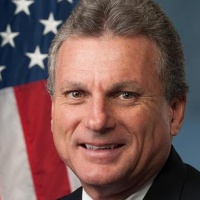
Earl Carter
Representative
GA
Earl Carter
Representative
GA
This bill, the Medicaid Staffing Flexibility and Protection Act of 2025, grants states increased flexibility to contract with external agencies or private contractors to handle Medicaid eligibility determinations, redeterminations, and fair hearings. While allowing this outsourcing, the legislation strictly prohibits contracts that create incentives to delay or deny benefits to eligible individuals. Furthermore, any contractor performing eligibility functions must have no financial relationship with Medicaid managed care organizations operating in the state.
This bill establishes Medicare coverage for genetic counseling services provided by licensed or certified genetic counselors starting in 2027.
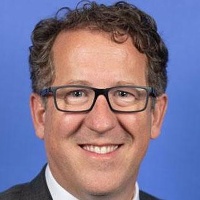
Adrian Smith
Representative
NE
Adrian Smith
Representative
NE
The Access to Genetic Counselor Services Act of 2025 aims to expand healthcare access by establishing Medicare coverage for genetic counseling services starting in 2027. This legislation defines qualified genetic counselors and sets specific payment rules for these covered services under Medicare. The bill ensures that Medicare beneficiaries can receive essential genetic counseling from licensed or certified professionals.
This act grants the Federal Energy Regulatory Commission (FERC) exclusive authority to approve or deny natural gas and LNG terminal applications, deeming such exports and imports consistent with the public interest, while preserving presidential sanction authority.
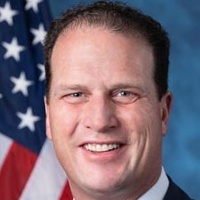
August Pfluger
Representative
TX
August Pfluger
Representative
TX
This act grants the Federal Energy Regulatory Commission (FERC) exclusive authority to approve or deny applications for natural gas and LNG export/import facilities, mandating that such actions be considered consistent with the public interest. The legislation clarifies that it does not limit the President's existing authority to impose sanctions through trade restrictions.