Legislative Activity
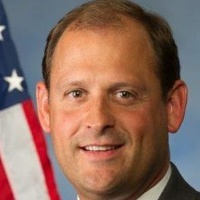
Track Andy's sponsored bills, co-sponsored legislation, and voting record
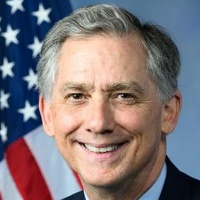
The IGNITE HBCU Excellence Act authorizes competitive grants to Historically Black Colleges and Universities (HBCUs) for long-term facility improvements, technology upgrades, and infrastructure modernization, while also providing for the forgiveness of certain outstanding HBCU capital financing loans.
J. Hill
Representative
AR
J. Hill
Representative
AR
The IGNITE HBCU Excellence Act authorizes competitive grants to Historically Black Colleges and Universities (HBCUs) and similar institutions for long-term facility improvements, technology upgrades, and infrastructure modernization. Priority for these grants will be given to institutions demonstrating the greatest need, limited fundraising ability, and high percentages of Pell Grant recipients. The bill also mandates immediate forgiveness for certain outstanding balances on existing HBCU Capital Financing Program loans. Finally, it requires comprehensive reporting and studies to assess the program's impact and future funding needs.
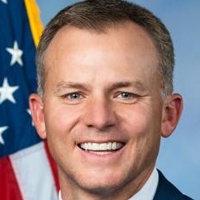
This bill expands the advanced manufacturing production tax credit to include more critical minerals, allows extraction costs to qualify for the credit, and removes the credit reduction for metallurgical coal.
Blake Moore
Representative
UT
Blake Moore
Representative
UT
The Critical Mineral and Extraction Tax Parity Act expands the advanced manufacturing production tax credit to include several new critical minerals, such as copper, silicon, and uranium. The bill also allows extraction costs for domestically sourced ore to qualify for the credit when refined into these minerals. Finally, it repeals the existing credit reduction previously applied to metallurgical coal.
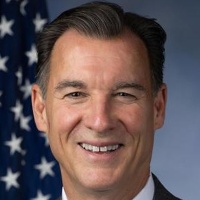
This bill affirms the strong U.S.-South Korea alliance, emphasizing its importance for security, economic growth, and shared values, while also recognizing the contributions of Korean Americans. It supports stronger ties and celebrates Korean culture.
Thomas Suozzi
Representative
NY
Thomas Suozzi
Representative
NY
This bill reaffirms the strong alliance between the United States and the Republic of Korea, emphasizing its importance for security, economic growth, and shared values. It recognizes the deep economic ties, the contributions of Korean Americans, and continued commitment to the Mutual Defense Treaty. The bill also supports strengthening security, economic, and cultural bonds between the two nations, and celebrates Korean Culture-Kimchi Day.
This Act prohibits the sale or importation of connected vehicles and components containing hardware or software from covered adversarial countries like China, Russia, Iran, and North Korea, starting in 2027.

John Moolenaar
Representative
MI
John Moolenaar
Representative
MI
The Connected Vehicle Security Act of 2026 prohibits the sale or importation of connected vehicles, hardware, or software originating from or controlled by designated "covered countries" (North Korea, China, Russia, or Iran). This measure aims to safeguard U.S. economic and national security against risks like espionage and cyber intrusion posed by foreign adversaries exploiting vehicle connectivity technology. The Secretary of Commerce is tasked with issuing regulations to enforce these bans, which begin phasing in starting in 2027, though waivers may be granted under specific national security conditions.
This bill strengthens consumer control over personal financial data by limiting institutional sharing, granting rights to access and delete information, and establishing federal standards that preempt most state privacy laws.
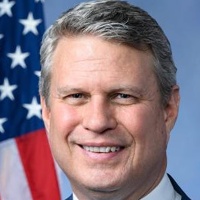
Bill Huizenga
Representative
MI
Bill Huizenga
Representative
MI
This bill significantly strengthens consumer control over personal financial data by limiting what financial institutions can collect and share, and granting customers the right to opt-out, view, or delete their information at any time. It also establishes federal law as the primary authority for financial data privacy, overriding most state-level protections. Furthermore, the legislation requires regulators to consider the unique compliance challenges faced by smaller financial institutions when creating new rules.
This Act repeals the federal beneficial ownership information reporting requirements for domestic persons and entities, limiting them only to foreign individuals and foreign-connected companies, and mandates the deletion of existing domestic data.
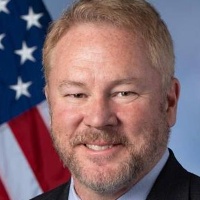
Warren Davidson
Representative
OH
Warren Davidson
Representative
OH
The Repealing Big Brother Overreach Act significantly narrows the federal beneficial ownership information reporting requirements. This legislation limits reporting obligations exclusively to foreign individuals and foreign-connected companies. Furthermore, it mandates the deletion of all previously collected data pertaining to domestic persons and entities.
This resolution expresses support for the Working Families Tax Cuts law, highlighting its broad tax relief and benefits for working families.
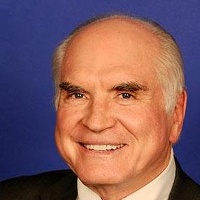
Mike Kelly
Representative
PA
Mike Kelly
Representative
PA
This resolution expresses strong support for the Working Families Tax Cuts, a law enacted to provide significant tax relief to working families. It highlights key provisions that prevent broad tax increases, deliver substantial refunds, and lower the tax burden for lower and middle-income earners. The bill affirms the benefits of policies designed to help families keep more of their earnings.
This bill prohibits U.S. direct assistance to Somalia, encourages restrictions on remittances, and imposes visa and other sanctions on Somali officials involved in corruption or aiding terrorist organizations.
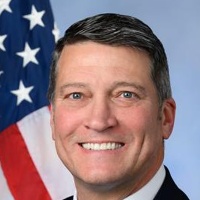
Ronny Jackson
Representative
TX
Ronny Jackson
Representative
TX
This Act prohibits direct U.S. assistance to the Federal Government of Somalia and encourages restrictions on remittances until safeguards against diversion to terrorism or corruption are confirmed. It mandates increased congressional oversight, suspends most U.S. foreign aid to the Somali government, and imposes visa restrictions and sanctions on corrupt officials. The bill also establishes a rewards program to help recover assets stolen from U.S. programs in Somalia.
This resolution expresses support for U.S. Immigration and Customs Enforcement (ICE) personnel, condemns violence against them, and calls for increased cooperation between federal and local law enforcement.
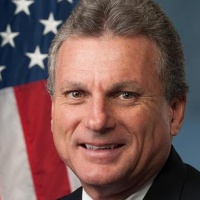
Earl Carter
Representative
GA
Earl Carter
Representative
GA
This resolution expresses formal support for U.S. Immigration and Customs Enforcement (ICE) agents and condemns the rising violence and harassment directed toward them. It highlights the agency's critical role in disrupting criminal networks and protecting U.S. communities. Furthermore, the bill calls for increased cooperation between federal and local law enforcement to ensure the safety of those tasked with upholding the nation's immigration laws.
This resolution condemns China's coercive actions against Japan following statements on Taiwan and reaffirms the U.S. commitment to its Indo-Pacific allies.
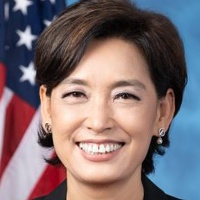
Young Kim
Representative
CA
Young Kim
Representative
CA
This resolution condemns the People's Republic of China's coercive military and economic actions against Japan following statements regarding Taiwan. It reaffirms the strong U.S.-Japan alliance and commitment to regional stability. Furthermore, the bill calls on the PRC to cease its pressure tactics and urges the U.S. to work with allies to counter such coercion in the Indo-Pacific.
This Act mandates the implementation of security mechanisms on advanced integrated circuit products before export to protect U.S. technology and enhance national security.
Bill Huizenga
Representative
MI
Bill Huizenga
Representative
MI
The Chip Security Act mandates the installation of security mechanisms on advanced integrated circuit products before they are exported from the United States. These requirements aim to verify chip location, prevent diversion, and protect U.S. technological leadership. The Secretary of Commerce must also study and implement additional security features to enhance export control enforcement and national security.
The SHARE Act excludes certain proceeds from shared appreciation mortgages from federal income tax for qualifying low-to-moderate-income homeowners.
Blake Moore
Representative
UT
Blake Moore
Representative
UT
The SHARE Act proposes to amend the Internal Revenue Code to exclude certain proceeds from shared appreciation mortgages from federal gross income for eligible borrowers. This means borrowers would not pay federal income tax on the shared appreciation portion of these specific second mortgages. The bill aims to provide tax relief for homeowners utilizing these unique financing arrangements.
The Native American Housing Assistance and Self-Determination Modernization Act of 2026 streamlines environmental reviews, reauthorizes critical housing funding, and expands support for tribal homeownership, veteran assistance, and infrastructure development.
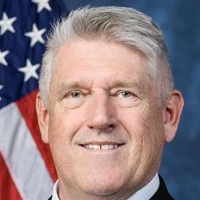
Troy Downing
Representative
MT
Troy Downing
Representative
MT
The Native American Housing Assistance and Self-Determination Modernization Act of 2026 streamlines federal housing programs to better support tribal communities. The bill simplifies environmental review processes, expands homeownership and rental assistance opportunities, and reauthorizes critical funding through 2032. Additionally, it enhances tribal authority over housing management, improves access to loan guarantees, and establishes new support programs for homeless or at-risk Native American veterans.
The Military Financial Literacy Act of 2026 mandates expanded, personalized financial and housing counseling services to better support the long-term financial stability of members of the Armed Forces.
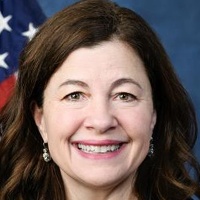
Kristen McDonald Rivet
Representative
MI
Kristen McDonald Rivet
Representative
MI
The Military Financial Literacy Act of 2026 expands and enhances financial and housing counseling services for members of the Armed Forces. The bill mandates a new, personalized one-on-one counseling program focused on credit management, budgeting, and homeownership, delivered through partnerships with qualified veteran-focused organizations. Additionally, it requires the Department of Defense to report on the program's effectiveness in improving financial stability and housing outcomes for service members.
This Act requires the Treasury Department to annually assess and report on the financial risks to the federal government from major fiscal shocks like recessions, disasters, or crises.

Ben Cline
Representative
VA
Ben Cline
Representative
VA
The Fiscal Contingency Preparedness Act mandates that the Treasury Department, in coordination with the OMB, include a new analysis of potential financial risks from major "fiscal shocks" in its annual report. This analysis must assess the short-term and long-term financial impacts of events like recessions, natural disasters, or cyber attacks on the federal government. The Government Accountability Office (GAO) will subsequently review the methodology and findings of this new fiscal assessment.
The Enhanced Iran Sanctions Act of 2025 mandates broad economic and immigration sanctions on foreign individuals, entities, and financial institutions that support Iran’s nuclear, missile, drone, or terrorist activities, while specifically targeting the country's petroleum and petrochemical sectors.
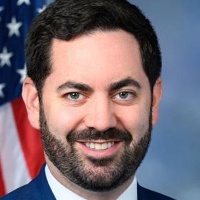
Michael Lawler
Representative
NY
Michael Lawler
Representative
NY
The Enhanced Iran Sanctions Act of 2025 strengthens U.S. policy by imposing mandatory sanctions on foreign persons and financial institutions that support Iran’s nuclear, ballistic missile, drone, and terrorist activities. The bill specifically targets Iran’s petroleum and petrochemical sectors to cut off funding for these malign programs. Additionally, it expands the State Department’s "Rewards for Justice" program to incentivize the reporting of individuals who evade these sanctions.
This bill allows states to opt out of federal interest rate rules for loans made by financial institutions chartered within their borders.
Warren Davidson
Representative
OH
Warren Davidson
Representative
OH
The American Lending Fairness Act of 2026 grants states the authority to opt out of certain federal interest rate rules for loans made by financial institutions chartered within their borders. This allows states to establish their own interest rate standards for state-chartered banks and credit unions through legislative action or voter approval. The bill repeals an existing, similar provision from 1980, applying the new opt-out mechanism retroactively to prior state actions.
The Iran Human Rights, Internet Freedom, and Accountability Act of 2026 aims to support the Iranian people by expanding internet access, strengthening sanctions against regime officials, and establishing a Treasury initiative to combat Iranian government corruption and kleptocracy.
Michael Lawler
Representative
NY
Michael Lawler
Representative
NY
The Iran Human Rights, Internet Freedom, and Accountability Act of 2026 aims to support the Iranian people by expanding access to uncensored internet and communication technologies. The bill strengthens U.S. policy against regime repression by mandating investigations into human rights abuses and establishing a new Treasury initiative to combat corruption and money laundering by Iranian officials. Additionally, it enhances congressional oversight of sanctions and promotes independent media to counter state-sponsored censorship.
This Act prohibits online platforms from displaying fraudulent paid advertisements if they accepted payment and failed to take reasonable steps to prevent them, while also establishing new enforcement mechanisms.
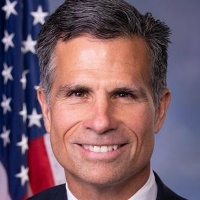
Daniel Meuser
Representative
PA
Daniel Meuser
Representative
PA
The Safeguarding Consumers from Advertising Misconduct Act (SCAM Act) holds online platforms accountable for displaying fraudulent or deceptive paid advertisements. It mandates that platforms implement strict advertiser verification procedures and actively detect and remove scam ads. This legislation establishes a private right of action for injured consumers and clarifies that existing Section 230 immunity does not apply to violations of this Act.
This Act establishes the United States-Israel Defense Technology Cooperation Initiative to accelerate joint research, development, and integration of defense technologies between the two nations.
Ronny Jackson
Representative
TX
Ronny Jackson
Representative
TX
This bill establishes the United States-Israel Defense Technology Cooperation Initiative to accelerate joint research, development, and integration of critical defense technologies. The initiative focuses on key areas like AI, missile defense, and counter-drone systems to enhance the security and technological edge of both nations. It mandates regular reporting to Congress on progress and authorizes funding for fiscal years 2027 through 2029.