This bill prohibits U.S. direct assistance to Somalia, encourages restrictions on remittances, and imposes visa and other sanctions on Somali officials involved in corruption or aiding terrorist organizations.
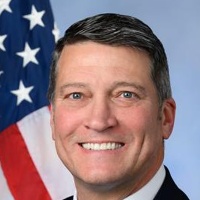
Ronny Jackson
Representative
TX-13
This Act prohibits direct U.S. assistance to the Federal Government of Somalia and encourages restrictions on remittances until safeguards against diversion to terrorism or corruption are confirmed. It mandates increased congressional oversight, suspends most U.S. foreign aid to the Somali government, and imposes visa restrictions and sanctions on corrupt officials. The bill also establishes a rewards program to help recover assets stolen from U.S. programs in Somalia.
New Bill Halts All Direct US Aid to Somalia, Eyes Blocking Remittances to Combat Corruption
Alright, let's talk about the Taxpayer Protection and Somalia Accountability Act of 2026. This bill is looking to hit the brakes hard on how U.S. money flows into Somalia, with some pretty big implications for both governments and regular folks.
No More Direct Checks to Somalia
First off, the core of this bill, Section 1, is a straight-up ban: the U.S. won't be sending any direct assistance, economic support, or development funds to the Federal Government of Somalia. That also goes for any regional or local governments, and even political groups within the country. Think of it like cutting off the direct deposit to an account that’s been flagged for suspicious activity. The idea here is to prevent U.S. taxpayer dollars from getting siphoned off or misused, but it also means a complete halt to direct government-to-government aid that's been in place.
Remittances Under the Microscope
Now, here’s where it gets really interesting and potentially impactful for a lot of people: Section 2, a “Sense of Congress” provision, strongly suggests the President should direct federal agencies to block or stop all remittances—that’s money transfers—from people and businesses in the U.S. to Somalia. This isn't a hard ban yet, but it's a clear signal. This restriction would stay in place until the President can confirm a few things: that the money isn't coming from U.S. government assistance programs, that the sender isn't getting federal or state support, and crucially, that the money isn't going to Somali government officials or foreign terrorist organizations. For many Somali families, these remittances are their lifeline, covering everything from food to healthcare. If these transfers get blocked, it could create a massive ripple effect for everyday people trying to make ends meet.
Cracking Down on Corruption and Misuse
Beyond cutting off the direct cash flow, this bill has a few other tools to try and ensure accountability. Section 4 suspends bilateral foreign assistance to Somalia’s national government unless there are solid safeguards in place to prevent aid from being diverted. Basically, the U.S. is saying, “Show us you can handle the money responsibly, or you don’t get it.”
Then there’s Section 5, which targets corrupt officials directly. The Secretary of State would be required to impose visa restrictions on any current or former Somali government official involved in significant corruption, especially if they’ve diverted U.S. aid or helped terrorist groups. This includes their immediate family members, and it even applies to diplomatic visas. Imagine trying to travel or send your kids to school abroad if your entire family is suddenly on a no-fly list because of your actions. Section 6 backs this up by allowing the President to impose sanctions under the Global Magnitsky Act on anyone collaborating with the Somali government to divert U.S. funds.
Finally, Section 7 sets up a rewards program, offering up to $250,000 for information leading to the identification of Somali nationals or officials defrauding U.S. programs or for recovering stolen assets. It’s like putting a bounty on corruption, hoping to incentivize whistleblowers to come forward.
The Real-World Rub
The intent here is clear: stop U.S. funds from being misused. But the potential side effects are significant. While targeting corrupt officials is one thing, the broad prohibition on direct aid and the proposed blocking of remittances could hit ordinary Somali citizens hard. Think about a small business owner in the U.S. trying to send money to their aging parents in Somalia, or a humanitarian organization trying to get resources to a struggling community. These measures, while aimed at accountability, could inadvertently cut off vital support for people who desperately need it, potentially worsening an already challenging humanitarian situation. It’s a classic balancing act: how do you prevent abuse without punishing the innocent?