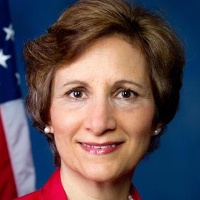
Legislative Activity
Track Suzanne's sponsored bills, co-sponsored legislation, and voting record
This bill recognizes the 125th anniversary of the Army Nurse Corps, expresses gratitude for their service, and officially establishes February 2, 1901, as its founding date.
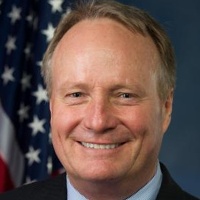
David Joyce
Representative
OH
David Joyce
Representative
OH
This resolution officially recognizes the 125th anniversary of the Army Nurse Corps, established on February 2, 1901. It expresses profound gratitude for the unwavering service, skill, and sacrifice of all past and present Army nurses. The bill honors their vital contributions to the health and well-being of the United States Armed Forces.
The Healthy Families Act establishes a national standard requiring most employers to provide employees with earned paid sick leave for personal or family health needs and related safety issues.
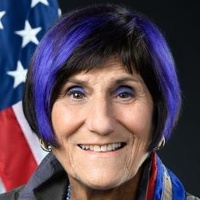
Rosa DeLauro
Representative
CT
Rosa DeLauro
Representative
CT
The Healthy Families Act establishes a national standard requiring most employers to provide employees with earned paid sick leave. Employees will accrue a minimum of one hour of paid time for every 30 hours worked, usable for personal or family health needs, domestic violence, sexual assault, or stalking. The Act prohibits employer retaliation for using this leave and ensures existing, more generous leave policies are not diminished.
This bill establishes a pilot grant program through a new Child Care and Development Innovation Fund to expand child care access for parents working nontraditional hours.
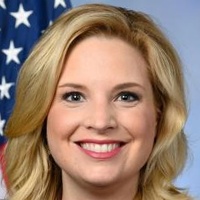
Ashley Hinson
Representative
IA
Ashley Hinson
Representative
IA
The After Hours Child Care Act establishes a new Child Care and Development Innovation Fund to improve access to care for parents working nontraditional hours. This fund supports a competitive pilot grant program managed by the Secretary of Health and Human Services. Grants will help eligible entities expand capacity, contract services, or establish new programs specifically serving families with irregular work schedules. The goal is to help these parents maintain employment and advance their careers.
This bill establishes a comprehensive Transgender Bill of Rights to codify and protect the rights of transgender and nonbinary people across healthcare, employment, legal recognition, and safety.
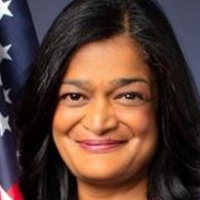
Pramila Jayapal
Representative
WA
Pramila Jayapal
Representative
WA
This resolution establishes a comprehensive Transgender Bill of Rights to codify and protect the rights of transgender and nonbinary people across the United States. It mandates federal action to ensure equal access to healthcare, employment, housing, legal recognition, and safety. The bill aims to eliminate discrimination and affirm bodily autonomy by amending existing federal civil rights laws.
The Soil CARE Act of 2026 establishes a mandatory training program for NRCS personnel and third-party providers on modern soil health science to better assist agricultural producers.
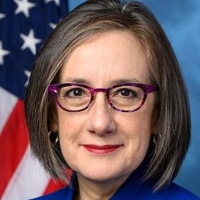
Andrea Salinas
Representative
OR
Andrea Salinas
Representative
OR
The Soil CARE Act of 2026 establishes a dedicated training program to educate Natural Resources Conservation Service (NRCS) personnel and third-party providers on modern soil health science and management practices. This initiative aims to ensure agricultural producers receive expert assistance in adopting conservation methods that improve soil biology and structure. The program mandates regular training, curriculum updates, and funding to support these critical conservation efforts through 2032.
The Rebuild America’s Schools Act of 2026 establishes federal grant and bond programs to provide billions of dollars for the long-term improvement, modernization, and repair of public school facilities, prioritizing health, safety, and environmental conditions in high-need districts.
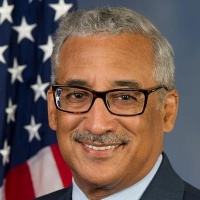
Robert Scott
Representative
VA
Robert Scott
Representative
VA
The **Rebuild America’s Schools Act of 2026** establishes major federal funding streams, including grants and tax-credit bonds, to modernize and repair public school facilities nationwide from 2027 through 2031. The legislation prioritizes districts with the greatest need, focusing on improving student health, safety, and environmental conditions in school buildings. It also mandates increased transparency through public databases tracking facility conditions and requires specific labor and "Buy America" standards for funded construction projects.
The Drain ICE Act of 2026 seeks to repeal specific sections of a previous law and rescind related funding, citing concerns over the Trump Administration's immigration enforcement practices, detention conditions, and resource allocation.
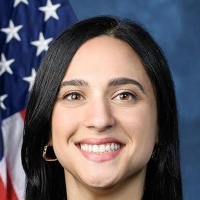
Yassamin Ansari
Representative
AZ
Yassamin Ansari
Representative
AZ
The Drain ICE Act of 2026 aims to fundamentally reform immigration enforcement by repealing specific sections of a prior law (Public Law 11921) and rescinding associated funding. This legislation is introduced in response to Congressional findings detailing concerns over mass deportation policies, inhumane detention conditions, and the detention of non-criminal individuals under the Trump Administration. The bill seeks to end practices deemed contrary to constitutional protections and human rights in immigration enforcement.
The Whale CHARTS Act of 2026 expands federal efforts to map, monitor, and mitigate risks to migratory whales and other large cetaceans through new data collection, technology grants, and near real-time tracking programs.
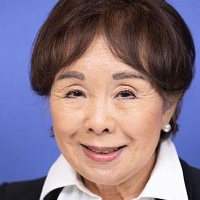
Doris Matsui
Representative
CA
Doris Matsui
Representative
CA
The Whale CHARTS Act of 2026 expands federal efforts to protect migratory whales and other large cetaceans. This legislation mandates the creation of high-accuracy distribution maps for whale habitats and funds research into understudied species. It also establishes a competitive grant program to develop and deploy technologies that reduce harmful interactions between whales and ocean users, such as vessel strikes.
This bill reauthorizes and expands federal funding and services for victims of family and dating violence while strengthening prevention efforts, especially for Tribal and underserved communities.
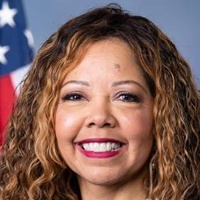
Lucy McBath
Representative
GA
Lucy McBath
Representative
GA
The Family Violence Prevention and Services Improvement Act of 2026 reauthorizes and expands critical federal programs to improve services and prevention for victims of domestic and dating violence through 2031. It significantly increases funding and broadens support, especially for Tribal communities and underserved populations, by allowing for culturally specific and digital services. Additionally, the bill enhances efforts to prevent teen dating violence through increased funding for broader educational programs.
This bill establishes mandatory minimum humanitarian standards for health screening, water, sanitation, food, and shelter for all individuals in ICE and CBP custody.
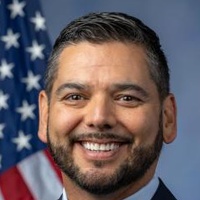
Raul Ruiz
Representative
CA
Raul Ruiz
Representative
CA
The Humanitarian Standards for Individuals in ICE and CBP Custody Act establishes minimum standards for health screening, nutrition, sanitation, and shelter for individuals detained by ICE and CBP. This bill mandates specific protocols for medical care, facility conditions, and personnel training to ensure humane treatment. It also requires regular inspections and public reporting on compliance and sexual abuse complaints.
This bill establishes a civil remedy allowing individuals to sue the U.S. government for constitutional rights violations committed by ICE or CBP officers.
Andrea Salinas
Representative
OR
Andrea Salinas
Representative
OR
The ICE and CBP Constitutional Accountability Act establishes a civil remedy allowing individuals to sue the U.S. government for constitutional rights violations committed by ICE or CBP officers. This bill holds the government financially liable for unlawful enforcement actions, even if they contradict official policy. It specifically waives sovereign immunity for these claims and permits plaintiffs to seek punitive damages.
This Act establishes a grant program administered by the Attorney General to fund library services in prisons to advance reintegration, reduce recidivism, and increase educational opportunities for incarcerated individuals.
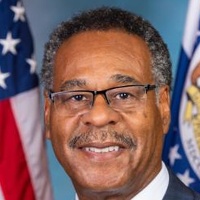
Emanuel Cleaver
Representative
MO
Emanuel Cleaver
Representative
MO
The Prison Libraries Act of 2026 establishes a federal grant program, administered by the Attorney General, to fund essential library services for incarcerated individuals. These grants aim to reduce recidivism and boost reintegration efforts by supporting education, job training, and access to modern library materials. States and territories can apply for these renewable, multi-year grants, which must be used strictly for library-related activities and cannot charge inmates for access to resources.
This bill seeks to disapprove and nullify the Department of Veterans Affairs' final rule regarding "Reproductive Health Services."
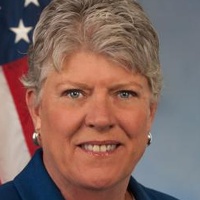
Julia Brownley
Representative
CA
Julia Brownley
Representative
CA
This resolution seeks to disapprove the Department of Veterans Affairs' final rule concerning "Reproductive Health Services" issued in September 2024. If enacted, this disapproval, made under the Congressional Review Act, would prevent the VA rule from taking legal effect.
This bill establishes new structures within the Financial Stability Oversight Council and mandates updated guidance for banking regulators and the Federal Insurance Office to assess and mitigate climate-related financial risks across the U.S. financial system.
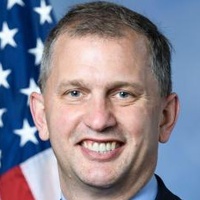
Sean Casten
Representative
IL
Sean Casten
Representative
IL
The Addressing Climate Financial Risk Act of 2026 establishes new structures within the Financial Stability Oversight Council to identify and mitigate climate-related risks to the U.S. financial system. It mandates updated supervisory guidance for large financial institutions and requires comprehensive annual reports assessing these risks. Furthermore, the bill directs the Federal Insurance Office to report on climate risks in the insurance sector and collect detailed homeowners insurance data.
This resolution designates a week in January 2026 as "National CRNA Week" to recognize the vital, long-standing contributions of Certified Registered Nurse Anesthetists to American healthcare.
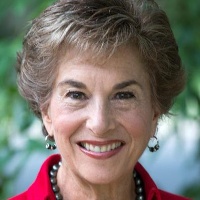
Janice Schakowsky
Representative
IL
Janice Schakowsky
Representative
IL
This resolution recognizes the vital, 150-year contribution of Certified Registered Nurse Anesthetists (CRNAs) to public health and the Armed Forces. It designates the week of January 18–24, 2026, as "National CRNA Week" to raise public awareness. The bill encourages full utilization and recognition of CRNAs across the healthcare system.
This bill establishes a commission to investigate and recommend remedies for historical and ongoing racial, ethnic, and LGBTQ+ discrimination within the uniformed services.
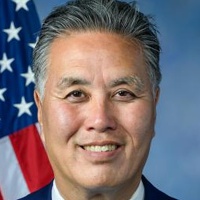
Mark Takano
Representative
CA
Mark Takano
Representative
CA
This bill establishes the Commission on Equity and Reconciliation in the Uniformed Services to investigate and document the history of racial, ethnic, and LGBTQ+ discrimination within the U.S. military since 1775. The Commission is tasked with holding hearings, gathering testimony, and developing recommendations for remedies, including apologies, compensation, and policy changes. It must submit a final report to Congress and the President detailing its findings and proposed actions within 18 months of its first meeting.
This bill mandates the removal of U.S. Armed Forces from Venezuela unless explicitly authorized by Congress.
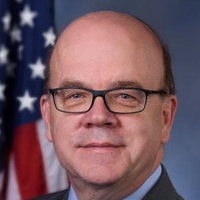
James McGovern
Representative
MA
James McGovern
Representative
MA
This bill mandates the President to withdraw all United States Armed Forces from Venezuela. This action is required unless Congress has formally declared war or passed specific legislation authorizing the use of military force in that country.
This Act mandates federal agencies to establish civil rights offices and report biennially on efforts to mitigate bias and discrimination in covered algorithmic systems that affect protected characteristics.
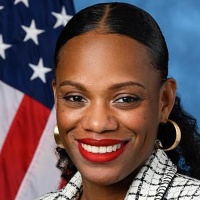
Summer Lee
Representative
PA
Summer Lee
Representative
PA
The Eliminating Bias in Algorithmic Systems Act of 2026 mandates that federal agencies address bias and discrimination in automated systems that materially affect individuals based on protected characteristics. This requires covered agencies to establish specialized civil rights offices focused on algorithmic harms. These offices must submit biennial reports to Congress detailing risks, mitigation efforts, stakeholder engagement, and legislative recommendations regarding biased algorithms.
This bill establishes a Department of Justice Task Force to combat anti-Sikh hate and discrimination through definition, education, and reporting.
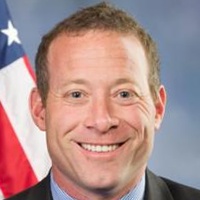
Josh Gottheimer
Representative
NJ
Josh Gottheimer
Representative
NJ
The Sikh American Anti-Discrimination Act of 2026 establishes a Department of Justice Task Force dedicated to combating anti-Sikh hate and discrimination. This Task Force is charged with formally defining anti-Sikh hate, developing educational programs for law enforcement and schools, and collaborating with the Sikh community. The bill mandates annual reporting to Congress on hate crimes, legal actions, and ongoing threats against Sikhs.
The Returning Home Act establishes a Department of Justice grant program, coordinated with HUD, to provide rental assistance and housing services to individuals reentering the community after incarceration.
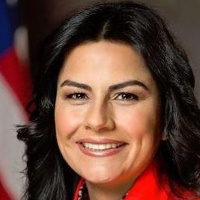
Nanette Barragán
Representative
CA
Nanette Barragán
Representative
CA
The Returning Home Act establishes a new grant program to provide rental assistance and housing support services for individuals reentering the community after incarceration. This initiative, run by the DOJ and HUD, offers up to 24 months of rental aid and crucial supportive services to help reduce homelessness among formerly incarcerated individuals. The law prioritizes applicants who implement a "housing first" approach and specifically excludes law enforcement entities from receiving grants.