Legislative Activity
Track Vern's sponsored bills, co-sponsored legislation, and voting record
This bill establishes an annual national observance called Anti-Communism Week to honor victims of communism and reaffirm the United States' commitment to liberty.
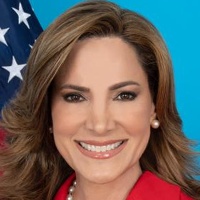
Maria Salazar
Representative
FL
Maria Salazar
Representative
FL
This bill establishes "Anti-Communism Week" as a national observance to remember the devastation caused by communism and honor its victims. It directs the President to issue an annual proclamation calling for appropriate ceremonies and activities across the United States. The legislation reaffirms the nation's commitment to liberty and human dignity over communist ideology.
This bill supports recognizing November 2025 as Carbon Monoxide Action and Awareness Month to promote nationwide education and prevention efforts against carbon monoxide poisoning.
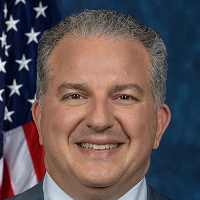
Jimmy Patronis
Representative
FL
Jimmy Patronis
Representative
FL
This bill supports the designation of November 2025 as "Carbon Monoxide Action and Awareness Month." It aims to promote nationwide education, prevention, and detection efforts to protect families from deadly, invisible carbon monoxide poisoning. The legislation highlights the significant health risks and economic costs associated with CO exposure, emphasizing the importance of certified alarms and public awareness. It encourages citizens and agencies to take proactive steps to prevent poisonings in homes.
This bill expresses support for designating December 4, 2025, as National Scam Prevention Day to promote a coordinated effort against scams through government action, private partnerships, and public education.
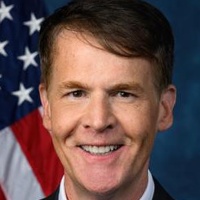
Jefferson Shreve
Representative
IN
Jefferson Shreve
Representative
IN
This resolution expresses support for designating December 4, 2025, as "National Scam Prevention Day." It calls for a coordinated, whole-of-government approach, in partnership with private industry, to combat scams. The bill emphasizes the need for educational campaigns to help the public identify and report fraudulent activities.
This act prohibits state and local governments from enacting regulations that restrict energy service based on the type or source of energy sold in interstate commerce.
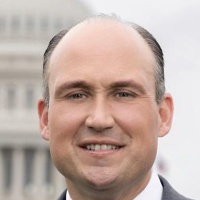
Nicholas Langworthy
Representative
NY
Nicholas Langworthy
Representative
NY
The Energy Choice Act places federal restrictions on state and local governments, preventing them from enacting regulations that prohibit or limit energy service based on its type or source. This means local governments cannot ban or restrict access to energy services sold in interstate commerce. The legislation aims to ensure consistent access to various energy sources across jurisdictions.
The Mikaela Naylon Give Kids a Chance Act primarily focuses on enhancing pediatric drug research, ensuring completion of pediatric study requirements, extending incentives for rare pediatric disease treatments, and making targeted updates to FDA and organ transplant network operations.
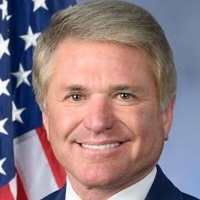
Michael McCaul
Representative
TX
Michael McCaul
Representative
TX
The Mikaela Naylon Give Kids a Chance Act focuses primarily on improving pediatric drug development and ensuring patient access to necessary treatments. This legislation mandates new research requirements for molecularly targeted pediatric cancer drugs, strengthens FDA enforcement of pediatric study completion, and extends incentives for developing drugs for rare pediatric diseases. Additionally, the bill updates organ transplant network functions and establishes an Abraham Accords Office within the FDA to enhance international regulatory cooperation.
This bill authorizes the awarding of the Congressional Gold Medal to Charles "Charlie" James Kirk in recognition of his life, service, and dedication to the United States.
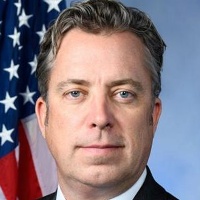
Andrew Ogles
Representative
TN
Andrew Ogles
Representative
TN
The Charlie Kirk Congressional Gold Medal Act authorizes the posthumous award of the Congressional Gold Medal to Charles "Charlie" Kirk in recognition of his life, service, and dedication to the United States. The bill honors his legacy as the founder of Turning Point USA and his commitment to promoting traditional American values, faith, and civil discourse.
This bill authorizes the minting and sale of commemorative gold, silver, and clad coins in 2029 to celebrate the history and contributions of the United States Foreign Service, with surcharges benefiting the Association for Diplomatic Studies and Training.
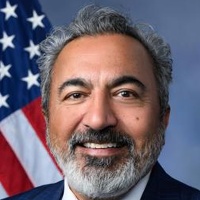
Ami Bera
Representative
CA
Ami Bera
Representative
CA
This Act authorizes the Secretary of the Treasury to mint and issue a series of commemorative gold, silver, and clad coins in 2029 to celebrate the centennial of the United States Foreign Service. The coins will feature designs representing the importance of American diplomacy and the contributions of the Foreign Service. All surcharges collected from the sale of these coins will be paid to the Association for Diplomatic Studies and Training to support its historical preservation work. The Treasury must ensure that the minting and issuance of these coins result in no net cost to the U.S. government.
This bill expands the grounds for deportability to include any alien convicted of a felony or two misdemeanors under state or federal law.
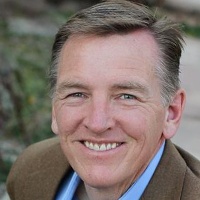
Paul Gosar
Representative
AZ
Paul Gosar
Representative
AZ
The Criminal Alien Removal Clarification Act of 2025 amends immigration law to establish new, clear grounds for deportability. This bill mandates that any alien convicted of a single felony or two misdemeanors, under either state or federal law, after admission to the U.S. is subject to removal.
This Act establishes a moratorium on oil and gas leasing and exploration off the coasts of Florida in the Gulf of Mexico and the Atlantic until 2032.
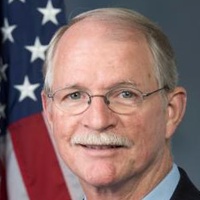
John Rutherford
Representative
FL
John Rutherford
Representative
FL
The PROTECT Florida Act establishes a comprehensive moratorium on new oil and gas leasing and exploration activities off the coast of Florida in both the Gulf of Mexico and the Atlantic Ocean. This measure extends existing protections and prohibits activities like seismic testing until June 30, 2032. The bill aims to safeguard Florida's coastal environment, tourism, and recreational resources.
This bill establishes November 12, 2025, as Creutzfeldt-Jakob Disease (CJD) Awareness Day to raise public awareness about this rare and fatal brain disorder.
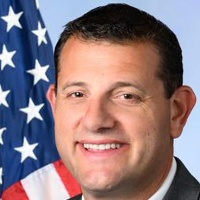
David Valadao
Representative
CA
David Valadao
Representative
CA
This bill officially establishes November 12, 2025, as Creutzfeldt-Jakob Disease (CJD) Awareness Day. The purpose is to raise public awareness about this rare, rapidly progressive, and fatal brain disorder. The House of Representatives supports this day to recognize the unique challenges faced by CJD patients and their families.
This resolution honors the service and sacrifice of America's veterans and reaffirms the nation's commitment to supporting them and their families.
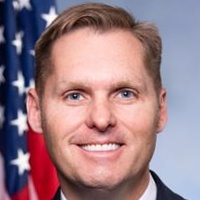
Michael Guest
Representative
MS
Michael Guest
Representative
MS
This resolution honors the service and sacrifice of America's veterans on Veterans Day, 2025, recognizing the history of the observance from Armistice Day. It affirms the nation's deep commitment to supporting the over 15 million veterans and their families. The resolution calls upon the public to observe Veterans Day and ensure veterans continue to receive the services they deserve.
This resolution expresses support for National Adoption Day and Month by promoting awareness, celebrating adoption, and encouraging the nation to secure safety and well-being for all children awaiting families.
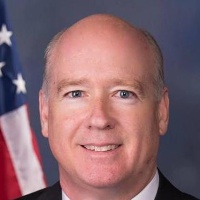
Robert Aderholt
Representative
AL
Robert Aderholt
Representative
AL
This resolution expresses support for National Adoption Day and Month by promoting national awareness of adoption and the children awaiting permanent families. It highlights the significant number of children in foster care waiting for adoption and encourages all Americans to consider providing a safe, permanent, and well-being-focused home for these children. The resolution supports various avenues for achieving permanency, including reunification, kinship care, and adoption.
This Act requires Executive agencies to report detailed data on furloughed and non-furloughed employees following a lapse in appropriations, and mandates the CBO to report on the economic effects of such lapses.
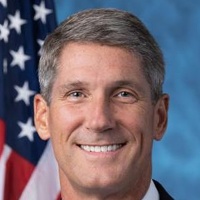
C. Franklin
Representative
FL
C. Franklin
Representative
FL
The Non-Essential Workers Transparency Act mandates that Executive agencies report detailed information regarding furloughed employees, known as "covered employees," following a lapse in appropriations. These reports must be submitted to relevant congressional committees and subsequently published online. Additionally, the Congressional Budget Office is required to produce and release a public report detailing the economic effects of the funding lapse.
The LASSO Act establishes a grant program to pilot the use of drones for the humane gathering and management of wild horses and burros.
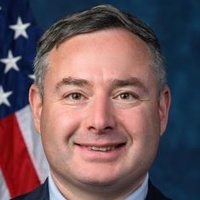
Eugene Vindman
Representative
VA
Eugene Vindman
Representative
VA
The LASSO Act establishes a pilot program to test the use of unmanned aerial systems (drones) for the humane gathering and management of wild free-roaming horses and burros. It allocates specific funding for grants to organizations with expertise in drone technology and equine welfare research. The resulting data will be reported to Congress and the public to evaluate the effectiveness of this technology.
This Act mandates that Congress must approve the budget and all appropriations bills by October 1st or Members of Congress will forfeit their pay for the period of non-compliance, effective September 29, 2027.
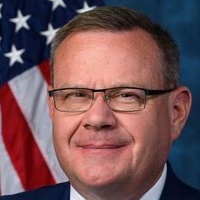
Tim Moore
Representative
NC
Tim Moore
Representative
NC
The No Budget, No Pay Act mandates that Congress must pass the concurrent budget resolution and all necessary appropriations bills by October 1st each year. If Congress fails to meet this deadline, Members of Congress will have their pay suspended for the period of non-compliance. This suspension includes a prohibition on receiving any retroactive back pay for the time they were out of compliance. These provisions are set to take effect starting September 29, 2027.
This Act modernizes recreational fishing data collection, mandates regular stock assessments, and increases transparency in fishery management decisions.
John Rutherford
Representative
FL
John Rutherford
Representative
FL
The Fisheries Data Modernization and Accuracy Act of 2025 aims to significantly improve the reliability and utility of U.S. fisheries data. It mandates reforms to the recreational data collection program (MRIP) by establishing an independent review process when data accuracy falls below set standards. The bill also empowers states to develop and implement their own data collection programs, shifting the federal reliance away from the MRIP baseline. Finally, it requires the establishment of a regular schedule for updating crucial fish stock assessments and promotes the use of independent, external scientific surveys in federal management decisions.
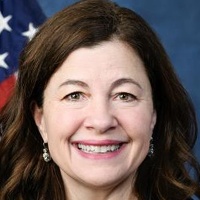
This Act updates existing law to ensure local law enforcement receives dedicated grant funding to combat identity theft alongside cybercrimes.
Kristen McDonald Rivet
Representative
MI
Kristen McDonald Rivet
Representative
MI
The Protect Your PIN Act of 2025 updates existing law to ensure local law enforcement receives dedicated funding to combat identity theft. This bill specifically amends the Violence Against Women Act Reauthorization Act of 2022 to include identity theft within the scope of eligible cybercrime grants. By defining identity theft for grant purposes, the Act broadens how federal funds can be used to investigate and prosecute these crimes at the local level.
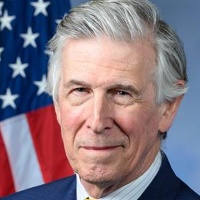
The Ejiao Act of 2025 prohibits the knowing trade of donkeys, donkey hides, and ejiao products within U.S. commerce to combat the devastating impact of ejiao production on global donkey populations.
Donald Beyer
Representative
VA
Donald Beyer
Representative
VA
The Ejiao Act of 2025 prohibits the knowing trade, import, and export of donkeys, donkey hides, and ejiao products within U.S. commerce due to the devastating impact of the ejiao trade on global donkey populations. This legislation establishes significant civil and criminal penalties for violations, including substantial fines and imprisonment. Furthermore, the Act grants enforcement authority to agencies like U.S. Customs and Border Protection and mandates the forfeiture of illegal goods and related equipment.
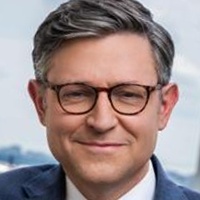
This resolution honors the life and legacy of Charles "Charlie" James Kirk, condemns his assassination as political violence, and calls for a renewed commitment to civil discourse and American founding principles.
Mike Johnson
Representative
LA
Mike Johnson
Representative
LA
This resolution honors the life and legacy of Charles "Charlie" James Kirk, founder of Turning Point USA. It strongly condemns his assassination as an act of political violence. The bill calls for a renewed national commitment to civil discourse and the founding principles of the United States.
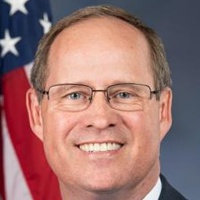
This bill establishes the Presidents Council on Sports, Fitness, and Nutrition to advise the President on promoting youth physical activity and combating childhood obesity.
Gregory Murphy
Representative
NC
Gregory Murphy
Representative
NC
The Make America's Youth Healthy Again Act of 2025 establishes a new Presidents Council on Sports, Fitness, and Nutrition. This Council will advise the President on promoting physical activity and setting new national fitness goals for American youth. Its key responsibilities include recommending the return of the Presidential Fitness Award and developing strategies to combat childhood obesity. The Council is set to operate for two years unless the President extends its term.