Legislative Activity
Track Vern's sponsored bills, co-sponsored legislation, and voting record
This bill directs Medicare's Quality Improvement Organizations to use $50 million to help hospitals and other specified facilities prepare for and respond to extreme weather events.
Donald Beyer
Representative
VA
Donald Beyer
Representative
VA
The Protecting Hospitals from Disaster Act of 2026 directs Medicare's Quality Improvement Organizations (QIOs) to assist hospitals and other key healthcare facilities in preparing for and responding to extreme weather events. This new mandate is funded by a $50 million transfer from the Federal Hospital Insurance Trust Fund for fiscal year 2026. The goal is to reduce physical and chronic risks to these essential providers and their patients.
The TEMP Act mandates the Federal Crop Insurance Corporation to research and develop a nationwide, index-based insurance policy to protect crops against frost or cold weather losses.
C. Franklin
Representative
FL
C. Franklin
Representative
FL
The TEMP Act mandates the Federal Crop Insurance Corporation to research and develop a new, nationwide index-based insurance policy to protect crops against losses caused by frost or severe cold weather. This research must evaluate the effectiveness of index-based risk management for catastrophic weather events. A report detailing the findings and recommendations is required one year after enactment.
This Act establishes a grant program to strengthen North American travel and tourism and mandates the creation of a USMCA Working Group to boost industry competitiveness.
Dina Titus
Representative
NV
Dina Titus
Representative
NV
This bill establishes the USMCA Travel and Tourism Resiliency Act to strengthen North American travel and tourism through a new grant program. It also directs the U.S. Trade Representative to advocate for a dedicated Travel and Tourism Trade Working Group under the USMCA framework. The goal is to boost competitiveness, support economic recovery, and foster long-term resilience across the U.S., Canada, and Mexico.
The PETSAFE Act of 2026 allows federal emergency preparedness grant funds to be used for companion animal support during disasters, with the federal government covering 90% of the costs.
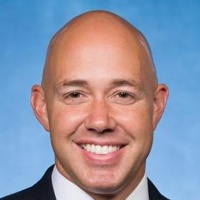
Brian Mast
Representative
FL
Brian Mast
Representative
FL
The PETSAFE Act of 2026 allows states, local, and tribal governments to use federal emergency preparedness grants to support companion animals during disasters. This funding can cover essential supplies, veterinary care, and emergency sheltering equipment. Furthermore, the bill increases the federal cost share for these specific animal preparedness activities to 90 percent.
This Act allows businesses in federally or state-declared disaster areas to transfer certain unused general business credits from prior years to cover eligible operating expenses incurred after the disaster.
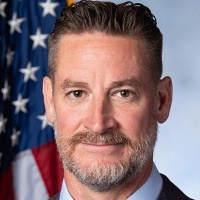
W. Steube
Representative
FL
W. Steube
Representative
FL
The Disaster Zone Energy Affordability and Investment Act allows businesses in federally or state-declared disaster areas to transfer certain unused general business tax credits from prior years. This provision is designed to help affected taxpayers by converting these credits into usable funds based on their eligible operating expenditures within the disaster zone. The credits apply to investments made following disasters declared after December 31, 2023.
This Act prohibits the air transport of adult roosters, with an exemption for legitimate commercial agricultural purposes, to enhance aviation safety and combat illegal fighting operations.
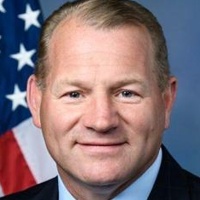
Troy Nehls
Representative
TX
Troy Nehls
Representative
TX
The No Flight, No Fight Act of 2026 restricts the air transportation of adult roosters to enhance aviation safety and combat illegal activities like cockfighting. The bill prohibits air carriers from knowingly transporting adult roosters as cargo, with an exemption for shipments related to certified commercial farms for legitimate agricultural purposes. Enforcement authority rests with the Secretary of Transportation, and violations are subject to civil penalties.
This act mandates the EPA to study and report on the feasibility and best practices for expanding reuse and refill systems across various sectors to promote sustainable economies.
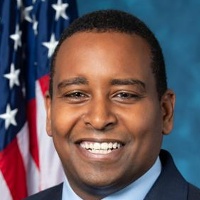
Joe Neguse
Representative
CO
Joe Neguse
Representative
CO
The Research for Environmental Uses and Sustainable Economies Act of 2026 (REUSE Act of 2026) directs the Environmental Protection Agency (EPA) to study and report on the feasibility and best practices for establishing reuse and refill systems for various products. This report will analyze the economic impacts, job creation potential, and necessary support for expanding these sustainable systems across different sectors. The goal is to identify effective methods for implementing convenient and safe reuse infrastructure nationwide.
The Whale CHARTS Act of 2026 expands federal efforts to map, monitor, and mitigate risks to migratory whales and other large cetaceans through new data collection, technology grants, and near real-time tracking programs.

Doris Matsui
Representative
CA
Doris Matsui
Representative
CA
The Whale CHARTS Act of 2026 expands federal efforts to protect migratory whales and other large cetaceans. This legislation mandates the creation of high-accuracy distribution maps for whale habitats and funds research into understudied species. It also establishes a competitive grant program to develop and deploy technologies that reduce harmful interactions between whales and ocean users, such as vessel strikes.
This bill establishes eligibility requirements for amateur athletic organizations based on biological sex, prohibiting individuals whose sex is male from competing in female-designated amateur athletic competitions.
W. Steube
Representative
FL
W. Steube
Representative
FL
This Act establishes specific definitions for "female," "male," and "sex" based on biological reproductive systems for amateur athletics. It mandates that organizations recognized by the U.S. Olympic & Paralympic Committee must prohibit individuals identified as male from competing in competitions designated for females. This aims to protect competitive opportunities specifically for biological females in amateur sports.
This bill officially renames the United States Postal Service facility at 3135 1st Avenue North in St. Petersburg, Florida, as the "Poul Hornsleth Post Office."
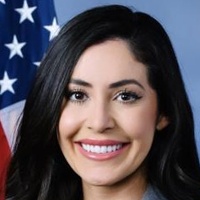
Anna Luna
Representative
FL
Anna Luna
Representative
FL
This bill officially designates the United States Postal Service facility at 3135 1st Avenue North in St. Petersburg, Florida, as the "Poul Hornsleth Post Office." The legislation ensures that all future official federal references to this location must use the newly established name.
This act establishes produce prescriptions, such as vouchers for fruits and vegetables, as a covered medical service for eligible, food-insecure veterans with diet-related chronic conditions.

Chellie Pingree
Representative
ME
Chellie Pingree
Representative
ME
The Produce Prescriptions for Veterans Act establishes produce prescriptions as a covered medical service within the Department of Veterans Affairs (VA) health care system. This allows eligible, food-insecure veterans with diet-related chronic conditions to receive vouchers or debit cards specifically for purchasing fruits and vegetables. The goal is to improve veterans' health through improved nutrition.
This Act supports Eastern Mediterranean nations as a strategic gateway for the India-Middle East-Europe Economic Corridor (IMEC) by prioritizing diplomacy, energy security, and defense cooperation.
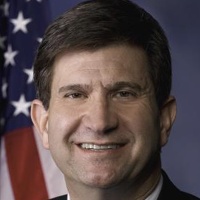
Bradley Schneider
Representative
IL
Bradley Schneider
Representative
IL
The Eastern Mediterranean Gateway Act supports key Eastern Mediterranean nations—Egypt, Greece, Cyprus, and Israel—as strategic partners for the India-Middle East-Europe Economic Corridor (IMEC). The bill directs the U.S. to prioritize diplomatic engagement, energy security, and defense cooperation in the region. It also mandates several reports to Congress detailing implementation, multilateral initiatives, and potential expansions of successful U.S.-Israel partnership models to other regional allies.
This bill establishes a Veterans Scam and Fraud Evasion Officer within the VA to coordinate fraud prevention, reporting, and veteran resource guidance, while also extending certain pension payment limits.
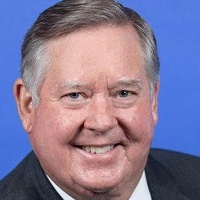
Ken Calvert
Representative
CA
Ken Calvert
Representative
CA
The Veterans Scam And Fraud Evasion Act of 2025, or VSAFE Act, establishes a dedicated Veterans Scam and Fraud Evasion Officer within the Department of Veterans Affairs. This officer will centralize the VA's efforts to prevent, report, and respond to fraud and scams targeting veterans. The role includes developing guidance, promoting reporting resources, and coordinating with other federal agencies to better protect veterans and their families.
This act authorizes the Attorney General to offer rewards for information leading to the arrest, conviction, or prevention of acts involving bounties placed on U.S. law enforcement officers.
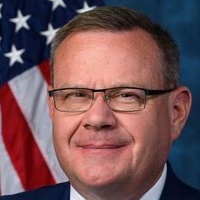
Tim Moore
Representative
NC
Tim Moore
Representative
NC
The No Bounties on Badges Act authorizes the Attorney General to offer rewards for information leading to the arrest, conviction, or prevention of acts involving individuals offering bounties to harm or kill U.S. law enforcement officers. This legislation specifically expands the scope of existing reward programs to cover threats against officers.
This bill modifies deposits into the Crime Victims Fund by excluding certain False Claims Act recoveries and mandates an Inspector General audit of the Fund's sustainability.
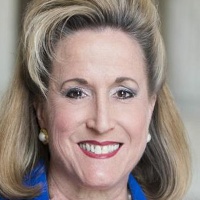
Ann Wagner
Representative
MO
Ann Wagner
Representative
MO
This bill amends the Victims of Crime Act of 1984 to temporarily exclude certain False Claims Act recoveries from being deposited into the Crime Victims Fund through fiscal year 2029. It also mandates a comprehensive audit by the Department of Justice Inspector General on the Fund's sustainability and the impact of recent legislative changes. The resulting report will provide recommendations for improving the Fund's effectiveness and oversight.
This act establishes a national strategy to combat child exploitation through enhanced coordination with nonprofits and universities, and by providing best-practice recommendations for law enforcement.
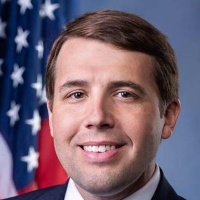
Chris Pappas
Representative
NH
Chris Pappas
Representative
NH
The Stop Crimes Against Children Act aims to strengthen the national strategy to combat child exploitation. It mandates coordination between the strategy and nonprofits/universities for prevention, research, and victim support. Additionally, the bill requires the strategy to provide best practice recommendations for all levels of law enforcement in identifying and responding to these crimes.
This Act ensures U.S. foreign-trade zones support manufacturing, distribution, and job creation by establishing duty-free entry for specific exported merchandise.
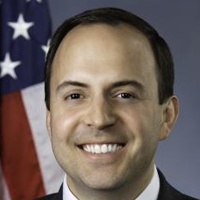
Lance Gooden
Representative
TX
Lance Gooden
Representative
TX
The Foreign-Trade Zone Export Enhancement Act of 2025 aims to boost U.S. manufacturing and job preservation by ensuring the continued competitiveness of foreign-trade zones. This legislation specifically grants duty-free entry for certain merchandise exported from these zones. The Act requires Customs and Border Protection to issue necessary implementing regulations within 90 days of enactment.
This bill authorizes Congress to award Congressional Gold Medals to the 1980 U.S. Men's Olympic Ice Hockey team for their historic "Miracle on Ice" victory.
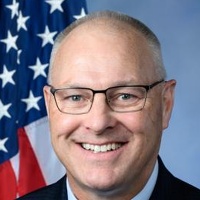
Pete Stauber
Representative
MN
Pete Stauber
Representative
MN
This bill, the Miracle on Ice Congressional Gold Medal Act, officially authorizes Congress to award Congressional Gold Medals to the 1980 U.S. Men's Olympic Ice Hockey Team for their historic "Miracle on Ice" victory. The medals will be struck by the Treasury and permanently displayed at specific national sports museums. The Act also permits the sale of duplicate bronze medals to cover production costs.
This bill establishes a 180-day deadline for the Secretary of the Interior to approve or disapprove state wildlife conservation plans, ensuring timely implementation of state wildlife restoration programs.
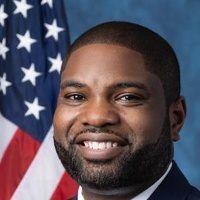
Byron Donalds
Representative
FL
Byron Donalds
Representative
FL
This act, the Make State Wildlife Action Plans Efficient Act of 2025, aims to streamline the federal review and approval process for state wildlife conservation plans. It establishes a strict 180-day deadline for the Secretary of the Interior to approve or disapprove these state plans. Furthermore, it conditionally authorizes states to begin implementing their programs upon submission, ensuring timely conservation efforts while requiring accountability for missed deadlines.
This act establishes the President's Council on Sports, Fitness, and Nutrition to advise on reestablishing the Presidential Fitness Test and promoting youth physical fitness.
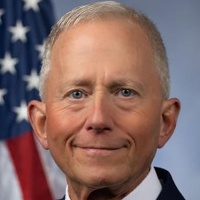
Jefferson Van Drew
Representative
NJ
Jefferson Van Drew
Representative
NJ
The Presidential Fitness Test Act of 2025 reestablishes the President's Council on Sports, Fitness, and Nutrition to advise the President on national fitness goals. This Council will focus on reviving the Presidential Fitness Test as the primary tool for earning an award and developing strategies to promote physical education and sports participation. Its duties include setting innovative fitness goals for youth and addressing the national security threat posed by sedentary lifestyles.