Legislation
The Federal Lands Lawful Carry Act permits individuals to possess firearms in designated federal recreational areas, provided they comply with applicable state laws and federal firearm prohibitions.
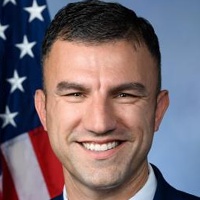
Rudy Yakym
Representative
IN
Rudy Yakym
Representative
IN
The Federal Lands Lawful Carry Act allows individuals to possess firearms in designated federal areas, such as national parks and forests, provided they comply with state law and are not otherwise prohibited from firearm ownership. This legislation creates an exception to general federal facility firearm bans for units managed by agencies including the National Park Service, the Bureau of Land Management, and the U.S. Forest Service.
This bill supports the designation of July 20, 2026, as "National Moon Landing Day" to honor the historic Apollo 11 mission and celebrate the ongoing achievements of the U.S. space program.
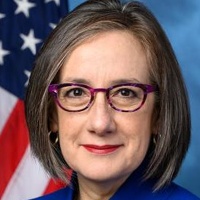
Andrea Salinas
Representative
OR
Andrea Salinas
Representative
OR
This resolution supports the designation of July 20, 2026, as "National Moon Landing Day" to commemorate the historic Apollo 11 mission and celebrate the United States' ongoing leadership in space exploration. It honors the contributions of astronauts, scientists, and the private sector while encouraging educational initiatives to inspire future generations in STEM fields.
This resolution expresses the sense of the House of Representatives that the Senate’s current filibuster rules are unconstitutional, undemocratic, and undermine the legislative authority of the House by allowing a minority to block majority-passed legislation.
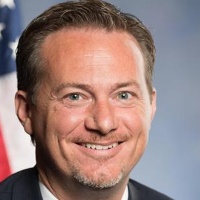
Michael Cloud
Representative
TX
Michael Cloud
Representative
TX
This resolution expresses the House of Representatives' position that the modern Senate filibuster is unconstitutional and undermines the legislative balance between the two chambers. It argues that the filibuster acts as a procedural veto that disenfranchises voters and prevents the Senate from considering House-passed legislation. Consequently, the House calls on the Senate to reform its rules to restore majority rule and ensure that legislation receives a timely floor vote.
Orlin’s Law establishes comprehensive protections for detained immigrant parents, prioritizing family unity by mandating release procedures, access to legal and child welfare proceedings, and the creation of a dedicated office to coordinate parental rights and care.

Pramila Jayapal
Representative
WA
Pramila Jayapal
Representative
WA
Orlin’s Law establishes critical protections for immigrant parents in U.S. custody to prevent the unnecessary separation of families. The bill mandates that detained parents be prioritized for release, provided with the means to participate in family court proceedings, and granted access to resources for their children’s care. Additionally, it creates an Office of Detained Parent Coordination to oversee these protections and requires the government to provide alternatives to detention for parents.
The Modernizing Opioid Treatment Access Act 2.0 of 2026 expands access to methadone treatment by allowing qualified practitioners to prescribe it for pharmacy dispensing.
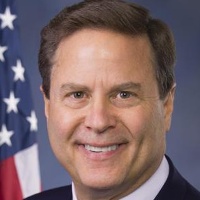
Donald Norcross
Representative
NJ
Donald Norcross
Representative
NJ
The Modernizing Opioid Treatment Access Act 2.0 of 2026 expands access to methadone for opioid use disorder by allowing qualified practitioners to prescribe it for pharmacy dispensing. This legislation aims to increase treatment flexibility through electronic prescribing and telemedicine while maintaining rigorous practitioner standards. States retain the authority to opt out of these provisions, and the DEA is required to provide annual reports on the program's implementation.
The Epstein Files Transparency Act II strengthens government accountability by establishing legal enforcement mechanisms, criminal penalties, and expanded access rights for victims, state officials, and members of Congress to obtain unredacted records related to the Jeffrey Epstein criminal network.

Thomas Massie
Representative
KY
Thomas Massie
Representative
KY
The Epstein Files Transparency Act II strengthens government accountability by establishing strict enforcement mechanisms for the release of records related to the Jeffrey Epstein and Ghislaine Maxwell criminal network. The bill empowers victims, state officials, and members of Congress to sue for the disclosure of unredacted files while imposing criminal penalties on officials who obstruct transparency. It also limits the government's ability to withhold information, ensuring that investigative records are accessible for legal proceedings and public oversight.
The Health Claim Denial Transparency Act requires group health plans to disclose detailed data regarding claim denials, appeals, and the use of automated decision-making tools in their annual ERISA reports.
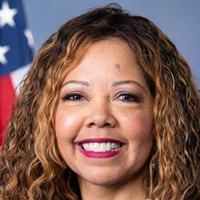
Lucy McBath
Representative
GA
Lucy McBath
Representative
GA
The Health Claim Denial Transparency Act requires group health plans to provide greater transparency by disclosing detailed data on claim denials, appeals, and the use of automated decision-making tools in their annual reports. This legislation ensures that all group health plans, regardless of size, provide comprehensive information on why claims are denied and how they are processed. By mandating this reporting, the bill aims to hold health plans more accountable for their coverage decisions.
The Fertility Cost Relief Act allows individuals to withdraw up to $20,000 from their retirement accounts for qualified fertility treatments without incurring the standard 10% early withdrawal penalty.
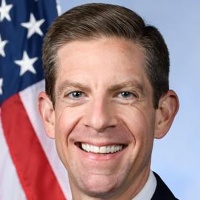
Mike Levin
Representative
CA
Mike Levin
Representative
CA
The Fertility Cost Relief Act allows individuals to withdraw up to $20,000 from their retirement accounts for qualified fertility treatments without incurring the standard 10% early withdrawal penalty. This provision covers a wide range of services, including IVF, egg and sperm preservation, and fertility medications. The lifetime limit is subject to inflation adjustments beginning in 2027, and individuals have the option to repay these funds into a retirement plan.
The Consumer Appeal Rights Enforcement Act amends ERISA to establish civil penalties for group health plans that fail to comply with required claims procedures and external review processes.

Summer Lee
Representative
PA
Summer Lee
Representative
PA
The Consumer Appeal Rights Enforcement Act strengthens ERISA by establishing significant civil penalties for group health plans that fail to follow required claims procedures or external review processes. It expands the Secretary of Labor’s enforcement authority and allows participants to sue for equitable relief regarding plan violations. These measures aim to ensure plans remain accountable to their members through both systemic and individual accountability standards.
This bill mandates the restoration of home-based care reimbursement rates for rural veterans and requires the VA to increase transparency and reporting regarding provider availability and rate-setting methodologies.

Teresa Leger Fernandez
Representative
NM
Teresa Leger Fernandez
Representative
NM
The Protecting Home-Based Care for Rural Veterans Act of 2026 mandates the restoration of reimbursement rates for the VA’s Homemaker and Home Health Aide program to 2025 levels and requires 90-day congressional notification for any future reductions. The bill also improves oversight by requiring the VA to report annually on provider availability and to provide full transparency regarding the methodology used to calculate reimbursement rates.
This bill directs the FAA to review and update safety policies and regulations regarding low-altitude airspace hazards, including the marking of temporary obstructions like slacklines.

Jeff Merkley
Senator
OR
Jeff Merkley
Senator
OR
The McCarty and Heideman Air Safety Enhancement Act directs the FAA to conduct a comprehensive review of low-altitude airspace safety policies, with a specific focus on mitigating risks posed by temporary obstructions like slacklines. The bill mandates stakeholder consultation and requires the FAA to improve aeronautical data, interagency coordination, and public outreach. Ultimately, it ensures that necessary regulatory updates are implemented to enhance safety for pilots operating in low-altitude environments.
The Language Access for All Act of 2026 mandates that federal agencies provide meaningful, equitable access to programs and services for individuals with limited English proficiency through standardized translation, interpretation, and accountability measures.

Andy Kim
Senator
NJ
Andy Kim
Senator
NJ
The Language Access for All Act of 2026 mandates that federal agencies provide meaningful, free access to their programs and services for individuals with limited English proficiency. The bill requires agencies to develop comprehensive language access plans, utilize qualified interpreters and translators, and establish technical standards for multilingual communications. Additionally, it creates a public complaint system and sets strict oversight for the use of artificial intelligence in language services to ensure equitable access for all.
The Advanced Coursework Equity Act provides federal grants to states and school districts to expand access to advanced academic programs and promote equitable enrollment for historically underrepresented students.
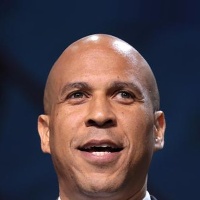
Cory Booker
Senator
NJ
Cory Booker
Senator
NJ
The Advanced Coursework Equity Act aims to close the opportunity gap by expanding access to rigorous academic programs for historically underrepresented students. The bill establishes a federal grant program to help schools implement universal screening and open enrollment policies, ensuring that all students ready for advanced coursework have the chance to succeed. By providing resources for teacher training, tutoring, and program expansion, the Act seeks to prepare more students for success in STEM fields and the global workforce.
The Biotechnology Diplomacy Leadership Act of 2026 mandates the appointment of a Senior Biotechnology Official to lead and coordinate U.S. international efforts in biotechnology innovation, security, and global policy.
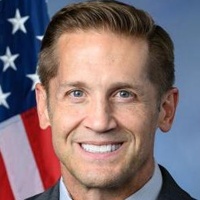
Rich McCormick
Representative
GA
Rich McCormick
Representative
GA
The Biotechnology Diplomacy Leadership Act of 2026 establishes a new Senior Biotechnology Official within the Department of State to lead and coordinate U.S. efforts in international biotechnology policy. This official will work across federal agencies and with global partners to advance American leadership in biotechnology innovation, security, and economic development. The role focuses on strengthening supply chains, facilitating international research collaborations, and representing U.S. interests in global biotechnology forums.
This Act requires the Federal Trade Commission to submit annual reports on foreign investment in the U.S. pharmaceutical industry and DNA-related technologies to ensure supply chain security and domestic production capacity.

Elizabeth Warren
Senator
MA
Elizabeth Warren
Senator
MA
The Pharmaceutical Investment Oversight and Accountability Act mandates an annual report from the Federal Trade Commission on foreign investment within the U.S. pharmaceutical and DNA-sequencing industries. This legislation aims to increase transparency regarding supply chain reliance on foreign manufacturing and the impact of foreign ownership on domestic production capacity. The findings will be shared with Congress and the public to ensure greater oversight of these critical sectors.
This Act amends the Rehabilitation Act of 1973 to adjust eligibility requirements, referral mandates, and documentation procedures for individuals with disabilities employed at subminimum wages.

Tom Cotton
Senator
AR
Tom Cotton
Senator
AR
The Restoration of Employment Choice for Adults with Disabilities Act amends the Rehabilitation Act of 1973 to expand eligibility for subminimum wage employment to individuals aged 18 and older who choose to accept such positions. The bill also streamlines administrative requirements for employers by adjusting referral age thresholds and establishing new protocols for documenting state service availability. These changes aim to clarify the conditions under which subminimum wage employment may be offered while ensuring employers have access to necessary eligibility documentation.
The Homestake AI Act of 2026 establishes a Department of Energy initiative to collect, sequence, and store genomic data from extremophile organisms to advance scientific research and the development of new healthcare treatments.
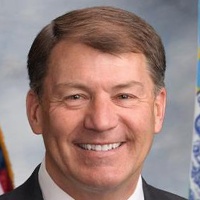
Mike Rounds
Senator
SD
Mike Rounds
Senator
SD
The Homestake AI Act of 2026 establishes a federal initiative to collect, sequence, and store genomic data from extremophile organisms found in unique environments, such as deep underground mines. This project aims to drive scientific discovery and support the development of new medical treatments for conditions like cancer, diabetes, and dementia. The bill mandates the creation of a secure, resilient database and long-term storage facility while implementing strict cybersecurity measures to protect this data from foreign adversaries.
This bill establishes a five-year pilot program allowing veterans with acquired brain injuries to use Veteran-Directed Care funds to purchase services from eligible mission-driven nonprofit organizations.

Bill Cassidy
Senator
LA
Bill Cassidy
Senator
LA
The Veteran Acquired Brain Injury Caregiving Act establishes a five-year pilot program allowing veterans with acquired brain injuries to use Veteran-Directed Care funds to purchase services from eligible mission-driven nonprofits. This initiative aims to expand care options across at least five VA medical centers while requiring regular reporting on clinical outcomes and program effectiveness.
The Curtailing Executive Overcompensation (CEO) Act imposes an excise tax on large corporations that maintain extreme pay disparities between their highest-paid executives and their typical workers.

Sheldon Whitehouse
Senator
RI
Sheldon Whitehouse
Senator
RI
The Curtailing Executive Overcompensation (CEO) Act proposes a new excise tax on large corporations that maintain extreme pay gaps between their highest-paid executives and their typical workers. By penalizing companies with excessive pay disparities, the bill aims to discourage runaway executive compensation and promote more equitable wage structures.
The Broadband MAP Act of 2026 mandates that the FCC initiate a rulemaking process to evaluate and improve the accuracy of broadband mapping and the associated data challenge procedures.

John Thune
Senator
SD
John Thune
Senator
SD
The Broadband MAP Act of 2026 directs the FCC to initiate a formal review of its current broadband mapping and data challenge processes. This legislation ensures that mapping updates are evaluated for fairness, accuracy, and their impact on future broadband funding and service provider operations.