Legislation
This resolution officially designates July 2025 as "American Grown Flower and Foliage Month" to encourage the purchase and display of domestically grown flowers and greenery.

Alejandro Padilla
Senator
CA
Alejandro Padilla
Senator
CA
This resolution officially designates July 2025 as "American Grown Flower and Foliage Month." It encourages consumers to support domestic agriculture by purchasing flowers and foliage grown in the United States. The designation aims to highlight the economic and community benefits provided by American flower growers.
This bill codifies Executive Order 14292 into federal law to improve the safety and security of biological research.
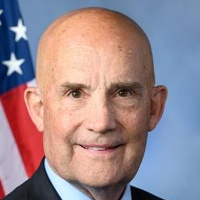
Keith Self
Representative
TX
Keith Self
Representative
TX
This bill seeks to formally establish the directives outlined in Executive Order 14292 into federal law. By codifying the order, it ensures the established standards for improving the safety and security of biological research have the full force and effect of statute. This action makes the existing executive guidelines legally binding requirements.
This Act prohibits employers from taking adverse action against employees for expressing views on the biological nature of sex or for using sex-segregated facilities, and it strengthens protections against retaliation for opposing such practices.
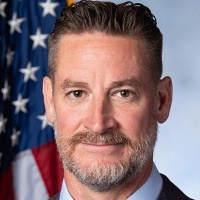
W. Steube
Representative
FL
W. Steube
Representative
FL
The Restoring Biological Truth to the Workplace Act amends employment law to prohibit employers from taking adverse action against employees for expressing views on the binary nature of biological sex or for using sex-segregated facilities. This Act also explicitly protects employees from retaliation for opposing these newly defined unlawful employment practices. Employers cannot use standard defenses like "business necessity" when facing claims related to these specific protections.
This Act mandates that hospitals and obstetric providers publicly disclose their specific policies regarding life-saving care for extremely premature infants, with non-compliance resulting in the loss of federal Medicaid and CHIP funding.

Tom Cotton
Senator
AR
Tom Cotton
Senator
AR
The Neonatal Care Transparency Act of 2025 mandates that hospitals and obstetric providers publicly disclose their specific policies regarding life-saving care for extremely premature infants, including any minimum gestational age limits. This information must also be provided to expectant parents by their doctors at their first prenatal appointment. Hospitals and providers failing to comply with these new transparency requirements risk losing federal Medicaid and CHIP funding 180 days after the Act is enacted.
This bill officially renames the United States Postal Service facility at 6444 San Fernando Road in Glendale, California, as the "Paul Ignatius Post Office."
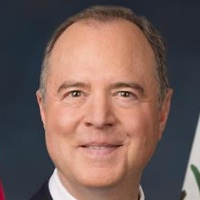
Adam Schiff
Senator
CA
Adam Schiff
Senator
CA
This bill officially renames the United States Postal Service facility located at 6444 San Fernando Road in Glendale, California, to the "Paul Ignatius Post Office." The legislation ensures that all official records reflect this new designation for the post office.
This resolution requires the Secretary of State to report to Congress within 30 days on Rwanda's human rights practices, focusing heavily on the treatment of non-citizens removed to Rwanda by the U.S. government.
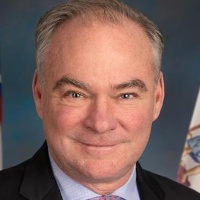
Timothy Kaine
Senator
VA
Timothy Kaine
Senator
VA
This resolution directs the Secretary of State to provide Congress with a detailed report on the human rights practices of the Republic of Rwanda within 30 days. The report must specifically detail credible allegations of abuses, focusing on the treatment of non-citizens removed to Rwanda by the U.S. government. Furthermore, the Secretary must assess the risk that U.S. security assistance could support Rwandan officials involved in these abuses.
This act establishes a fast-tracked, conditional process for Congress to review and potentially override the Treasury Secretary's request to extend a national debt limit suspension.
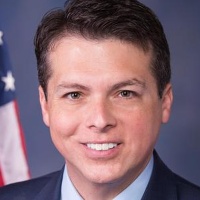
Brendan Boyle
Representative
PA
Brendan Boyle
Representative
PA
The Debt Ceiling Reform Act establishes a new, expedited process for Congress to review and potentially reject the Treasury Secretary's request to extend a suspension of the national debt limit. If Congress fails to pass a specific disapproval resolution within 45 days, the suspension automatically continues until the date specified by the Secretary. This legislation also imposes strict, fast-track procedures for floor debate and voting on any disapproval measure. Additionally, the Treasury is required to provide new reports detailing the national debt as a percentage of GDP.
This Act clarifies that automatic birthright citizenship does not apply to children born in the U.S. to parents who are unlawfully present, serving diplomatic purposes, or engaged in hostile operations.

Claudia Tenney
Representative
NY
Claudia Tenney
Representative
NY
The Constitutional Citizenship Clarification Act of 2025 seeks to amend birthright citizenship rules by clarifying that automatic citizenship at birth does not apply to children born to parents who are unlawfully present in the U.S. This legislation also codifies existing exceptions for children of diplomats and expands exclusions for the children of individuals engaged in hostile operations on U.S. soil. The Act aims to legally define limitations on *jus soli* based on parental status and allegiance.
This bill amends the Foreign Assistance Act of 1961 to officially reclassify the provision of HIV pre-exposure prophylaxis (PrEP) and related prevention services as "core life-saving humanitarian assistance."
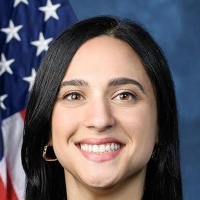
Yassamin Ansari
Representative
AZ
Yassamin Ansari
Representative
AZ
This bill amends the Foreign Assistance Act of 1961 to reclassify certain activities combating HIV/AIDS. Specifically, it mandates that providing HIV pre-exposure prophylaxis (PrEP) and related prevention services be formally recognized as "core life-saving humanitarian assistance." This change ensures these critical risk-reduction efforts are categorized as essential aid within U.S. foreign assistance programs.
Dillon's Law updates federal guidelines to grant preference points to states that allow any trained personnel, not just school employees, to administer epinephrine delivery systems in schools.
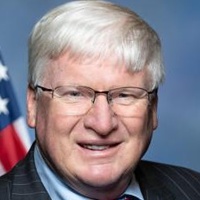
Glenn Grothman
Representative
WI
Glenn Grothman
Representative
WI
Dillon's Law amends federal guidelines to grant preference points to states that allow trained, non-school personnel to administer epinephrine in schools. This change broadens the definition of who can provide life-saving medication beyond just school employees. The law also updates terminology to cover a wider range of epinephrine delivery systems.
This Act establishes strict, case-by-case safety review requirements for any proposed use of radioactive phosphogypsum not already permitted, ensuring the maximum cancer risk remains below the established EPA standard.

Maxwell Frost
Representative
FL
Maxwell Frost
Representative
FL
The No Radioactive Roads Act of 2025 clarifies and strengthens regulations regarding the use of phosphogypsum, a radioactive material, in construction. This Act mandates that any proposed new use of phosphogypsum must meet strict cancer risk standards previously established for waste piles. Furthermore, applicants seeking approval for unlisted uses must provide extensive safety and environmental monitoring plans to the EPA. All approvals and associated risk assessments for these special uses will be made publicly available online.
This Act establishes an Economic Security Working Group within the Quad partnership to enhance cooperation among the U.S., Australia, India, and Japan on supply chain security and countering economic coercion.

Michael Bennet
Senator
CO
Michael Bennet
Senator
CO
The Quad Economic Security Act directs the U.S. to strengthen economic security cooperation with Australia, India, and Japan through the Quad partnership. It mandates the establishment of a new Economic Security Working Group to coordinate efforts on supply chains, critical infrastructure, and countering economic coercion. The bill requires the Secretary of State to report to Congress on negotiations, identified supply chains, and regional partners involved in these security efforts. Finally, the Act specifies that it does not authorize any new funding for its implementation.
This Act establishes permanent, high-limit federal deposit insurance for business operating accounts and creates a temporary guarantee program for similar accounts during times of economic stress.

Maxine Waters
Representative
CA
Maxine Waters
Representative
CA
The Employee Paycheck and Small Business Protection Act significantly increases federal deposit insurance coverage for business operating accounts, establishing a special, high limit of up to $100 million per institution. This measure aims to protect the liquidity of businesses, non-profits, and municipalities by ensuring their essential transaction funds are fully insured. Additionally, the bill creates a temporary government guarantee program for these accounts, which can be activated during times of economic instability to maintain financial confidence. The relevant agencies are tasked with developing and implementing these new permanent and temporary insurance frameworks within strict deadlines.
This bill codifies Executive Order 14305, making the restoration of American airspace sovereignty the official law of the land.
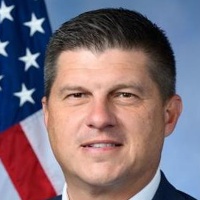
Brad Finstad
Representative
MN
Brad Finstad
Representative
MN
This bill seeks to formally codify Executive Order 14305 into permanent federal law. By doing so, the provisions established in the order regarding the restoration of American airspace sovereignty will become legally binding statutes. This action elevates a presidential directive to the status of established law.
This bill prohibits U.S. ports from servicing vessels that have docked at foreign ports where the U.S. government has determined property essential to accessing that port was unjustly seized from an American entity.
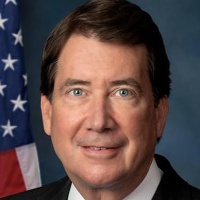
Bill Hagerty
Senator
TN
Bill Hagerty
Senator
TN
The Defending American Property Abroad Act of 2025 establishes penalties against foreign governments that nationalize or expropriate U.S.-owned port infrastructure in trade partner nations. It mandates the identification of such "prohibited property" seized by foreign governments after January 1, 2024. Once identified, vessels that use these prohibited ports will face strict bans on docking, unloading, or receiving services in the United States. Furthermore, the Act expands the definition of unfair trade practices to include the arbitrary seizure or discriminatory treatment of U.S. assets abroad.
This Act limits the Consumer Financial Protection Bureau's authority over entities already regulated by state insurance regulators concerning the business of insurance.

Tim Scott
Senator
SC
Tim Scott
Senator
SC
The Business of Insurance Regulatory Reform Act of 2025 clarifies and limits the authority of the Consumer Financial Protection Bureau (CFPB) over entities already regulated by state insurance authorities. This bill specifically restricts the CFPB's ability to enforce federal consumer protection rules against state-regulated insurers operating within the business of insurance. The legislation ensures that state insurance regulators maintain primary oversight for these entities.
The Hands Off Our Social Security Act prohibits unauthorized tampering with benefits, data mining, privatization, workforce reductions, and office closures without explicit Congressional approval.
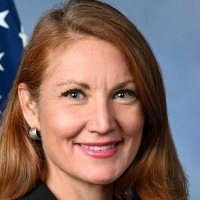
Melanie Stansbury
Representative
NM
Melanie Stansbury
Representative
NM
The Hands Off Our Social Security Act is designed to safeguard the functionality and integrity of the Social Security Administration (SSA). This bill prohibits the SSA from tampering with benefits, engaging in unauthorized data mining, or privatizing services. Furthermore, it prevents the agency from closing local offices or reducing staff without explicit approval from Congress. Ultimately, the Act ensures that essential services and communication channels remain accessible to beneficiaries.
This resolution honors Dr. Paul Farmer by calling for the U.S. to adopt a 21st-century global health solidarity strategy focused on strengthening local health systems, increasing funding, and addressing economic harms that undermine global well-being.
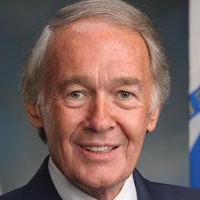
Edward Markey
Senator
MA
Edward Markey
Senator
MA
This resolution honors Dr. Paul Farmer by calling for the U.S. Federal Government to adopt a 21st-century global health solidarity strategy. It demands a significant increase in global health funding, coupled with systemic changes to stop economic harms that drain resources from developing nations. The strategy emphasizes supporting local health systems through "accompaniment" and ensuring medical innovations are treated as global public goods. Finally, it asserts the duty to issue reparations for historical and ongoing economic and social injustices.
The Renewing Opportunity in the American Dream to Housing Act of 2025 comprehensively reforms federal housing policy by improving financial literacy programs, incentivizing local governments to build more housing, modernizing manufactured home financing, increasing oversight, and enhancing support for veterans and disaster recovery efforts.
Tim Scott
Senator
SC
Tim Scott
Senator
SC
The Renewing Opportunity in the American Dream to Housing Act of 2025 is a comprehensive bill designed to increase housing supply, improve financial literacy, and modernize federal housing programs. It seeks to achieve these goals by reforming zoning regulations, extending rental assistance programs, increasing financing options for manufactured homes, and enhancing oversight across HUD and related agencies. Ultimately, the legislation aims to make housing more affordable and accessible while ensuring better accountability for federal housing investments.
This Act codifies a policy mandating that federal history sites present American history as uplifting and inspirational, while prohibiting the promotion of divisive or ideological narratives, particularly concerning race and gender identity.
Keith Self
Representative
TX
Keith Self
Representative
TX
The Restoring Truth and Sanity to American History Act seeks to codify existing policy to ensure federal history sites present a "solemn and uplifting" view of American heritage. The bill mandates that federal museums and parks cease promoting ideological narratives that Congress views as divisive, focusing instead on national achievements and progress. It specifically directs federal officials to review and potentially remove content in institutions like the Smithsonian that allegedly degrade shared American values or promote racial division. Furthermore, it ties future Smithsonian funding to compliance with these new standards, particularly regarding the American Women's History Museum.