Legislation
This resolution strongly condemns the assassination of Charlie Kirk and calls for national change inspired by his life and tragic death.
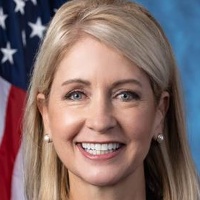
Mary Miller
Representative
IL
Mary Miller
Representative
IL
This resolution strongly condemns the assassination of conservative activist Charlie Kirk on September 10, 2025, during his national speaking tour. It honors his life, his founding of Turning Point USA, and his dedication to conservative principles. Ultimately, the document calls for national unity and reaffirms the commitment to protecting the right to peaceful assembly and free expression.
This resolution expresses support for designating the week of September 11 through September 17, 2025, as "Patriot Week" to encourage citizens to study foundational American documents, values, and historical figures.

John Moolenaar
Representative
MI
John Moolenaar
Representative
MI
This resolution expresses strong support for designating the week of September 11 through September 17, 2025, as "Patriot Week." It encourages citizens and institutions to recognize foundational American documents, core values, and historical figures that embody the nation's principles. The goal is to foster a renewed commitment to the ideals of the republic, especially in remembrance of the September 11th attacks.
This constitutional amendment grants Congress and the states the power to set reasonable limits on campaign spending by individuals and entities to ensure fair elections, while explicitly protecting freedom of the press.
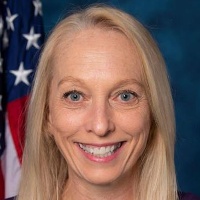
Mary Scanlon
Representative
PA
Mary Scanlon
Representative
PA
This proposed constitutional amendment grants Congress and the states the authority to establish reasonable limits on campaign spending by candidates and outside groups to ensure fair elections. It allows for different spending regulations for individuals versus corporations or other entities. Crucially, this new power cannot be used to restrict the freedom of the press.
This joint resolution proposes a constitutional amendment to establish specific limits on consecutive terms for Senators and Representatives, with exceptions for partial terms served due to vacancies.
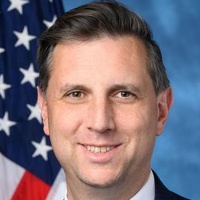
Seth Magaziner
Representative
RI
Seth Magaziner
Representative
RI
This joint resolution proposes a constitutional amendment to establish term limits for members of the U.S. Congress. It sets limits requiring Senators to sit out for one year after two consecutive terms and Representatives to sit out for one year after five consecutive terms. Importantly, time served filling a vacancy generally will not count toward these consecutive term totals.
This bill mandates the exclusion of the Basic Allowance for Housing (BAH) from the calculation of gross household income when determining eligibility for the basic needs allowance for eligible Armed Forces members.
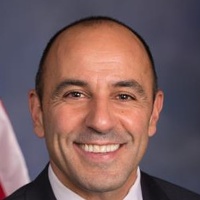
Jimmy Panetta
Representative
CA
Jimmy Panetta
Representative
CA
This bill amends current law to mandate the exclusion of the Basic Allowance for Housing (BAH) when calculating the gross household income for eligible members of the Armed Forces. This change specifically impacts the determination of eligibility for benefits tied to the basic needs allowance. By removing the housing stipend from income calculations, the legislation aims to provide a more accurate assessment of a service member's actual financial need.
This bill extends Haiti's preferential trade benefits until 2037, enhances annual labor compliance reviews for producers, and mandates U.S. technical assistance to boost and diversify Haitian exports.
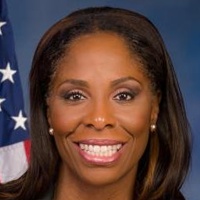
Stacey Plaskett
Representative
VI
Stacey Plaskett
Representative
VI
The HOPE for Haitian Prosperity Act of 2025 strengthens trade benefits for Haiti by extending preferential duty treatment until 2037 and increasing annual labor compliance reviews focusing on wages and working conditions. The bill also mandates the U.S. Trade Representative to provide targeted technical assistance aimed at increasing and diversifying Haitian exports to the United States. These measures seek to enhance Haiti's economic competitiveness while ensuring adherence to core labor standards.
This bill extends the President's authority to continue exercising control over the Metropolitan Police Department in 30-day increments during a declared emergency.

Andrew Ogles
Representative
TN
Andrew Ogles
Representative
TN
The Capital Emergency Control Act of 2025 amends existing law to allow the President to extend control over the D.C. Metropolitan Police Department (MPD) in 30-day increments following an emergency declaration. This extension requires the President to notify key Congressional committees that the emergency conditions persist. This change applies to current and future emergencies declared under Section 740 of the D.C. Home Rule Act.
This bill removes the Medicare exclusion for services provided in facilities primarily focused on mental disease treatment, effective January 1, 2027.
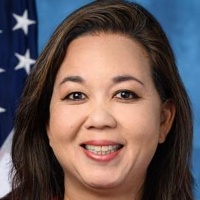
Jill Tokuda
Representative
HI
Jill Tokuda
Representative
HI
The Rural Behavioral Health Improvement Act of 2025 aims to enhance behavioral healthcare access in rural areas by modifying Medicare coverage rules. This bill specifically removes the existing exclusion that prevents Medicare payment for services provided in facilities primarily focused on treating mental diseases. This significant change is scheduled to take effect on January 1, 2027.
This bill clarifies the information sharing requirements for the FBI with various state, local, and tribal law enforcement and standards-setting agencies, while also updating relevant definitions.
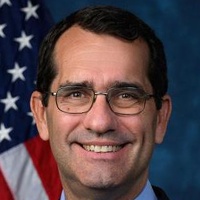
Derek Schmidt
Representative
KS
Derek Schmidt
Representative
KS
This Act, the Peace Officer Standards and Training Agency Information Access Clarification Act, mandates that the Attorney General ensure the FBI can exchange records with authorized state, local, tribal, and correctional agencies, including Peace Officer Standards and Training (POST) agencies. It formally defines what constitutes a POST agency under federal law. The Attorney General must update federal regulations within 180 days to align with these new information-sharing provisions.
The SHIELD Act of 2025 establishes a pilot program to train Armed Forces members in digital information literacy, threat recognition, and responsible online conduct.

Haley Stevens
Representative
MI
Haley Stevens
Representative
MI
The SHIELD Act of 2025 establishes a pilot program to train members of the Armed Forces in digital information literacy and security. This temporary training will cover identifying misinformation, verifying sources, and understanding the consequences of online sharing. The Secretary of Defense must report on the effectiveness of in-person, virtual, and hybrid teaching methods one year after the program begins. Ultimately, the Act aims to inform recommendations for permanent, required digital safety training across the military.
This resolution demands the President provide the House with documents detailing the Department of Government Efficiency's access to and planned use of a cloud copy of the Social Security Administration's NUMIDENT database.
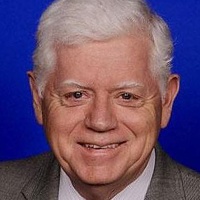
John Larson
Representative
CT
John Larson
Representative
CT
This resolution is a formal request from the House of Representatives demanding the President provide specific documents regarding the Department of Government Efficiency's access to and use of sensitive Social Security Administration (SSA) data, particularly the NUMIDENT database. Congress seeks detailed information on the creation of a cloud copy of NUMIDENT, including its intended uses, security assessments, and who has been granted access. The inquiry specifically targets records concerning data usage for federal audits, benefit denials, AI training, and potential private sales.
This Act establishes a framework for striking workers to access unemployment insurance benefits after a two-week waiting period or the hiring of permanent replacements.
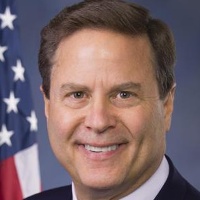
Donald Norcross
Representative
NJ
Donald Norcross
Representative
NJ
The Empowering Striking Workers Act of 2025 establishes a pathway for workers involved in a strike or lockout to receive unemployment insurance benefits after a mandatory 14-day waiting period. This legislation also exempts striking workers from the standard requirement to actively search for new employment while they are unable to work due to the labor dispute.
The BUFFER Act allows regional transit organizations facing extreme weather to request an increased spare bus ratio of up to 30% to ensure service reliability.
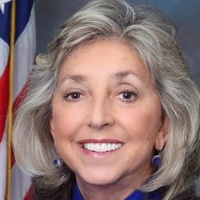
Dina Titus
Representative
NV
Dina Titus
Representative
NV
The BUFFER Act, or Bus Utilization for Fleet Flexibility and Emergency Resilience Act, addresses the operational challenges transit agencies face due to extreme weather. This bill authorizes regional planning organizations to request an increased spare bus ratio, up to 30 percent, from the Federal Transit Administration. This increase is available to regions that can certify they regularly experience severe weather that disrupts normal bus service. The goal is to ensure greater reliability and resilience for essential public transportation during emergencies.
This Act limits Medicare Part D beneficiary cost-sharing for prescription drugs to the drug's average net price after the deductible and before the out-of-pocket limit, starting in 2027.
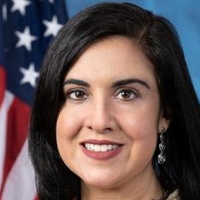
Nicole Malliotakis
Representative
NY
Nicole Malliotakis
Representative
NY
The Protect Beneficiaries from Middlemen Act aims to lower out-of-pocket prescription drug costs for Medicare Part D beneficiaries. Starting in 2027, this bill caps a beneficiary's cost-sharing (copays/coinsurance) at the drug's "average net price" after the deductible is met but before the out-of-pocket limit. This ensures that cost-sharing reflects the actual price paid by the plan after rebates. The Government Accountability Office will review the implementation and enforcement of these new rules by 2029.
This bill provides Fiscal Year 2026 appropriations for the Departments of Labor, Health and Human Services, and Education, along with related agencies, while imposing numerous restrictions on regulatory enforcement, social policy initiatives, and the use of federal funds.
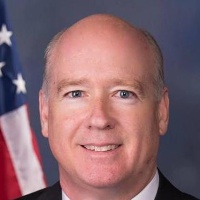
Robert Aderholt
Representative
AL
Robert Aderholt
Representative
AL
This bill sets the Fiscal Year 2026 funding levels and spending rules for the Departments of Labor, Health and Human Services (HHS), and Education, along with related agencies. It allocates billions across workforce training, public health initiatives, medical research, and K-12/higher education programs. Crucially, the legislation includes numerous provisions that restrict the implementation of specific federal regulations concerning worker classification, student loan relief, and certain civil rights interpretations.
This resolution commemorates the 80th anniversary of the end of World War II by honoring the service and sacrifices of all veterans from both the Pacific and European theaters.
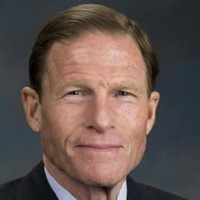
Richard Blumenthal
Senator
CT
Richard Blumenthal
Senator
CT
This resolution commemorates the 80th anniversary of the conclusion of World War II with the surrender of Imperial Japan. It formally honors the sacrifices of the more than 16 million Americans who served in both the Pacific and European theaters. The resolution calls upon the nation to recognize this historic milestone and express deep gratitude to the "Greatest Generation."
This bill directs the Department of Defense to establish dedicated Blast Safety Officer positions across all military branches to monitor and mitigate service members' exposure to dangerous blast pressure during training and exercises.
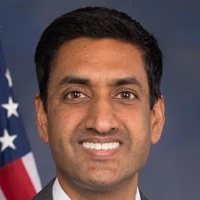
Ro Khanna
Representative
CA
Ro Khanna
Representative
CA
This bill mandates the Department of Defense to establish dedicated Blast Safety Officer positions across the Army, Navy, Marine Corps, Air Force, and Space Force by September 30, 2026. These officers will be responsible for monitoring and enforcing safety standards during explosive exercises to reduce service members' exposure to dangerous blast pressure. They will have the authority to halt dangerous drills, provide pre-exercise safety briefings, and investigate any overpressure incidents. This measure aims to proactively protect military personnel from potential long-term health risks associated with blast exposure.
This Senate resolution expresses the sense that Ashli Babbitt is disqualified from receiving military funeral honors due to her actions during the January 6th Capitol breach.

Ruben Gallego
Senator
AZ
Ruben Gallego
Senator
AZ
This Senate resolution expresses the sense of the Senate that Ashli Babbitt is disqualified from receiving military funeral honors due to her actions during the January 6th Capitol breach. The resolution argues that her conduct brings discredit upon the Armed Forces, violating the standards set forth in Section 985 of Title 10, U.S. Code. Furthermore, it condemns the Air Force's decision to grant such honors and affirms support for law enforcement who defended the Capitol.
This Act establishes a temporary program for beautifying the District of Columbia and creates a Commission to recommend actions on immigration enforcement, crime reduction, and public safety improvements.
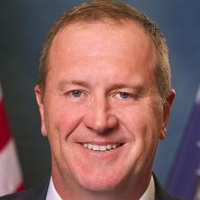
Eric Schmitt
Senator
MO
Eric Schmitt
Senator
MO
The Make the District of Columbia Safe and Beautiful Act establishes a temporary program managed by the Secretary of the Interior to coordinate federal and local efforts to beautify and clean up public spaces in D.C. It also creates the District of Columbia Safe and Beautiful Commission to recommend actions on public safety, immigration enforcement, and police support. Both the beautification program and the Commission are set to automatically terminate on January 2, 2029.
This bill authorizes the President to award the Medal of Honor to Ret. Col. Robert J. Graham for his extraordinary valor while flying combat missions during the Vietnam War.
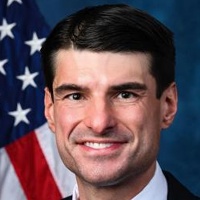
Robert Bresnahan
Representative
PA
Robert Bresnahan
Representative
PA
This bill authorizes the President to award the Medal of Honor to Retired Colonel Robert J. Graham for his extraordinary valor during the Vietnam War. It specifically waives existing time limitations to recognize his heroic actions on May 1, 1966, where he flew repeated attack passes in a heavily damaged aircraft to save ground troops. Colonel Graham's courage resulted in the destruction of numerous enemy positions and saved hundreds of American lives.