Legislation
This resolution censures Representative Ilhan Omar for public comments following an assassination and removes her from the Committee on Education and Workforce and the Committee on the Budget.
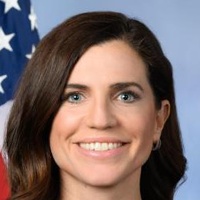
Nancy Mace
Representative
SC
Nancy Mace
Representative
SC
This resolution formally censures Representative Ilhan Omar for public comments made following the assassination of Charlie Kirk, which the House deems to have blamed the victim for his own death. As part of this formal reprimand, the resolution requires Representative Omar to be publicly censured on the House floor. Furthermore, it mandates her immediate removal from both the Committee on Education and the Workforce and the Committee on the Budget.
This bill amends the Community Development Banking and Financial Institutions Act to significantly increase capitalization assistance for Community Development Financial Institutions (CDFIs) to enhance their liquidity.
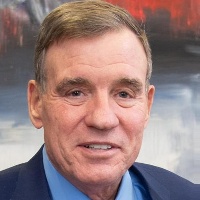
Mark Warner
Senator
VA
Mark Warner
Senator
VA
This bill amends the Community Development Banking and Financial Institutions Act to enhance liquidity for Community Development Financial Institutions (CDFIs). It authorizes the Fund to provide capitalization assistance, such as purchasing loans or offering guarantees, to organizations that support CDFIs. The legislation significantly raises the funding cap for this assistance and mandates annual reporting to Congress on its impact.
This resolution officially designates the week of September 15 through September 19, 2025, as National Clean Energy Week to recognize the importance of the growing clean energy sector and its contribution to the economy and environment.
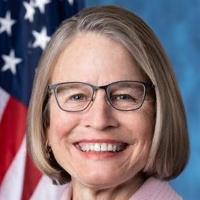
Mariannette Miller-Meeks
Representative
IA
Mariannette Miller-Meeks
Representative
IA
This resolution officially designates the week of September 15 through September 19, 2025, as "National Clean Energy Week." It recognizes the vital role of the growing clean energy sector in creating American jobs and advancing national environmental and economic goals. The bill encourages public and private entities to promote affordable, low-emission energy solutions across the country.
The Keep Billionaires Out of Social Security Act aims to protect Social Security from external government agencies, restrict political access to sensitive data, stabilize office operations, reestablish key oversight offices, and increase funding for customer service and disability applicant assistance.
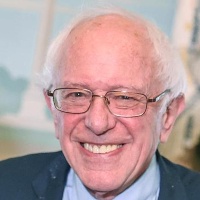
Bernard Sanders
Senator
VT
Bernard Sanders
Senator
VT
The Keep Billionaires Out of Social Security Act aims to protect Social Security from external government interference, specifically exempting it from the jurisdiction of the new Department of Government Efficiency (DOGE). The bill also tightens restrictions on political appointees accessing beneficiary data, mandates that only verified deceased individuals are added to the Death Master File, and locks in current SSA office levels. Finally, it allocates significant new funding for improving customer service, modernizing technology, and establishing state and community grants to assist disability applicants.
This Act establishes the Healthy Kids Grant Program to improve nutrition and physical activity for children from birth to age five in early care settings while also addressing food insecurity.
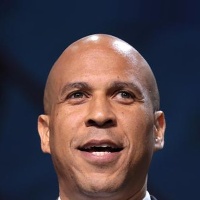
Cory Booker
Senator
NJ
Cory Booker
Senator
NJ
The Reducing Obesity in Youth Act of 2025 establishes a new Healthy Kids Grant Program to improve nutrition and physical activity for children from birth to age five in early care and education settings. This program funds organizations to train providers, build state capacity to connect families with nutrition resources, and reduce food insecurity among young children. Grantees must partner with diverse local implementing groups and focus on evidence-based strategies to promote healthy habits both in care settings and at home.
The RAISE Act of 2025 mandates that states incorporate specific academic standards for artificial intelligence and emerging technologies when developing or revising K-12 curriculum guidelines.
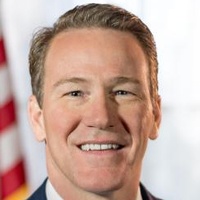
Jon Husted
Senator
OH
Jon Husted
Senator
OH
The RAISE Act of 2025 mandates that states incorporate specific academic standards for artificial intelligence and emerging technologies when developing or revising their K-12 curriculum guidelines. This ensures that AI literacy becomes a required component of state academic standards under federal education law.
This resolution expresses support for designating September 14, 2025, as "National Food is Medicine Day" to promote the use of medically tailored food interventions for managing chronic diseases and improving public health.
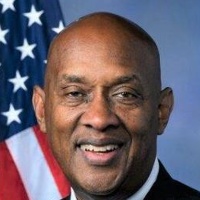
Dwight Evans
Representative
PA
Dwight Evans
Representative
PA
This resolution expresses strong support for designating September 14, 2025, as "National Food is Medicine Day." It recognizes that integrating medically tailored food and nutrition interventions into healthcare is a promising strategy for preventing and managing chronic diseases while potentially lowering overall healthcare costs. The bill urges the Department of Health and Human Services to fund research and integrate proven "food is medicine" programs into standard care delivery. Ultimately, it calls for collaboration across federal agencies and private partners to expand the effective use of food as a vital component of health treatment.
This resolution authorizes the Senate to consider and vote on 48 presidential nominations for various federal positions simultaneously in Executive Session.
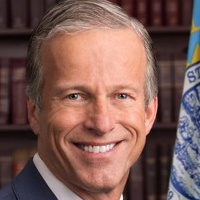
John Thune
Senator
SD
John Thune
Senator
SD
This executive resolution authorizes the Senate to consider and vote on a batch of 48 presidential nominations simultaneously, rather than individually. This procedural move is designed to expedite the confirmation process for these high-level appointments across various federal agencies and ambassadorships.
This bill modifies the Family and Medical Leave Act (FMLA) to establish specific, easier eligibility and leave calculation standards for paraprofessionals and other education support staff based on their typical school-year schedules.

Tammy Duckworth
Senator
IL
Tammy Duckworth
Senator
IL
This bill, the ESP, Paraprofessional, and Education Support Staff Family Leave Act, modifies the Family and Medical Leave Act (FMLA) for school employees. It establishes a new, more flexible standard for paraprofessionals and education support staff to meet the FMLA's hours-of-service requirement based on their typical school-year schedule. Furthermore, the Act mandates the Department of Labor to create specific calculation methods for FMLA leave entitlement tailored to the unique scheduling of educational employees.
This resolution honors the victims of Hurricane Helene one year later and expresses the House's commitment to supporting the recovery of the affected communities in western North Carolina.
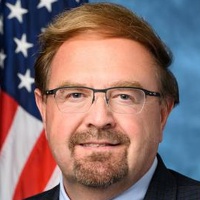
Charles (Chuck) Edwards
Representative
NC
Charles (Chuck) Edwards
Representative
NC
This resolution formally honors the victims of Hurricane Helene one year after the storm devastated western North Carolina. It expresses deep condolences to the affected communities and recognizes the heroic efforts of first responders and volunteers. Furthermore, the resolution affirms Congress's commitment to supporting ongoing recovery and rebuilding efforts in the region.
This resolution expresses support for designating a week to recognize the vital role of Community School Coordinators in supporting students and strengthening community partnerships.
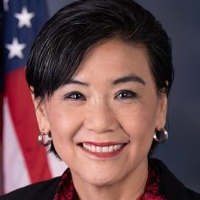
Judy Chu
Representative
CA
Judy Chu
Representative
CA
This resolution expresses the House's strong support for designating a week to honor Community School Coordinators. It highlights the vital role these coordinators play in integrating school and community resources to improve student outcomes. The bill specifically designates the week of September 14 through September 20, 2025, as "Community School Coordinators Appreciation Week."
This resolution condemns the assassination of Charlie Kirk, honors his life and legacy as the founder of Turning Point USA, and reaffirms the right to peaceful political expression.
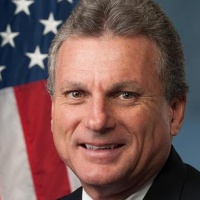
Earl Carter
Representative
GA
Earl Carter
Representative
GA
This resolution formally condemns the political assassination of Charlie Kirk on September 10, 2025, and expresses deep condolences to his family. It honors his life and legacy by recognizing his founding of Turning Point USA and his dedication to engaging young conservatives. Furthermore, the resolution reaffirms the commitment to protecting the right to peaceful assembly and political expression.
This resolution authorizes the lying in honor of the remains of Charles James Kirk, a champion of free speech and youth political engagement, in the Capitol rotunda.
Nancy Mace
Representative
SC
Nancy Mace
Representative
SC
This resolution authorizes the use of the U.S. Capitol rotunda for a lying in honor ceremony for the late Charles James Kirk. Kirk is recognized as a lifelong advocate for freedom of speech, civil political discourse, and youth political engagement. The Speaker of the House and the President pro tempore of the Senate will oversee the necessary arrangements for the event.
This resolution recognizes the vital contributions of medical research, particularly NIH-funded work, to public health and the economy, while designating September 15-19, 2025, as "Medical Research Week."
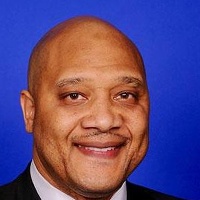
André Carson
Representative
IN
André Carson
Representative
IN
This resolution officially recognizes the vital contributions of medical research to public health and economic growth across the nation. It specifically designates September 15 through September 19, 2025, as "Medical Research Week." The bill emphasizes the critical role of sustained federal funding, particularly for the National Institutes of Health (NIH), in driving life-saving discoveries and ensuring national health security. It encourages public appreciation for the scientists and institutions conducting this essential work.
This bill authorizes Congress to award Congressional Gold Medals to the 1980 U.S. Men's Olympic Ice Hockey team for their historic "Miracle on Ice" victory.
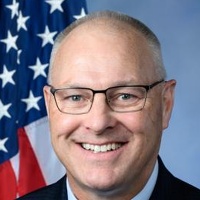
Pete Stauber
Representative
MN
Pete Stauber
Representative
MN
This bill, the Miracle on Ice Congressional Gold Medal Act, officially authorizes Congress to award Congressional Gold Medals to the 1980 U.S. Men's Olympic Ice Hockey Team for their historic "Miracle on Ice" victory. The medals will be struck by the Treasury and permanently displayed at specific national sports museums. The Act also permits the sale of duplicate bronze medals to cover production costs.
This concurrent resolution sets the congressional budget for fiscal year 2026 and establishes spending and revenue levels for fiscal years 2027 through 2035, while tightening Senate budget enforcement procedures.

Rand Paul
Senator
KY
Rand Paul
Senator
KY
This concurrent resolution establishes the proposed federal budget framework for fiscal year 2026 and sets spending levels through 2035, projecting an initial reduction in the federal deficit. It outlines specific spending targets across government functions and mandates strict procedural rules within the Senate to enforce these budgetary limits. The resolution also grants the Senate Budget Committee Chairman authority to adjust figures related to savings or Health Savings Account legislation.
The PIPES Act of 2025 authorizes funding, expands safety regulations to include carbon dioxide pipelines, enhances workforce development, and mandates numerous studies to improve overall pipeline efficiency and safety.
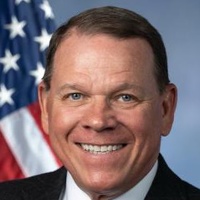
Sam Graves
Representative
MO
Sam Graves
Representative
MO
The Promoting Innovation in Pipeline Efficiency and Safety Act of 2025 (PIPES Act) significantly updates federal pipeline safety by authorizing appropriations through FY 2029 and expanding regulatory oversight to include carbon dioxide pipelines. The bill focuses on improving workforce development, mandating transparency for outstanding safety rules, and establishing new grant programs for community infrastructure upgrades. Furthermore, it directs numerous studies on critical areas like composite materials, geohazards, and the costs of pipeline failures to inform future safety standards.
This bill reauthorizes funding for monitoring, assessing, and researching the Great Lakes Basin through fiscal year 2030.

Mike Quigley
Representative
IL
Mike Quigley
Representative
IL
This bill, the Great Lakes Fishery Research Reauthorization Act, extends the authorization for federal funding dedicated to monitoring, assessing, and researching the Great Lakes Basin. It pushes the current funding expiration date from 2025 to the end of fiscal year 2030. This ensures continued support for vital Great Lakes protection and study programs for an additional five years.
This bill ensures Medicare coverage for certain breakthrough medical devices during a four-year transitional period while accelerating the final coverage decision process.
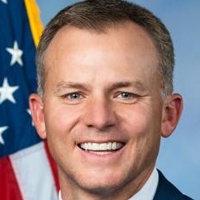
Blake Moore
Representative
UT
Blake Moore
Representative
UT
This Act, the Ensuring Patient Access to Critical Breakthrough Products Act, aims to speed up Medicare coverage for innovative, FDA-approved "breakthrough devices." It establishes a process for manufacturers to gain a four-year transitional coverage period for these devices, ensuring patients have timely access while long-term coverage decisions are finalized. The bill also allocates funding to CMS to manage these expedited reviews and allows for oversight of provider billing practices related to these new technologies.
The Safe at Home Act mandates that federal agencies and courts must accept and protect the designated addresses provided by participants in state address confidentiality programs.
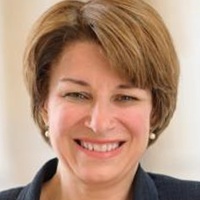
Amy Klobuchar
Senator
MN
Amy Klobuchar
Senator
MN
The Safe at Home Act mandates that all federal executive agencies and courts must accept the designated address provided by participants in state address confidentiality programs. This ensures individuals using these safety measures are not penalized for using their confidential address instead of their physical location. Agencies must establish procedures to obtain physical addresses only when necessary, and any disclosed physical addresses are protected from public release under FOIA. Participants must notify federal entities if they leave the program.