Legislation
This bill expands federal subsidies under the Federal Water Pollution Control Act to support technology investments focused on water efficiency, energy efficiency, and sustainable infrastructure.
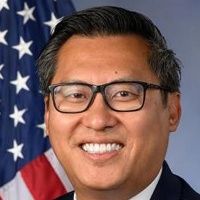
Vince Fong
Representative
CA
Vince Fong
Representative
CA
This bill amends the Federal Water Pollution Control Act to expand eligibility for additional federal subsidies for water infrastructure projects. It specifically allows these funds to support investments in new technologies and processes that promote water efficiency, energy efficiency, and stormwater runoff reduction. The goal is to encourage the development of cost-effective and sustainable water infrastructure.
The America’s CHILDREN Act of 2025 establishes a path to permanent residency for certain long-term college graduates who entered the U.S. as dependents of work visa holders and updates age-out protections for dependent children.
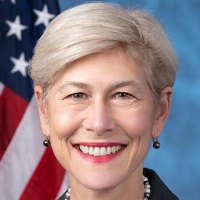
Deborah Ross
Representative
NC
Deborah Ross
Representative
NC
The America’s CHILDREN Act of 2025 establishes a new pathway to permanent residency for certain individuals who entered the U.S. as children, lived here legally for at least eight years as dependents of work visa holders, and subsequently earned a U.S. college degree. The bill also introduces significant "age-out" protections, allowing long-term dependents to retain their original priority dates for visa processing. Furthermore, it clarifies rules for derivative beneficiaries, potentially granting them work authorization in certain dependent statuses.
This bill establishes new privacy protections for Members of Congress, their families, and certain staff by restricting the public disclosure and sale of their sensitive personal information by government agencies and data brokers.
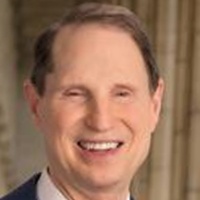
Ron Wyden
Senator
OR
Ron Wyden
Senator
OR
The Protecting Americans from Doxing and Political Violence Act establishes new privacy protections for Members of Congress, former Members, and their families by restricting the public disclosure of sensitive personal information by government agencies and data brokers. The bill mandates the removal of "covered information," such as home addresses and personal phone numbers, from public records within 72 hours upon request. It also makes it illegal for data brokers to sell this protected information and requires other online entities to cease posting it after receiving notice.
This Act mandates the restoration of previously available learning materials in Department of Defense Education Activity (DoDEA) schools and establishes new review processes to limit the Secretary of Defense's ability to issue sweeping curriculum or event restrictions.
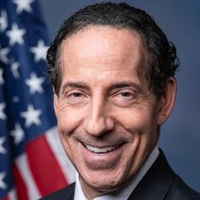
Jamie Raskin
Representative
MD
Jamie Raskin
Representative
MD
The Stop Censoring Military Families Act mandates the immediate restoration of previously available learning materials in Department of Defense Education Activity (DoDEA) schools and prevents new restrictions until after the 2026–2027 academic year. It establishes strict notification and review processes before the Secretary of Defense can issue major directives affecting multiple DoDEA schools. Furthermore, the Act nullifies several specific Executive Orders within the Department of Defense and requires a study on establishing an independent body to manage DoDEA curricula.
This Act prohibits U.S. courts and arbitrators from enforcing any foreign law, including Sharia law, if doing so would violate fundamental rights guaranteed by the U.S. or State Constitutions.
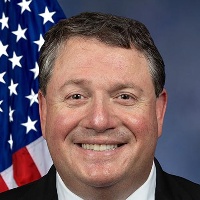
Randall Fine
Representative
FL
Randall Fine
Representative
FL
The No Shari’a Act ensures that U.S. courts rely exclusively on Federal and State laws when making decisions. This legislation prohibits courts and arbitrators from enforcing any foreign law, including Sharia law, if doing so would violate fundamental constitutional rights. The Act is designed to prevent foreign legal codes from undermining the established constitutional protections guaranteed to all Americans.
The MAP Roads Act establishes a pilot program to provide federal grants to states for digitizing and publicly mapping their county road systems to improve access and safety.
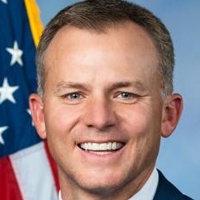
Blake Moore
Representative
UT
Blake Moore
Representative
UT
The MAP Roads Act establishes a pilot program to help states digitally map their unmapped county roads, aiming to improve rural business, safety, and navigation. The Secretary of Transportation will award grants to states that commit to creating a centralized, public repository for this standardized road data. Participating states must ensure the collected data is publicly accessible and updated annually. This grant authority is set to expire in 2031.
The VA Extenders Act of 2025 primarily extends numerous existing VA healthcare, benefits, housing, and administrative programs for one year while also refining the rules and oversight of the VA's Partial Claim Program.
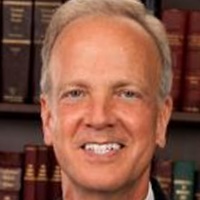
Jerry Moran
Senator
KS
Jerry Moran
Senator
KS
The VA Extenders Act of 2025 is a comprehensive bill focused on extending numerous existing Department of Veterans Affairs (VA) programs and authorities for one additional year, primarily through September 30, 2026. These extensions cover critical areas including healthcare services, mental health support, educational benefits protections, and housing assistance for homeless and disabled veterans. Additionally, the bill modifies the VA's Partial Claim Program to increase borrower accountability while mandating greater transparency through required GAO reporting.
This bill establishes the Wounded Knee Massacre site as a memorial and sacred site by transferring specific tribal land into a restricted fee status for the Oglala and Cheyenne River Sioux Tribes.
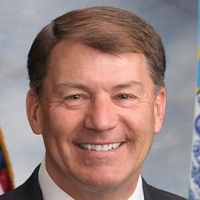
Mike Rounds
Senator
SD
Mike Rounds
Senator
SD
This Act officially establishes the Wounded Knee Massacre Memorial and Sacred Site by transferring approximately 40 acres of land to the Oglala Sioux Tribe and the Cheyenne River Sioux Tribe. The land will be held in a "restricted fee status," ensuring it remains under Tribal ownership and jurisdiction while prohibiting sale or taxation without Congressional approval. This transfer formalizes the site's protection and mandates its use according to the specific covenant signed by the two Tribes in 2022.
This Act aims to speed up the responsible exploration and development of critical minerals from the U.S. seabed and Outer Continental Shelf to secure domestic supply chains and establish global dominance.
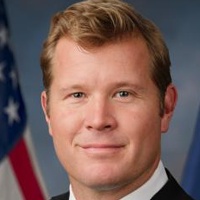
Tim Sheehy
Senator
MT
Tim Sheehy
Senator
MT
This Act aims to secure U.S. dominance in offshore critical minerals by accelerating the responsible exploration and development of seabed resources. It mandates rapid government action to streamline licensing, map key areas, and identify essential minerals found on the ocean floor. The goal is to build secure domestic supply chains and counter foreign influence by prioritizing U.S. commercial activity both on the Outer Continental Shelf and through international partnerships.
This joint resolution proposes a constitutional amendment to prohibit members of Congress from receiving compensation during any period a government shutdown is in effect due to a failure to pass a budget.
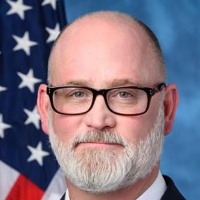
Derrick Van Orden
Representative
WI
Derrick Van Orden
Representative
WI
This joint resolution proposes a constitutional amendment to ensure Members of Congress do not receive compensation for any period during which a government shutdown is in effect due to a failure to pass a budget. If ratified by the states, this amendment would constitutionally mandate that lawmakers forfeit their pay during lapses in federal funding caused by Congressional inaction. Congress would later establish the laws necessary to enforce this new rule.
The No Coffee Tax Act freezes current import tariffs on specified coffee products from countries with normal trade relations at the rate set on January 19, 2025.
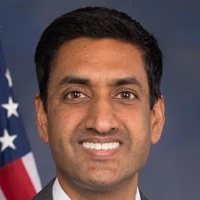
Ro Khanna
Representative
CA
Ro Khanna
Representative
CA
The No Coffee Tax Act aims to prevent any increase in import tariffs on specified coffee products originating from countries with normal trade relations with the U.S. This legislation effectively freezes the import tax rate for items like roasted coffee, decaffeinated coffee, and coffee substitutes at the level set on January 19, 2025. In short, it locks in current tariffs to ensure coffee imports remain tax-stable.
This act stops the collection of annual mortgage insurance premiums once a homeowner's loan balance reaches 78% of the original value, unless the insurance fund's capital ratio falls below 2%.
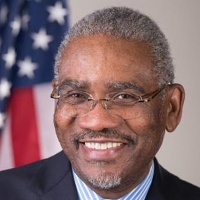
Gregory Meeks
Representative
NY
Gregory Meeks
Representative
NY
The Mortgage Insurance Freedom Act aims to eliminate the collection of annual mortgage insurance premiums once a homeowner's loan balance drops to 78% or less of the original value. This change applies only to newly insured mortgages, though the government can resume collecting premiums if the insurance fund's capital ratio falls below 2%. The Secretary of HUD must establish rules and inform homeowners on how to verify their eligibility to stop paying.
This Act allows federal disaster aid recipients to retain and use unspent management funds for future preparedness and recovery efforts, subject to a five-year availability period.
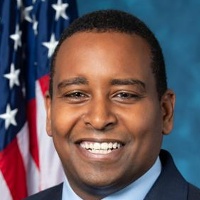
Joe Neguse
Representative
CO
Joe Neguse
Representative
CO
The Disaster Management Costs Modernization Act allows federal disaster aid recipients to retain and use unspent management funds for future preparedness, recovery, or mitigation activities. This change applies to grants awarded for disasters declared after the Act's enactment. Furthermore, the GAO is required to study current and historical disaster management costs to assess the appropriateness of current cost allocations.
**Katie Meyer's Law mandates that colleges receiving federal funding must offer students accused of misconduct the option of having a trained adviser present during disciplinary proceedings.**
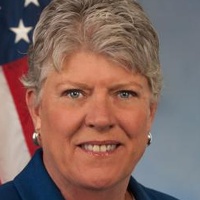
Julia Brownley
Representative
CA
Julia Brownley
Representative
CA
Katie Meyer's Law mandates that colleges and universities receiving federal funding must provide students accused of code of conduct violations the option to have a trained adviser assist them through the disciplinary process. Students can choose their own adviser or request an independent one provided by the institution. Additionally, the bill updates campus security reporting requirements to include incidents of suicide.
This Act mandates that states report detailed data on child separations occurring outside of formal court oversight, termed "hidden foster care arrangements," to ensure federal transparency and accountability.
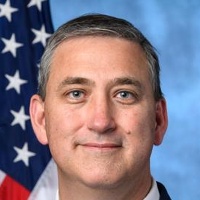
Nathaniel Moran
Representative
TX
Nathaniel Moran
Representative
TX
The Hidden Foster Care Transparency Act mandates that states track and report detailed data on informal child separations from their parents that occur without formal court oversight or official state custody. This legislation defines these situations as "hidden foster care arrangements" and requires the Secretary of Health and Human Services to compile an annual public report summarizing this data. The goal is to bring transparency to these arrangements, which often include safety planning or kinship diversion, to better understand how children are being moved outside the formal child welfare system.
This Act conveys approximately 295.89 acres of National Forest System land in Utah to the City of Fruit Heights for public use, subject to certain conditions and the reservation of public trail access.
Blake Moore
Representative
UT
Blake Moore
Representative
UT
The Fruit Heights Land Conveyance Act of 2025 directs the Secretary of Agriculture to transfer approximately 295.89 acres of National Forest System land to the City of Fruit Heights, Utah. This conveyance is made without monetary cost to the City, subject to existing rights and the reservation of public access for the Bonneville Shoreline Trail. The City must use the transferred land exclusively for public purposes, or the ownership interest will revert back to the U.S. government.
This bill establishes federal oversight, led by the FTC, requiring large entities to conduct impact assessments and report on high-stakes "covered algorithms" to ensure fairness and mitigate consumer harm.
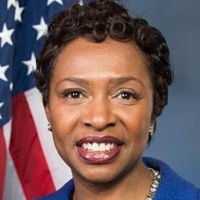
Yvette Clarke
Representative
NY
Yvette Clarke
Representative
NY
The Algorithmic Accountability Act of 2025 establishes federal oversight for large entities using complex automated systems, or "covered algorithms," that impact critical consumer decisions like employment or housing. It mandates that these entities conduct rigorous, ongoing impact assessments to test for bias, privacy risks, and performance issues. The Federal Trade Commission (FTC) is tasked with creating detailed regulations and enforcing compliance, including requiring covered entities to submit annual summary reports detailing their assessment findings. This Act ensures that significant algorithmic decisions are scrutinized for fairness and transparency without overriding stricter state or local regulations.
This bill extends the authorization for key federal programs supporting the resilience and sustainability of clean water and drinking water infrastructure until 2031.
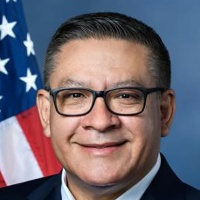
Salud Carbajal
Representative
CA
Salud Carbajal
Representative
CA
The Water Infrastructure Resilience and Sustainability Act extends the operational deadlines for key federal programs designed to strengthen water infrastructure. Specifically, this bill pushes the expiration dates for the Clean Water Infrastructure Resiliency and Sustainability Program and two Drinking Water System Resilience and Sustainability Programs from 2026 to 2031. This extension ensures continued funding and support for community projects aimed at improving water system toughness against severe weather and environmental challenges.
This bill streamlines FEMA disaster recovery by allowing local governments to use the Construction Manager at Risk procurement method and raising the simplified procurement spending threshold from $\$1$ million to $\$3$ million.
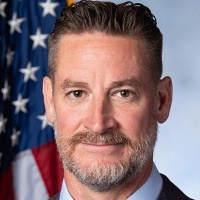
W. Steube
Representative
FL
W. Steube
Representative
FL
The Streamlining FEMA Procurement Procedures Act of 2025 aims to speed up disaster recovery by allowing local governments to use the Construction Manager at Risk (CMAR) hiring method for federally funded projects. This legislation also significantly raises the simplified procurement spending threshold from $\$1$ million to $\$3$ million. These changes are intended to make acquiring necessary construction and professional services more efficient after a disaster.
This act establishes a structured, multi-phase apprenticeship program allowing drivers under 21 to operate commercial motor vehicles in interstate commerce under strict supervision and specific vehicle requirements.
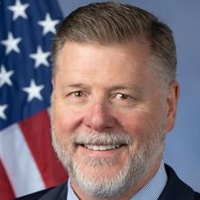
Eric Crawford
Representative
AR
Eric Crawford
Representative
AR
The Developing Responsible Individuals for a Vibrant Economy Act (DRIVE-SAFE Act) establishes a structured apprenticeship program allowing drivers under 21 to operate commercial motor vehicles in interstate commerce. This program requires apprentices to complete 400 hours of supervised training, divided into two probationary phases focusing on foundational and advanced driving skills. Participation mandates specific vehicle technology, such as automatic transmissions and collision mitigation systems, and continuous supervision by an experienced driver.