Legislation
This Act makes strike benefits received from a labor organization tax-free for federal income tax purposes starting in 2025.

Shri Thanedar
Representative
MI
Shri Thanedar
Representative
MI
The Picket Line Protection Act of 2025 makes strike benefits received from a labor organization tax-free for federal income tax purposes. This change applies to compensation received after January 1, 2025, intended to cover lost wages during a strike. The bill aims to provide financial relief to striking workers by exempting these payments from taxation.
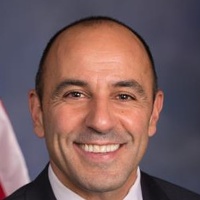
The Inspired to Serve Act of 2025 aims to revitalize American civic engagement by funding civics education, coordinating military and public service pathways, expanding national service opportunities, and modernizing mobilization readiness.
Jimmy Panetta
Representative
CA
Jimmy Panetta
Representative
CA
The **Inspired to Serve Act of 2025** is a comprehensive bill designed to strengthen civic engagement, service pathways, and national readiness. It establishes dedicated funding to revitalize K-12 civic education and service-learning programs nationwide, while simultaneously streamlining opportunities across military, national, and public service sectors. Furthermore, the Act modernizes federal hiring, enhances benefits for service members and national service participants, and updates mobilization systems to ensure the nation can effectively deploy critical skills during emergencies.
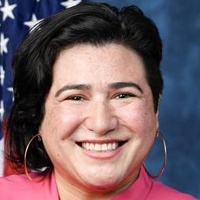
This Act prohibits most immigration enforcement activities within 1,000 feet of protected emergency response locations unless exigent circumstances exist.
Emily Randall
Representative
WA
Emily Randall
Representative
WA
The Emergency Responder Protection Act establishes a 1,000-foot protected zone around emergency response locations, severely restricting immigration enforcement activities near disaster sites and aid centers. Immigration officers generally cannot conduct enforcement actions within this zone unless facing exigent circumstances, such as imminent risk of death or violence. The bill mandates strict operational rules, annual training for officers, and detailed reporting requirements to the DHS Inspector General and Congress regarding any enforcement actions taken near these protected areas. Violations of this rule may result in the termination of removal proceedings and the inadmissibility of evidence gathered.
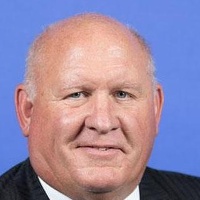
This resolution expresses support for designating October 5 through October 11, 2025, as "National 4-H Week" to recognize the organization's impact on youth development.
Glenn Thompson
Representative
PA
Glenn Thompson
Representative
PA
This resolution expresses the support of Congress for designating October 5 through October 11, 2025, as "National 4-H Week." It recognizes 4-H as a vital youth development organization that empowers nearly six million young people through hands-on learning in areas like science, health, and civic engagement. The bill celebrates 4-H's role in fostering confident, compassionate leaders across the nation.
This resolution expresses Congressional support for designating October 8, 2025, as "National Hydrogen and Fuel Cell Day" to promote awareness of this clean energy technology.

Jim Costa
Representative
CA
Jim Costa
Representative
CA
This resolution expresses the formal support of Congress for designating October 8, 2025, as "National Hydrogen and Fuel Cell Day." It serves as a non-binding statement recognizing the critical role of hydrogen and fuel cell technology in addressing energy, environmental, and economic challenges. The bill highlights the clean, efficient, and versatile applications of this technology across transportation and power generation. Ultimately, it encourages public awareness and continued American innovation in the hydrogen sector.
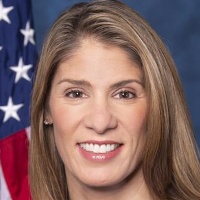
The Pipeline Accountability Act of 2025 strengthens pipeline safety and environmental standards, mandates public transparency, and empowers citizens to enforce compliance.
Lori Trahan
Representative
MA
Lori Trahan
Representative
MA
The Pipeline Accountability Act of 2025 significantly strengthens pipeline safety and environmental standards by mandating rapid leak shut-off technology and considering climate impact in regulations. It dramatically increases public transparency by requiring operators to disclose extensive safety data and establishes new avenues for community engagement with regulators. Finally, the Act enhances accountability by empowering private citizens to sue for safety violations and updating the civil penalty structure for non-compliance.
This resolution officially designates September 2025 as Gynecologic Cancers Awareness Month to promote education, research, and early detection efforts for cancers affecting women's reproductive systems.

Debbie Dingell
Representative
MI
Debbie Dingell
Representative
MI
This resolution officially designates September 2025 as Gynecologic Cancers Awareness Month to highlight the serious impact of cancers like ovarian and endometrial cancer. By promoting awareness, the bill aims to encourage earlier diagnosis, support vital research efforts, and ultimately improve health outcomes for women affected by these diseases. This designation encourages the public to learn more about risk factors and prevention.
The American Artificial Intelligence Leadership and Uniformity Act establishes a national framework to promote U.S. AI leadership by creating a mandatory action plan while temporarily pausing state and local regulation of interstate AI systems.
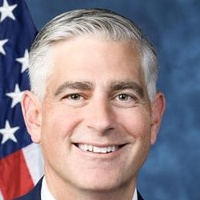
Michael Baumgartner
Representative
WA
Michael Baumgartner
Representative
WA
The American Artificial Intelligence Leadership and Uniformity Act aims to establish a national framework to ensure U.S. leadership in AI development while preventing a patchwork of conflicting state regulations. It mandates the creation of a comprehensive National AI Action Plan to streamline innovation and set security standards. Crucially, the bill institutes a five-year moratorium on state and local laws that restrict the interstate use of AI models and automated decision systems. This legislation seeks to balance responsible governance with fostering a predictable environment for technological advancement.
The SEVER Act of 2025 authorizes the denial of U.S. entry visas to United Nations representatives subject to specific sanctions under Executive Order 13876 as of September 16, 2025.

Ted Cruz
Senator
TX
Ted Cruz
Senator
TX
The SEVER Act of 2025 amends existing law to grant the U.S. government the authority to deny entry visas to individuals designated as representatives to the United Nations. This denial power is specifically triggered if the individual is subject to sanctions under Executive Order 13876, as it stands on September 16, 2025. In essence, the bill strengthens visa enforcement by adding specific sanctions compliance as a mandatory ground for inadmissibility for UN representatives.
This Act establishes minimum state requirements for concussion safety and management plans, immediate removal from play, and academic accommodations for student athletes to receive federal education funding.

Richard Durbin
Senator
IL
Richard Durbin
Senator
IL
The Protecting Student Athletes from Concussions Act of 2025 establishes minimum federal standards for concussion safety and management plans in public schools receiving federal education funding. This Act mandates comprehensive education, immediate removal from activity upon suspected concussion, and strict written clearance protocols for returning to both sports and academics. States failing to comply face escalating reductions in their Elementary and Secondary Education Act funding.
This resolution designates October 10, 2025, as "American Girls in Sports Day" to recognize the importance of protecting opportunities for biological females in women's sports.
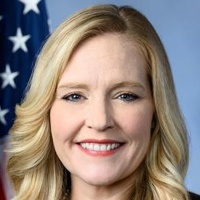
Erin Houchin
Representative
IN
Erin Houchin
Representative
IN
This resolution officially designates October 10, 2025, as "American Girls in Sports Day" to celebrate the achievements of women in athletics. It emphasizes the importance of Title IX while expressing concern over biological males competing in women's sports. The bill calls on all sports bodies to protect opportunities for female athletes.
This bill protects the private information of legislators, their families, and survivors of sexual assault and domestic violence from being published or sold online by government agencies, data brokers, and other businesses.

Ron Wyden
Senator
OR
Ron Wyden
Senator
OR
This Act shields sensitive personal information, such as home addresses and phone numbers, of Members of Congress, their families, and survivors of sexual assault and domestic violence from public disclosure. It mandates that government agencies and data brokers remove this "covered information" from public records and online platforms within 72 hours of a request. The law aims to prevent doxing and protect these individuals from potential political violence.
The Pathways to Paychecks Act grants states increased flexibility in staffing their employment service offices by allowing the use of either state merit staff or personnel meeting federal contractor requirements.

Bill Cassidy
Senator
LA
Bill Cassidy
Senator
LA
The Pathways to Paychecks Act grants states greater flexibility in staffing their employment service offices. This allows states to utilize either their existing state merit staff or hire personnel who meet the established requirements for federal contractors. The goal is to streamline operations while ensuring qualified individuals assist job seekers.
The Patients Deserve Price Tags Act mandates comprehensive price transparency for hospitals, labs, and ambulatory surgical centers, strengthens cost disclosure for health plans, and requires itemized billing and detailed Explanation of Benefits for patients.
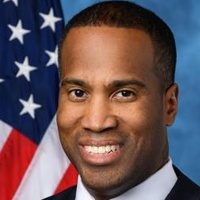
John James
Representative
MI
John James
Representative
MI
The Patients Deserve Price Tags Act aims to significantly increase healthcare price transparency across the board. It mandates that hospitals, clinical diagnostic laboratories, and ambulatory surgical centers must publicly post detailed, consumer-friendly pricing information, including negotiated rates and cash prices. Furthermore, the bill strengthens requirements for health plans to provide real-time cost-sharing estimates and mandates itemized Explanation of Benefits (EOBs) and itemized bills to consumers after receiving care. Finally, it increases fiduciary oversight by requiring group health plans to gain greater access to claims and payment data from their service providers.
The GREEN Streets Act mandates that states prioritize climate change mitigation, infrastructure resilience, and reduced vehicle miles traveled in their road performance measures, while imposing strict analysis and investment requirements for capacity-expanding projects that increase emissions.
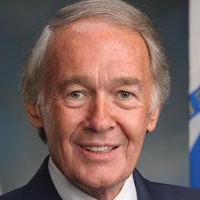
Edward Markey
Senator
MA
Edward Markey
Senator
MA
The **GREEN Streets Act** updates federal road performance measures to prioritize combating climate change, requiring states to set minimum standards for reducing driving, improving non-car alternatives, and cutting greenhouse gas emissions. It mandates rigorous environmental and emissions analysis for any federally funded project that expands road capacity for single-occupancy vehicles. Furthermore, the bill establishes new national standards for transit accessibility, requiring major metropolitan areas to set goals for improving first/last mile connections and transit use. Finally, states failing to meet emissions targets must dedicate significant federal highway funds toward projects that help them achieve those goals.
This bill directs the U.S. Trade Representative to negotiate with Canada and Mexico to establish national security-based foreign investment review frameworks similar to the U.S. system, with the goal of coordinating against harmful investments from nonmarket economy countries like China.
Dave McCormick
Senator
PA
Dave McCormick
Senator
PA
This Act mandates that the U.S. Trade Representative actively push Canada and Mexico to establish national security-based foreign investment review systems similar to the U.S. CFIUS framework. The goal is to align North American defenses against harmful investments, particularly from nonmarket economy countries like China. This effort includes offering technical assistance to neighboring countries to help them build these review mechanisms.
This Act expands Medicare coverage for advance care planning discussions, clarifies provider payment, removes patient cost-sharing starting in 2027, and mandates outreach and study of these services.

Mark Warner
Senator
VA
Mark Warner
Senator
VA
The Improving Access to Advance Care Planning Act expands Medicare coverage for crucial discussions about future healthcare wishes, making these planning services easier to access and receive via telehealth. The bill clarifies which providers can offer these services and ensures Medicare payment begins immediately upon enactment. Furthermore, it eliminates patient cost-sharing for these services starting in 2027 and mandates federal outreach to educate providers about the new coverage.
This act restricts federal justice grant recipients from dealing with licensed firearm dealers flagged by the ATF for frequently selling guns quickly recovered in crimes, while also mandating increased public sharing of gun tracing data.

Tammy Duckworth
Senator
IL
Tammy Duckworth
Senator
IL
The Responsible Retirement of Law Enforcement Firearms Act of 2025 ties federal justice grant eligibility to responsible firearm purchasing practices. Organizations receiving Edward Byrne Grants must agree not to deal with licensed dealers who have a high number of firearms traced back to them shortly after retail sale. Furthermore, the bill mandates the ATF to regularly share tracing information with state and local law enforcement and publicly list these "covered licensed dealers."
This Act mandates that all new federal public building designs must officially adhere to the historical "Guiding Principles for Federal Architecture" established in 1962.

Chris Van Hollen
Senator
MD
Chris Van Hollen
Senator
MD
The Democracy in Design Act mandates that all new federal public building designs must adhere to the historical "Guiding Principles for Federal Architecture" established in 1962. This law requires the General Services Administration (GSA) to issue new regulations, following a public comment period, to enforce these specific architectural standards.
This Act establishes a new advisory committee to review and recommend replacements for offensive place names on federal lands, streamlining the process for reconciliation and respect.

Elizabeth Warren
Senator
MA
Elizabeth Warren
Senator
MA
The Reconciliation in Place Names Act establishes a formal, public process for reviewing and replacing offensive place names across the United States. It creates an Advisory Committee on Reconciliation in Place Names, composed of diverse experts and tribal representatives, to gather and propose new names for geographic features and federal land units. The Board on Geographic Names must then review these proposals, approving them unless a compelling reason exists not to, thereby promoting names that reflect fairness and respect for all Americans.