Legislation
This bill establishes a pilot program to grant funds to schools for offering 100% plant-based meal options and creates a separate pilot to reimburse schools for providing nondairy beverage substitutions.
Adam Schiff
Senator
CA
Adam Schiff
Senator
CA
The Plant-Powered School Meals Pilot Act establishes a three-year grant program for eligible school districts to offer 100% plant-based meal options. It also amends existing law to expand meal substitution requirements for students with various dietary needs, including a separate pilot program to reimburse schools for providing nondairy beverages. The legislation aims to increase plant-based food offerings and better accommodate diverse student dietary requirements.
This Act declares a national housing emergency, expands the Defense Production Act to boost housing supply, suspends regulatory barriers, and ties federal block grants to local housing growth and deregulation efforts.
Elissa Slotkin
Senator
MI
Elissa Slotkin
Senator
MI
The National Housing Emergency Act of 2026 urges the President to declare a national housing emergency and use the Defense Production Act to boost housing material supply. The bill suspends numerous federal regulations to accelerate housing production and imposes "Pro-Growth Requirements" on state and local governments receiving block grants. This legislation aims to rapidly increase housing supply until either 4 million new units are built or October 1, 2031.
This bill establishes strict federal penalties, including mandatory debarment and immigration consequences, for child care providers who commit fraud involving federal funds.
John Cornyn
Senator
TX
John Cornyn
Senator
TX
The Stop Fraud by SOMALIA Act establishes strict penalties for child care providers who commit fraud involving federal funds, including mandatory permanent debarment from all federal child care assistance. The bill also imposes severe immigration consequences, such as inadmissibility and deportation, for non-citizens who commit such fraud or are associated with terrorism. Furthermore, it streamlines the implementation of these rules by exempting certain agency actions from standard administrative rulemaking procedures.
This bill extends and reforms federal transportation financing programs (TIFIA and RRIF) to accelerate the development of housing, especially affordable housing, near transit hubs.
Lisa Blunt Rochester
Senator
DE
Lisa Blunt Rochester
Senator
DE
The Build Housing, Unlock Benefits and Services Act, or Build HUBS Act, aims to address the housing crisis by streamlining federal financing for housing development near transit. It extends and reforms the TIFIA and RRIF loan programs to encourage transit-oriented development, especially for attainable housing. Key changes include creating alternative creditworthiness assessments and establishing delegated loan processing systems to speed up approvals. The bill explicitly preserves all existing state and local zoning and land use laws.
This bill establishes a VA program to provide necessary in-home bowel and bladder care, including stipends for family and individual caregivers, for eligible veterans with spinal cord injuries or disorders.
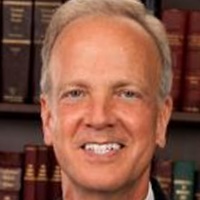
Jerry Moran
Senator
KS
Jerry Moran
Senator
KS
The Disabled Veterans Dignity Act of 2026 establishes a new Department of Veterans Affairs program to provide essential bowel and bladder care for eligible veterans with spinal cord injuries or disorders living at home. This act ensures veterans receive necessary support through family members, individual caregivers, or contracted agencies based on clinical need. Furthermore, it clarifies that family and individual caregivers should not be treated as self-employed contractors for tax purposes. The legislation aims to improve the quality of life and health outcomes for these veterans by ensuring continuous, individualized care.
This act establishes minimum health and safety standards, rigorous inspection protocols, and increased accountability for privatized military housing to protect service members and their families from hazardous living conditions.
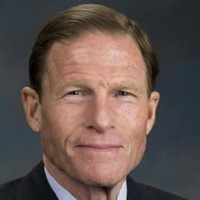
Richard Blumenthal
Senator
CT
Richard Blumenthal
Senator
CT
The Military Occupancy Living Defense (MOLD) Act establishes mandatory minimum health and safety standards for all military family housing, addressing issues like mold contamination and poor maintenance. It institutes rigorous independent inspection, reporting, and enforcement requirements for privatized housing providers. Furthermore, the bill mandates financial accountability for contractors regarding remediation and relocation expenses, aiming to improve living conditions for service members and their families.
This bill reauthorizes and significantly expands the National Quantum Initiative to accelerate U.S. leadership in quantum science, engineering, and technology through enhanced workforce development, supply chain security, international cooperation, and new research infrastructure.

Todd Young
Senator
IN
Todd Young
Senator
IN
The National Quantum Initiative Reauthorization Act of 2026 aims to significantly expand and strengthen the U.S. national commitment to quantum information science, engineering, and technology. This bill reauthorizes and updates the existing initiative by bolstering workforce development, enhancing interagency coordination, and securing the quantum supply chain against foreign threats. It also establishes new programs for quantum testbeds, NIST research centers, and requires a review of regulatory barriers to accelerate domestic quantum innovation.
The WALZ Act mandates the HHS Inspector General to investigate State programs receiving federal funds if payments to service providers increase by 10% or more within any six-month period.
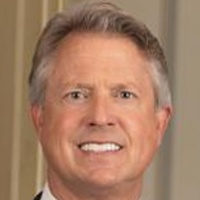
Roger Marshall
Senator
KS
Roger Marshall
Senator
KS
The WALZ Act mandates that the Inspector General of the Department of Health and Human Services investigate state programs receiving federal HHS funds if payments to service providers or suppliers increase by 10% or more within any six-month period. This legislation aims to ensure proper oversight of federal funding distributed through state programs.
This bill allows certain terminally ill individuals to immediately access disability benefits (at a reduced rate), requires Congressional approval for new Compassionate Allowance conditions, prohibits concurrent receipt of disability benefits and unemployment compensation, and increases the threshold for collecting benefit overpayments.
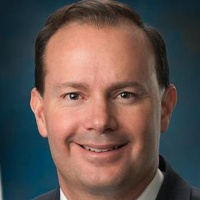
Mike Lee
Senator
UT
Mike Lee
Senator
UT
The Immediate Access for the Terminally Ill Act provides an option for individuals with certain terminal illnesses to receive disability insurance benefits immediately, without the standard waiting period, though at a reduced benefit amount. The bill also prohibits receiving Social Security disability benefits concurrently with unemployment compensation. Furthermore, it increases the Commissioner's flexibility in collecting benefit overpayments and requires Congressional approval for adding new conditions to the Compassionate Allowance list.
This act exempts voluntary economic coordination between individuals from federal antitrust laws, including the Sherman Act and Clayton Act.

Rand Paul
Senator
KY
Rand Paul
Senator
KY
The Antitrust Freedom Act of 2026 aims to significantly limit the scope of federal antitrust laws. This legislation explicitly states that existing antitrust statutes, including the Sherman and Clayton Acts, cannot be used to prohibit voluntary economic coordination between individuals. Essentially, it carves out an exemption for voluntary agreements and cooperation among individuals from federal antitrust enforcement.
This Act imposes diplomatic and financial sanctions on foreign officials and entities determined to be obstructing the delivery of essential humanitarian aid to civilians in conflict zones.
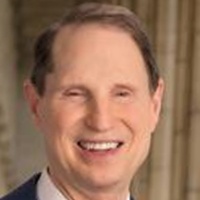
Ron Wyden
Senator
OR
Ron Wyden
Senator
OR
The Accountability for Withholding Aid and Relief Essentials (AWARE) Act of 2026 establishes U.S. policy requiring unimpeded access for humanitarian aid to civilians in conflict zones. It mandates the President to identify and impose diplomatic and financial sanctions on foreign officials obstructing this essential assistance. The bill includes specific congressional oversight procedures for waiving or terminating these sanctions.
The SAF Act extends the clean fuel production tax credit and reinstates a higher credit rate specifically for sustainable aviation fuel.
Jerry Moran
Senator
KS
Jerry Moran
Senator
KS
The Securing America's Fuels Act (SAF Act) extends the clean fuel production tax credit through 2033. This legislation specifically reinstates and increases the tax credit rate for sustainable aviation fuel (SAF) produced at facilities that capture or sequester carbon. The bill also establishes a clear definition for what qualifies as sustainable aviation fuel for the purpose of this credit.
This bill establishes a new, voluntary, limited accreditation option for adoption service providers focusing on specific intercountry adoption services like background studies, home studies, or post-placement reports.
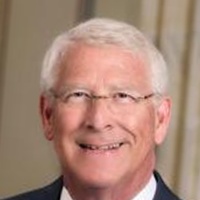
Roger Wicker
Senator
MS
Roger Wicker
Senator
MS
This bill establishes the **Voluntary Limited Accreditation for Adoption Services Act** to address the declining number of accredited adoption service providers. It creates a new, voluntary accreditation option allowing providers to be accredited for specific, limited services like home studies or post-placement reports. This aims to improve intercountry adoption practices by increasing the availability of experienced providers for essential adoption steps.
This act expands and increases funding for the federal program promoting pollinator-friendly vegetation management practices along highways.
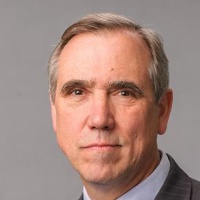
Jeff Merkley
Senator
OR
Jeff Merkley
Senator
OR
The Roadside Pollinator Program Amendments Act expands federal support for pollinator-friendly practices along highways. This bill increases grant funding amounts and authorizes higher overall program funding through 2031. It also broadens eligibility for grants and refines consultation requirements with the U.S. Fish and Wildlife Service and Indian Tribes during vegetation management planning.
This act prohibits the use of federal funds to provide benefits under TANF, Medicaid, SNAP, and other programs to refugees, asylees, and individuals present in the U.S. without legal status.
Rand Paul
Senator
KY
Rand Paul
Senator
KY
The End Welfare for Noncitizens Act prohibits the use of federal funds to provide benefits to refugees, asylees, and individuals present in the U.S. without legal status. This restriction specifically targets major federal programs including TANF, Medicaid, and SNAP. The goal is to bar these specific noncitizen groups from accessing federal assistance, subsidies, or services.
This bill mandates the USPS to assign the unique ZIP code 06264 exclusively to Scotland, Connecticut.

Christopher Murphy
Senator
CT
Christopher Murphy
Senator
CT
This bill mandates the United States Postal Service to assign a single, unique ZIP Code (06264) exclusively for the town of Scotland, Connecticut. The USPS is required to implement this designation within 180 days of the law's enactment.
This bill ensures that essential U.S. Customs and Border Protection and ICE personnel and contractors receive pay and benefits during a government shutdown.
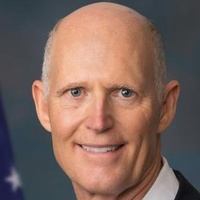
Rick Scott
Senator
FL
Rick Scott
Senator
FL
The Keep Our Border Agents Paid Act ensures that essential personnel within U.S. Customs and Border Protection and U.S. Immigration and Customs Enforcement continue to receive pay and benefits during a government shutdown. This legislation automatically appropriates necessary funds from the Treasury to cover excepted employees and specific contractors supporting border and immigration operations. Funding remains active until Congress passes a regular or continuing appropriations bill.
This bill prevents the SEC from restricting closed-end investment companies from investing in private funds.
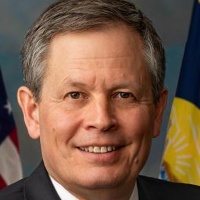
Steve Daines
Senator
MT
Steve Daines
Senator
MT
The Increasing Investor Opportunities Act aims to expand investment options for closed-end funds by limiting the SEC's authority to restrict these funds from investing in private funds. This legislation prevents the SEC and national securities exchanges from imposing limitations solely based on a closed-end company's investment in private funds. The bill seeks to increase market flexibility without altering existing fiduciary or valuation requirements.
The ACCESS Act of 2026 raises the financial threshold requiring a public accountant's review for certain securities offerings and grants the SEC authority to further adjust this limit.
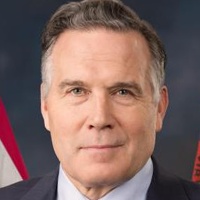
Dave McCormick
Senator
PA
Dave McCormick
Senator
PA
The ACCESS Act of 2026 aims to support small businesses by raising the financial threshold that requires a public accountant's review of financial statements in certain offerings. This bill increases the mandatory review threshold from $\$100,000$ to $\$250,000$ and grants the SEC authority to potentially raise it further to $\$400,000$ based on specific recommendations. It also includes technical updates to existing securities law references.
This bill establishes new standards for federal immigration enforcement personnel regarding the use of force, identification, equipment restrictions, and mandatory reporting and camera requirements.
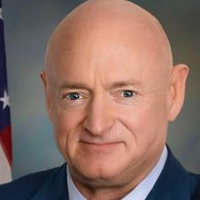
Mark Kelly
Senator
AZ
Mark Kelly
Senator
AZ
The Stop Excessive Force in Immigration Act of 2026 establishes strict new standards for federal immigration enforcement personnel regarding the use of force, requiring de-escalation and proportionality. The bill mandates increased accountability through requirements for body cameras, clear identification, and detailed reporting on force incidents. It also restricts the use of certain equipment like tear gas and mandates annual training on use of force policies and civil rights.