Legislation
This bill establishes federal requirements for chemical abortion providers, mandating specific informed consent procedures, including reading highlighted FDA warnings to the patient 24 hours prior, with penalties for non-compliance.
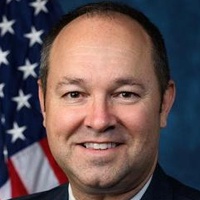
Marlin Stutzman
Representative
IN
Marlin Stutzman
Representative
IN
The Chemical Abortion Risk Awareness Act establishes new federal requirements for medical providers offering chemical abortions, mandating a detailed informed consent process at least 24 hours prior to the procedure. This includes providing and reading specific FDA warning labels to the patient. Non-compliant providers who receive federal funds face potential funding withdrawal and civil lawsuits from the patient or their parent.
This resolution honors the life, service, and ultimate sacrifice of Delaware State Police Corporal Grade One Matthew T. "Ty" Snook.
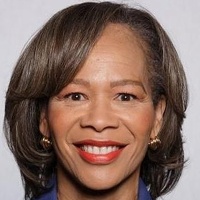
Lisa Blunt Rochester
Senator
DE
Lisa Blunt Rochester
Senator
DE
This resolution honors the life and dedicated service of Delaware State Police Corporal Grade One Matthew T. "Ty" Snook. It memorializes his heroic sacrifice made in the line of duty on December 23, 2025, while protecting the public. The resolution expresses deep condolences to his family and reaffirms support for law enforcement.
This bill establishes mandatory minimum humanitarian standards for health screening, water, sanitation, food, and shelter for all individuals in ICE and CBP custody.
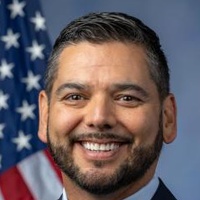
Raul Ruiz
Representative
CA
Raul Ruiz
Representative
CA
The Humanitarian Standards for Individuals in ICE and CBP Custody Act establishes minimum standards for health screening, nutrition, sanitation, and shelter for individuals detained by ICE and CBP. This bill mandates specific protocols for medical care, facility conditions, and personnel training to ensure humane treatment. It also requires regular inspections and public reporting on compliance and sexual abuse complaints.
The Fair Repair Act mandates that original equipment manufacturers provide owners and independent shops with fair access to necessary documentation, parts, and tools for digital electronic equipment repair while prohibiting anti-repair practices like parts pairing.
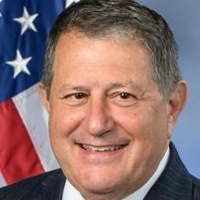
Joseph Morelle
Representative
NY
Joseph Morelle
Representative
NY
The Fair Repair Act mandates that Original Equipment Manufacturers (OEMs) must provide owners and independent repair shops with necessary documentation, parts, and tools for digital electronic equipment repair on fair and reasonable terms. This law specifically prohibits OEMs from using practices like parts pairing to restrict functionality or block independent repairs. Enforcement of these requirements will be handled by the Federal Trade Commission and State Attorneys General.
This Act mandates FERC to study the grid impact of data centers and requires grid operators to establish special interconnection queues that prioritize data centers meeting strict requirements for new clean power, labor standards, and demand offsets, while also encouraging states to create data center-specific electricity rate classes.
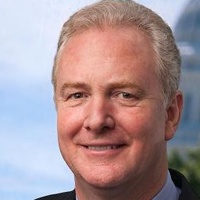
Chris Van Hollen
Senator
MD
Chris Van Hollen
Senator
MD
The Power for the People Act of 2026 mandates the Federal Energy Regulatory Commission (FERC) to study the impact of data centers on the electric grid and establish special interconnection queues for them. This legislation aims to ensure data centers bear the costs of their grid demands, preventing residential and business customers from subsidizing their growth. The bill also encourages states to adopt specific electricity rate classes for data centers to protect ratepayers from rising energy costs and infrastructure burdens.
The QR Act mandates that immigration enforcement officers wear scannable QR codes linking to a public website displaying their identifying information and a mechanism for submitting conduct complaints.
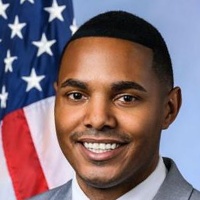
Ritchie Torres
Representative
NY
Ritchie Torres
Representative
NY
The Quick Recognition Act (QR Act) mandates that all ICE and CBP enforcement officers wear a visible, scannable QR code on their uniforms. Scanning the code links to a public DHS website displaying the officer's name, badge number, and employment status. This system is designed to enhance accountability by providing a clear mechanism for the public to submit complaints about officer conduct.
This bill establishes strict procedures, including public notification and Inspector General review, for closing or reducing access to Social Security field offices while mandating minimum staffing levels to ensure continued vital services.
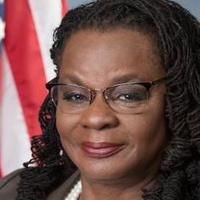
Gwen Moore
Representative
WI
Gwen Moore
Representative
WI
This bill establishes strict procedures, including public notification and hearings, that the Social Security Administration must follow before closing or reducing access to any field office. It mandates that field offices maintain adequate staffing and operating hours to ensure comprehensive and convenient public services. Furthermore, the legislation requires the Inspector General to review and approve any proposed office closure actions.
This act terminates three major pandemic unemployment assistance programs established by the CARES Act and rescinds their remaining unspent federal funds.
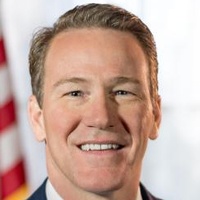
Jon Husted
Senator
OH
Jon Husted
Senator
OH
The Clawing back Lapsed Obligations from State Emergency programs (CLOSE) Act terminates three major pandemic unemployment assistance programs established under the CARES Act. This legislation rescinds all remaining unspent federal funds designated for Pandemic Unemployment Assistance (PUA), Federal Pandemic Unemployment Compensation (FPUC), and Pandemic Emergency Unemployment Compensation (PEUC). The bill effectively ends federal payments for these emergency unemployment benefits 30 days after enactment.
The RURAL Rate Act establishes a minimum payment floor of 1.67 for practice expense and work geographic indices for certain medical services in Alaska starting in 2026.
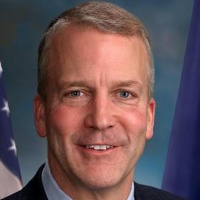
Dan Sullivan
Senator
AK
Dan Sullivan
Senator
AK
The RURAL Rate Act establishes a minimum payment floor for certain medical services provided in Alaska, effective January 1, 2026. This bill mandates that the practice expense and work geographic payment indices for these services in Alaska be increased to a minimum value of 1.67 if they would otherwise fall below that threshold.
This Act ratifies the Yavapai-Apache Nation Water Rights Settlement Agreement, authorizing funding for infrastructure projects and finally resolving the Nation's water rights claims in Arizona.
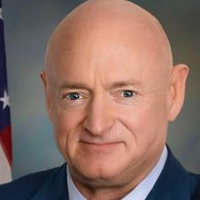
Mark Kelly
Senator
AZ
Mark Kelly
Senator
AZ
The Yavapai-Apache Nation Water Rights Settlement Act of 2026 ratifies a comprehensive agreement to finally resolve the Nation's water rights claims in Arizona. The bill authorizes significant federal funding to construct essential water infrastructure, including the T lnchoh Water Infrastructure Project, to secure water delivery for the Nation. It also establishes trust and project funds to manage settlement assets and directs the protection of the cultural value of the Verde River. Finally, the Act outlines specific waivers of water-related claims by the Nation against the State and the United States upon its enforcement.
This Act establishes the Water Project Navigators Program to fund specialized positions that assist eligible entities in developing multi-benefit water projects that enhance climate resilience and ecosystem health.
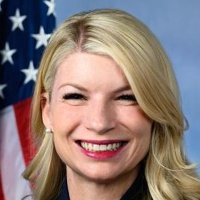
Brittany Pettersen
Representative
CO
Brittany Pettersen
Representative
CO
The Water Project Navigators Act establishes a new program within the Department of the Interior to fund specialized "navigators." These navigators will assist eligible entities in planning, developing, and implementing complex, multi-benefit water projects. The goal is to enhance community resilience to climate impacts while improving ecosystem and watershed health. Funding is authorized through 2032, with priority given to projects serving disadvantaged, Tribal, and rural communities.
This bill reauthorizes the West Valley demonstration project and increases its authorized funding through 2037.

Kirsten Gillibrand
Senator
NY
Kirsten Gillibrand
Senator
NY
This bill seeks to reauthorize the West Valley Demonstration Project by significantly increasing its authorized funding. Specifically, it raises the annual funding level from \$75 million to \$150 million. This increased funding is authorized for the fiscal years 2027 through 2037.
This joint resolution expresses Congressional disapproval of the D.C. Council's temporary amendment to the Income and Franchise Tax Conformity and Revision Act of 2025.
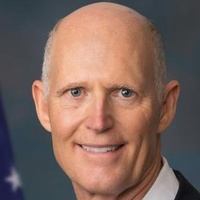
Rick Scott
Senator
FL
Rick Scott
Senator
FL
This joint resolution expresses the disapproval of Congress regarding the D.C. Income and Franchise Tax Conformity and Revision Temporary Amendment Act of 2025. It specifically targets the act approved by the D.C. Council in December 2025.
The MARINA Act establishes new standardized rules for how the Army Corps of Engineers calculates rent and administrative fees for marina concessionaires and sets limits on those charges.
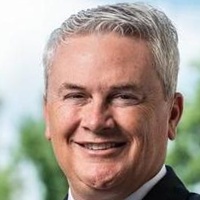
James Comer
Representative
KY
James Comer
Representative
KY
The Maintaining Access to Recreational Industry and Necessary Adjustments Act (MARINA Act) reforms how the Army Corps of Engineers calculates rent and administrative fees for marina concessionaires. It standardizes administrative fees across all districts and limits the calculation of marina rent by excluding certain high-value sales receipts. This legislation aims to provide stability and necessary adjustments for recreational industry access to Corps facilities.
This act prohibits state and local governments from enacting regulations that restrict energy service based on the type or source of energy sold in interstate commerce.
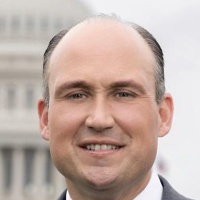
Nicholas Langworthy
Representative
NY
Nicholas Langworthy
Representative
NY
The Energy Choice Act places federal restrictions on state and local governments, preventing them from enacting regulations that prohibit or limit energy service based on its type or source. This means local governments cannot ban or restrict access to energy services sold in interstate commerce. The legislation aims to ensure consistent access to various energy sources across jurisdictions.
The Rebuild America’s Schools Act of 2026 establishes federal grant and bond programs to provide billions of dollars for the long-term improvement, modernization, and repair of public school facilities, prioritizing health, safety, and environmental conditions in high-need districts.
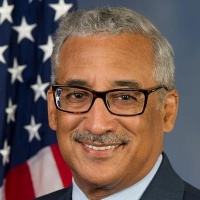
Robert Scott
Representative
VA
Robert Scott
Representative
VA
The **Rebuild America’s Schools Act of 2026** establishes major federal funding streams, including grants and tax-credit bonds, to modernize and repair public school facilities nationwide from 2027 through 2031. The legislation prioritizes districts with the greatest need, focusing on improving student health, safety, and environmental conditions in school buildings. It also mandates increased transparency through public databases tracking facility conditions and requires specific labor and "Buy America" standards for funded construction projects.
This bill reauthorizes and expands federal funding and services for victims of family and dating violence while strengthening prevention efforts, especially for Tribal and underserved communities.
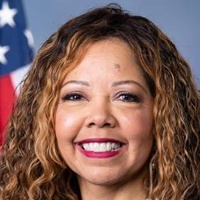
Lucy McBath
Representative
GA
Lucy McBath
Representative
GA
The Family Violence Prevention and Services Improvement Act of 2026 reauthorizes and expands critical federal programs to improve services and prevention for victims of domestic and dating violence through 2031. It significantly increases funding and broadens support, especially for Tribal communities and underserved populations, by allowing for culturally specific and digital services. Additionally, the bill enhances efforts to prevent teen dating violence through increased funding for broader educational programs.
This resolution expresses the House's commitment to defending the Fourteenth Amendment's guarantees of birthright citizenship, due process, and equal protection for all Americans.
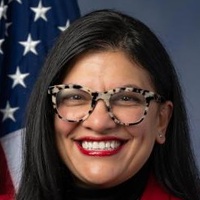
Rashida Tlaib
Representative
MI
Rashida Tlaib
Representative
MI
This resolution expresses the sense of the House that the United States must recommit to defending the rights guaranteed by the Fourteenth Amendment. It affirms the Amendment as the foundation of multiracial democracy, ensuring birthright citizenship, due process, and equal protection under the law. The bill directs Congress to oppose any action that weakens these constitutional guarantees. Ultimately, it calls for upholding the promise of freedom and equality for all Americans.
This bill automatically appropriates funds to ensure federal employees and essential contractors receive their regular pay during a government shutdown.
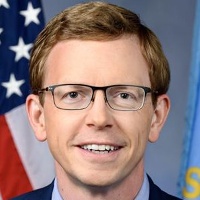
Dusty Johnson
Representative
SD
Dusty Johnson
Representative
SD
The Shutdown Fairness Act automatically appropriates necessary funds to ensure federal employees and essential contractors receive their regular pay during a government shutdown. This legislation mandates timely payment for covered personnel, regardless of whether they were deemed "excepted" or furloughed. The funds are charged against the agency's subsequent regular appropriations once they are enacted.
This Act officially recognizes the installation of mechanical insulation in federal buildings as a qualifying energy or water efficiency measure.
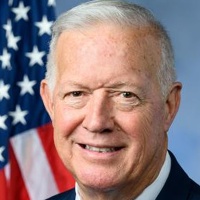
Randy Weber
Representative
TX
Randy Weber
Representative
TX
The Federal Mechanical Insulation Act officially recognizes the installation of mechanical insulation in federal buildings as a qualifying energy or water efficiency measure. This legislation defines compliant mechanical insulation as meeting or exceeding ASHRAE Standard 90.1 requirements and resulting in energy loss reduction. Furthermore, the Act mandates that comprehensive evaluations of federal buildings must identify these specific energy and water-saving insulation opportunities.