Legislation
This Act establishes an EPA grant program to fund research on the climate impacts, mitigation strategies, and monitoring of tropospheric ozone.

Sheldon Whitehouse
Senator
RI
Sheldon Whitehouse
Senator
RI
The Tropospheric Ozone Research Act of 2026 directs the EPA to establish a competitive grant program to fund research on the climate impacts of tropospheric ozone. This research will focus on improving understanding of ozone's effects on global and regional temperatures, ecosystems, and crop loss. The Act also mandates the strengthening of monitoring infrastructure and requires the EPA to report on mitigation strategies and policy recommendations.
This bill fundamentally overhauls U.S. immigration by replacing family-chain and diversity systems with a strict, merit-based framework prioritizing demonstrable national benefit, while simultaneously tightening naturalization, asylum, and public charge rules.
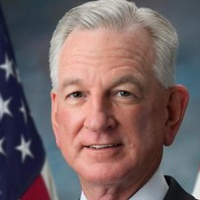
Tommy Tuberville
Senator
AL
Tommy Tuberville
Senator
AL
This bill fundamentally restructures U.S. immigration by replacing family-chain and diversity visa systems with a strict, merit-based approach requiring proof of national benefit for entry. It drastically reduces family-based immigration, eliminates the Diversity Visa Lottery, tightens employment visas, and raises the bar for citizenship and asylum. Furthermore, it mandates E-Verify for all employers and strengthens public charge rules to reduce immigrant reliance on public benefits.
This bill invalidates mandatory arbitration agreements and class action waivers for Amtrak passengers bringing consumer or civil rights claims against the railroad.
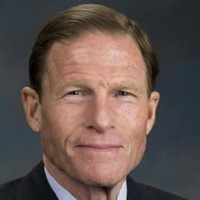
Richard Blumenthal
Senator
CT
Richard Blumenthal
Senator
CT
This bill, the Ending Passenger Rail Forced Arbitration Act, invalidates mandatory arbitration agreements and class action waivers for Amtrak passengers involved in consumer or civil rights disputes. It ensures that passengers alleging personal injury, discrimination, or other civil rights violations can pursue their claims in court. These new rules do not apply to disputes covered under the Railway Labor Act.
This act streamlines the transfer of U.S. defense articles and services between Estonia, Latvia, and Lithuania and establishes a shared ammunition system to enhance regional military readiness and deterrence against Russian aggression.
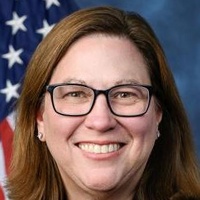
Julie Johnson
Representative
TX
Julie Johnson
Representative
TX
The FORTIFY Act streamlines defense cooperation among Estonia, Latvia, and Lithuania by removing the requirement for Presidential consent for the transfer of U.S.-provided defense articles and services between these Baltic states. This legislation aims to enhance regional security and deter aggression by allowing the Baltic nations to more flexibly share military assets. It also mandates the creation of a shared ammunition system among the three allies.
This Act formally defines a professional degree within federal education law to explicitly include nursing, alongside other established professions like medicine and law.

Jeff Merkley
Senator
OR
Jeff Merkley
Senator
OR
The Nursing is a Professional Degree Act formally defines "professional degree" within federal law to explicitly include nursing degrees. This change ensures nursing education meets the statutory standard for professional degrees, recognizing the advanced academic and skill requirements necessary to practice.
This bill officially designates the Great Lakes Commission as a Regional Great Lakes Partnership.
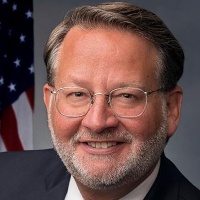
Gary Peters
Senator
MI
Gary Peters
Senator
MI
The Regional Great Lakes Partnership Act of 2026 officially designates the Great Lakes Commission as a recognized Regional Great Lakes Partnership. This designation amends existing federal law to formally include the Commission, which represents the eight Great Lakes states.
This bill exempts small, marginal oil and gas wells from specific Clean Air Act emission standards and related EPA regulations.
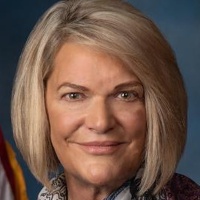
Cynthia Lummis
Senator
WY
Cynthia Lummis
Senator
WY
The Protect Domestic Oil and Gas Small Business Act of 2026 exempts small-scale "marginal wells" from specific Clean Air Act emission standards and regulatory requirements set by the EPA. This legislation removes obligations like monitoring, reporting, and leak detection for these low-production oil and gas sites. Furthermore, it prevents the EPA from requiring states to include these standards in their air quality plans.
This bill establishes grants to help high-need schools hire and retain school-based mental health service providers to improve student access to essential support.
Jeff Merkley
Senator
OR
Jeff Merkley
Senator
OR
This bill establishes the Elementary and Secondary School Counseling Act to address the critical need for mental health support in schools. It provides federal grants to states to award subgrants to local educational agencies for recruiting, retaining, and hiring school-based mental health services providers in high-need schools. The goal is to help schools work toward recommended student-to-provider ratios for counselors, psychologists, and social workers.
This Act repeals the prohibition on the Department of Defense using its facilities and funds to provide abortion care for servicemembers, except in cases of rape, incest, or life endangerment.

Kirsten Gillibrand
Senator
NY
Kirsten Gillibrand
Senator
NY
The MARCH for Military Servicemembers Act would repeal the existing prohibition on the Department of Defense (DoD) using its medical facilities and funds to provide abortion care. This action restores previous policy, allowing DoD medical resources to be used for abortion services without the current restrictions related to rape, incest, or life endangerment.
This bill imposes a 100% tax and new public reporting requirements on certain settlement payments received by former Presidents, their family members, and related entities.

Ron Wyden
Senator
OR
Ron Wyden
Senator
OR
The SLUSH FUND Act of 2026 imposes a 100% tax on certain settlement payments received by taxpayers from funds derived from civil lawsuits against the United States filed by former Presidents or their families. This legislation also establishes strict new reporting requirements for these payments, including public disclosure of the filed returns. The bill aims to prevent unauthorized and nontransparent financial arrangements benefiting specified individuals.
This bill establishes a national public awareness campaign, supported by grants, to promote the detection, screening, and management of Type 1 Diabetes.

Jeanne Shaheen
Senator
NH
Jeanne Shaheen
Senator
NH
The SCREEN for Type 1 Diabetes Act of 2026 mandates the creation of a national public awareness campaign to improve the detection, screening, and management of Type 1 diabetes. Led by the CDC, this effort will develop culturally appropriate educational materials and outreach targeting both the public and healthcare providers. The bill also authorizes grants to states and community groups to boost local screening efforts, particularly in high-incidence areas.
This Act establishes a federal tax credit to incentivize owners to sell manufactured home communities to resident-owned cooperatives or nonprofit entities committed to long-term affordability.
Jeanne Shaheen
Senator
NH
Jeanne Shaheen
Senator
NH
The Manufactured Housing Community Sustainability Act of 2026 aims to preserve affordable housing by encouraging owners of manufactured home communities to sell to resident-owned cooperatives or non-profit entities. It establishes a significant federal tax credit equal to 75% of the seller's qualified capital gain from such a sale. This incentive is contingent upon the buyer agreeing to maintain the property as a manufactured home community for at least 50 years. The bill seeks to stabilize site fees and help low-income residents build wealth by securing the land beneath their homes.
This Act authorizes the use of COPS grant funds to establish or expand programs like mobile crisis teams, co-responder teams, and case management to improve law enforcement responses to individuals experiencing mental health crises.

Michael Bennet
Senator
CO
Michael Bennet
Senator
CO
The SMART Community Policing Act aims to strengthen community policing by funding programs that de-escalate law enforcement interactions with individuals in crisis related to mental health, homelessness, or substance use. This is achieved by authorizing the use of COPS grant funds for establishing mobile crisis teams, co-responder programs, and case management outreach. These initiatives will build partnerships to connect vulnerable individuals with necessary mental health services and community resources.
This act codifies the editorial independence of *Stars and Stripes*, ensuring its reporting on military life remains free from censorship or influence by the Department of Defense.
Jeanne Shaheen
Senator
NH
Jeanne Shaheen
Senator
NH
This bill formally codifies the long-standing editorial independence of *Stars and Stripes*, ensuring its reporting remains free from censorship or influence by the Department of Defense. It mandates that the newspaper adhere to the highest journalistic standards while serving service members, their families, and the public. The legislation protects the paper's ability to provide critical, independent coverage of military life and operations.
This bill aligns Job Corps training programs with the needs of the defense industrial base, expands incentives for hiring Job Corps graduates in shipbuilding, and grants Job Corps centers greater operational flexibility.
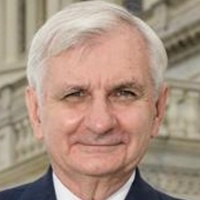
John Reed
Senator
RI
John Reed
Senator
RI
This bill aims to strengthen the defense industrial base by aligning Job Corps training programs with critical industry needs, such as shipbuilding. It expands incentives for employers to hire Job Corps graduates and provides pathways for individuals ineligible for military enlistment to gain relevant skills. Furthermore, the Act grants Job Corps centers greater operational flexibility and access to external funding.
This act expands eligibility for Qualified Opportunity Zones to include census tracts containing former military installations closed under base realignment and closure rounds.
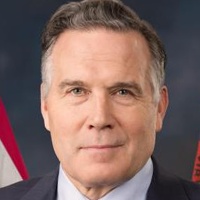
Dave McCormick
Senator
PA
Dave McCormick
Senator
PA
The Increasing Opportunity For Reindustrialization Act expands eligibility for Qualified Opportunity Zones to include census tracts containing former military installations closed under base realignment and closure rounds. This allows these areas to receive special economic development designations without meeting traditional low-income criteria. The bill also increases the total number of zones a state can designate to accommodate these newly eligible areas.
This resolution affirms that U.S. policy on mifepristone access must respect over 25 years of scientific evidence proving its safety and ensure equitable access based on the best available science.

Diana DeGette
Representative
CO
Diana DeGette
Representative
CO
This resolution expresses the sense of the House that policies governing access to mifepristone for medication abortion must be based on over 25 years of proven safety and effectiveness data. It affirms that access to this time-sensitive care should be equitable, transparent, and guided by the best available, peer-reviewed science, not political interference. The bill supports the FDA's authority to regulate based on evidence, including telemedicine and pharmacy dispensing.
This Act establishes and funds a comprehensive grant program to expand full-service community schools by providing integrated student supports, expanded learning, and deep family and community engagement.
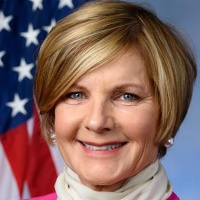
Susie Lee
Representative
NV
Susie Lee
Representative
NV
The Full-Service Community School Expansion Act of 2026 establishes a major federal grant program to fund the creation and expansion of community schools nationwide. This initiative aims to integrate academic instruction with comprehensive student, family, and community supports across six core pillars. The Act authorizes significant funding, increasing up to $1 billion annually by Fiscal Year 2031, to support planning, implementation, and scaling of these vital school models.
This bill establishes the Caja del Rio Special Management Area and National Conservation Area to permanently protect its cultural and ecological values while prioritizing tribal involvement in its management and limiting new development and motorized use.
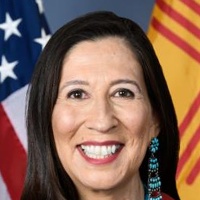
Teresa Leger Fernandez
Representative
NM
Teresa Leger Fernandez
Representative
NM
The Caja del Rio Protection Act establishes two protected zones—the Special Management Area and the National Conservation Area—to permanently safeguard the cultural, ecological, and historical values of roughly 85,000 acres of federal land in New Mexico. The bill significantly limits new roads and motorized vehicle use while prioritizing the involvement of Indian Tribes and traditional communities in management decisions. Furthermore, the Act withdraws the federal land from future mining and mineral leasing while preserving existing grazing rights and essential water infrastructure.
This resolution recognizes the 175th anniversary of Alpha Delta Pi Sorority, celebrating its history, philanthropic achievements, and notable members.

Ashley Moody
Senator
FL
Ashley Moody
Senator
FL
This resolution recognizes the 175th anniversary of the founding of Alpha Delta Pi Sorority, the first secret society for college women. It celebrates the organization's historical significance, extensive philanthropic work supporting Ronald McDonald House, and the notable achievements of its many alumnae across various fields. The resolution also acknowledges the upcoming 2026 Grand Convention.