Legislation
This act establishes a grant program to fund the placement of AEDs and CPR training in eligible federally assisted multifamily housing complexes.

Dan Goldman
Representative
NY
Dan Goldman
Representative
NY
The Residential AED and CPR Preparedness Act of 2026 establishes a grant program to increase access to Automated External Defibrillators (AEDs) and CPR training in eligible federally assisted multifamily housing complexes. This funding allows housing owners, in partnership with healthcare entities, to purchase equipment, develop emergency response plans, and train residents and staff. The goal is to enhance cardiac emergency readiness in these communities through comprehensive preparedness programs.
This bill reauthorizes funding for the National Police Athletic/Activities League to expand existing chapters and establish new ones in distressed areas to enrich youth through mentorship, education, and positive law enforcement engagement.
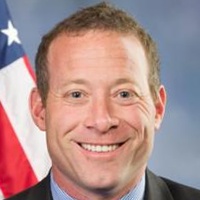
Josh Gottheimer
Representative
NJ
Josh Gottheimer
Representative
NJ
This bill reauthorizes funding for the National Police Athletic/Activities League (PAL) through fiscal year 2032. It aims to expand existing PAL chapters and establish 250 new chapters in distressed areas and public housing projects. The funding supports youth enrichment programs focused on academics, leadership, mentorship, and building positive relationships between law enforcement and young people.
This Act establishes the independent, nonprofit Foundation for Digital Opportunity to promote digital inclusion and literacy by leveraging private and philanthropic funding to supplement federal efforts.
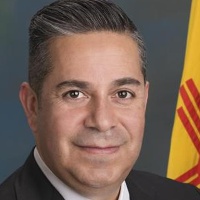
Ben Luján
Senator
NM
Ben Luján
Senator
NM
The Digital Opportunity Foundation Act of 2026 establishes an independent, nonprofit Foundation to promote digital inclusion and literacy across the nation. This Foundation will supplement federal efforts by leveraging private and philanthropic funding to increase broadband adoption and digital skills, especially among underserved populations. Governed by a diverse Board of Directors, the Foundation is authorized to conduct studies, award grants, and establish for-profit subsidiaries to stimulate economic development.
This bill establishes rigorous fitness-to-operate standards for offshore oil and gas operators and mandates fully funded, interest-bearing escrow accounts to cover all future decommissioning liabilities.
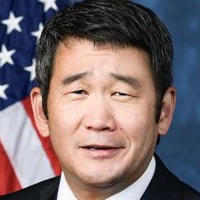
Dave Min
Representative
CA
Dave Min
Representative
CA
The Offshore Leasing Standards and Accountability Act of 2026 establishes rigorous "fitness-to-operate" standards for offshore oil and gas operators, requiring certification based on environmental compliance, safety records, and financial solvency before issuing or extending leases. The bill also mandates that leaseholders fully fund future decommissioning liabilities through interest-bearing escrow accounts, with required payments scheduled to cover estimated costs within five years. Furthermore, it restricts the temporary abandonment of offshore wells to a maximum of three years, subject to strict operational or environmental justification.
This Act mandates that employers pay employees at least one and one-half times their regular rate of pay for work performed on federal legal public holidays.
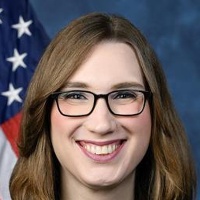
Sarah McBride
Representative
DE
Sarah McBride
Representative
DE
The Holiday Pay Act amends the Fair Labor Standards Act to mandate that employers pay employees at least one and one-half times their regular rate of pay for work performed on designated federal legal public holidays. This new premium pay requirement applies to most employees covered by the Act, with certain existing exemptions continuing to apply. Violations will be enforced using the same mechanisms as existing minimum wage and overtime violations, and the Act clarifies that it does not override any state or local laws that offer greater holiday pay protections.
The PREEMPT Act mandates that the Secretary of Health and Human Services issue guidance to Medicaid and CHIP programs on best practices and coverage for early preeclampsia screening and detection tests, including advanced biomarker tests.
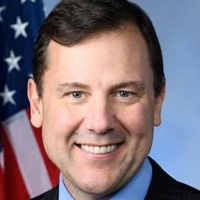
Thomas Kean
Representative
NJ
Thomas Kean
Representative
NJ
The PREEMPT Act aims to improve the early detection and management of preeclampsia, a serious pregnancy complication. This bill requires the Secretary of Health and Human Services to issue guidance to Medicaid and CHIP programs on best practices for screening and covering advanced biomarker tests for early detection. The goal is to enhance health outcomes for pregnant individuals covered by these programs by promoting evidence-based testing.
This Act allows communities to use a portion of their flood mitigation grants to pay for private, community-based parametric flood insurance premiums for a five-year period to boost financial resilience.
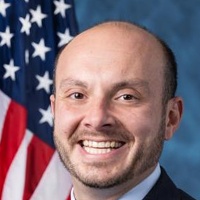
Andrew Garbarino
Representative
NY
Andrew Garbarino
Representative
NY
The Community Flood Resilience Act allows communities receiving flood mitigation grants to use a portion of those funds to purchase private, community-based parametric flood insurance for five years. This aims to provide faster financial protection following flood events, supplementing existing coverage. Communities must report on how this initiative supports broader flood insurance awareness and mitigation efforts.
This act amends ERISA to allow health marketplace pools, meeting specific requirements, to offer group health plans or insurance coverage as if they were employers.

Beth Van Duyne
Representative
TX
Beth Van Duyne
Representative
TX
The Healthcare Freedom and Fairness Act amends ERISA to allow qualified health marketplace pools to be treated as employers for offering group health coverage. These pools must meet specific requirements regarding good faith formation, equal access to coverage, and financial risk assumption. This legislation aims to expand options for group health plans, including those covering only prescription drugs, while ensuring compliance with existing nondiscrimination rules.
This act prohibits the construction of triumphal arches in Lady Bird Johnson Park and restricts arches over 50 feet tall on other National Park Service land in the capital region to protect the viewshed of Arlington National Cemetery.
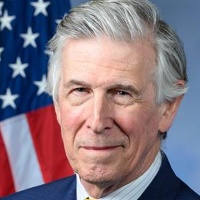
Donald Beyer
Representative
VA
Donald Beyer
Representative
VA
This act, the Arlington National Cemetery Viewshed Protection Act, prohibits the construction of any new triumphal arches in Lady Bird Johnson Park. It also restricts the building of any triumphal arch over 50 feet tall on other National Park Service land within the capital region unless explicitly authorized by Congress. The legislation aims to protect the visual landscape surrounding Arlington National Cemetery.
This Act amends tax law to allow Regulated Investment Companies to count income derived from certain precious metals as qualifying income.
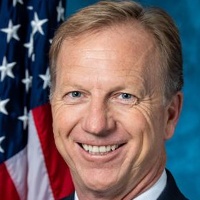
Kevin Hern
Representative
OK
Kevin Hern
Representative
OK
The Precious Metals Parity Act amends tax law to allow Regulated Investment Companies (RICs), such as mutual funds, to include income derived from certain physical precious metals like gold, silver, platinum, and palladium as qualifying income. This change expands the types of assets that RICs can hold while maintaining their favorable tax status.
This act mandates the automatic denaturalization and prioritized deportation of naturalized citizens convicted of specified terrorism offenses.
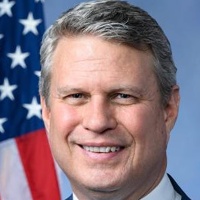
Bill Huizenga
Representative
MI
Bill Huizenga
Representative
MI
The Deport the Terrorists Act of 2026 mandates the automatic denaturalization of naturalized citizens convicted of specific terrorism offenses. This act also establishes that any non-citizen convicted of a terrorism-related offense is deportable. Finally, it directs the Secretary of Homeland Security to prioritize the deportation of individuals whose citizenship has been revoked under this law.
This act increases the maximum burial and funeral expense payment for veterans who die from a service-connected disability from \$2,000 to \$3,000, with automatic annual inflation adjustments.
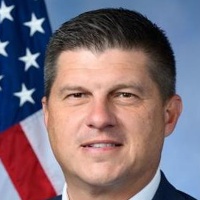
Brad Finstad
Representative
MN
Brad Finstad
Representative
MN
The Veteran Burial Benefit Correction Act increases the maximum burial and funeral expense payment provided by the VA for veterans who die from a service-connected disability from \$2,000 to \$3,000. This legislation also institutes an automatic annual adjustment to this benefit based on inflation, measured by the Consumer Price Index.
This bill establishes duties on Mexican imports and creates a compensation fund for South Texas farmers when Mexico fails to meet its required water delivery obligations under the 1944 U.S.-Mexico Water Treaty.
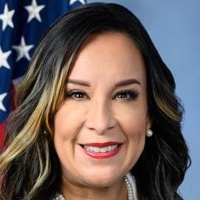
Mónica De La Cruz
Representative
TX
Mónica De La Cruz
Representative
TX
This bill establishes the **WATER for Farmers Act** to address chronic water delivery shortfalls from Mexico under the 1944 U.S.-Mexico Water Treaty. It mandates the imposition of escalating trade duties on Mexican goods if shortfalls occur, with revenue funding direct compensation for harmed South Texas agricultural producers. The Act also requires enhanced data collection to ensure transparency and enforcement of treaty obligations.
This Act amends federal sentencing law to require judges to consider whether a sentence penalizes a defendant for exercising their right to a trial, explicitly authorizing sentences below statutory minimums to protect that right.
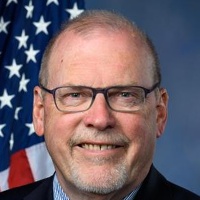
H. Griffith
Representative
VA
H. Griffith
Representative
VA
The Right to Trial Act amends federal sentencing law to ensure judges consider whether a sentence punishes a defendant for exercising their right to a trial instead of accepting a plea deal. It explicitly grants courts the authority to sentence below statutory minimums when necessary to protect this constitutional right. The bill requires judges to weigh plea offers and sentences of similarly situated co-defendants when imposing a sentence.
This act prioritizes the use of American-made mass timber and innovative wood products in federal buildings while requiring a lifecycle assessment to measure their climate impact.
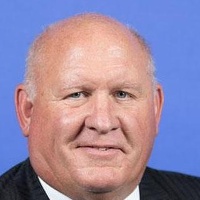
Glenn Thompson
Representative
PA
Glenn Thompson
Representative
PA
This act establishes a preference for using American-made mass timber and innovative wood products in federal public building projects. It mandates that these materials must be sourced from U.S. facilities and responsibly managed forests. Furthermore, the bill requires a lifecycle assessment to measure the climate impact of these new wood-based federal buildings.
This act appropriates \$3.5 billion in emergency funding for block grants to states to compensate agricultural producers for losses caused by the March 2026 freeze.
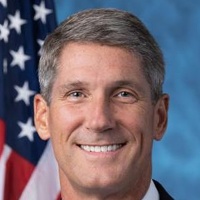
C. Franklin
Representative
FL
C. Franklin
Representative
FL
This act appropriates \$3.5 billion in emergency funding to the USDA to provide block grants to states for agricultural losses caused by the March 2026 freeze. These funds are specifically designated to compensate producers for lost revenue, quality, or production of crops, trees, bushes, and vines in designated disaster counties. The Secretary of Agriculture must report on the implementation of this assistance quarterly.
This bill mandates the Department of Energy to publicly announce changes to directives, safety analyses, and authorization agreements for high-hazard nuclear facilities within 24 hours and report annually to Congress on facility authorizations.

Kathy Castor
Representative
FL
Kathy Castor
Representative
FL
The Department of Energy Nuclear Transparency Act mandates that the Department of Energy publicly announce significant actions related to high-hazard nuclear facilities within 24 hours. This includes posting changes to safety directives, documented safety analyses, and facility authorization agreements. Additionally, the Secretary must submit an annual report to Congress detailing all facility authorizations from the previous year.
This Act establishes a competitive grant program through the SBA to award funds to small businesses to purchase technical assistance from universities and research labs for innovation and commercialization.
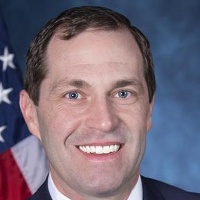
Jason Crow
Representative
CO
Jason Crow
Representative
CO
The Small Business Innovation Voucher Act of 2026 establishes a competitive grant program administered by the SBA. This program awards funds to small businesses to help cover the cost of technical assistance and research services from universities or nonprofit labs. The goal is to foster collaboration, accelerate innovation, and strengthen U.S. technological leadership. Grants range from $15,000 to $75,000 to support the development of new products and services.
This Act prohibits Department of Defense personnel from trading on prediction markets using material nonpublic information obtained through their official duties.
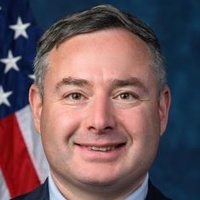
Eugene Vindman
Representative
VA
Eugene Vindman
Representative
VA
The Honesty and Trust in Service Act prohibits Department of Defense personnel, including military members and civilian employees, from trading on prediction markets while possessing material nonpublic information gained through their official duties. This measure aims to prevent insider trading by those with privileged access to sensitive defense-related information. The Secretary of Defense is tasked with establishing regulations and penalties for violations.
This Act streamlines federal transit law by expediting fund apportionment, extending bus grant availability, easing asset disposition rules, and simplifying environmental, historic preservation, and reporting requirements for transit agencies.
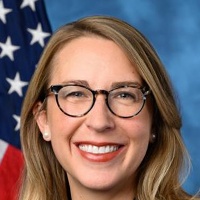
Hillary Scholten
Representative
MI
Hillary Scholten
Representative
MI
The Streamlined Apportionment, Flexibility, and Efficiency Transit Act aims to reduce regulatory burdens on transit agencies. This bill streamlines the timing of formula fund apportionments, extends the availability of bus grant funds, and eases rules for asset disposition. It also simplifies environmental reviews and consolidates federal reporting requirements for greater efficiency.