Legislation
The SAFEGUARD Veterans Act of 2026 reinstates and expands penalties for unauthorized fee charging by unaccredited representatives while improving transparency and resources for veterans seeking legitimate representation for VA benefits.
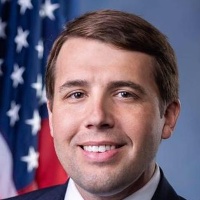
Chris Pappas
Representative
NH
Chris Pappas
Representative
NH
The **SAFEGUARD Veterans Act of 2026** strengthens protections for veterans by reinstating and expanding penalties against unaccredited representatives who charge unauthorized fees for VA benefit claims assistance. The bill mandates increased transparency by requiring the VA to maintain searchable lists of accredited representatives and improve public warnings about predatory practices on all VA websites. Furthermore, it requires new data collection on paid assistance and establishes a high-availability accreditation system for recognized agents and attorneys.
The BINSA Act expands national security screening under the Defense Production Act to restrict U.S. investment and technology transfer in biotechnology that could accelerate China's control over the pharmaceutical innovation supply chain.

John Moolenaar
Representative
MI
John Moolenaar
Representative
MI
The Biotech Investment National Security Act (BINSA Act) aims to safeguard U.S. national security by addressing risks posed by China's dominance in biotechnology. It amends the Defense Production Act to include biotechnology—specifically pharmaceutical and biologics development—under outbound investment screening authorities. This action seeks to prevent U.S. capital and intellectual property from accelerating China's control over critical therapeutic supply chains.
This Act prohibits immigration enforcement actions near sensitive locations and restricts the detention of children, individuals with cognitive disabilities, and their primary caregivers, with exceptions for criminal warrants.
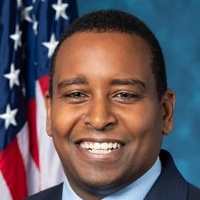
Joe Neguse
Representative
CO
Joe Neguse
Representative
CO
The Keeping Immigrants and Destinations Safe Act (KIDS Act) significantly restricts the Department of Homeland Security's ability to detain children, individuals with cognitive disabilities, and their primary caregivers. It also establishes broad "sensitive locations," such as schools and medical facilities, where immigration enforcement actions are generally prohibited. Exceptions to these restrictions only apply when enforcement is conducted under a valid criminal arrest or search warrant.
This bill mandates the FCC to establish and require a specific content descriptor for video programming that depicts or discusses gender identity if existing industry guidelines are not voluntarily updated and consistently applied to children's programming.
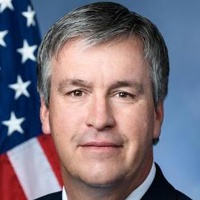
Barry Moore
Representative
AL
Barry Moore
Representative
AL
This bill proposes amending the Communications Act of 1934 to establish a specific content descriptor for video programming that depicts or discusses gender identity, transgender, or non-binary topics. The Federal Communications Commission (FCC) is directed to review whether the existing TV Parental Guidelines voluntarily incorporate this descriptor and ensure its consistent transmission for programming marketed to children. If industry compliance is insufficient, the FCC must issue regulations to mandate this new descriptor, ensuring compatibility with existing parental control technologies.
The SHINE Act mandates that political committees file separate, timely reports for large contributions received within 20 days of an election.
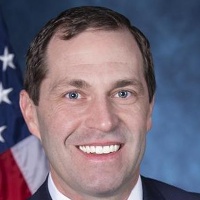
Jason Crow
Representative
CO
Jason Crow
Representative
CO
The SHINE Act mandates that political committees must file separate, written reports with the FEC for any contribution of $1,000 or more received within the final 20 days before an election. This requirement specifically targets large, last-minute donations received between 20 days and 48 hours before election day. The goal is to increase transparency regarding significant funding influencing elections close to voting.
This act amends federal law to require labeling of foods containing gluten-containing grains as a major food allergen.
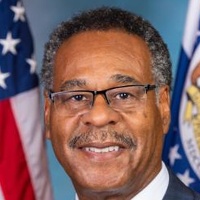
Emanuel Cleaver
Representative
MO
Emanuel Cleaver
Representative
MO
The Celiac Safety Act of 2026 amends federal law to officially classify gluten-containing grains (wheat, rye, and barley) as a major food allergen. This change mandates that foods containing these grains must be clearly labeled as such, similar to existing major allergens like peanuts or milk. This new labeling requirement will take effect 18 months after the Act's enactment.
This Act expands NIMH research on mental health complications following pregnancy loss and establishes a grant program to improve the delivery of related mental health services.
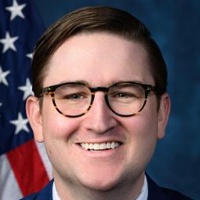
Addison McDowell
Representative
NC
Addison McDowell
Representative
NC
This Act aims to address the mental health needs following pregnancy loss through two main avenues. Title I expands and intensifies research by the National Institute of Mental Health to understand the causes and treatments for related mental health complications, including establishing a national longitudinal study. Title II amends existing grant programs to ensure funding is available for delivering clinical mental health services and support to individuals who have experienced a pregnancy loss.
This bill temporarily increases the capital gains exclusion for qualifying seniors who sell their primary residence between 2027 and 2030.
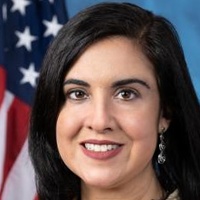
Nicole Malliotakis
Representative
NY
Nicole Malliotakis
Representative
NY
This bill temporarily increases the capital gains exclusion for qualifying seniors who sell their primary residence between 2027 and 2030. It raises the exclusion limit to up to \$1,000,000 for single filers and married couples filing jointly. To qualify, the seller must be at least 65 years old and have owned the home for at least 25 years.
This bill establishes enhanced hiring standards, uniform and identification regulations, and mandatory body-worn camera usage for Department of Homeland Security immigration enforcement officers, alongside specialized training requirements.
Joe Neguse
Representative
CO
Joe Neguse
Representative
CO
The Training, Responsibility, Uniforms, and Standards for Transparency (TRUST) Act aims to increase accountability and professionalism within immigration enforcement agencies. This bill establishes stricter hiring and screening standards for officers, mandates clear uniform and identification regulations, and requires the use of body-worn cameras during public interactions. Furthermore, it mandates specialized training covering de-escalation, civil rights, and proper identification procedures.
This bill establishes a grant program to fund community-based organizations for various strategies aimed at preventing and addressing hate crimes.
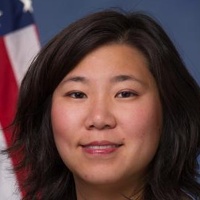
Grace Meng
Representative
NY
Grace Meng
Representative
NY
The Community-Based Approaches to Prevent and Address Hate Crimes Act of 2026 establishes a grant program to fund community organizations for local strategies to prevent and respond to hate crimes. These funds will support activities like conflict resolution, victim support, and culturally informed education campaigns. The bill also removes a previous funding limit related to supporting criminal investigations and prosecutions of hate crimes.
This Act strengthens federal law against commercial sex trafficking of minors by expanding prohibited activities and removing common defenses for offenders.
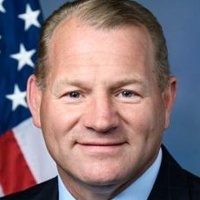
Troy Nehls
Representative
TX
Troy Nehls
Representative
TX
The Preventing Trafficking of Minors Act of 2026 strengthens federal laws against commercial sex with minors by expanding prohibited activities and removing common defenses for offenders. This legislation specifically eliminates the need to prove force, fraud, or coercion when the victim is under 18. Furthermore, it bars defendants from claiming ignorance of the victim's age, especially if they had the opportunity to observe the minor.
This bill reauthorizes and extends funding for the Minority Fellowship Program, which supports minority students in health professions through 2032.
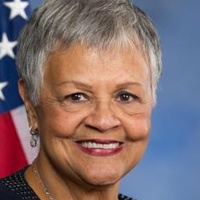
Bonnie Watson Coleman
Representative
NJ
Bonnie Watson Coleman
Representative
NJ
This bill reauthorizes the Minority Fellowship Program through 2032, ensuring continued funding for health professions students from minority backgrounds. It authorizes $27 million annually for the program from Fiscal Year 2028 through 2032.
This joint resolution disapproves a federal rule from the Executive Office for Immigration Review concerning appellate procedures for the Board of Immigration Appeals.
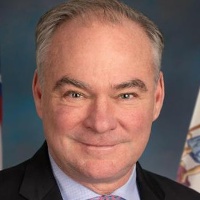
Timothy Kaine
Senator
VA
Timothy Kaine
Senator
VA
This joint resolution seeks to disapprove a specific rule from the Executive Office for Immigration Review concerning the appellate procedures of the Board of Immigration Appeals. By utilizing the Congressional Review Act, this measure invalidates the recently published rule, preventing it from taking effect.
This Act establishes a commission to set fair prices for all prescription drugs based on various factors, enforces these prices, and allows the government to intervene if manufacturers fail to comply.
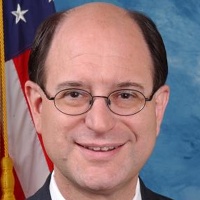
Brad Sherman
Representative
CA
Brad Sherman
Representative
CA
The Regulate the Price of All Drugs Act establishes a new Commission to recommend fair prices for all approved prescription drugs based on various factors, including production costs and international benchmarks. The Secretary of Health and Human Services must then publish and enforce these fair prices, prohibiting sales above that limit. The Act also includes provisions for patent licensing and supply chain intervention to ensure patient access to affordable medication.
This Act establishes a working group and cooperative framework to integrate secure, Taiwan-manufactured unmanned aerial systems into U.S. defense supply chains while fast-tracking certification for Taiwanese drone companies.
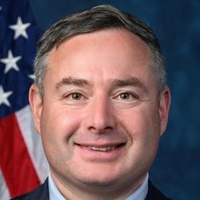
Eugene Vindman
Representative
VA
Eugene Vindman
Representative
VA
The Blue Skies for Taiwan Act of 2026 aims to bolster Taiwan's security and asymmetric defense capabilities by reducing reliance on People's Republic of China (PRC) components in unmanned aerial systems (UAS). This legislation establishes a working group to assess and promote secure, PRC-independent drone supply chains between the U.S. and Taiwan. Furthermore, it directs the creation of a cooperative framework and a fast-track certification process to integrate Taiwanese-made, secure drone technology into U.S. defense programs.
The America Bikes Act expands funding, safety improvements, and tax incentives for bicycling and pedestrian infrastructure, education, and commuting.
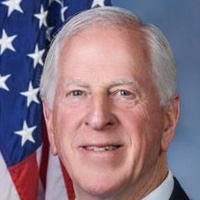
Mike Thompson
Representative
CA
Mike Thompson
Representative
CA
The America Bikes Act significantly boosts federal support for bicycling and pedestrian safety by expanding eligible highway safety projects and offering full federal funding for certain vulnerable road user improvements. The bill establishes new grant programs for large-scale active transportation networks and bicycle transit integration, while also temporarily suspending duties on imported bicycle manufacturing parts. Furthermore, it enhances bicycle commuting tax benefits and mandates updated safety education guidelines for schools.
The PERFECT Act of 2026 establishes a prohibited list of dietary supplement ingredients and performance-enhancing substances for service members, while providing commanders discretion for first-time, good-faith violations involving non-scheduled substances.
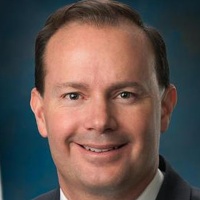
Mike Lee
Senator
UT
Mike Lee
Senator
UT
The PERFECT Act of 2026 aims to protect service members by establishing a publicly accessible, regularly updated list of prohibited dietary supplement ingredients and performance-enhancing substances. It provides commanders with discretion to forgo discipline for first-time, good-faith violations involving non-scheduled substances. Furthermore, the bill mandates improvements to supplement safety education and reporting on enforcement actions.
This bill directs the NIH and USPSTF to study hormone variability before perimenopause and the clinical usefulness of hormone testing for perimenopause management.
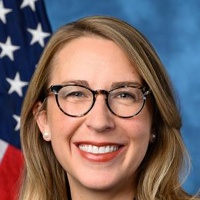
Hillary Scholten
Representative
MI
Hillary Scholten
Representative
MI
This bill directs the National Institutes of Health (NIH) to study natural hormone variability in women before perimenopause. It also requires the U.S. Preventive Services Task Force to review the clinical usefulness of hormone testing for diagnosing or managing perimenopause. The findings and recommendations will be reported to Congress within 18 months of enactment.
This Act lowers the reporting threshold for foreign gifts to universities and mandates more detailed disclosure, while also directing a GAO study on current compliance with foreign gift reporting requirements.
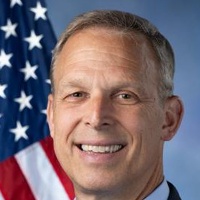
Scott Perry
Representative
PA
Scott Perry
Representative
PA
The Protecting Academic Integrity Act of 2026 aims to increase transparency regarding foreign influence in higher education. This bill significantly lowers the reporting threshold for foreign gifts received by universities from $250,000 to $50,000 and mandates the disclosure of more detailed information about these gifts. Additionally, it directs the GAO to conduct a comprehensive study on institutional compliance with existing foreign gift reporting requirements.
This bill modifies the effective date for the Department of Defense's prohibition on acquiring certain metal products from covered nations, tying it to market readiness or a set date of January 1, 2032.
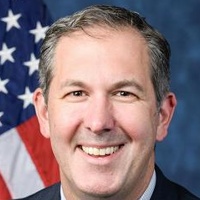
Johnny Olszewski
Representative
MD
Johnny Olszewski
Representative
MD
This bill amends a previous defense authorization act to adjust the timeline for the Department of Defense's prohibition on acquiring certain metal products from covered nations. The restriction will now only take effect on January 1, 2032, or 180 days after the Secretary of Defense certifies that sufficient alternative suppliers exist outside those nations. This change ensures the prohibition aligns with the availability of commercially viable domestic or allied sources for these materials.