Legislation
The PATH Act permits public housing agencies and certain project-based assisted housing owners to establish optional, exemptible work requirements for tenants starting in 2027.

Katie Britt
Senator
AL
Katie Britt
Senator
AL
The Pathways to a Thriving Household Act (PATH Act) permits public housing agencies and certain assisted housing owners to establish optional work requirements for tenants starting in 2027. If adopted, these requirements cannot exceed 40 hours per week and must include specific exemptions for vulnerable populations. Agencies choosing to implement these requirements must offer supportive services and establish hardship policies.
This resolution congratulates charter school communities nationwide while designating May 10–16, 2026, as the 27th Annual National Charter Schools Week to recognize their contributions to public education.
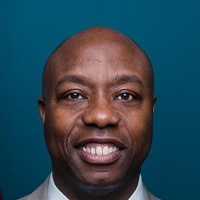
Tim Scott
Senator
SC
Tim Scott
Senator
SC
This resolution officially designates May 10–16, 2026, as the 27th Annual National Charter Schools Week. It congratulates the students, parents, teachers, and leaders of public charter schools nationwide for their contributions to education. The bill highlights the growth, accountability, and positive academic impact of these tuition-free public schools. It encourages communities to hold events supporting high-quality charter schools during that week.
This bill establishes a competitive grant program to fund research and development for automation and mechanization technologies to benefit specialty crop growers.
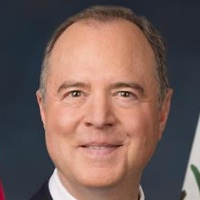
Adam Schiff
Senator
CA
Adam Schiff
Senator
CA
This bill establishes a new competitive grant program to fund research and development in agricultural automation and mechanization specifically for specialty crops. The goal is to create and improve technologies that reduce manual labor, enhance worker safety, and increase efficiency for growers. Priority will be given to projects that also include training for farmworkers to operate these new technologies.
This resolution supports designating the second Friday in June as "National Service and Conservation Corps Day" to recognize the vital work these corps do in conservation, community improvement, and youth development.
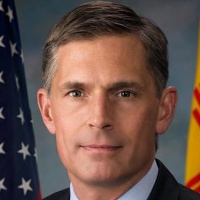
Martin Heinrich
Senator
NM
Martin Heinrich
Senator
NM
This resolution supports designating the second Friday in June as "National Service and Conservation Corps Day." It recognizes the vital work of over 140 Corps programs that engage young adults and veterans in conservation, community improvement, and workforce development. The bill highlights the legacy of the Civilian Conservation Corps and the readiness of modern Corps to address national needs ahead of the nation's 250th anniversary.
This bill supports designating the second Friday of June as "National Service and Conservation Corps Day" to recognize the vital work of over 140 Corps organizations in conservation, disaster response, and youth development.
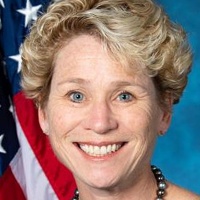
Chrissy Houlahan
Representative
PA
Chrissy Houlahan
Representative
PA
This bill supports designating the second Friday of June as "National Service and Conservation Corps Day." It recognizes the vital work of over 140 Service and Conservation Corps across the country that engage young adults and veterans in conservation, disaster response, and community improvement projects. The resolution encourages citizens to acknowledge the importance of national service and supports the continued expansion of this network.
This Act establishes a mandatory, government-wide training program to equip federal employees with the skills to prevent fraud and improper payments in federal programs.
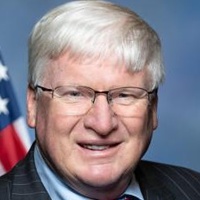
Glenn Grothman
Representative
WI
Glenn Grothman
Representative
WI
The Federal Fraud Prevention Workforce Training Act establishes a mandatory, government-wide training program to equip federal employees with the skills needed to identify, assess, and prevent fraud and improper payments in federal programs. This program will cover best practices, relevant federal resources, and internal control mechanisms. Agency heads must ensure covered employees complete initial training within 180 days and renew it biennially, with the Treasury Department also making the training available to state, local, and tribal partners.
This resolution expedites the House consideration and final vote on H.R. 7007, allowing for an automatic adoption of a minority substitute amendment and waiving certain procedural objections.
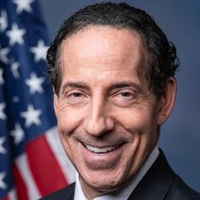
Jamie Raskin
Representative
MD
Jamie Raskin
Representative
MD
This resolution immediately brings H.R. 7007, a bill intended to govern on behalf of the American people, to the House floor for consideration. It streamlines the process by waiving procedural objections and automatically adopting a specific substitute amendment offered by the minority party. Following a brief, equally divided debate, the House will proceed directly to a final vote on the amended bill.
This bill establishes a Specialty Crop Advisory Committee to improve federal crop insurance policies and access for specialty crop producers.
Adam Schiff
Senator
CA
Adam Schiff
Senator
CA
This bill establishes a Specialty Crop Advisory Committee to improve federal crop insurance options for specialty crops. The Committee will advise the Federal Crop Insurance Corporation on policy development, risk management, and educational programs. It also revises the role of the Specialty Crops Coordinator to better serve the needs of specialty crop producers.
This resolution commemorates the 10th anniversary of the Pulse nightclub shooting, honoring the victims, recognizing first responders, and reaffirming support for gun safety and mental health efforts.
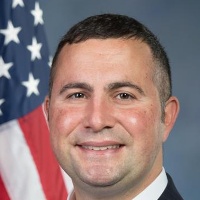
Darren Soto
Representative
FL
Darren Soto
Representative
FL
This resolution commemorates the 10th anniversary of the tragic Pulse nightclub shooting in Orlando, honoring the 49 lives lost and expressing support for all affected. It recognizes the bravery of first responders and reaffirms the nation's unity against hate and terrorism. The bill also highlights ongoing efforts toward gun safety and mental health legislation.
The Open Courts Act of 2026 mandates the creation of a centralized, modern, and publicly accessible electronic federal court records system, funded by new fee structures, while ensuring digital accessibility and cybersecurity.
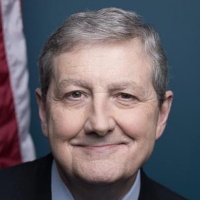
John Kennedy
Senator
LA
John Kennedy
Senator
LA
The Open Courts Act of 2026 mandates the creation of a modern, centralized electronic system for federal court records, accessible to the public via a separate interface. This system must feature modern development principles, robust search capabilities, and free public access, while establishing new funding mechanisms to cover its operation. The bill also sets standards for digital accessibility, cybersecurity, and long-term online availability of court documents.
This resolution commends Taiwan on the 30th anniversary of its first direct presidential election and expresses continued U.S. support for its democratic institutions.
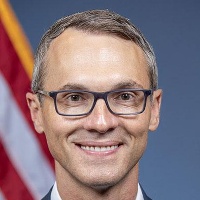
James Walkinshaw
Representative
VA
James Walkinshaw
Representative
VA
This resolution commemorates the 30th anniversary of Taiwan's first direct presidential election in 1996, commending its successful transition to a robust democracy. It expresses strong support for Taiwan in preserving its democratic institutions against external pressure. The resolution reaffirms the enduring U.S. commitment to the U.S.-Taiwan relationship as established by existing policy frameworks.
This Act mandates sanctions against Iranian individuals and organizations found to be issuing or amplifying religious decrees that incite violence against U.S. and Israeli leaders.
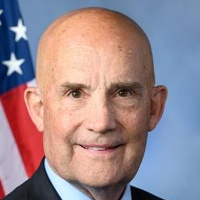
Keith Self
Representative
TX
Keith Self
Representative
TX
The Tehran Incitement to Violence Act targets Iranian clerics and organizations that have issued religious decrees (fatwas) calling for violence against U.S. and Israeli leaders. This bill mandates that the President determine which specific individuals and entities are involved in issuing or amplifying these threats for the imposition of mandatory sanctions. Sanctions include blocking property and rendering those individuals inadmissible to the United States.
The **Take Care of America’s Veterans Act** comprehensively expands veteran and survivor benefits, overhauls VA claims processing and health care access, modernizes education support, and tightens organizational oversight.
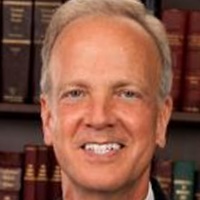
Jerry Moran
Senator
KS
Jerry Moran
Senator
KS
The **Take Care of America’s Veterans Act** is a comprehensive bill designed to significantly expand compensation, benefits, and healthcare access for veterans and their survivors. It overhauls VA claims processing to be faster and fairer, modernizes education and transition support, and strengthens caregiver resources. Ultimately, the legislation aims to deliver more timely, high-quality, and veteran-centered services across the board.
The Alice Cogswell and Anne Sullivan Macy Act amends IDEA to mandate comprehensive, individualized special education and early intervention services tailored to the unique communication and learning needs of children who are deaf, hard of hearing, deafblind, or blind/visually impaired.
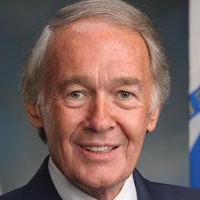
Edward Markey
Senator
MA
Edward Markey
Senator
MA
The Alice Cogswell and Anne Sullivan Macy Act amends the Individuals with Disabilities Education Act to significantly strengthen services for children who are deaf, hard of hearing, blind or visually impaired, and deafblind. This legislation mandates that states accurately identify and evaluate these students to ensure they receive specialized instruction, including language and communication skills tailored to their specific needs. The bill aims to guarantee access to appropriate services, qualified personnel, and critical skills development for greater independence.
This act enhances the federal employee awards program by increasing the maximum reward up to \$20,000 for identifying wasteful spending and preventing improper payments, while adding new reporting requirements.
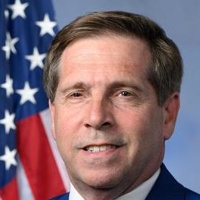
Charles Fleischmann
Representative
TN
Charles Fleischmann
Representative
TN
The Bonuses for Cost-Cutters and Fraud Preventers Act of 2026 enhances the federal employee awards program to reward employees who identify wasteful spending and prevent improper government payments. This legislation increases the maximum cash award for such disclosures from $10,000 to $20,000. It also establishes new reporting requirements for agencies to notify the President and Treasury, and mandates public disclosure of awards given for these cost-saving efforts.
This bill recognizes Avoidant/Restrictive Food Intake Disorder (ARFID) as a serious eating disorder and calls for urgent action to advance awareness, early identification, research, and equitable access to care.
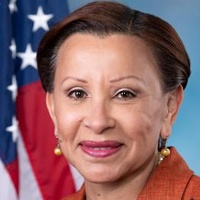
Nydia Velázquez
Representative
NY
Nydia Velázquez
Representative
NY
This resolution recognizes Avoidant/Restrictive Food Intake Disorder (ARFID) as a serious eating disorder with significant health consequences. It calls for urgent national action to advance awareness, improve early identification, and ensure equitable access to multidisciplinary care and research for those affected.
This act mandates the State Department to develop and report on a strategy encouraging allied nations to purchase U.S. defense equipment through coordinated multinational deals rather than individual sales.
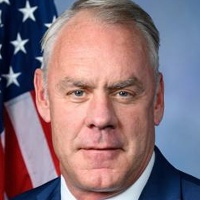
Ryan Zinke
Representative
MT
Ryan Zinke
Representative
MT
The Allied Defense Sales Act directs the State Department to create a strategy encouraging allied nations to purchase U.S. defense equipment through multinational group deals rather than individual purchases. This aims to improve interoperability, strengthen the U.S. defense industry, and streamline the sales process. The Secretary of State must regularly report to Congress on the strategy's implementation, challenges encountered, and any necessary legislative changes.
This resolution recognizes the strategic importance of the Arctic and supports continued congressional engagement with allies to promote security, stability, and sustainable development in the region.

Lisa Murkowski
Senator
AK
Lisa Murkowski
Senator
AK
This resolution recognizes the strategic importance of the Arctic region to U.S. national security and economic interests. It supports continued congressional engagement with Arctic allies and partners to promote peace, stability, and sustainable development. The Senate specifically backs efforts to strengthen Arctic security, infrastructure, and scientific research while upholding a rules-based international order. The resolution also affirms the vital role of Indigenous peoples in Arctic governance.
This act expands U.S. agricultural trade by establishing infrastructure assistance, requiring competitiveness reports for specialty crops, and increasing funding for trade promotion programs.
Adam Schiff
Senator
CA
Adam Schiff
Senator
CA
The Expanding Market Access Act aims to boost U.S. agricultural exports by establishing technical assistance to improve foreign market infrastructure. It also mandates a biennial report detailing foreign barriers to U.S. specialty crop competitiveness. Furthermore, the bill increases and extends funding levels for key agricultural trade promotion programs through fiscal year 2031.
This bill reauthorizes the United States Commission on International Religious Freedom through December 31, 2028, including funding through that date.
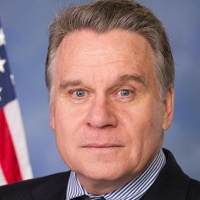
Christopher Smith
Representative
NJ
Christopher Smith
Representative
NJ
This bill, the United States Commission on International Religious Freedom Reauthorization Act of 2026, extends the authorization and funding for the U.S. Commission on International Religious Freedom. It specifically updates the Commission's operational period through the end of 2028. This action ensures the continued function of the body tasked with monitoring religious freedom abroad.