Legislation
This resolution formally apologizes for the historical discrimination against LGBT individuals in the U.S. uniformed services, Foreign Service, and federal civil service, and commits to pursuing equal rights and respect for all.
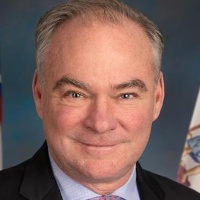
Timothy Kaine
Senator
VA
Timothy Kaine
Senator
VA
This resolution formally acknowledges and apologizes for the decades of discrimination and mistreatment faced by lesbian, gay, bisexual, and transgender individuals who served in the U.S. military, Foreign Service, and federal civil service. It condemns past and recent discriminatory policies that led to wrongful terminations and exclusions. The resolution commits the nation to pursuing equal rights, protections, and respect for all LGBT servicemembers and federal employees moving forward.
This bill establishes a comprehensive maternity care coordination program within the VA to support veterans from pregnancy through one year postpartum, including mental health data collection and provider training.

Tammy Duckworth
Senator
IL
Tammy Duckworth
Senator
IL
This bill, the Maternal Health for Veterans Act, establishes a comprehensive maternity care coordination program within the VA. The program will provide coordinated care for eligible veterans from the start of pregnancy through 12 months postpartum. It also mandates training for community providers and requires detailed annual reports to Congress on maternal health outcomes, including mortality and severe morbidity data.
This bill, the FENCE Act, allows for the use of new or emerging fencing technologies when repairing or replacing fencing under the emergency conservation program without increasing the overall cost.
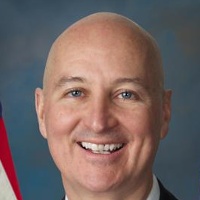
Pete Ricketts
Senator
NE
Pete Ricketts
Senator
NE
This bill, the FENCE Act, amends the Agricultural Credit Act of 1978 to allow farmers to use modern or emerging fencing technologies when repairing or replacing fences under the emergency conservation program. This update is permitted as long as the inclusion of new technology does not increase the overall cost of the repair or replacement.
This bill grants the Office of the Inspector General of the Intelligence Community the same law enforcement authority, including carrying firearms and making arrests, as other federal Inspectors General.
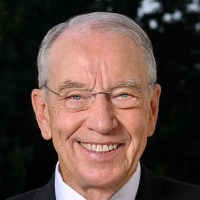
Charles Grassley
Senator
IA
Charles Grassley
Senator
IA
This bill, the "Intelligence Community Inspector General Parity Act of 2026," grants the Inspector General of the Intelligence Community (IC IG) full law enforcement authority. This authority mirrors that held by other federal Inspectors General, enabling IC IG investigators to carry firearms, make arrests, and execute warrants. The purpose is to ensure parity in the investigative powers of the IC IG.
This bill prohibits individuals convicted of specific offenses related to the January 6th Capitol attack or election interference from receiving monetary claims against the U.S. government and requires the recoupment of any such payments already made.
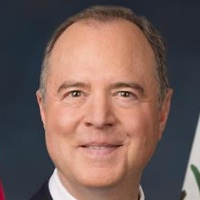
Adam Schiff
Senator
CA
Adam Schiff
Senator
CA
This bill, the "Preventing Payouts for Insurrectionists Act," amends federal law to prohibit individuals convicted of specific felonies or misdemeanors related to the January 6th Capitol attack or election interference from receiving monetary claims against the U.S. government. It also mandates the recoupment of any such payments already made to these individuals since January 20, 2025. State Attorneys General are authorized to bring civil actions to enforce this repayment.
This bill establishes fitness-to-operate standards and mandatory pre-funded decommissioning escrow accounts for offshore oil and gas operators on the Outer Continental Shelf.
Adam Schiff
Senator
CA
Adam Schiff
Senator
CA
The Offshore Leasing Standards and Accountability Act of 2026 establishes rigorous "fitness to operate" standards for offshore oil and gas companies seeking or holding leases on the Outer Continental Shelf. This bill mandates that operators must prove financial stability, strong environmental and safety compliance history, and sufficient funding to cover all future decommissioning liabilities. Furthermore, it requires leaseholders to pre-fund their decommissioning obligations through interest-bearing escrow accounts managed by the Secretary of the Interior. The Act also limits the duration for which oil wells can be temporarily abandoned.
This resolution celebrates the historic 2026 FIFA World Cup and welcomes the international community to the first tournament jointly hosted by the United States, Canada, and Mexico.
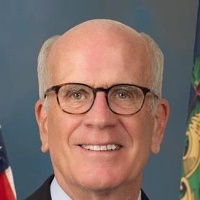
Peter Welch
Senator
VT
Peter Welch
Senator
VT
This resolution celebrates the historic significance of the 2026 FIFA World Cup, the first hosted jointly by the United States, Canada, and Mexico. It welcomes the international community to North America for the expanded 48-team tournament. The bill expresses support for the event as a symbol of continental unity and recognizes soccer's role in global friendship.
This bill prohibits the Department of Defense from contracting with consultancies that also provide services to designated foreign adversaries, requiring disclosure and imposing penalties for non-compliance.

Joni Ernst
Senator
IA
Joni Ernst
Senator
IA
This bill, the Ending Double Dealing Act of 2026, prohibits the Department of Defense from contracting with consultancies that also serve specified foreign adversaries. It mandates disclosure from bidders regarding current or recent work with "covered entities" to prevent conflicts of interest. Failure to disclose or contracting with a covered consultancy can result in contract termination and debarment.
This bill mandates that states report detailed data on Supplemental Nutrition Assistance Program (SNAP) fraud to the Secretary of Agriculture, with penalties for non-compliance.
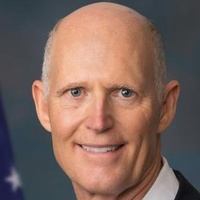
Rick Scott
Senator
FL
Rick Scott
Senator
FL
This bill, the SNAP Fraud Reporting Act of 2026, mandates that all states must begin submitting detailed annual data on Supplemental Nutrition Assistance Program (SNAP) fraud to the Secretary of Agriculture. This data must cover investigations, enforcement actions, and the dollar amounts involved in fraudulent activities. States failing to meet submission deadlines will face the withholding of federal funds until compliance is achieved, and the Secretary must report these findings publicly.
This bill mandates a report on Russian and Chinese intelligence influence in Georgia and requires the State Department to develop a five-year strategy for U.S.-Georgia relations.
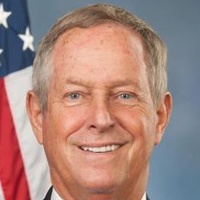
Joe Wilson
Representative
SC
Joe Wilson
Representative
SC
This Act mandates a classified report assessing the extent of Russian and Chinese intelligence penetration in Georgia. It also requires the State Department to develop a five-year strategy for strengthening U.S.-Georgia relations, evaluating current investment levels and Georgia's commitment to Western partnerships. The goal is to counter foreign influence and define the future of the U.S.-Georgia partnership.
This joint resolution nullifies the CMS rule implementing prior authorization for select services under the WISeR Model.
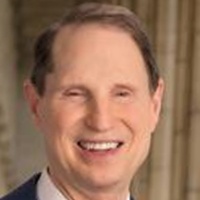
Ron Wyden
Senator
OR
Ron Wyden
Senator
OR
This joint resolution expresses Congressional disapproval of a new rule from the Centers for Medicare & Medicaid Services (CMS) that would have required prior authorization for specific services under the WISeR Model. By disapproving the rule, Congress ensures that this CMS requirement will not take effect.
This resolution honors the life, military valor, and congressional legacy of Charles B. Rangel, recognizing his enduring contributions to the U.S.-Republic of Korea alliance.

Grace Meng
Representative
NY
Grace Meng
Representative
NY
This resolution honors the life and legacy of the late Representative Charles B. Rangel, recognizing his distinguished military service in the Korean War and his decades of dedicated service in Congress. It specifically commends his heroism in battle and his lifelong commitment to strengthening the alliance between the United States and the Republic of Korea. The bill further acknowledges the gratitude expressed by the South Korean National Assembly for his enduring contributions.
This bill mandates the development of strategies across the Commerce, State, and Defense Departments to prevent the export of transatlantic technology used in Iranian-made drones.
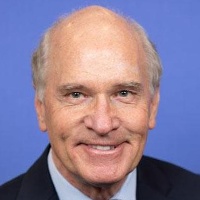
William Keating
Representative
MA
William Keating
Representative
MA
This bill aims to block the use of transatlantic technology in Iranian-made drones, which are supplied to U.S. adversaries like Russia and terrorist groups. It directs the Departments of Commerce, State, and Defense to develop strategies to stop the export of critical drone components, such as specific microelectronics, to Iran. The legislation emphasizes preventing U.S. technology from supporting Russia's war in Ukraine and attacks on Israel.
This bill directs the President to withdraw U.S. Armed Forces from hostilities with Iran unless necessary for imminent self-defense or defense of an ally, while mandating compliance with War Powers Resolution reporting requirements.
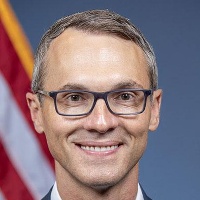
James Walkinshaw
Representative
VA
James Walkinshaw
Representative
VA
This bill directs the President to withdraw U.S. Armed Forces from hostilities involving Iran, unless those forces are necessary for imminent self-defense or the defense of an ally. If the exception is used, the President must adhere to the reporting requirements of the War Powers Resolution. This directive ceases if Congress formally declares war or passes a specific authorization for military action against Iran.
The PEACE Act directs the State Department to take diplomatic action to address the growing threat of antisemitism in Europe and requires regular briefings to Congress on these efforts.
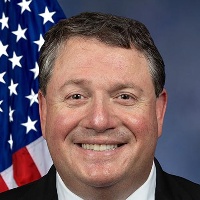
Randall Fine
Representative
FL
Randall Fine
Representative
FL
The PEACE Act directs the State Department to take diplomatic action to address the growing threat of antisemitism and related extremism in Europe. It requires senior State Department officials to regularly brief Congress on these efforts to promote transatlantic cooperation against these threats.
This resolution formally acknowledges and apologizes for decades of federal discrimination against LGBT individuals who served in the U.S. military, Foreign Service, and civil service, while reaffirming the commitment to their equal rights and respect.
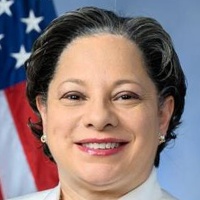
Jennifer McClellan
Representative
VA
Jennifer McClellan
Representative
VA
This resolution formally acknowledges and apologizes for the decades of federal discrimination and mistreatment against lesbian, gay, bisexual, and transgender individuals who served in the U.S. military, Foreign Service, and civil service. It condemns past anti-LGBT policies that led to wrongful terminations and exclusions based on sexual orientation or gender identity. The bill commits the government to pursuing equal rights, protections, and respect for all current and former LGBT federal employees and service members. It explicitly states that this apology does not authorize or settle any legal claims against the United States.
This Act mandates U.S. sanctions, including asset blocking and immigration restrictions, against foreign persons and vessels involved in illegal, unreported, and unregulated (IUU) fishing.
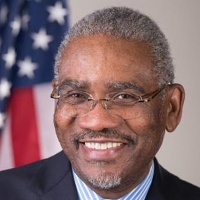
Gregory Meeks
Representative
NY
Gregory Meeks
Representative
NY
The Stop Illegal Fishing Act aims to combat harmful illegal, unreported, and unregulated (IUU) fishing globally. This bill mandates the President to impose sanctions, including asset blocking and immigration restrictions, on foreign persons and vessels involved in IUU fishing activities. It also requires regular reporting to Congress on the implementation of these sanctions.
This bill requires federal agencies to establish pre-planned internal controls, guided by OMB, to prevent fraud and improper payments when receiving emergency supplemental appropriations.
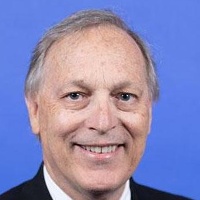
Andy Biggs
Representative
AZ
Andy Biggs
Representative
AZ
The Taxpayer Resources Used in Emergencies Accountability Act (TRUE Accountability Act) requires federal agencies to develop and maintain internal control plans specifically designed to prevent fraud and improper payments when using emergency supplemental appropriations. The Office of Management and Budget (OMB) will issue guidance, collect these plans, and report them to Congress. Agencies must also conduct after-action reviews following emergency spending to assess control effectiveness and recommend improvements.
This act grants the Farm Credit Administration the option to extend the examination cycle for low-risk Farm Credit System institutions up to 24 months.
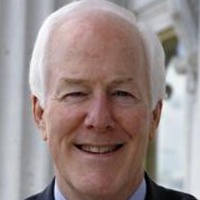
John Cornyn
Senator
TX
John Cornyn
Senator
TX
The Farm Credit Adjustment Act grants the Farm Credit Administration the option to extend the required examination cycle for low-risk Farm Credit System institutions from 18 months up to 24 months. This change provides increased flexibility in supervisory oversight for financially sound institutions. This new option will become effective on October 1, 2026.
This bill mandates Department of Homeland Security training for immigration enforcement personnel on recognizing tribal documents and respecting tribal IDs as proof of U.S. citizenship.
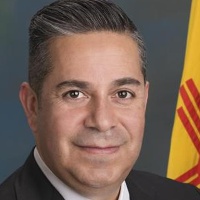
Ben Luján
Senator
NM
Ben Luján
Senator
NM
The Respect Tribal IDs Act of 2026 mandates new training for Department of Homeland Security (DHS) immigration enforcement personnel regarding interactions with tribal members and the acceptance of Native American tribal documents. This training, developed in consultation with the Bureau of Indian Affairs and tribal representatives, requires officers to understand how to identify tribal documents as proof of U.S. citizenship. Completion of this specialized training is a prerequisite for performing immigration enforcement duties.