Legislative Activity
Track Frederica's sponsored bills, co-sponsored legislation, and voting record
This Act expands healthcare access by ensuring lawfully present immigrants are eligible for federal health programs, treating federally authorized presence as lawful presence for coverage, and giving states the option to cover undocumented individuals under Medicaid and CHIP.
Pramila Jayapal
Representative
WA
Pramila Jayapal
Representative
WA
The Health Equity and Access under the Law for Immigrant Families Act of 2025 aims to significantly expand healthcare access for immigrants legally residing in the U.S. by ensuring eligibility for federal health programs like Medicaid and CHIP, removing state restrictions for permanent residents, and treating federally authorized presence as lawful presence for coverage purposes. The bill also provides states the option to extend Medicaid and CHIP coverage to individuals without lawful status. Furthermore, it removes citizenship barriers preventing certain non-citizens from accessing ACA marketplace subsidies and updates Medicare eligibility rules.
This Act posthumously awards a Congressional Gold Medal to pioneering, barrier-breaking cyclist Marshall "Major" Taylor and authorizes the sale of duplicate bronze medals.
Jonathan Jackson
Representative
IL
Jonathan Jackson
Representative
IL
This bill posthumously awards a Congressional Gold Medal to Marshall "Major" Taylor, recognizing the pioneering Black cyclist for his historic achievements and his fight against racial prejudice. The medal will be struck by the Secretary of the Treasury and presented to Taylor's great-granddaughter. The Act also authorizes the sale of bronze duplicates to cover production costs.
This bill provides a temporary, significant increase in federal funding for states to expand and improve their Medicaid-funded home and community-based services, contingent on specific workforce and access improvements.

Debbie Dingell
Representative
MI
Debbie Dingell
Representative
MI
This bill provides an emergency increase in federal Medicaid funding for states that commit to improving their Home and Community-Based Services (HCBS). States will receive a 10 percentage point boost in their Federal Medical Assistance Percentage (FMAP) for HCBS expenditures during fiscal years 2026 and 2027. This additional funding must be used to expand workforce capacity, raise worker compensation, and increase access to services for eligible individuals. States must submit a plan detailing how they will use the funds to ensure the money supplements, rather than replaces, existing state spending.
This bill establishes a comprehensive "Domestic Workers Bill of Rights" to extend federal labor protections, including overtime, paid sick leave, and anti-discrimination coverage, to domestic employees while creating a standards board to advise on future working conditions.
Pramila Jayapal
Representative
WA
Pramila Jayapal
Representative
WA
The Domestic Workers Bill of Rights Act seeks to significantly expand labor protections for domestic employees by bringing them under standard federal laws, including eligibility for overtime pay and mandated paid sick leave. The bill establishes written employment agreements, sets clear privacy boundaries for workers in private homes, and creates a Standards Board to recommend ongoing improvements to wages and benefits. Furthermore, it establishes enforcement mechanisms and temporarily increases federal Medicaid funding for in-home care services to help offset compliance costs.
This resolution commemorates the nine-year anniversary of the Pulse nightclub shooting, honoring the victims, first responders, and the community's resilience while urging continued action on gun safety.
Darren Soto
Representative
FL
Darren Soto
Representative
FL
This resolution formally commemorates the ninth anniversary of the tragic Pulse nightclub shooting in Orlando, Florida, on June 12, 2016. It honors the lives lost, recognizes the bravery of first responders, and reaffirms community unity in the face of hate. Furthermore, the resolution calls for continued efforts to reduce gun violence and support those affected by this act of terrorism.
The My Body, My Data Act of 2025 establishes strict limits on the collection, use, and sharing of personal reproductive and sexual health information, while granting individuals robust rights to access, correct, and delete their sensitive data.
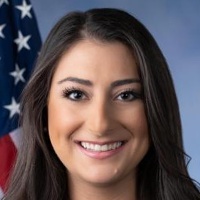
Sara Jacobs
Representative
CA
Sara Jacobs
Representative
CA
The My Body, My Data Act of 2025 establishes strict federal protections for personal reproductive and sexual health information held by regulated entities. This law limits data collection and sharing to only what is strictly necessary for providing requested services. It grants individuals the rights to access, correct, and delete this sensitive data, and requires clear public privacy policies detailing data handling practices. Finally, the Act prohibits retaliation against individuals who exercise these new privacy rights and grants enforcement authority to the FTC while allowing individuals to sue violators.
This Act permanently protects inventoried roadless areas within the National Forest System from new road construction and logging, upholding existing federal "Roadless Rule" prohibitions.
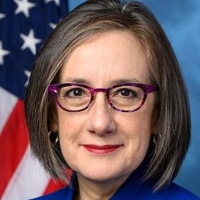
Andrea Salinas
Representative
OR
Andrea Salinas
Representative
OR
The Roadless Area Conservation Act of 2025 aims to provide lasting protection for inventoried roadless areas within the National Forest System. This legislation codifies existing federal regulations, known as the "Roadless Rule," which generally prohibits the construction of new roads or the cutting of timber in these sensitive zones. The purpose is to safeguard critical ecological benefits, clean water sources, and wildlife habitats while maintaining the Forest Service's multiple-use management mission.
This Act establishes new procedures for Federal Firearms Licensees when background checks are delayed, mandates reporting on delayed and denied transfers, and removes a specific time limit from existing background check law.
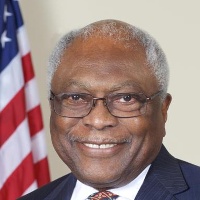
James Clyburn
Representative
SC
James Clyburn
Representative
SC
The Enhanced Background Checks Act of 2025 reforms federal firearm background check procedures, establishing a formal petition process for buyers when the system delays a decision beyond 10 business days. This bill removes the previous 10-day time limit on background checks under the Brady Act while mandating extensive reporting from the GAO and FBI on the effectiveness and outcomes of these delayed transfers. Furthermore, the Attorney General must report on the law's impact on domestic violence victims within 150 days of enactment.
This Act mandates that most private firearm transfers must go through a licensed dealer to ensure background checks are performed on all purchasers.
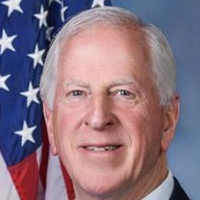
Mike Thompson
Representative
CA
Mike Thompson
Representative
CA
The Bipartisan Background Checks Act of 2025 aims to strengthen existing federal background check systems to prevent prohibited persons from acquiring firearms. This bill primarily mandates that most private firearm transfers must be facilitated through a licensed dealer who will conduct a background check. The legislation includes specific exceptions for family gifts, law enforcement, and temporary transfers under emergency circumstances.
The Pride In Mental Health Act of 2025 establishes grants and federal initiatives to improve mental health services and research specifically for LGBTQ+ youth while explicitly prohibiting the use of funds for conversion therapy.
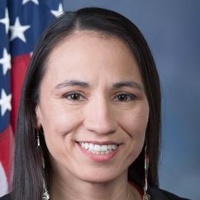
Sharice Davids
Representative
KS
Sharice Davids
Representative
KS
The Pride In Mental Health Act of 2025 establishes a new grant program to improve mental health and substance abuse outcomes for LGBTQ+ youth through culturally competent care and resource development. These grants strictly prohibit funding for conversion therapy practices. The bill also mandates federal data collection on LGBTQ+ youth mental health and requires a report on the needs of those in foster care.
This bill mandates a comprehensive economic study to quantify the financial costs of extreme heat across health, property, labor, and infrastructure sectors.
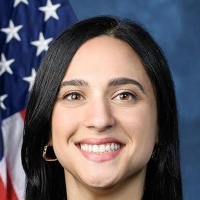
Yassamin Ansari
Representative
AZ
Yassamin Ansari
Representative
AZ
The Extreme Heat Economic Study Act of 2025 mandates a comprehensive study, led by NOAA, to quantify the full financial costs of extreme heat events in the United States. This study must analyze impacts across health, property damage, labor productivity, and critical infrastructure like energy and agriculture. The final report will recommend a national system for tracking and publicly reporting these economic losses within four years of enactment.
This Act establishes a coordinated federal response to extreme heat by creating an interagency committee and a National Integrated Heat Health Information System within NOAA to reduce heat-related health risks.
Yassamin Ansari
Representative
AZ
Yassamin Ansari
Representative
AZ
The Coordinated Federal Response to Extreme Heat Act of 2025 establishes a unified federal approach to mitigating the health and safety risks posed by extreme heat. It creates an Interagency Committee within NOAA to coordinate efforts across numerous federal departments and mandates the development of a National Integrated Heat Health Information System (NIHHIS). This new system will provide open access to data, forecasts, and science-backed tools to improve national preparedness and response to dangerous heat events. The Act authorizes $5 million annually through fiscal year 2029 to support these initiatives.
This act repeals certain provisions of the Protection of Lawful Commerce in Arms Act and allows federal gun trace information to be discoverable and admissible in civil proceedings.
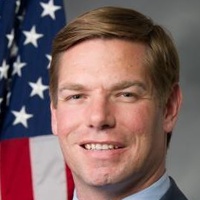
Eric Swalwell
Representative
CA
Eric Swalwell
Representative
CA
The Equal Access to Justice for Victims of Gun Violence Act of 2025 repeals key provisions of the Protection of Lawful Commerce in Arms Act. This legislation allows federal gun trace information to be discoverable and admissible as evidence in civil lawsuits and administrative hearings. The bill aims to provide victims of gun violence with greater access to relevant data in legal proceedings.
The Excess Urban Heat Mitigation Act of 2025 establishes a grant program to fund projects, prioritizing low-income areas, that reduce extreme heat in urban environments through measures like tree planting and installing cooling infrastructure.
Yassamin Ansari
Representative
AZ
Yassamin Ansari
Representative
AZ
The Excess Urban Heat Mitigation Act of 2025 establishes a new grant program to combat dangerous urban heat islands, which disproportionately affect low-income and minority communities. This program will fund eligible entities for projects like tree planting, installing cool pavements, and establishing cooling centers. At least 75% of the annual funding must target designated low-income census tracts, ensuring resources are directed to the most vulnerable areas. The Act authorizes $30 million annually through fiscal year 2033 to support these essential mitigation efforts.
This resolution expresses strong support for designating June 6, 2025, as National Gun Violence Awareness Day and June 2025 as National Gun Violence Awareness Month to honor victims and promote awareness.
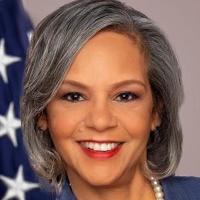
Robin Kelly
Representative
IL
Robin Kelly
Representative
IL
This resolution expresses strong support for designating June 6, 2025, as "National Gun Violence Awareness Day" and June 2025 as "National Gun Violence Awareness Month." It highlights the devastating scale of gun violence in the U.S., recognizing the thousands of annual deaths and injuries across all demographics. The bill encourages Americans to wear orange on the designated day to honor victims and promote increased awareness and community action regarding gun safety.
This Act restores the right to sue over disparate impact discrimination under Title VI, mandates equity compliance officers in federally funded schools, and establishes a Special Assistant for Equity and Inclusion within the Department of Education.
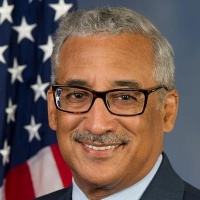
Robert Scott
Representative
VA
Robert Scott
Representative
VA
The Equity and Inclusion Enforcement Act of 2025 restores the right to sue for disparate impact violations under Title VI of the Civil Rights Act of 1964. It also mandates that all federally funded educational institutions designate an employee to coordinate Title VI compliance and publicly share their contact information. Finally, the Act establishes a new Special Assistant for Equity and Inclusion within the Department of Education to oversee and promote compliance efforts.
This bill protects striking and locked-out workers by preventing employers from terminating or altering their group health plan coverage during a labor dispute and establishes significant civil penalties for violations.
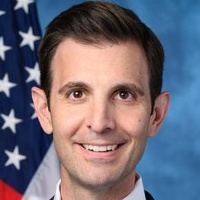
Chris Deluzio
Representative
PA
Chris Deluzio
Representative
PA
The Striking and Locked Out Workers Healthcare Protection Act ensures that employers cannot terminate or alter group health plan coverage for employees during a lawful strike or an employer-initiated lockout. This legislation aims to prevent employers from using health benefits as leverage during labor disputes. The bill also establishes significant civil penalties, including fines up to \$150,000 per violation, for employers who interfere with this coverage, and allows for individual liability for directors and officers involved in such violations.
The College for All Act of 2025 establishes federal-state partnerships and grants to eliminate tuition and fees at public and tribal colleges, boosts Pell Grants, and increases funding for minority-serving institutions.
Pramila Jayapal
Representative
WA
Pramila Jayapal
Representative
WA
The College for All Act of 2025 establishes a Federal-State partnership to eliminate tuition and required fees at public and Tribal colleges for eligible students, while significantly increasing Federal Pell Grant maximum awards and expanding eligibility to include many "Dreamer students." The bill also creates new grant programs to cover tuition at private non-profit HBCUs and MSIs, and funds initiatives to improve student success and support for low-income and first-generation students. Finally, it increases overall appropriations for HBCUs, Tribal Colleges, and other Minority-Serving Institutions.
This bill prohibits high-ranking government officials and their families from trading, profiting from, or controlling digital assets while in office to prevent conflicts of interest.
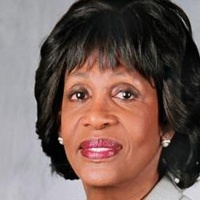
Maxine Waters
Representative
CA
Maxine Waters
Representative
CA
The Stop TRUMP in Crypto Act of 2025 prohibits covered government officials and their immediate families from trading, owning, or profiting from digital assets while in office. This legislation specifically bans insider trading of crypto and prevents officials from using intermediaries or complex ownership structures to bypass these restrictions. The Act aims to eliminate conflicts of interest by ensuring high-ranking officials cannot benefit financially from involvement with cryptocurrencies.
The Fit to Serve Act prohibits discrimination against service members and recruits in the Armed Forces based on their gender identity.
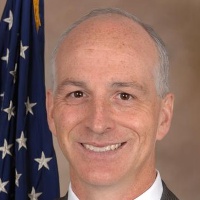
Adam Smith
Representative
WA
Adam Smith
Representative
WA
The Fit to Serve Act prohibits the U.S. Armed Forces from discriminating against service members based on their gender identity. This means military branches cannot set different standards, involuntarily discharge personnel, or deny medically necessary healthcare due to a service member's gender identity. The bill ensures equal opportunity for joining, serving, and receiving care regardless of one's internal sense of self.