Legislative Activity
Track Jill's sponsored bills, co-sponsored legislation, and voting record
The MONARCH Act of 2025 establishes a dedicated fund and grant program to urgently restore habitat and implement conservation plans for the critically declining Western Monarch Butterfly population.
Jimmy Panetta
Representative
CA
Jimmy Panetta
Representative
CA
The MONARCH Act of 2025 addresses the critical decline of the western monarch butterfly population, which has dropped by over 99% in recent decades due to habitat loss and climate change. This bill establishes the Western Monarch Butterfly Rescue Fund to provide grants for habitat restoration projects led by local and Tribal entities. Furthermore, it mandates the implementation of the existing Western Monarch Butterfly Conservation Plan through a partnership with the National Fish and Wildlife Foundation. Finally, the Secretary of the Interior must submit an annual report to Congress detailing the status of the butterflies and the effectiveness of funded conservation efforts.
The Disaster Relief Medicaid Act establishes a simplified, federally funded Medicaid coverage pathway for survivors of major disasters for two years following a declaration.
Jimmy Panetta
Representative
CA
Jimmy Panetta
Representative
CA
The Disaster Relief Medicaid Act establishes a new, streamlined federal framework for states to provide Medicaid coverage to survivors of major disasters for up to two years. This law simplifies enrollment through self-attestation and presumptive eligibility, while ensuring federal funding covers 100% of the costs for eligible survivors in impacted areas. Additionally, it mandates an independent, multi-year evaluation of the program's effectiveness and provides federal support for states developing emergency home and community care response teams.
This Act allows disaster victims to elect to use their higher earned income and Social Security tax payments from the preceding year when calculating certain federal tax credits.
Timothy Kennedy
Representative
NY
Timothy Kennedy
Representative
NY
The Tax Fairness for Disaster Victims Act allows individuals affected by a federally declared disaster to elect to use their prior year's earned income or Social Security tax payments when calculating certain tax credits, such as the Earned Income Tax Credit. This "lookback rule" applies if their income or tax payments were lower during the disaster year. The provision aims to provide financial relief by ensuring disaster victims are not penalized when determining eligibility for these credits.
This bill prohibits the Secretary of the Navy from changing the names of naval vessels currently honoring Cesar Chavez, Medgar Evers, Ruth Bader Ginsburg, Dolores Huerta, Thurgood Marshall, Harvey Milk, Lucy Stone, or Harriet Tubman.
Scott Peters
Representative
CA
Scott Peters
Representative
CA
The Preserving Great Americans’ Legacies Act of 2025 prohibits the Secretary of the Navy from changing the names of naval vessels currently honoring eight specific individuals. This legislation ensures that ships named after figures like Cesar Chavez, Ruth Bader Ginsburg, and Harriet Tubman retain their designations. The act immediately prevents any renaming of these protected vessels.
This bill establishes a comprehensive "Domestic Workers Bill of Rights" to extend federal labor protections, including overtime, paid sick leave, and anti-discrimination coverage, to domestic employees while creating a standards board to advise on future working conditions.

Pramila Jayapal
Representative
WA
Pramila Jayapal
Representative
WA
The Domestic Workers Bill of Rights Act seeks to significantly expand labor protections for domestic employees by bringing them under standard federal laws, including eligibility for overtime pay and mandated paid sick leave. The bill establishes written employment agreements, sets clear privacy boundaries for workers in private homes, and creates a Standards Board to recommend ongoing improvements to wages and benefits. Furthermore, it establishes enforcement mechanisms and temporarily increases federal Medicaid funding for in-home care services to help offset compliance costs.
This bill requires colleges receiving federal funding to proactively notify work-study and Pell Grant-eligible students about their potential eligibility for the Supplemental Nutrition Assistance Program (SNAP).
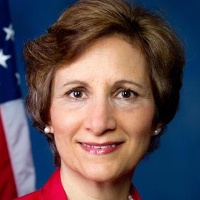
Suzanne Bonamici
Representative
OR
Suzanne Bonamici
Representative
OR
The Opportunity To Address College Hunger Act requires colleges receiving federal funding to proactively notify students receiving Federal work-study assistance about their potential eligibility for the Supplemental Nutrition Assistance Program (SNAP). This notification must include official documentation proving work-study status to help students meet SNAP eligibility exceptions. The goal is to streamline the process for food-insecure students to access federal nutrition benefits.
This Act permanently protects inventoried roadless areas within the National Forest System from new road construction and logging, upholding existing federal "Roadless Rule" prohibitions.
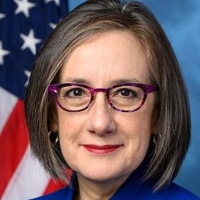
Andrea Salinas
Representative
OR
Andrea Salinas
Representative
OR
The Roadless Area Conservation Act of 2025 aims to provide lasting protection for inventoried roadless areas within the National Forest System. This legislation codifies existing federal regulations, known as the "Roadless Rule," which generally prohibits the construction of new roads or the cutting of timber in these sensitive zones. The purpose is to safeguard critical ecological benefits, clean water sources, and wildlife habitats while maintaining the Forest Service's multiple-use management mission.
The My Body, My Data Act of 2025 establishes strict limits on the collection, use, and sharing of personal reproductive and sexual health information, while granting individuals robust rights to access, correct, and delete their sensitive data.
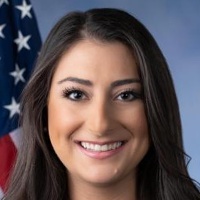
Sara Jacobs
Representative
CA
Sara Jacobs
Representative
CA
The My Body, My Data Act of 2025 establishes strict federal protections for personal reproductive and sexual health information held by regulated entities. This law limits data collection and sharing to only what is strictly necessary for providing requested services. It grants individuals the rights to access, correct, and delete this sensitive data, and requires clear public privacy policies detailing data handling practices. Finally, the Act prohibits retaliation against individuals who exercise these new privacy rights and grants enforcement authority to the FTC while allowing individuals to sue violators.
This Act mandates that most private firearm transfers must go through a licensed dealer to ensure background checks are performed on all purchasers.
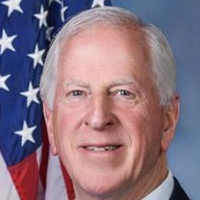
Mike Thompson
Representative
CA
Mike Thompson
Representative
CA
The Bipartisan Background Checks Act of 2025 aims to strengthen existing federal background check systems to prevent prohibited persons from acquiring firearms. This bill primarily mandates that most private firearm transfers must be facilitated through a licensed dealer who will conduct a background check. The legislation includes specific exceptions for family gifts, law enforcement, and temporary transfers under emergency circumstances.
This Act establishes new procedures for Federal Firearms Licensees when background checks are delayed, mandates reporting on delayed and denied transfers, and removes a specific time limit from existing background check law.

James Clyburn
Representative
SC
James Clyburn
Representative
SC
The Enhanced Background Checks Act of 2025 reforms federal firearm background check procedures, establishing a formal petition process for buyers when the system delays a decision beyond 10 business days. This bill removes the previous 10-day time limit on background checks under the Brady Act while mandating extensive reporting from the GAO and FBI on the effectiveness and outcomes of these delayed transfers. Furthermore, the Attorney General must report on the law's impact on domestic violence victims within 150 days of enactment.
The Community TEAMS Act of 2025 establishes grants for medical schools to partner with rural and underserved health facilities to expand community-based clinical training for medical students.
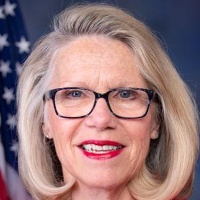
Carol Miller
Representative
WV
Carol Miller
Representative
WV
The Community TEAMS Act of 2025 establishes new federal grants to fund partnerships between medical schools and local health facilities in rural and medically underserved communities. These grants aim to expand clinical training opportunities for medical students in high-need areas. The ultimate goal is to encourage these students to establish long-term medical practices within those communities after graduation.
This Act redefines "franchise fee" to provide a more specific and restrictive definition for cable services under the Communications Act of 1934.
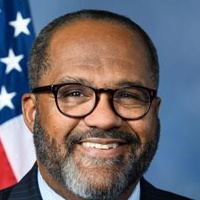
Troy Carter
Representative
LA
Troy Carter
Representative
LA
The Protecting Community Television Act revises the definition of "franchise fee" under the Communications Act of 1934. This change aims to provide a more precise and restrictive definition of what monetary assessments can be charged as a franchise fee by franchising authorities.
This bill mandates a Department of Defense study on the feasibility and impact of providing housing for civilian workers at four key naval shipyards.
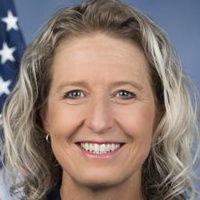
Jennifer Kiggans
Representative
VA
Jennifer Kiggans
Representative
VA
The Defense Shipyard Workforce Housing Act of 2025 mandates a Department of Defense study to assess the feasibility, costs, and benefits of providing housing for civilian workers at four key naval shipyards. This comprehensive review will examine options for building or leasing housing and its potential impact on recruitment and retention. The findings, including recommendations, must be reported to Congress within 18 months of enactment.
The Farmers Feeding America Act of 2025 updates funding rules, increases financial support for storage and infrastructure, and provides flexible food procurement options for geographically isolated states within the Emergency Food Assistance Program.
Andrea Salinas
Representative
OR
Andrea Salinas
Representative
OR
The Farmers Feeding America Act of 2025 aims to strengthen the Emergency Food Assistance Program (TEFAP) by updating funding rules based on 2030 data and mandating $500 million in annual funding from 2026 through 2030. The bill doubles funding for food storage and distribution costs to $200 million and extends infrastructure grant eligibility until 2030. Furthermore, it establishes new flexibility for geographically isolated states, allowing them alternative methods for receiving or purchasing necessary food commodities.
This bill removes certain numerical caps on specific employment-based immigrant visas to better allocate green cards.
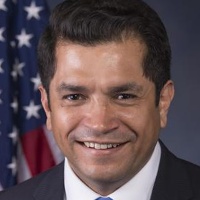
Jimmy Gomez
Representative
CA
Jimmy Gomez
Representative
CA
The Protect Vulnerable Immigrant Youth Act aims to reform employment-based immigration by eliminating certain numerical caps for specific visa categories. This legislation amends existing law to adjust how preference statuses are allocated for these immigrant visas. The overall goal is to streamline the process for certain employment-based immigrants.
The POST GRAD Act reinstates the government's authority to issue Federal Direct Stafford Loans to graduate and professional students until June 30, 2025, without requiring standard rulemaking procedures.
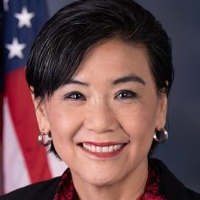
Judy Chu
Representative
CA
Judy Chu
Representative
CA
The POST GRAD Act reinstates the government's authority to issue Federal Direct Stafford Loans to graduate and professional students through June 30, 2025. This legislation amends existing law to extend the availability of these federal loans. Furthermore, the Act allows these changes to take effect immediately by exempting them from standard federal rulemaking and public comment requirements.
This Act immediately repeals specific Executive Orders that harm LGBTQI+ individuals and prohibits the use of federal funds to enforce them, while preserving the President's constitutional authority.
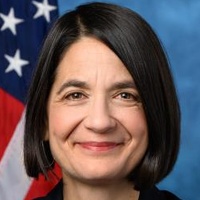
Becca Balint
Representative
VT
Becca Balint
Representative
VT
The No Place for LGBTQ+ Hate Act immediately repeals specific Executive Orders that reportedly targeted or limited the rights of LGBTQI individuals across federal areas like employment and healthcare. This legislation also prohibits the use of any federal funds to enforce or carry out these canceled orders. The bill includes a savings provision to ensure it does not infringe upon the President's existing constitutional authority.
This Act formally establishes the science-based Advisory Committee on Immunization Practices (ACIP) and mandates that changes to the National Vaccine Injury Compensation Program's injury table must be supported by a preponderance of the best available scientific evidence.
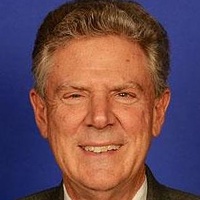
Frank Pallone
Representative
NJ
Frank Pallone
Representative
NJ
The Family Vaccine Protection Act formally establishes the Advisory Committee on Immunization Practices (ACIP) into law, requiring all its vaccine recommendations to be based on the preponderance of the best available, peer-reviewed scientific evidence. This legislation mandates strict procedures for the CDC Director to adopt or reject ACIP advice, including notifying Congress if a recommendation is rejected. Furthermore, the Act requires that any changes to the National Vaccine Injury Compensation Program's injury table must also be supported by strong scientific evidence.
This act repeals certain provisions of the Protection of Lawful Commerce in Arms Act and allows federal gun trace information to be discoverable and admissible in civil proceedings.
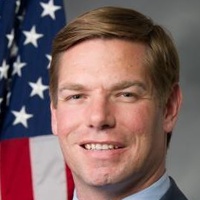
Eric Swalwell
Representative
CA
Eric Swalwell
Representative
CA
The Equal Access to Justice for Victims of Gun Violence Act of 2025 repeals key provisions of the Protection of Lawful Commerce in Arms Act. This legislation allows federal gun trace information to be discoverable and admissible as evidence in civil lawsuits and administrative hearings. The bill aims to provide victims of gun violence with greater access to relevant data in legal proceedings.
This resolution commemorates the victims of the 1989 Tiananmen Square massacre while condemning the Chinese Communist Party's ongoing suppression of human rights and freedoms in mainland China and Hong Kong.
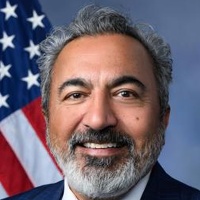
Ami Bera
Representative
CA
Ami Bera
Representative
CA
This resolution formally condemns the Chinese Communist Party for the 1989 Tiananmen Square massacre and its ongoing crackdown on human rights and freedoms in mainland China and Hong Kong. It demands that the PRC cease censorship regarding the massacre and uphold its commitments to Hong Kong's autonomy. Furthermore, the resolution expresses solidarity with victims and calls for accountability regarding abuses in Xinjiang and the suppression of democracy.