Legislative Activity
Track Jill's sponsored bills, co-sponsored legislation, and voting record
This Act directs the Secretary of the Treasury to mint commemorative coins in 2028 to honor the diverse women who served on the Home Front during World War II, with proceeds supporting the Rosie the Riveter WWII Home Front National Historical Park.

John Garamendi
Representative
CA
John Garamendi
Representative
CA
The Rosie the Riveter Commemorative Coin Act directs the Secretary of the Treasury to mint and issue a series of commemorative coins in 2028 to honor the diverse women who served on the Home Front during World War II. Proceeds from the sale of these coins will support the Rosie the Riveter Trust in its efforts to maintain the Rosie the Riveter/WWII Home Front National Historical Park and fund educational programs. This initiative ensures the legacy of these essential workers is preserved and recognized through a national numismatic program.
The PRECEPT Nurses Act establishes a $2,000 tax credit for eligible healthcare professionals who provide clinical supervision to nursing students and newly hired nurses in designated shortage areas.
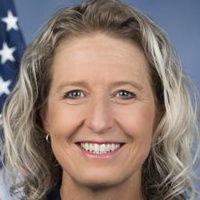
Jennifer Kiggans
Representative
VA
Jennifer Kiggans
Representative
VA
The PRECEPT Nurses Act establishes a $2,000 annual tax credit for eligible healthcare professionals who provide at least 200 hours of clinical supervision to nursing students or newly hired nurses in designated health professional shortage areas. This initiative, effective from 2026 through 2032, aims to address nursing shortages by incentivizing hands-on training and mentorship. The bill also mandates periodic reporting to Congress to evaluate the program's effectiveness in expanding the nursing workforce.
The HEADWAY Act updates credentialing requirements for Early Head Start teachers by requiring at least one qualified lead teacher per classroom while providing mentorship and a pathway for all other staff to earn their Child Development Associate (CDA) credential.
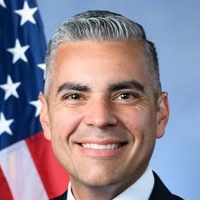
Juan Ciscomani
Representative
AZ
Juan Ciscomani
Representative
AZ
The HEADWAY Act updates credentialing requirements for Early Head Start teachers to improve workforce accessibility while maintaining quality standards. The bill mandates that each classroom have at least one fully qualified teacher, while requiring all other staff to actively pursue a Child Development Associate (CDA) credential. To support this professional development, agencies are required to provide mentorship for teachers working toward their certifications.
Recognizes the contributions of Korean Americans to American society and designates January 13 of each year as Korean American Day. Encourages all Americans to acknowledge the vital role of Korean Americans in the U.S. and celebrates the anniversary of the first Korean immigrants' arrival.
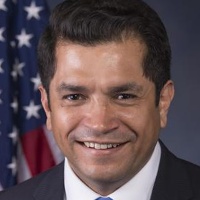
Jimmy Gomez
Representative
CA
Jimmy Gomez
Representative
CA
This bill designates January 13th of each year as Korean American Day. It recognizes the important influence, contributions, and sacrifices of Korean Americans in the United States, and celebrates the 122nd anniversary of the arrival of the first Korean immigrants to the U.S. The bill encourages all Americans to acknowledge and celebrate the integral role of Korean Americans in strengthening the ties between the United States and the Republic of Korea.
The CAREERS Act expands and extends federal rural workforce training programs to better align educational opportunities with local industry needs and economic development goals.
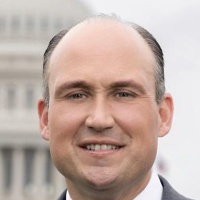
Nicholas Langworthy
Representative
NY
Nicholas Langworthy
Representative
NY
The CAREERS Act expands and extends rural workforce training programs to better align education with local economic needs. By broadening eligibility for training providers and supporting diverse industry sectors, the bill aims to address rural workforce challenges like youth migration and aging populations. Additionally, it introduces enhanced reporting requirements to ensure programs effectively improve employment and earnings outcomes for rural participants through 2030.
The Health Care Affordability Act of 2025 expands access to premium tax credits by removing income eligibility caps and implementing a new sliding-scale contribution formula.

Lauren Underwood
Representative
IL
Lauren Underwood
Representative
IL
The Health Care Affordability Act of 2025 expands access to health insurance by removing the 400% federal poverty level income cap for premium tax credits. It also introduces a new sliding-scale contribution formula to ensure that insurance costs remain affordable for households across all income levels. These changes are set to take effect for taxable years beginning after December 31, 2025.
This bill honors the life, achievements, and legacy of President Jimmy Carter, recognizing his dedication to public service, human rights, and global peace. It acknowledges his lasting impact as a leader and statesman.
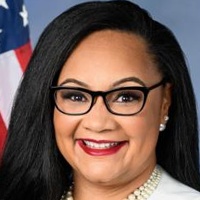
Nikema Williams
Representative
GA
Nikema Williams
Representative
GA
This bill honors the life, achievements, and legacy of Jimmy Carter, recognizing his service as a naval officer, farmer, state senator, Governor, and President. It also acknowledges his post-presidency work promoting peace, democracy, and human rights through the Carter Center, as well as his dedication to Habitat for Humanity. The bill expresses condolences to his family upon his passing and celebrates his lasting impact as a leader and statesman.
This bill mandates a federal study to evaluate the effectiveness of electronic automated referral systems in identifying potential organ donors and increasing donation rates.

Robert Wittman
Representative
VA
Robert Wittman
Representative
VA
The Organ Donation Referral Improvement Act directs the Secretary of Health and Human Services to conduct a comprehensive study on the effectiveness of electronic automated referral systems for organ donation. This study will evaluate how these systems can streamline the identification of potential donors, improve efficiency, and increase donation volumes. Ultimately, the report will provide recommendations and a roadmap for the nationwide adoption of these automated technologies.
Allows Members of the House of Representatives, Delegates, and the Resident Commissioner to designate a proxy to vote on their behalf in the House, in committee, and in the Committee of the Whole for a period of 12 weeks following the birth of a child or in the event of a pregnancy-related serious medical condition.

Brittany Pettersen
Representative
CO
Brittany Pettersen
Representative
CO
The "Proxy Voting for New Parents Resolution" allows Members of the House, Delegates, and the Resident Commissioner who have recently given birth or whose spouse has given birth to designate another Member to vote on their behalf in the House, in committee, and in the Committee of the Whole for a period of 12 weeks. This proxy voting authority can begin before the birth if a doctor advises that the pregnancy presents a serious medical condition or that she is unable to travel safely. The resolution outlines specific procedures for designating, changing, and revoking proxy designations, ensuring transparency and adherence to instructions. Members whose votes are cast by proxy will not be counted for quorum purposes.
This bill mandates a comprehensive GAO study and report on the quality and accessibility of menopause care within the VA, requiring the Department to develop a strategic plan to implement necessary improvements.
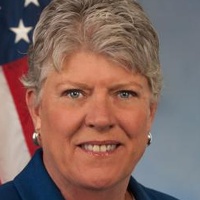
Julia Brownley
Representative
CA
Julia Brownley
Representative
CA
The Improving Menopause Care for Veterans Act of 2025 mandates a comprehensive GAO study to evaluate the quality, accessibility, and effectiveness of menopause-related care provided by the Department of Veterans Affairs. Following this assessment, the VA is required to develop a strategic plan to implement improvements and address gaps in care. This legislation aims to ensure veterans receive high-quality, informed support throughout all stages of menopause.
The Veterans Infertility Treatment Act of 2025 mandates that the VA provide comprehensive infertility treatments and fertility preservation services to enrolled veterans and their chosen partners.
Julia Brownley
Representative
CA
Julia Brownley
Representative
CA
The Veterans Infertility Treatment Act of 2025 mandates that the VA provide comprehensive infertility treatments and fertility preservation services to enrolled veterans and their chosen partners. This legislation expands access to assisted reproductive technology, including IVF and gamete storage, regardless of marital status. It also provides coverage for partner travel expenses and establishes clear guidelines for consent and implementation.
The "Dental Care for Veterans Act" expands dental care benefits for veterans, phasing in eligibility over four years to mirror the provision of other medical services within the Department of Veterans Affairs.
Julia Brownley
Representative
CA
Julia Brownley
Representative
CA
The Dental Care for Veterans Act aims to improve veterans' access to dental care by integrating it more closely with other medical services provided by the Department of Veterans Affairs. This bill removes specific limitations and updates existing code to allow the Secretary to provide comprehensive dental care, including dentures and appliances. The implementation of these expanded benefits will be phased in over four years, prioritizing veterans based on existing eligibility criteria. Additionally, the bill makes necessary clerical updates to reflect these changes in the U.S. Code.
The "Equal Access to Contraception for Veterans Act" ensures veterans do not overpay for contraception, aligning their costs with what the Secretary pays or providing it without cost-sharing if required by the Public Health Service Act.
Julia Brownley
Representative
CA
Julia Brownley
Representative
CA
The Equal Access to Contraception for Veterans Act ensures veterans do not pay more for contraception than the Secretary of Veterans Affairs pays for the medication. Additionally, it eliminates copayments for contraceptive items if health insurance coverage is required without cost-sharing under the Public Health Service Act.
Establishes a commission to study the history and impact of slavery and discrimination against African Americans from 1619 to the present and to develop proposals for reparations, including recommending appropriate remedies and educating the public on the commission's findings. The commission will submit its findings to Congress within 18 months of its first official meeting.
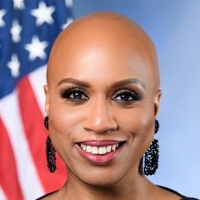
Ayanna Pressley
Representative
MA
Ayanna Pressley
Representative
MA
The "Commission to Study and Develop Reparation Proposals for African Americans Act" establishes a commission to examine the history of slavery and discrimination in the United States from 1619 to the present. The commission will study the lingering negative effects of these injustices on living African Americans and U.S. society, and recommend appropriate remedies, including how to educate the American public on its findings to promote racial healing and understanding. The commission will submit a written report of its findings and recommendations to Congress within 18 months of its first official meeting, and the act authorizes the appropriation of $20,000,000 to implement the provisions of this act.
The Washington, D.C. Admission Act provides for the admission of the State of Washington, Douglass Commonwealth into the Union while establishing a reduced federal Capital district and outlining the legal framework for the transition.

Eleanor Norton
Representative
DC
Eleanor Norton
Representative
DC
The Washington, D.C. Admission Act proposes admitting the State of Washington, Douglass Commonwealth into the Union, while maintaining a reduced federal district to serve as the nation’s capital. The bill establishes a comprehensive framework for the transition, including the election of congressional representatives, the transfer of local government authority, and the gradual shift of federal responsibilities to the new state. This legislation aims to grant D.C. residents full voting representation in Congress while ensuring the continued security and operation of the federal seat of government.
The "Rural 340B Access Act of 2025" expands the 340B drug discount program to include qualifying rural emergency hospitals, ensuring they can access discounted drug prices.

Jack Bergman
Representative
MI
Jack Bergman
Representative
MI
The "Rural 340B Access Act of 2025" expands the 340B drug discount program to include rural emergency hospitals. To qualify, these hospitals must be owned/operated by a government entity or a non-profit with governmental powers, or have a contract to provide healthcare to low-income individuals ineligible for Medicare/Medicaid. This expansion aims to improve access to affordable medications in rural communities.