Legislative Activity
Track Ritchie's sponsored bills, co-sponsored legislation, and voting record
Ethan's Law establishes federal penalties for improperly storing firearms where minors or prohibited persons can access them and creates grant programs to incentivize states to adopt matching safe storage laws.
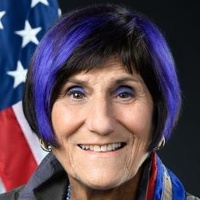
Rosa DeLauro
Representative
CT
Rosa DeLauro
Representative
CT
Ethan's Law establishes federal requirements for the secure storage of firearms to prevent unauthorized access by minors and prohibited persons, making improper storage a civil violation with escalating penalties if injury or death results. The bill also creates a federal grant program to incentivize states and Tribes to adopt matching safe storage laws. Furthermore, Congress declares that failing to comply with these storage requirements constitutes negligence and may be considered the direct cause of resulting firearm injuries.
The American Victims of Terrorism Compensation Act amends the Justice for United States Victims of State Sponsored Terrorism Act to increase funding for victims of state-sponsored terrorism by redirecting forfeited assets and requiring annual payments to eligible claimants.
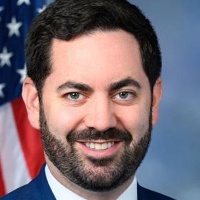
Michael Lawler
Representative
NY
Michael Lawler
Representative
NY
The American Victims of Terrorism Compensation Act amends the Justice for United States Victims of State Sponsored Terrorism Act to increase funding for victims of state-sponsored terrorism by redirecting forfeited assets and penalties into the United States Victims of State Sponsored Terrorism Fund. It mandates specific deposit timelines for forfeited funds, requires annual pro rata payments to eligible claimants beginning in 2026, and enhances transparency through detailed annual reports on fund activity. The Act also allows for the use of Department of Justice personnel to aid in the administration of the fund and ensures a supplemental payment to those already approved for fifth-round payments.
The Federal Retirement Fairness Act allows temporary employees' service after 1988 to count toward retirement benefits under the Federal Employees Retirement System.

Gerald Connolly
Representative
VA
Gerald Connolly
Representative
VA
The Federal Retirement Fairness Act amends title 5 of the United States Code, allowing civilian service in a temporary position after December 31, 1988, to be creditable under the Federal Employees Retirement System. This change applies to current employees and Members of the United States Postal Service, and requires the Office of Personnel Management to notify eligible individuals and issue implementing regulations.
The "DOC Access Act of 2025" aims to improve dental and vision care coverage by ensuring fair payment practices, protecting providers' choices, and upholding state regulatory authority.
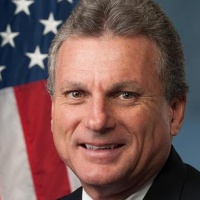
Earl Carter
Representative
GA
Earl Carter
Representative
GA
The "DOC Access Act of 2025" aims to enhance health care coverage under vision and dental plans by ensuring fair payment practices, protecting doctors' choices in labs and suppliers, and respecting state laws. It allows optometrists and dentists to charge their standard rate for non-covered services if the plan's payment is unreasonable, while ensuring they can only charge the contracted rate for dental cleanings. The bill also gives doctors more control over agreement extensions with limited benefit plans and allows them to opt out of certain provisions. Ultimately, this act seeks to balance federal guidelines with state oversight in regulating health insurance issuers and dental or vision benefit plans.
This resolution designates February 24–28, 2025, as "Public Schools Week" to celebrate the vital role of public education and advocate for the continued support and funding of our nation's schools.
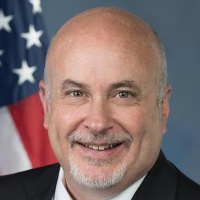
Mark Pocan
Representative
WI
Mark Pocan
Representative
WI
This resolution designates February 24–28, 2025, as "Public Schools Week" to celebrate the vital role public education plays in preparing students for the future. It reaffirms the commitment to providing every child with a high-quality, inclusive, and well-funded learning environment. Additionally, the bill calls on lawmakers to prioritize equitable resources and support services to ensure student success.
The "Due Process Continuity of Care Act" enables states to provide Medicaid coverage for individuals awaiting charges in medical institutions and supports states in planning and expanding healthcare access for this population.
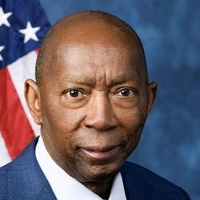
Sylvester Turner
Representative
TX
Sylvester Turner
Representative
TX
The "Due Process Continuity of Care Act" aims to provide Medicaid coverage for individuals in custody awaiting charges in a medical institution, removing the existing inmate limitation on benefits. It authorizes the Secretary to award planning grants to states to support providing Medicaid assistance to eligible individuals and to prepare an application that meets specific requirements. The Act requires states to develop plans for assessing health treatment needs, increasing healthcare provider participation, and ensuring quality of care for patients in custody. It allocates $50,000,000 for these planning grants.
The "MODERN WIC Act of 2025" expands remote access to WIC benefits by allowing virtual certification appointments, remote benefit issuance, and requires a report to Congress on the use of remote technologies within the WIC program.
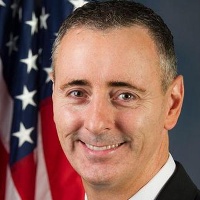
Brian Fitzpatrick
Representative
PA
Brian Fitzpatrick
Representative
PA
The MODERN WIC Act of 2025 aims to modernize the WIC program by expanding options for remote certification appointments, including telephone and video calls, and allowing for remote delivery of food benefits. It requires state agencies to offer various formats for certification appointments, ensuring accessibility for individuals with disabilities. The Act also mandates a report to Congress on the use of remote technologies in WIC, focusing on their impact and best practices.
The bill modifies and extends funding for the World Trade Center Health Program, expands the types of healthcare providers who can certify mental health conditions, and requires a report to Congress on the program's budget.
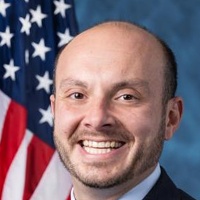
Andrew Garbarino
Representative
NY
Andrew Garbarino
Representative
NY
The 9/11 Responder and Survivor Health Funding Correction Act of 2025 amends the Public Health Service Act to improve the World Trade Center (WTC) Health Program by expanding the types of healthcare providers who can conduct mental health evaluations, modifying provider credentialing, clarifying enrollment calculations, and extending the time frame for adding health conditions for WTC responders. The act adjusts the funding formula for fiscal years 2026 through 2090 and requires the Secretary of Health and Human Services to report to Congress on the program's budget, including projected needs through 2090 and recommendations for changes to the funding formula. It also stipulates that remaining funds in the Supplemental Fund, Special Fund, and Pentagon-Shanksville Fund will revert to the Treasury.
This bill establishes an Office of Gun Violence Prevention within the Department of Justice to coordinate gun violence prevention efforts, evaluate related programs and policies, recommend evidence-based strategies, and assist communities affected by gun violence.
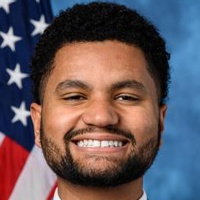
Maxwell Frost
Representative
FL
Maxwell Frost
Representative
FL
The "Office of Gun Violence Prevention Act of 2025" establishes an Office of Gun Violence Prevention within the Department of Justice, led by a Director appointed by the Attorney General, to coordinate gun violence prevention efforts, evaluate related laws and programs, and recommend evidence-based policies to Congress and the President. The Director will also convene an advisory council comprising various officials and at least 12 additional individuals representing gun violence survivors, community violence intervention service providers, and other relevant groups. The Office will also assist communities affected by gun violence with crisis response activities, such as providing access to mental health services and suicide prevention resources. Finally, the act authorizes the appropriation of necessary funds to carry out the provisions of the bill.
This act authorizes the creation of the Smithsonian National Museum of the American Latino on the National Mall, ensuring diverse representation in its exhibits and programs.
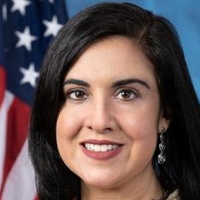
Nicole Malliotakis
Representative
NY
Nicole Malliotakis
Representative
NY
The Smithsonian National Museum of the American Latino Act authorizes the creation of the Smithsonian National Museum of the American Latino on the National Mall. It ensures the museum's exhibits and programs accurately represent the diverse cultures, histories, events, and values of Hispanic and Latino communities, seeking guidance from diverse sources. The Act also mandates regular reports to Congress on the museum's efforts to meet these diversity requirements.
The United States-Israel Defense Partnership Act of 2025 bolsters defense cooperation between the U.S. and Israel through joint programs, funding increases, and extended authorities related to countering unmanned systems, anti-tunnel technology, emerging technologies, and war reserve stockpiles, while also exploring Israel's inclusion in the national technology and industrial base and assessing integrated air and missile defense in the CENTCOM region.
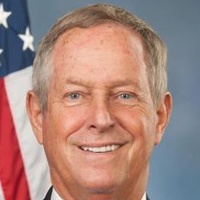
Joe Wilson
Representative
SC
Joe Wilson
Representative
SC
The United States-Israel Defense Partnership Act of 2025 seeks to bolster the defense relationship between the United States and Israel through joint initiatives and increased cooperation. It establishes programs to counter unmanned systems, extend anti-tunnel and counter-UAS cooperation, and promote collaboration in emerging technologies like AI and cybersecurity. The act also mandates the establishment of a Defense Innovation Unit office in Israel and assesses integrated air and missile defense in the U.S. Central Command region. Finally, it explores Israel's potential inclusion in the national technology and industrial base.
The Honoring Our Fallen Heroes Act of 2025 expands public safety officer benefits to include disability and death coverage for certain cancers presumed to be caused by on-duty exposure to carcinogens, and clarifies "line of duty" definitions for first responder benefits.
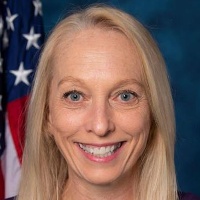
Mary Scanlon
Representative
PA
Mary Scanlon
Representative
PA
The Honoring Our Fallen Heroes Act of 2025 expands public safety officer benefits to include deaths and disabilities caused by exposure-related cancers, presuming that certain cancers diagnosed within 15 years of service are line-of-duty injuries if the officer served for at least 5 years. It defines "exposure-related cancer" and allows for updates to the list based on medical evidence, while also permitting individuals to petition for additions. The Act also clarifies "line of duty action" and applies retroactively to claims dating back to January 1, 2020, with a three-year window for filing claims based on these amendments.
This bill amends the Omnibus Crime Control and Safe Streets Act of 1968 to include TSA employees in the public safety officers death benefits program, applicable to injuries on or after October 31, 2013.
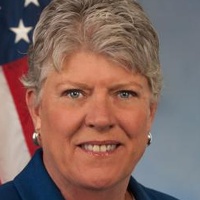
Julia Brownley
Representative
CA
Julia Brownley
Representative
CA
The Honoring Our Fallen TSA Officers Act amends the Omnibus Crime Control and Safe Streets Act of 1968 to include Transportation Security Administration (TSA) employees in the Public Safety Officers' Benefits program. This ensures that TSA officers who die or are injured in the line of duty while protecting the nation's transportation systems are eligible for death benefits. This law applies retroactively to injuries occurring on or after October 31, 2013.
The "Freedom to Invest in Tomorrow's Workforce Act" expands the use of 529 savings accounts to cover expenses related to postsecondary credentialing programs, including tuition, fees, books, supplies, equipment, and testing fees.

Robert Wittman
Representative
VA
Robert Wittman
Representative
VA
The "Freedom to Invest in Tomorrow's Workforce Act" amends Section 529 savings accounts to include expenses related to postsecondary credentialing programs. This allows 529 funds to cover costs like tuition, fees, books, supplies, and testing fees for recognized programs and credentials, as defined by the bill. These changes would apply to distributions made after the bill is enacted.
Prohibits the use of the DeepSeek application on government devices, with exceptions for law enforcement, national security, and security research under specific conditions.
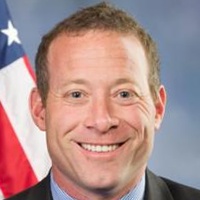
Josh Gottheimer
Representative
NJ
Josh Gottheimer
Representative
NJ
The "No DeepSeek on Government Devices Act" prohibits the use of the DeepSeek application on government devices, with exceptions for law enforcement, national security, and security research. The Office of Management and Budget is tasked with creating guidelines for executive agencies to remove DeepSeek from their information technology. Any authorized use of DeepSeek under the exceptions requires documented risk mitigation actions.
Establishes a commission to study the feasibility of creating a National Museum of Italian American History and Culture in Washington, D.C., funded through private contributions.
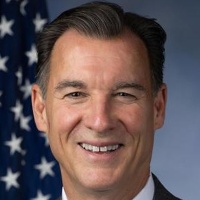
Thomas Suozzi
Representative
NY
Thomas Suozzi
Representative
NY
This bill establishes a commission to study the feasibility of creating a National Museum of Italian American History and Culture in Washington, D.C. The commission will develop recommendations for a plan of action, including a fundraising plan to support the museum's establishment, operation, and maintenance without federal funds. The commission will submit reports to the President and Congress, and will conclude 30 days after submitting its final reports. No federal funds will be used for the commission's work.
The "Taxpayer Data Protection Act" limits access to the Treasury Department's payment systems to authorized personnel and requires investigation and reporting of unauthorized access.
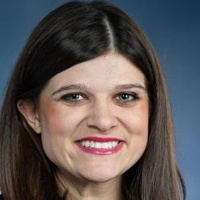
Haley Stevens
Representative
MI
Haley Stevens
Representative
MI
The Taxpayer Data Protection Act limits access to the Treasury Department's payment systems to Treasury employees or contractors with satisfactory performance reviews and security clearances. It sets specific criteria for individuals accessing the system, including conflict of interest restrictions, training, and ethics agreements. The Act also mandates the Treasury Department's Inspector General to investigate and report to Congress on any unauthorized system use.
The "Protecting Sensitive Locations Act" restricts immigration enforcement actions at sensitive locations like schools and places of worship, requiring discretion and oversight.
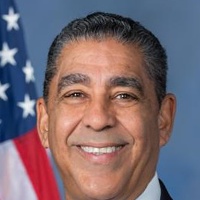
Adriano Espaillat
Representative
NY
Adriano Espaillat
Representative
NY
The "Protecting Sensitive Locations Act" amends the Immigration and Nationality Act to restrict immigration enforcement actions within 1,000 feet of sensitive locations like schools, hospitals, and places of worship, except in exigent circumstances. It mandates training, reporting, and oversight for enforcement activities near these locations, and invalidates evidence obtained in violation of the Act. The Act aims to ensure discretion and limit enforcement impact on sensitive community spaces, while also requiring annual reports to Congress on enforcement actions taken in sensitive locations.
The Protect Our Letter Carriers Act of 2025 authorizes $7 billion to upgrade postal security infrastructure while mandating dedicated federal prosecutors for postal crimes and increasing sentencing guidelines for assaults against postal employees.
Brian Fitzpatrick
Representative
PA
Brian Fitzpatrick
Representative
PA
The Protect Our Letter Carriers Act of 2025 aims to enhance the safety of postal workers by funding high-security infrastructure upgrades, including electronic mailbox keys. The bill also mandates the appointment of dedicated federal prosecutors for postal crimes in every judicial district and requires stricter sentencing guidelines for those who assault or rob postal employees.
The CONSTRUCTS Act of 2025 establishes a grant program for community colleges and trade schools to expand residential construction training, with a focus on serving rural and underserved populations.
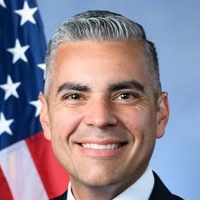
Juan Ciscomani
Representative
AZ
Juan Ciscomani
Representative
AZ
The CONSTRUCTS Act of 2025 establishes a competitive grant program to expand education and training for careers in the residential construction industry. By providing $20 million annually, the bill supports community colleges and trade schools in developing skilled labor pipelines, with a priority on serving rural and underserved populations. These programs aim to increase the supply of qualified workers while helping to address local housing needs through flexible, industry-aligned training.