This bill updates the criteria for assessing foreign countries' efforts to reduce the demand for commercial sex acts as part of the minimum standards for eliminating human trafficking.
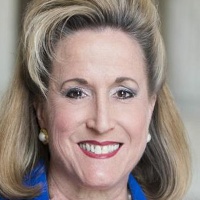
Ann Wagner
Representative
MO-2
This Act updates the criteria the U.S. government uses to evaluate foreign countries' efforts to combat sex trafficking. Specifically, it requires assessing a country's actions to prohibit or implement policies against purchasing commercial sex acts. The evaluation also considers efforts to educate buyers and reduce international sex tourism by their nationals.
New Bill Tightens International Scrutiny on Sex Trafficking: Focuses on Demand Reduction Efforts
Alright, let's talk about something that's unfortunately very real but often hidden: sex trafficking. A new piece of legislation, the “Sex Trafficking Demand Reduction Act,” is looking to shake things up, not by going after the traffickers directly (though that’s still happening), but by putting more pressure on foreign countries to curb the demand for commercial sex acts. Think of it like this: if fewer people are buying, there’s less incentive for traffickers to sell.
The Global Spotlight Gets Brighter
This bill, specifically in Section 2, is all about how the U.S. government assesses whether other countries are actually pulling their weight in the fight against human trafficking. Currently, there are minimum standards countries are supposed to meet, and this amendment is updating one key part of that assessment. It’s basically saying, “Hey, if you want to be considered a serious player in eliminating human trafficking, you need to show us you’re serious about reducing demand.”
What’s on the New Checklist?
So, what does “serious about reducing demand” actually mean under this new bill? It breaks it down into a few clear points. First, countries need to either prohibit the purchase of commercial sex acts where they have the authority to do so, or at least implement a strong policy against it if outright prohibition isn't on the table. This isn't just about saying it; it's about actually doing something. Imagine a country that previously just looked the other way; now, they’ll have to show concrete steps.
Second, they’ll need to educate buyers of commercial sex on how traffickers exploit people. This is a big one. It’s about shining a light on the dark reality behind the transaction, making potential buyers understand they're not just engaging in a commercial act, but often fueling exploitation and human suffering. For example, a country might launch public awareness campaigns, similar to how we educate folks about drunk driving or texting while driving, but focused on the grim realities of sex trafficking.
Finally, the bill pushes countries to reduce demand for international sex tourism by their own citizens. This means if you’re a national of a country being assessed, and you travel abroad to engage in commercial sex, your home country is now expected to take steps to discourage that. It’s about preventing their citizens from contributing to the problem elsewhere. This part is a bit trickier to implement, but the intent is clear: reduce the market, wherever it is.
What This Means for the Real World
For you, a busy person juggling life, this bill might seem a bit distant. But here’s the connection: human trafficking is a global crime with devastating human costs. By strengthening how the U.S. evaluates other nations, we’re aiming to create a more unified, effective front against it. If more countries are actively working to reduce demand, it could mean fewer victims, less exploitation, and ultimately, a safer world for everyone. It’s a procedural change, yes, but one with the potential for significant human impact. The bill takes effect as soon as it’s enacted, applying to all trafficking determinations from that point forward. It’s a step towards making sure that the fight against sex trafficking isn't just about rescuing victims, but also about dismantling the market that fuels it.