Legislative Activity
Track Claudia's sponsored bills, co-sponsored legislation, and voting record
The BOWSER Act repeals the District of Columbia Home Rule Act, returning control to the federal government one year after enactment.
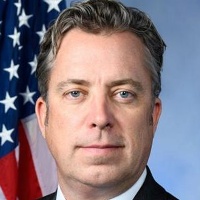
Andrew Ogles
Representative
TN
Andrew Ogles
Representative
TN
The BOWSER Act repeals the District of Columbia Home Rule Act, which currently grants a degree of self-governance to the District of Columbia. This repeal would take effect one year after the enactment of the BOWSER Act. Effectively, this would end the current form of local government in DC.
The "Primary Care Enhancement Act of 2025" clarifies the tax treatment of direct primary care (DPC) arrangements, excluding them from being considered a health plan for HSA purposes under certain conditions, and allowing DPC fees to be considered medical expenses.
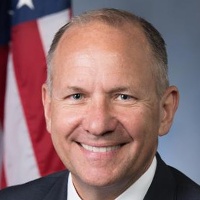
Lloyd Smucker
Representative
PA
Lloyd Smucker
Representative
PA
The "Primary Care Enhancement Act of 2025" modifies the treatment of direct primary care (DPC) arrangements for health savings account (HSA) purposes. It excludes DPC arrangements from being considered a health plan under certain conditions, such as DPC arrangements solely covering primary care services from primary care practitioners for a fixed periodic fee, with limits on monthly fees, and it treats DPC fees as medical expenses. This act also mandates the reporting of DPC fees on W-2 forms and adjusts fee limits for inflation.
Mandates the prompt release of immigration status information to state officials for voter eligibility verification.
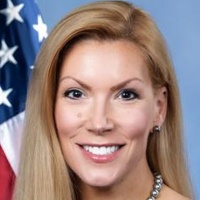
Beth Van Duyne
Representative
TX
Beth Van Duyne
Representative
TX
The "Voter Eligibility Verification Act of 2025" aims to ensure accurate voter rolls by requiring the prompt release of immigration status information to state officials. The Attorney General or Secretary of State must receive an individual's immigration status within 15 days of requesting it, including for potential voters. This will allow states to verify the eligibility of individuals for voter registration.
The Fair Access to Banking Act prohibits large financial institutions and payment networks from denying services to law-abiding businesses based on subjective, non-financial, or political criteria.
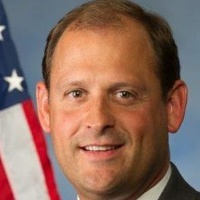
Garland Barr
Representative
KY
Garland Barr
Representative
KY
The Fair Access to Banking Act prohibits large financial institutions and payment networks from denying services to law-abiding businesses based on subjective, politically motivated, or reputational criteria. The bill mandates that financial institutions use impartial, quantitative, risk-based standards to evaluate customers rather than category-based exclusions. To ensure compliance, the legislation establishes enforcement mechanisms through federal regulators and provides a legal pathway for businesses to sue for damages if they are unfairly denied access to financial services.
This bill directs the Department of Education to consider the International Holocaust Remembrance Alliance's definition of antisemitism when evaluating discrimination complaints under Title VI of the Civil Rights Act of 1964, while also protecting First Amendment rights.
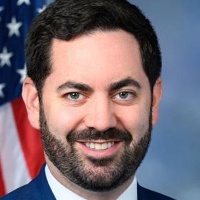
Michael Lawler
Representative
NY
Michael Lawler
Representative
NY
The Antisemitism Awareness Act of 2025 requires the Department of Education to consider the International Holocaust Remembrance Alliance's definition of antisemitism when evaluating discrimination complaints under Title VI of the Civil Rights Act of 1964, concerning race, color, and national origin. This aims to address rising antisemitism in educational settings. The Act clarifies that it does not expand the Department of Education's authority, change existing discrimination standards, reduce existing rights, or infringe upon First Amendment rights.
This bill authorizes the President to extend permanent normal trade relations to Kazakhstan by terminating the application of title IV of the Trade Act of 1974 to the country.
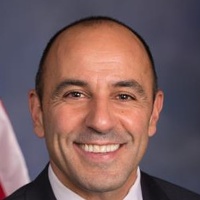
Jimmy Panetta
Representative
CA
Jimmy Panetta
Representative
CA
The US-Kazakhstan Trade Modernization Act authorizes the President to grant Kazakhstan permanent normal trade relations status. This legislation recognizes Kazakhstan’s compliance with international freedom of emigration requirements and its commitment to World Trade Organization standards. By terminating the application of title IV of the Trade Act of 1974, the bill aims to modernize and solidify the bilateral trade relationship between the two nations.
The Patriot Day Act designates Patriot Day as an official federal holiday.
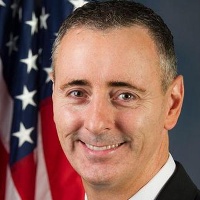
Brian Fitzpatrick
Representative
PA
Brian Fitzpatrick
Representative
PA
The Patriot Day Act formally designates Patriot Day as a federal holiday. This legislation adds the observance to the official list of legal public holidays under 5 U.S.C. § 6103(a).
This Act authorizes the minting of commemorative coins to honor America’s 250th anniversary, with proceeds supporting the Stephen Siller Tunnel to Towers Foundation’s programs for Gold Star families, veterans, and first responders.
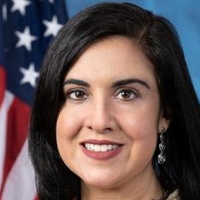
Nicole Malliotakis
Representative
NY
Nicole Malliotakis
Representative
NY
The 250 Years of Service and Sacrifice Commemorative Coin Act authorizes the U.S. Treasury to mint and issue commemorative coins in 2028 to honor America’s semiquincentennial and the legacy of those who serve. Proceeds from the sale of these coins will benefit the Stephen Siller Tunnel to Towers Foundation, supporting programs for Gold Star families, veterans, and first responders. The program is designed to be self-sustaining, ensuring no net cost to the federal government.
This bill prohibits state and local governments from imposing special taxes, insurance requirements, or user fees as a condition for the ownership, manufacture, or transfer of firearms and ammunition.
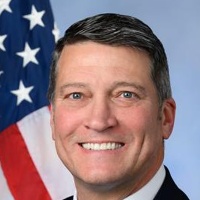
Ronny Jackson
Representative
TX
Ronny Jackson
Representative
TX
The "No User Fees for Gun Owners Act" prohibits state and local governments from imposing special taxes, insurance requirements, or user fees as a condition for owning, manufacturing, or transferring firearms and ammunition. The bill ensures that firearms are only subject to standard, generally applicable sales taxes, preventing discriminatory financial barriers to gun ownership.
The Dismantle DEI Act of 2025 immediately rescinds federal diversity, equity, and inclusion (DEI) mandates across executive offices, contracting, grants, and education, while banning related training and imposing penalties for non-compliance.
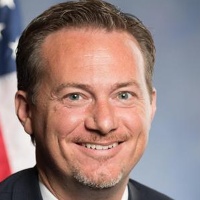
Michael Cloud
Representative
TX
Michael Cloud
Representative
TX
The Dismantle DEI Act of 2025 aims to immediately rescind diversity, equity, and inclusion (DEI) mandates across the federal government, including shutting down related offices and banning specific ideological training for federal personnel and contractors. The bill prohibits the use of federal funds for DEI activities by grant recipients and mandates that federal advisory committees cease all such practices or face termination. Furthermore, it establishes strong enforcement mechanisms, allowing individuals to sue violators and seek financial penalties for non-compliance.
This bill prohibits state and local jurisdictions from employing non-U.S. citizens to administer federal elections.
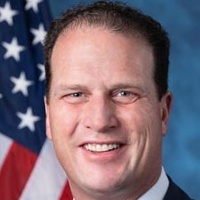
August Pfluger
Representative
TX
August Pfluger
Representative
TX
The "No Foreign Persons Administering Our Elections Act" prohibits state and local jurisdictions from hiring non-U.S. citizens to administer federal elections. This legislation ensures that only U.S. citizens are responsible for the management and oversight of the federal electoral process.
This bill mandates the termination of the U.S. Department of Education effective December 31, 2026.

Thomas Massie
Representative
KY
Thomas Massie
Representative
KY
This bill proposes the complete termination of the United States Department of Education. If enacted, the agency would be officially dissolved on December 31, 2026.
The Educational Choice for Children Act of 2025 establishes federal tax credits for contributions to scholarship-granting organizations, providing lower- and middle-income families with financial support for K–12 educational expenses.

Adrian Smith
Representative
NE
Adrian Smith
Representative
NE
The Educational Choice for Children Act of 2025 establishes federal tax credits for individuals and corporations that contribute to scholarship-granting organizations. These organizations provide K–12 education scholarships to students from lower- and middle-income households to cover tuition, tutoring, and other qualified educational expenses. The bill also protects the autonomy of participating schools and scholarship organizations from government interference while ensuring that scholarship funds remain tax-free for recipient families.
The IGO Anti-Boycott Act expands existing anti-boycott regulations to include international governmental organizations and mandates an annual public report on all such boycott activities.
Michael Lawler
Representative
NY
Michael Lawler
Representative
NY
The IGO Anti-Boycott Act expands existing federal law to prohibit participation in boycotts fostered or imposed by international governmental organizations, not just those by foreign countries. Additionally, the bill mandates that the President submit and publish an annual report detailing all international boycotts covered by these restrictions.
This bill provides a 6.62 percent Medicare payment increase for physicians and practitioners from April through December 2025 to help stabilize medical practices.
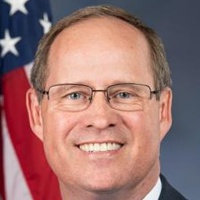
Gregory Murphy
Representative
NC
Gregory Murphy
Representative
NC
The Medicare Patient Access and Practice Stabilization Act of 2025 aims to support healthcare providers by extending Medicare payment adjustments through the end of 2025. Specifically, the bill provides a 6.62 percent payment increase for services rendered between April 1, 2025, and December 31, 2025, to help practitioners adjust to evolving Medicare payment policies.
This bill expresses the House of Representatives' desire to keep the United States Postal Service (USPS) as an independent entity within the Federal Government, protecting it from privatization. It emphasizes the USPS's importance to the mailing industry, its role in connecting communities, and the potential negative impacts of privatization on prices, services, and infrastructure.
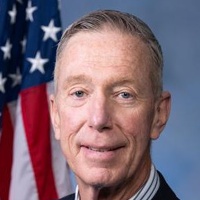
Stephen Lynch
Representative
MA
Stephen Lynch
Representative
MA
This bill expresses the House of Representatives' view that Congress should act to maintain the United States Postal Service (USPS) as an independent entity within the Federal Government. It emphasizes the USPS's role as a self-sustaining service vital to the economy and national connectivity. The resolution discourages privatization, citing concerns about increased costs, reduced services, and damage to critical infrastructure.
The Parental Notification and Intervention Act of 2025 mandates parental notification and a 96-hour waiting period for abortions involving minors, while establishing a legal process for parents to seek court injunctions to block the procedure.
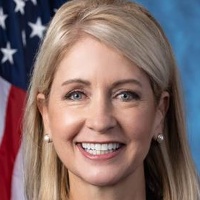
Mary Miller
Representative
IL
Mary Miller
Representative
IL
The Parental Notification and Intervention Act of 2025 mandates that parents or legal guardians be notified 96 hours prior to an abortion performed on an unemancipated minor, with limited exceptions for medical emergencies or documented abuse. The bill further empowers parents to seek federal court injunctions to block such procedures. It also preserves existing state laws that impose stricter notification or intervention requirements.
The Sergeant Gary Beikirch Medal of Honor Act allows Medal of Honor recipients to receive their special pension concurrently with other veterans' benefits.
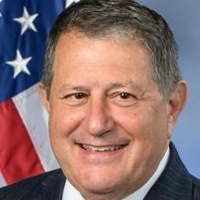
Joseph Morelle
Representative
NY
Joseph Morelle
Representative
NY
The Sergeant Gary Beikirch Medal of Honor Act removes existing restrictions that prevent Medal of Honor recipients from receiving their special pension concurrently with other veterans' benefits. This legislation ensures that these distinguished heroes can receive both forms of compensation simultaneously.
The Educational Choice for Children Act of 2025 establishes a federal tax credit for donations to scholarship-granting organizations to help families fund K-12 educational expenses, including private school tuition and homeschooling costs.
Adrian Smith
Representative
NE
Adrian Smith
Representative
NE
The Educational Choice for Children Act of 2025 establishes a federal tax credit for donations to scholarship-granting organizations, which provide financial assistance for K-12 educational expenses. This initiative aims to expand school choice by helping eligible families cover costs such as tuition, tutoring, and educational therapies. The bill also includes robust protections to ensure the autonomy of participating private and religious schools and the freedom of parents to direct their children's education.
This bill directs the U.S. Holocaust Memorial Museum to conduct a comprehensive study and report to Congress on the current state and effectiveness of Holocaust education in public elementary and secondary schools across the United States.
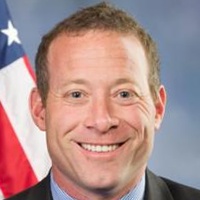
Josh Gottheimer
Representative
NJ
Josh Gottheimer
Representative
NJ
The Holocaust Education and Antisemitism Lessons Act directs the U.S. Holocaust Memorial Museum to conduct a comprehensive study of Holocaust education in public elementary and secondary schools across the United States. This study will evaluate current curriculum standards, teaching methods, and available resources to identify gaps and improve how students learn about the Holocaust and the history of antisemitism. The findings will be compiled into a report submitted to Congress to help strengthen educational efforts in preventing hate and bigotry.