Legislative Activity
Track Claudia's sponsored bills, co-sponsored legislation, and voting record
This Act establishes the "Local Farmers Feeding Our Communities" program to strengthen local food security by funding agreements that support local producers and distribute fresh food to communities.
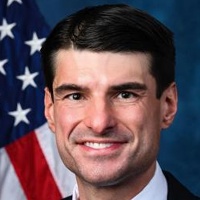
Robert Bresnahan
Representative
PA
Robert Bresnahan
Representative
PA
The Local Farmers Feeding our Communities Act establishes a new program to support local food producers and strengthen regional food security. This initiative requires the Secretary of Agriculture to fund agreements that ensure nutritious, locally sourced food is purchased and distributed widely, prioritizing small and beginning farmers. Funds must be used to buy minimally processed local products and provide technical assistance to producers. The program is backed by mandatory funding starting in Fiscal Year 2026.
This bill updates Medicare payment rates for air ambulance services by requiring new cost data collection and mandating a GAO study on emergency air ambulance expenses.
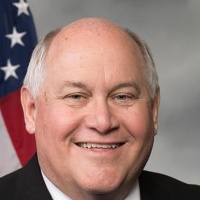
Ron Estes
Representative
KS
Ron Estes
Representative
KS
The Protecting Air Ambulance Services for Americans Act of 2025 aims to improve the Medicare payment system for emergency air ambulance services. This bill directs the Secretary of Health and Human Services to update payment rates using newly collected cost data from providers. Furthermore, it mandates the timely finalization of data collection rules and requires the GAO to study the true operating costs of air ambulance services to inform future payment adjustments.
The Veterans’ ACCESS Act of 2025 improves veteran health care by establishing clear eligibility standards for community care, mandating timely mental health treatment, and streamlining administrative processes to ensure faster, more transparent access to services.
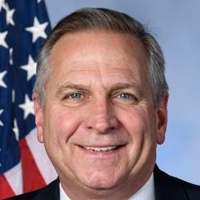
Mike Bost
Representative
IL
Mike Bost
Representative
IL
The Veterans’ ACCESS Act of 2025 strengthens the Veterans Community Care Program by establishing clear, enforceable standards for care eligibility and wait times while streamlining the referral process. The legislation also overhauls access to residential mental health and substance abuse treatment, ensuring veterans receive timely, localized care with robust oversight. Additionally, it mandates the development of digital tools and pilot programs to reduce bureaucratic hurdles and improve transparency across the VA healthcare system.
The SAVES Act establishes a VA pilot program to award grants to nonprofits providing service dogs and veterinary insurance to eligible veterans managing specific service-connected conditions.
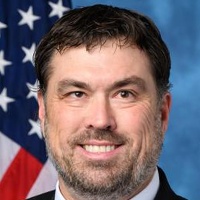
Morgan Luttrell
Representative
TX
Morgan Luttrell
Representative
TX
The SAVES Act establishes a Department of Veterans Affairs (VA) pilot program to award grants to nonprofit organizations that provide service dogs to eligible veterans. These grants, up to $\$2,000,000$ each, will fund the training and provision of service dogs for veterans with qualifying conditions like PTSD or TBI. The bill also extends the expiration date for certain limits on veterans' pension payments until February 2033.
This bill establishes a grant program to foster collaborative PTSD research between the United States and Israel.
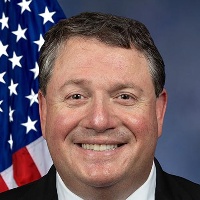
Randall Fine
Representative
FL
Randall Fine
Representative
FL
This bill establishes the United States-Israel PTSD Collaborative Research Act to foster scientific partnerships between the two nations. It creates a grant program, managed by the Secretary of Defense, to fund joint research projects between U.S. academic or non-profit entities and Israeli institutions specializing in PTSD treatment. The goal is to advance new and improved methods for diagnosing and treating post-traumatic stress disorder.
This bill establishes a new system for distributing up to 2,000 additional Medicare-funded residency positions annually from 2026 through 2032, prioritizing hospitals serving underserved areas, and mandates a study on strategies to increase workforce diversity.
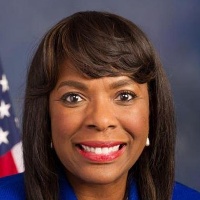
Terri Sewell
Representative
AL
Terri Sewell
Representative
AL
The Resident Physician Shortage Reduction Act of 2025 establishes a structured process for distributing up to 2,000 additional, federally funded residency positions annually between fiscal years 2026 and 2032. This distribution prioritizes hospitals serving in underserved areas, those already training above their limit, and those committed to primary care and general surgery training. The bill also mandates a study and report by the Comptroller General on effective strategies to increase diversity within the health professional workforce.
This Act prioritizes federal research and development funding for controlling the invasive Spotted Lanternfly and extends key agricultural research programs through 2030.
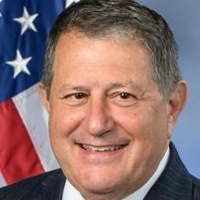
Joseph Morelle
Representative
NY
Joseph Morelle
Representative
NY
The Spotted Lanternfly Research and Development Act prioritizes federal funding for research and extension programs specifically aimed at controlling the invasive Spotted Lanternfly. This legislation ensures that developing effective tools and treatments against this pest becomes a high-priority initiative. Additionally, the Act extends the authorization for several existing high-priority agricultural research programs until 2030.
This Act preempts state and local governments from imposing handgun design or feature requirements on firearms in interstate commerce that are not already mandated by federal law.
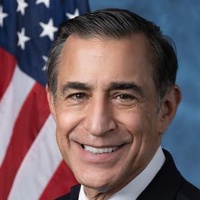
Darrell Issa
Representative
CA
Darrell Issa
Representative
CA
The Modern Firearm Safety Act preempts state and local governments from imposing handgun design or feature requirements beyond existing federal law. This bill prevents jurisdictions from mandating specific features, such as loaded chamber indicators or magazine insertion sensors, on handguns sold or shipped across state lines. The goal is to standardize federal requirements and limit local restrictions on firearm manufacturing and commerce.
This resolution expresses congressional disapproval of the United States Fish and Wildlife Service's submitted rule regarding the Barred Owl Management Strategy.
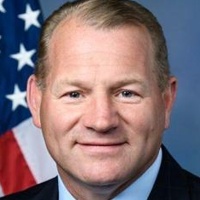
Troy Nehls
Representative
TX
Troy Nehls
Representative
TX
This joint resolution expresses the disapproval of Congress regarding the United States Fish and Wildlife Service's recently submitted rule on the "Barred Owl Management Strategy." By invoking the Congressional Review Act, this action nullifies the proposed management strategy, preventing it from taking legal effect. Essentially, Congress is rejecting the USFWS's plan for managing Barred Owls.
This Act establishes a corporate tax rate reduction for qualifying U.S. corporations that implement broad-based employee stock ownership plans, while also making the distributed stock tax-free to the employees upon receipt.
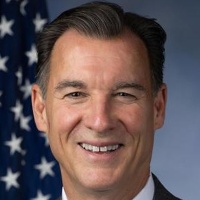
Thomas Suozzi
Representative
NY
Thomas Suozzi
Representative
NY
The Share Holder Allocation for Rewards to Employees Plan Act (SHARE Plan Act) establishes a new corporate tax incentive for U.S. companies that distribute a significant amount of their stock equity to employees through formal, broad-based plans. Eligible "SHARE corporations" receive a 3 percentage point reduction in their corporate income tax rate. Crucially, stock received by employees under a qualified SHARE plan is excluded from the employee's gross income for federal tax purposes. The bill sets strict requirements for plan structure, employee participation, and minimum equity distribution ratios to qualify for these benefits.
This bill amends federal law to include violations related to rioting within the definition of racketeering activity.
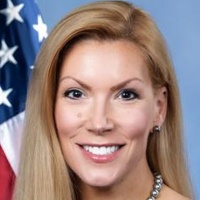
Beth Van Duyne
Representative
TX
Beth Van Duyne
Representative
TX
This bill amends federal law to explicitly include violations related to rioting within the definition of "racketeering activity." By adding this specific crime to the list under Title 18, Section 1961(1), the legislation makes participation in such activities subject to serious federal racketeering charges. This change treats rioting violations similarly to other established offenses like bribery or extortion for the purposes of federal prosecution.
This act modernizes the tax code by treating low alcohol by volume wine (under 8.5% ABV and low carbonation) the same as standard still wine for federal excise tax purposes, effective after December 31, 2025.
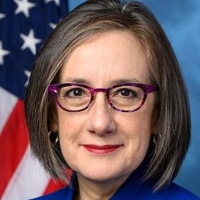
Andrea Salinas
Representative
OR
Andrea Salinas
Representative
OR
The Bubble Tax Modernization Act of 2025 simplifies federal excise tax treatment for certain low alcohol by volume (ABV) wines. This legislation reclassifies qualifying low ABV wines (under 8.5% ABV and low carbonation) as standard still wines for tax calculation purposes under Section 5041(h). These changes will take effect for wine removed from bond after December 31, 2025.
This Act prohibits insurance companies from discriminating against living organ donors when issuing life, disability, or long-term care policies and mandates the updating of educational materials regarding donation risks and insurance implications.
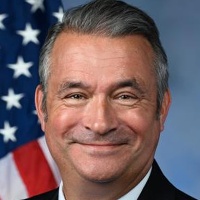
Don Bacon
Representative
NE
Don Bacon
Representative
NE
The Living Donor Protection Act of 2025 prohibits life, disability, and long-term care insurance companies from denying coverage or increasing premiums solely because an individual is a living organ donor. This legislation ensures that living donors are not financially penalized for their altruistic act. Additionally, the bill requires the Secretary of HHS to update educational materials to accurately reflect the insurance protections afforded to living donors.
The SEEK HELP Act provides federal Good Samaritan protections for individuals who administer overdose reversal drugs or seek medical assistance during a drug overdose, while also funding public awareness campaigns and mandating a GAO study on the effectiveness of these protections.
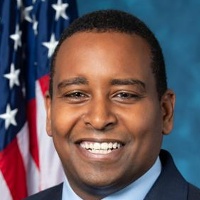
Joe Neguse
Representative
CO
Joe Neguse
Representative
CO
The Samaritan Efforts to Ensure Key Health Emergency and Life-saving Protections Act (SEEK HELP Act) establishes federal Good Samaritan protections for individuals who administer opioid overdose reversal drugs or seek medical help during an overdose. It shields these individuals from civil liability and certain criminal prosecution related to controlled substance possession when seeking aid. Furthermore, the Act mandates public awareness campaigns and a comprehensive GAO study to evaluate the effectiveness of these overdose protection laws across the states.
The Supporting Apprenticeship Colleges Act of 2025 establishes grant programs to boost outreach for construction and manufacturing apprenticeships and to fund academic advising and student support services for apprentices in those fields.
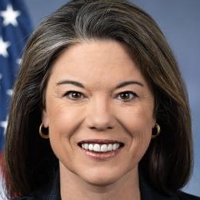
Angie Craig
Representative
MN
Angie Craig
Representative
MN
The Supporting Apprenticeship Colleges Act of 2025 establishes two grant programs totaling \$10 million annually to boost construction and manufacturing apprenticeships. The first program funds community outreach to recruit students and connect programs with local employers, particularly in rural areas. The second program provides funds for expanded academic advising and student support services to improve program retention and completion rates. The Act also formally defines specialized apprenticeship colleges and sets reporting requirements for grant recipients.
This bill amends the Family and Medical Leave Act to explicitly qualify time taken for an employee's own organ donation surgery as a serious health condition.
Don Bacon
Representative
NE
Don Bacon
Representative
NE
This bill amends the Family and Medical Leave Act (FMLA) to explicitly clarify that time taken off for an employee's own organ donation surgery qualifies as a serious health condition. This ensures both private and federal sector workers receive FMLA protection for recovery from organ donation. The legislation also specifies how federal employees must substitute existing paid leave when taking FMLA time for this purpose.
This bill prohibits the Department of Transportation from providing federal funds to any city designated as a "sanctuary city" based on its immigration enforcement policies.
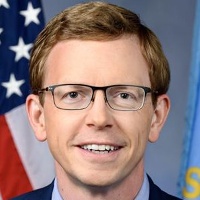
Dusty Johnson
Representative
SD
Dusty Johnson
Representative
SD
The No DOT Funds for Sanctuary Cities Act prohibits the Secretary of Transportation from awarding federal transportation funds to any city designated as a "sanctuary city." This designation applies to localities with policies that restrict sharing immigration status information or complying with certain federal immigration detainers. Waivers for funding may only be granted if the Secretary certifies the activity is in the national interest and notifies relevant Congressional committees.
This Act prohibits the Federal Reserve from directly or indirectly issuing a Central Bank Digital Currency (CBDC) and bars the Fed from developing or using one for monetary policy without explicit Congressional authorization.
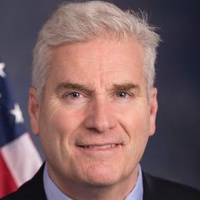
Tom Emmer
Representative
MN
Tom Emmer
Representative
MN
The Anti-CBDC Surveillance State Act strictly prohibits the Federal Reserve from directly or indirectly issuing a Central Bank Digital Currency (CBDC) to individuals. This legislation prevents the Fed from developing, testing, or implementing any digital currency that functions as a direct liability of the Federal Reserve. Furthermore, Congress asserts that any authority to create such a digital asset must explicitly come from Congress itself.
The Waste and Illegal Property Eradication (WIPE) Act authorizes the Department of Defense to use portable waste disposal systems for seized contraband while explicitly banning the use of open-air burn pits for such materials, funded by a budget reallocation for fiscal year 2026.
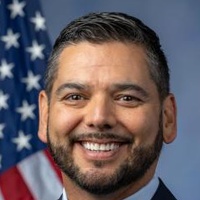
Raul Ruiz
Representative
CA
Raul Ruiz
Representative
CA
The Waste and Illegal Property Eradication (WIPE) Act authorizes the Department of Defense (DoD) to use portable, expeditionary waste disposal systems for destroying seized contraband, counterfeit goods, and unauthorized equipment. This legislation specifically prohibits the DoD from using open-air burn pits for these materials. The Act funds the acquisition of these new disposal systems by reallocating existing funds designated for open-air burn pit operations.
The FIRE Act prohibits federal, state, and local governments from enacting or enforcing any law that restricts firearm magazines based on their ammunition capacity.
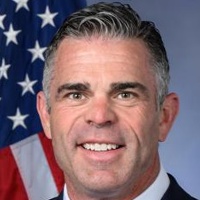
Tony Wied
Representative
WI
Tony Wied
Representative
WI
The Freedom from Improper Regulation and Enforcement (FIRE) Act prohibits the federal government from creating or enforcing any rule that restricts firearm magazines based on their ammunition capacity. Furthermore, this Act voids any existing or future state or local laws that attempt to impose such capacity limits or penalties. In essence, the bill prevents regulation of firearm magazines based solely on how many rounds they can hold.