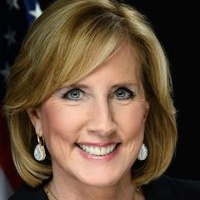
Legislative Activity
Track Claudia's sponsored bills, co-sponsored legislation, and voting record
This resolution formally recognizes and celebrates the 180th anniversary of the United States Naval Academy, honoring its history, distinguished alumni, and enduring mission to develop leaders for the Navy and Marine Corps.
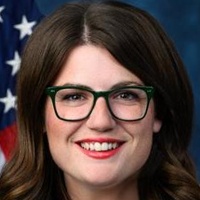
Sarah Elfreth
Representative
MD
Sarah Elfreth
Representative
MD
This resolution formally recognizes and celebrates the 180th anniversary of the United States Naval Academy. It honors the institution's history, its mission to instill honor and courage in future leaders, and the significant achievements of its distinguished alumni. Congress reaffirms its commitment to supporting the Academy as it continues to prepare leaders for the Navy and Marine Corps.
This bill establishes a program to identify and correct the grave markers of Jewish servicemembers mistakenly buried under Latin Crosses in overseas U.S. military cemeteries.
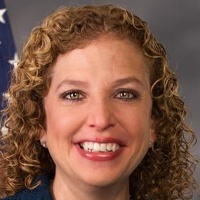
Debbie Wasserman Schultz
Representative
FL
Debbie Wasserman Schultz
Representative
FL
This act establishes the Fallen Servicemembers Religious Heritage Restoration Program to correct historical errors where Jewish service members killed in WWI and WWII were mistakenly buried under non-Jewish grave markers overseas. The American Battle Monuments Commission will contract with a nonprofit organization to identify these "covered members" and contact their survivors over a five-year period. The legislation also extends a deadline related to certain pension payments.
This resolution condemns the assassination of Charlie Kirk and honors his life, legacy, and commitment to civil discourse.
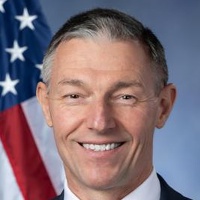
Mike Kennedy
Representative
UT
Mike Kennedy
Representative
UT
This resolution condemns the assassination of conservative activist Charlie Kirk and extends condolences to his family. It honors his life and legacy, recognizing his founding of Turning Point USA and his commitment to encouraging civil discourse on college campuses.
This resolution strongly condemns the assassination of Charlie Kirk and calls for national change inspired by his life and tragic death.
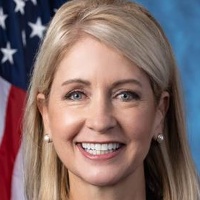
Mary Miller
Representative
IL
Mary Miller
Representative
IL
This resolution strongly condemns the assassination of conservative activist Charlie Kirk on September 10, 2025, during his national speaking tour. It honors his life, his founding of Turning Point USA, and his dedication to conservative principles. Ultimately, the document calls for national unity and reaffirms the commitment to protecting the right to peaceful assembly and free expression.
This bill protects firearm licensees from license revocation for self-reported or correctable violations by requiring notice, a chance to fix mistakes, and granting federal courts the power to review revocations *de novo*.
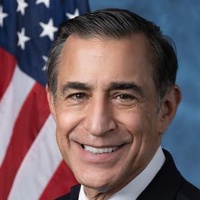
Darrell Issa
Representative
CA
Darrell Issa
Representative
CA
The FIREARM Act aims to protect licensed firearm dealers from overly harsh penalties for minor or self-reported mistakes. It establishes new standards requiring the government to provide notice and an opportunity for dealers to correct violations before license revocation. Furthermore, the bill retroactively applies these protections to licenses previously revoked under a specific 2021 enforcement policy, allowing affected individuals a path to reapply.
This resolution formally condemns the assassination of Charlie Kirk and reaffirms the right to peaceful assembly against political violence.
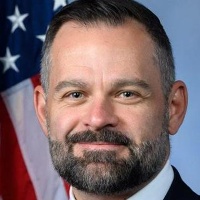
Cory Mills
Representative
FL
Cory Mills
Representative
FL
This resolution formally condemns the horrific political assassination of conservative spokesman Charlie Kirk on September 10, 2025, in Orem, Utah. It expresses deep condolences to his family and recognizes the bravery of the first responders at the scene. Ultimately, the measure reaffirms the fundamental American right to peaceful assembly and stands firmly against political violence.
This act ensures that essential Border Patrol Agents and Customs Officers receive their salaries during a government shutdown in fiscal year 2026.
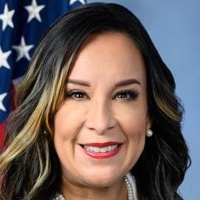
Mónica De La Cruz
Representative
TX
Mónica De La Cruz
Representative
TX
The Pay Our Border Patrol and Customs Agents Act ensures that essential U.S. Border Patrol Agents and Customs and Border Protection officers who must work during a government shutdown in fiscal year 2026 will receive their salaries. This legislation appropriates necessary funds from the Treasury to cover these payments during the lapse in appropriations. The goal is to guarantee that critical border security personnel are paid even if the government temporarily closes.
The RESULTS Act reforms how Medicare determines payment rates for clinical diagnostic laboratory tests by mandating the use of comprehensive, real-world private payor claims data collected from an independent entity.
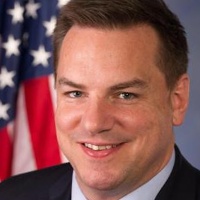
Richard Hudson
Representative
NC
Richard Hudson
Representative
NC
The Reforming and Enhancing Sustainable Updates to Laboratory Testing Services Act of 2025 (RESULTS Act) aims to improve Medicare payment rates for clinical lab tests by mandating the collection of more accurate, real-world payment data directly from large, independent private insurance claims databases. This legislation updates definitions, collection timelines, and calculation methods to ensure Medicare payments for widely available tests reflect current market rates. It also establishes default payment rules if sufficient private payor data cannot be secured.
This bill amends Medicare rules to classify blood culture contamination as a hospital-acquired condition, setting a maximum contamination rate of 1% for hospital performance standards starting in fiscal year 2026.
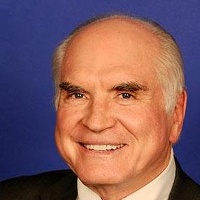
Mike Kelly
Representative
PA
Mike Kelly
Representative
PA
The Diagnostic Accuracy in Sepsis Act of 2025 amends Medicare rules to classify blood culture contamination as a hospital-acquired condition. This change requires the Secretary to set a standard for blood contamination rates at or below one percent for fiscal year 2026 and beyond. The bill aims to improve diagnostic accuracy and accountability regarding hospital-acquired infections.
This resolution urges all 50 states to include the events of the September 11th terrorist attacks in their K-12 school curricula to ensure future generations never forget that day and the sacrifices made.
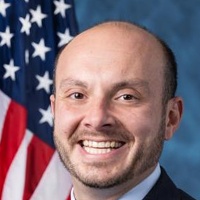
Andrew Garbarino
Representative
NY
Andrew Garbarino
Representative
NY
This resolution expresses the sense of the House of Representatives that all 50 states should include the events of the September 11th terrorist attacks in their elementary and secondary school curricula. The goal is to ensure that future generations understand the significance of that day and honor the sacrifices made by first responders. By mandating this education, Congress seeks to prevent the memory of 9/11 from fading.
The Weather Act Reauthorization Act of 2025 comprehensively updates and funds federal weather research, modernizes forecasting infrastructure, integrates commercial data, and improves public communication to enhance severe weather preparedness and mitigation across the nation.
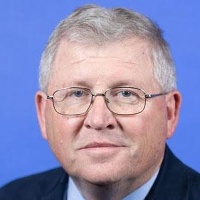
Frank Lucas
Representative
OK
Frank Lucas
Representative
OK
The Weather Act Reauthorization Act of 2025 aims to significantly enhance U.S. weather forecasting, research, and public safety measures across five years. It mandates the modernization of critical infrastructure, including radar systems and data processing, while prioritizing the integration of commercial technology and social science research into actionable, impact-based warnings. The bill focuses on improving predictions for severe events like tornadoes, hurricanes, and droughts, and overhauls how NOAA acquires and utilizes private sector weather data. Ultimately, this legislation seeks to deliver faster, clearer, and more reliable hazard information to protect American lives and property.
This Act updates Medicaid rules to modify how states calculate Disproportionate Share Hospital (DSH) payment adjustments and allows states to retroactively use unspent federal DSH funds for prior years.
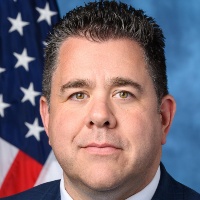
Nicolas LaLota
Representative
NY
Nicolas LaLota
Representative
NY
The Save our Safety-Net Hospitals Act of 2025 modifies how states calculate Disproportionate Share Hospital (DSH) payments under Medicaid to ensure hospitals receive appropriate supplemental funding. This bill updates eligibility criteria by changing which patient costs are included in the DSH calculation formula. Furthermore, it allows states to use previously unspent federal DSH funds to increase payments for certain past rate years, provided they adhere to existing allotment caps.
This act establishes that trafficking fentanyl, as broadly defined, constitutes attempted murder under federal law.
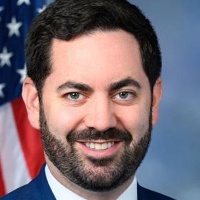
Michael Lawler
Representative
NY
Michael Lawler
Representative
NY
The Fentanyl Kills Act establishes a new federal definition for "trafficked fentanyl," encompassing the manufacture, distribution, and financing of illicit fentanyl and its precursors. Crucially, this bill automatically equates engaging in the defined fentanyl trafficking activities with the crime of attempted murder. This change subjects individuals involved in fentanyl trafficking to the severe penalties associated with attempted murder charges.
The Greyhound Protection Act of 2025 bans commercial greyhound racing, live lure training, and open field coursing nationwide starting in late 2027 due to documented animal welfare concerns.
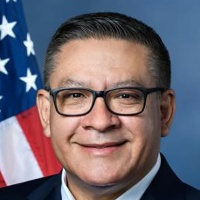
Salud Carbajal
Representative
CA
Salud Carbajal
Representative
CA
The Greyhound Protection Act of 2025 seeks to end commercial greyhound racing and related cruel training practices nationwide by October 1, 2027. This legislation bans all forms of wagering on greyhound races and prohibits the use of live animals for training or coursing events. Violators face significant fines and potential imprisonment under the strengthened Animal Welfare Act. The bill reflects concerns over widespread animal injuries, drug use, and inhumane confinement within the declining industry.
This bill establishes a mandatory supply fee paid by Medicare drug plans to long-term care pharmacies for specific prescriptions in 2026 and 2027, while also mandating a GAO study on the financial sustainability of the current payment system.
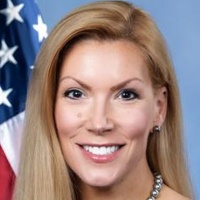
Beth Van Duyne
Representative
TX
Beth Van Duyne
Representative
TX
This Act establishes a mandatory supply fee for Medicare drug plans to pay long-term care pharmacies for specific prescriptions dispensed in 2026 and 2027. The bill mandates a $30 fee per prescription in 2026, increasing in 2027, with penalties for non-payment. Additionally, the GAO is required to study the financial sustainability of the current payment structure for these essential pharmacies. This legislation aims to ensure continued access to medications for patients in long-term care settings.
The DETECT Act of 2025 mandates a report on the potential for the IRS to utilize artificial intelligence to detect tax fraud.
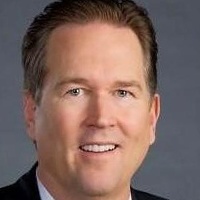
Vern Buchanan
Representative
FL
Vern Buchanan
Representative
FL
The DETECT Act of 2025 mandates a report from the Comptroller General assessing the potential for the IRS to utilize artificial intelligence (AI) to enhance the detection of tax fraud. This report must be delivered to key Congressional committees within 180 days of the Act's enactment. Essentially, the bill initiates a study on leveraging AI for improved tax compliance tracking.
This bill codifies Executive Order 14319, making its provisions regarding the prevention of "woke AI" in the Federal Government the official law of the land.
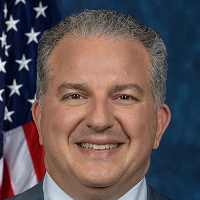
Jimmy Patronis
Representative
FL
Jimmy Patronis
Representative
FL
This bill seeks to formally codify Executive Order 14319 into federal law. By doing so, the provisions outlined in the Executive Order, which relate to preventing "woke AI" within the Federal Government, will gain the full force and effect of statute.
This resolution condemns the tragic New York City shooting, honors the victims and brave NYPD officers, and calls for increased support against violence targeting law enforcement.
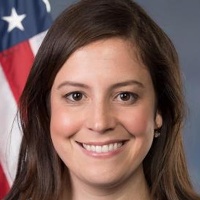
Elise Stefanik
Representative
NY
Elise Stefanik
Representative
NY
This resolution formally condemns the tragic mass shooting in New York City that resulted in the deaths of civilians and NYPD Officer Didarul Islam. It honors the victims and commends the bravery of the New York City Police Department for their response to the attack. Furthermore, the bill takes a stand against all acts of violence directed toward law enforcement officials nationwide.
This act directs federal agencies to prioritize civil commitment and treatment for individuals with severe mental illness or addiction, while prioritizing grants and housing aid for communities enforcing public order and requiring treatment compliance.
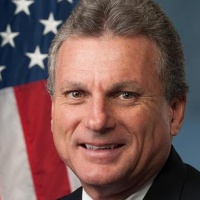
Earl Carter
Representative
GA
Earl Carter
Representative
GA
The Make Our Streets Safe Again Act (MOSSA Act) directs federal agencies to prioritize civil commitment and treatment for individuals with serious mental illness or addiction on the streets. It mandates that federal grants prioritize states and cities enforcing bans on public disorder like urban camping and open drug use. Furthermore, the bill aims to reform federal housing and treatment programs to emphasize recovery and accountability over policies that may enable street homelessness.
The USTRx Act establishes a Chief Pharmaceutical Trade Negotiator to combat unfair foreign drug pricing practices and ensure high-income countries pay their fair share for U.S.-developed medicines.
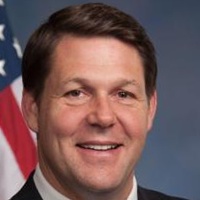
Jodey Arrington
Representative
TX
Jodey Arrington
Representative
TX
The Use Sovereignty To reduce Rx (USTRx) Act establishes a new Chief Pharmaceutical Trade Negotiator within the Office of the United States Trade Representative to combat unfair foreign drug pricing policies. This legislation mandates annual reviews of high-income countries to identify practices that disadvantage U.S. pharmaceutical innovation and requires the development of formal response plans to ensure foreign nations pay their fair share of drug development costs.