Legislative Activity
Track Suhas's sponsored bills, co-sponsored legislation, and voting record
This resolution demands the President transmit all records related to the removal, reassignment, or administrative leave of federal employees and Inspectors General since January 20, 2025, particularly those influenced by outside parties like Elon Musk or concerning DEI staff layoffs.
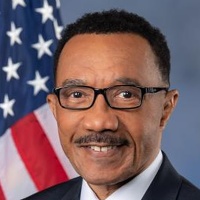
Kweisi Mfume
Representative
MD
Kweisi Mfume
Representative
MD
This resolution is an official request from the House of Representatives demanding the President transmit specific documents regarding federal personnel actions taken since January 20, 2025. It seeks records related to the termination, removal, or reassignment of federal employees and Inspectors General that may have been influenced by outside parties, including Elon Musk and Trump-related groups. The request also specifically targets communications concerning the layoff guidance for Diversity, Equity, and Inclusion (DEI) staff.
This resolution demands the President transmit all documents detailing the Administration's use of insecure electronic communication platforms for official business and its compliance with federal recordkeeping laws.
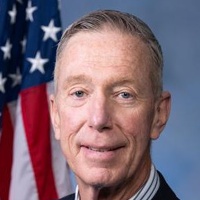
Stephen Lynch
Representative
MA
Stephen Lynch
Representative
MA
This resolution is an official inquiry demanding the President transmit documents detailing the Administration's use of insecure electronic communication platforms, such as Signal, for official business. Congress specifically seeks records related to compliance with federal recordkeeping laws, especially concerning sensitive national security information and the prevention of automatic message deletion. The request mandates the delivery of these unredacted materials to the House within 14 days of the resolution's passage.
The Raise the Wage Act of 2025 gradually increases the federal minimum wage to \$17.00, phases out subminimum wages for tipped employees and workers with disabilities, and eliminates the subminimum wage for young workers.
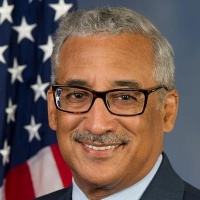
Robert Scott
Representative
VA
Robert Scott
Representative
VA
The Raise the Wage Act of 2025 establishes a phased increase of the federal minimum wage, culminating in a \$17.00 per hour rate five years after enactment, followed by automatic annual adjustments tied to median wage growth. This bill also phases out the lower minimum wage for tipped employees and workers under 20, ensuring they eventually earn the standard federal minimum wage. Furthermore, it sets a schedule to eliminate subminimum wages for individuals with disabilities and prohibits the issuance of new special certificates allowing for lower pay.
This Act establishes federal minimum standards for public employee collective bargaining rights, allowing states to maintain their own laws if they meet or exceed these standards, otherwise the Federal Labor Relations Authority will enforce federal rules.
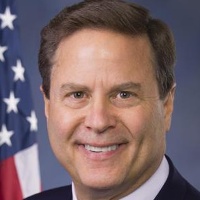
Donald Norcross
Representative
NJ
Donald Norcross
Representative
NJ
The Public Service Freedom to Negotiate Act of 2025 establishes federal minimum standards for collective bargaining rights for public employees across the nation. It requires the Federal Labor Relations Authority (FLRA) to review state laws to ensure they substantially provide these minimum rights, including the right to organize and bargain collectively. If a state fails to meet these standards, the FLRA will administer federal labor relations rules for the uncovered employees. The Act also prohibits strikes or lockouts that would measurably disrupt emergency or public safety services.
This Act allows employees to fully deduct union dues above the line and restores the itemized deduction for certain other job-related business expenses.
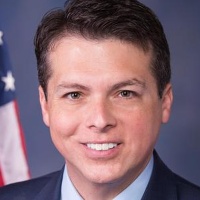
Brendan Boyle
Representative
PA
Brendan Boyle
Representative
PA
The Tax Fairness for Workers Act restores key federal tax deductions for employees, effective after 2024. This legislation makes union dues fully deductible "above the line," meaning they reduce Adjusted Gross Income without itemizing. Additionally, it allows itemizers to deduct certain other job-related business expenses that were previously limited.
This bill eliminates reduced-price school meals while expanding eligibility for free meals by raising the income threshold and allowing direct certification for children receiving Medicaid.
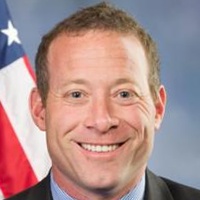
Josh Gottheimer
Representative
NJ
Josh Gottheimer
Representative
NJ
The Expanding Access to School Meals Act of 2025 aims to simplify school meal programs by eliminating the "reduced-price" meal category for both breakfast and lunch. It significantly expands eligibility for free school meals by raising the federal poverty level threshold to 224% and allowing automatic certification for children receiving Medicaid benefits. Additionally, the bill enhances financial support for schools by allowing retroactive reimbursement claims and increasing the multiplier for the Community Eligibility Program.
The Religious Workforce Protection Act extends nonimmigrant status and provides job flexibility for religious workers caught in long green card backlogs, while also waiving the one-year foreign residence requirement for those who left due to the R-1 visa time limit.
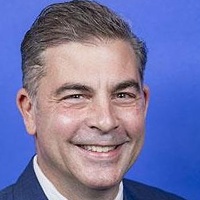
Mike Carey
Representative
OH
Mike Carey
Representative
OH
The Religious Workforce Protection Act aims to support religious workers facing long green card backlogs by allowing extensions of their nonimmigrant status beyond the usual five-year limit until their permanent residency application is processed. It also modifies job flexibility rules for certain delayed applicants and exempts religious workers who left the U.S. due to the five-year R-1 visa limit from the mandatory one-year foreign residence requirement before reapplying.
This Act overhauls federal firearm dealer regulations by mandating enhanced physical security, stricter inventory tracking, increased licensing fees, and new oversight for online firearm facilitators.
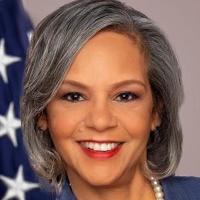
Robin Kelly
Representative
IL
Robin Kelly
Representative
IL
The Federal Firearm Licensee Act significantly overhauls federal regulation of gun dealers by mandating enhanced physical security, stricter inventory tracking, and increased record-keeping requirements. The bill repeals outdated restrictions on the ATF, increases licensing fees, and establishes new regulations for online firearm transfer facilitators. Furthermore, it strengthens enforcement by increasing penalties for compliance failures and mandating more frequent inspections for high-risk dealers.
The IDEA Full Funding Act establishes mandatory, increasing funding levels for the Individuals with Disabilities Education Act (IDEA) from 2026 through 2035, contingent upon offsetting budget cuts.
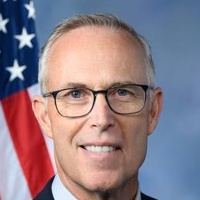
Jared Huffman
Representative
CA
Jared Huffman
Representative
CA
The IDEA Full Funding Act establishes mandatory, increasing funding levels for the Individuals with Disabilities Education Act (IDEA) programs through fiscal year 2035. This legislation sets specific appropriation targets based on student counts and national average spending to ensure greater financial support for special education services. Furthermore, the bill requires that these new IDEA appropriations adhere to "cut-as-you-go" budget offset rules.
This act mandates the FAA to create and annually update a public list of medications deemed safe for pilots and air traffic controllers to use while maintaining their medical certification.
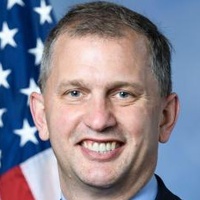
Sean Casten
Representative
IL
Sean Casten
Representative
IL
The Aviation Medication Transparency Act of 2025 mandates the Federal Aviation Administration (FAA) to create and maintain a public list of medications deemed safe for pilots and air traffic controllers to use while maintaining their medical certification. This list must be developed in consultation with relevant industry and labor groups. The FAA is required to update this comprehensive list annually, ensuring airmen and their doctors have clear guidance on medication approval status and necessary waiting periods.
This resolution demands the President transmit unredacted documents within 14 days regarding the potentially dangerous and unaccountable use of AI by the U.S. DOGE Service that jeopardizes American private information and essential services.
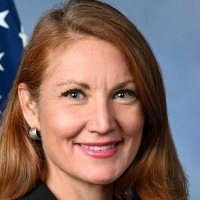
Melanie Stansbury
Representative
NM
Melanie Stansbury
Representative
NM
This resolution is an official request demanding the President transmit unredacted documents within 14 days concerning the deployment and use of Artificial Intelligence (AI) by the U.S. DOGE Service since January 20, 2025. Congress seeks detailed information on the AI systems, the sensitive Federal data used to train them, and the individuals involved in their policy and implementation. The inquiry specifically targets concerns regarding privacy violations, potential misuse of data, and the legality of AI-driven decisions affecting American services and benefits.
This Act imposes sweeping, mandatory sanctions, tariffs, and investment prohibitions on the Russian Federation and its affiliates until Russia negotiates a lasting peace with Ukraine.
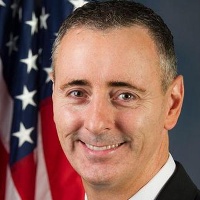
Brian Fitzpatrick
Representative
PA
Brian Fitzpatrick
Representative
PA
The Sanctioning Russia Act of 2025 imposes sweeping economic penalties on the Russian Federation in response to its aggression against Ukraine. This legislation mandates severe, immediate sanctions against key Russian officials, financial institutions, and energy sector entities, including asset freezes and trade prohibitions. Furthermore, the Act dramatically increases import duties on Russian goods and requires the President to review and reimpose these measures until Russia negotiates a lasting peace with Ukraine.
This resolution demands the President transmit all documents related to the security clearances of Elon Musk and members of the DOGE team to the House of Representatives within 14 days.
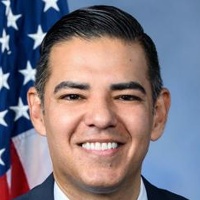
Robert Garcia
Representative
CA
Robert Garcia
Representative
CA
This resolution of inquiry formally requests the President to transmit all documents in his possession related to the security clearances, vetting, and background checks for Elon Musk and several named members of the United States Department of Government Efficiency Service (DOGE). The House demands these unredacted records within 14 days of the resolution's adoption. This action seeks transparency regarding the clearance process for these specific individuals associated with the DOGE team.
This Act raises the minimum age for Federal Firearms Licensees to sell certain semiautomatic rifles and shotguns to 21, with exceptions for qualified individuals aged 18-20, and mandates an FBI report on its public access line operations.
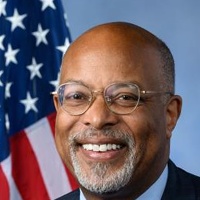
Glenn Ivey
Representative
MD
Glenn Ivey
Representative
MD
The Raise the Age Act of 2025 generally prohibits Federal Firearms Licensees from selling certain semiautomatic centerfire rifles or shotguns capable of holding magazines over five rounds to anyone under 21, with exceptions for qualified military or government personnel. The bill also maintains the existing minimum age of 18 for general firearm purchases, excluding the newly restricted categories. Finally, it mandates that the FBI Director report on the operational procedures of its public access line within 90 days of enactment.
The Paycheck Fairness Act strengthens equal pay enforcement by tightening defenses against pay discrimination, expanding protections against retaliation, increasing penalties for violations, and requiring comprehensive data collection and training initiatives.
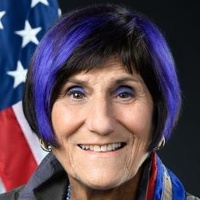
Rosa DeLauro
Representative
CT
Rosa DeLauro
Representative
CT
The Paycheck Fairness Act significantly strengthens federal equal pay protections by broadening definitions of sex discrimination, tightening employer defenses against pay disparities, and increasing penalties for violations. It also prohibits employers from using salary history in hiring decisions and mandates new data collection by the EEOC to better enforce anti-discrimination laws. Furthermore, the bill establishes new training and outreach programs to combat systemic wage bias.
This resolution formally recognizes the persistent gender wage gap and reaffirms Congress's commitment to achieving pay equity.
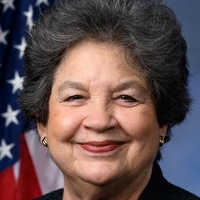
Lois Frankel
Representative
FL
Lois Frankel
Representative
FL
This resolution formally recognizes the significant and persistent wage gap between men and women in the United States, highlighting statistics that show women earn substantially less. It serves as a strong public statement reaffirming Congress's commitment to achieving pay equity. The measure does not enact new laws but emphasizes the economic harm caused by unequal pay for women and their families.
Renames and extends the Fraud Prevention and Accountability Committee to continue oversight and prevent fraud until December 31, 2026.
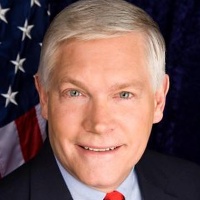
Pete Sessions
Representative
TX
Pete Sessions
Representative
TX
The "FACT Act" renames the Pandemic Response Accountability Committee to the Fraud Prevention and Accountability Committee and extends its operation until December 31, 2026, to continue overseeing federal spending and preventing fraud. The Act also updates references to reflect changes in the U.S. Code.
The Virginia Beach Heroes Act establishes special tax rules to ensure donations supporting the families of law enforcement officers killed in Virginia Beach on February 22, 2025, are treated as valid charitable contributions.
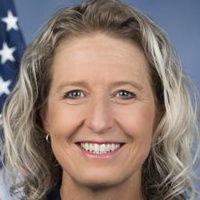
Jennifer Kiggans
Representative
VA
Jennifer Kiggans
Representative
VA
The Virginia Beach Heroes Act establishes special tax provisions to support the families of law enforcement officers killed in Virginia Beach on February 22, 2025. This bill ensures that donations made to these families qualify as charitable contributions. Furthermore, it protects charities distributing funds to the surviving spouses or dependents from adverse tax consequences, provided payments are made in good faith and follow reasonable guidelines.
This Act establishes U.S. policy to support democracy in Pakistan, imposes sanctions on General Asim Munir, and authorizes visa bans for Pakistani officials undermining democratic processes or wrongfully detaining political figures.
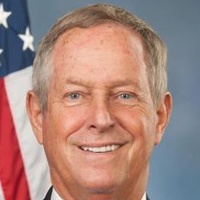
Joe Wilson
Representative
SC
Joe Wilson
Representative
SC
The Pakistan Democracy Act establishes a U.S. policy to support democracy, free elections, and the rule of law in Pakistan. It mandates sanctions against General Asim Munir unless specific democratic benchmarks are met, such as the end of military rule and the release of political detainees. Furthermore, the Act authorizes visa bans against Pakistani officials knowingly involved in undermining democracy or persecuting political detainees. The President retains limited waiver authority for these sanctions under specific national interest conditions.
This bill officially ratifies the Equal Rights Amendment, validating its inclusion in the Constitution regardless of any prior ratification deadlines.
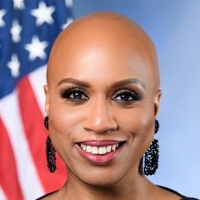
Ayanna Pressley
Representative
MA
Ayanna Pressley
Representative
MA
This bill officially ratifies the Equal Rights Amendment, declaring it a valid part of the U.S. Constitution. It specifically removes any previously imposed deadlines for state ratification. If three-fourths of the states have approved the amendment, this law confirms its official status regardless of past time constraints.