Legislative Activity
Track Andrea's sponsored bills, co-sponsored legislation, and voting record
This bill establishes a commission of medical and former government experts to evaluate a President's physical or mental capacity to discharge the duties of the office when directed by Congress.
Jamie Raskin
Representative
MD
Jamie Raskin
Representative
MD
This bill establishes the Commission on Presidential Capacity to Discharge the Powers and Duties of the Office, a body tasked with evaluating the physical or mental fitness of the President. The Commission, composed of medical experts and former high-ranking officials, can be directed by Congress to examine the President. Its findings regarding the President's ability to execute their duties are then reported to Congress and the Vice President.
This resolution honors and commends the six Oregon athletes who represented the United States at the 2026 Milano Cortina Olympic and Paralympic Games.

Maxine Dexter
Representative
OR
Maxine Dexter
Representative
OR
This resolution formally commends six Oregon athletes for their exceptional representation of the United States at the 2026 Milano Cortina Olympic and Paralympic Games. It honors the dedication of these competitors while recognizing the essential support provided by their families, coaches, and staff.
This resolution designates April 10 as "Dolores Huerta Day" to honor the enduring legacy and civil rights contributions of the trailblazing labor leader.
Sylvia Garcia
Representative
TX
Sylvia Garcia
Representative
TX
This resolution designates April 10 as "Dolores Huerta Day" to honor the enduring legacy of the trailblazing labor and civil rights leader. It recognizes her foundational role in the farm workers movement, her advocacy for equality, and her lifelong commitment to nonviolent activism. The bill celebrates her historic achievements and encourages the continued pursuit of civil rights for all.
The OHH SNAP Act of 2026 expands Supplemental Nutrition Assistance Program (SNAP) eligibility for college students by adjusting financial aid criteria and modifying work requirement exemptions.
Nikema Williams
Representative
GA
Nikema Williams
Representative
GA
The OHH SNAP Act of 2026 aims to reduce food insecurity among college students by expanding eligibility for the Supplemental Nutrition Assistance Program (SNAP). The bill simplifies access for students with a $0 or less student aid index and those classified as independent, while also streamlining work requirement exemptions. These changes are designed to ensure that more students in higher education can access essential nutritional support.
This resolution seeks to nullify the Department of Education’s recent rule regarding the William D. Ford Federal Direct Loan Program.

Joe Courtney
Representative
CT
Joe Courtney
Representative
CT
This resolution seeks to exercise congressional disapproval of the Department of Education’s recent rule regarding the William D. Ford Federal Direct Loan Program. If passed, the resolution would nullify the rule, rendering it without force or effect.
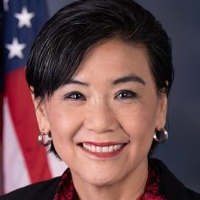
This resolution designates April as "National Language Access Month" to promote awareness of and equitable access to essential public services for individuals with limited English proficiency.
Judy Chu
Representative
CA
Judy Chu
Representative
CA
This resolution designates April as "National Language Access Month" to highlight the critical importance of providing language services for individuals with limited English proficiency. It encourages federal, state, and local entities to promote awareness of language rights and ensure equitable access to essential public programs and services for all Americans.
This resolution supports the goals and ideals of International Transgender Day of Visibility by celebrating the achievements of the transgender community and recognizing their ongoing fight for equality and dignity.

Sara Jacobs
Representative
CA
Sara Jacobs
Representative
CA
This resolution formally recognizes International Transgender Day of Visibility to celebrate the achievements and bravery of the transgender community. It highlights the ongoing challenges of discrimination and legislative threats faced by transgender individuals while honoring their significant historical and contemporary contributions to society. The bill encourages all Americans to observe the day and reaffirms a commitment to the fight for equal dignity and respect.
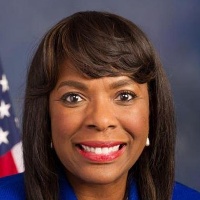
The Maternal Vaccination Act establishes a federal awareness and equity campaign to increase vaccination rates among pregnant and postpartum individuals and their children.
Terri Sewell
Representative
AL
Terri Sewell
Representative
AL
The Maternal Vaccination Act establishes a dedicated awareness and equity campaign to increase vaccination rates among pregnant and postpartum individuals. By providing targeted funding and expanding immunization program grants, the bill ensures that healthcare providers are better equipped to support maternal health, with a specific focus on reaching underserved and minority communities.
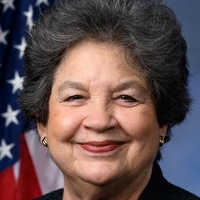
This resolution formally recognizes the persistence of the gender wage gap in the United States and reaffirms a commitment to achieving equal pay for equal work.
Lois Frankel
Representative
FL
Lois Frankel
Representative
FL
This resolution formally recognizes the persistent gender wage gap in the United States and its significant negative impact on women, families, and the national economy. It highlights the systemic factors contributing to pay disparities across various demographics and occupations. Ultimately, the resolution reaffirms Congress's commitment to achieving equal pay for equal work.
This concurrent resolution affirms the duty of Congress to protect working women by addressing systemic wage disparities, workplace discrimination, and economic barriers to ensure equal opportunity and dignity for all.

LaMonica McIver
Representative
NJ
LaMonica McIver
Representative
NJ
This concurrent resolution recognizes the economic challenges and systemic barriers facing working women, including wage disparities, discrimination, and the erosion of workplace protections. It affirms Congress's duty to champion policies that ensure equal opportunity, fair pay, and safe working conditions for all women. Ultimately, the resolution calls for collaborative action to strengthen labor rights and promote economic security as essential components of national prosperity.
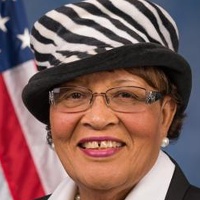
The Kira Johnson Act establishes grant programs and research initiatives to advance maternal health equity, reduce bias and discrimination in maternity care, and improve health outcomes for high-risk demographic groups.
Alma Adams
Representative
NC
Alma Adams
Representative
NC
The Kira Johnson Act aims to eliminate maternal health disparities by funding community-based organizations that provide evidence-based support to high-risk populations. The legislation also establishes grant programs to implement anti-bias training for maternity care providers and creates compliance programs to address racism and discrimination in clinical settings. Through these initiatives, the bill seeks to ensure respectful, culturally congruent care and improve health outcomes for pregnant and postpartum individuals.
The Food and Nutrition Delivery Safety Act of 2026 mandates new federal safety, cybersecurity, and labor standards for SNAP-authorized online grocery and delivery services.
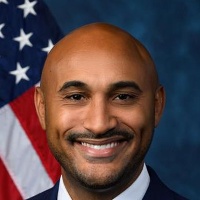
Shomari Figures
Representative
AL
Shomari Figures
Representative
AL
The Food and Nutrition Delivery Safety Act of 2026 mandates new federal safety, cybersecurity, and labor standards for SNAP-authorized retailers offering online ordering and delivery services. The bill requires stores to ensure secure digital transactions, maintain food safety during transport, and provide fair wages for delivery personnel. Retailers must demonstrate compliance with these standards to maintain their eligibility to accept SNAP benefits.
This bill extends WIC eligibility and enhanced food benefits for postpartum and breastfeeding mothers from one year to 24 months.
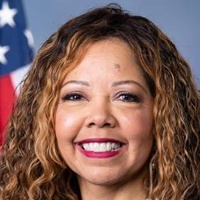
Lucy McBath
Representative
GA
Lucy McBath
Representative
GA
The Extending WIC for New Moms Act increases the duration of WIC eligibility for postpartum mothers from six months to 24 months. It also extends the period for receiving enhanced breastfeeding food packages to 24 months. Additionally, the bill mandates a comprehensive report to Congress evaluating the impact of these extensions on maternal and infant health outcomes.
The Empowering Women in Agriculture Act expands grant access and funding for women-led nonprofit organizations to provide outreach and support services to socially disadvantaged and veteran farmers.

Sheila Cherfilus-McCormick
Representative
FL
Sheila Cherfilus-McCormick
Representative
FL
The Empowering Women in Agriculture Act expands support for female farmers by officially including gender as a basis for "socially disadvantaged" status and designating women-led nonprofit organizations as eligible grant recipients. The bill extends mandatory funding for the Farming Opportunities Training and Outreach program through 2031 and mandates that at least 10 percent of these funds be dedicated to supporting women who are socially disadvantaged farmers or ranchers.
The Supporting VA Families Act provides Department of Veterans Affairs employees with four additional weeks of unpaid parental leave following the birth, adoption, or foster placement of a child.
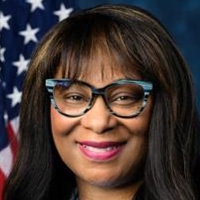
Janelle Bynum
Representative
OR
Janelle Bynum
Representative
OR
The Supporting VA Families Act establishes a supplemental parental leave program for Department of Veterans Affairs employees. This legislation provides eligible staff with four additional administrative weeks of unpaid leave following the birth, adoption, or foster care placement of a child. This benefit is designed to supplement, rather than replace, existing family and medical leave entitlements.
This bill mandates federal serialization for 3D-printed and unserialized firearms, classifies assembly kits as firearms, and provides tax credits to licensed dealers to offset compliance costs.
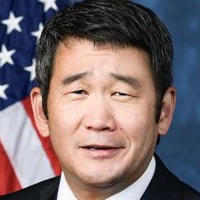
Dave Min
Representative
CA
Dave Min
Representative
CA
The Unserialized Firearm Harm Oversight and Serialization Act of 2026 classifies firearm assembly kits as firearms and mandates the serialization of 3D-printed and other non-traditionally manufactured firearms. The bill requires licensed dealers to serialize any unserialized firearms they take into inventory while establishing a federal tax credit to help offset the associated compliance costs. These measures aim to improve firearm tracking and oversight without overriding existing state laws.
This resolution designates March 24, 2026, as "National Agriculture Day" to celebrate the vital role of the agricultural industry in the United States.
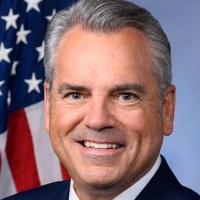
Mark Alford
Representative
MO
Mark Alford
Representative
MO
This resolution expresses support for designating March 24, 2026, as "National Agriculture Day." It celebrates the essential role of the agricultural sector and recognizes its status as one of the most impactful industries in the United States.
This bill establishes a federal tax credit for employers who increase the wages of their child care workers, with an enhanced credit rate for facilities located in rural areas.

Linda Sánchez
Representative
CA
Linda Sánchez
Representative
CA
The Child Care Supply Credit establishes a new federal tax credit for employers who increase the wages of their child care workers. This incentive aims to improve compensation in the industry, offering a higher credit percentage for facilities located in rural areas.
This resolution designates March 21, 2026, as "National Women in Agriculture Day" to honor the vital contributions and leadership of women across the U.S. agricultural sector.

Katherine Cammack
Representative
FL
Katherine Cammack
Representative
FL
This resolution designates March 15–21, 2026, as a period to celebrate the vital contributions of women across the U.S. agricultural sector. It honors the millions of female producers, researchers, and educators who drive innovation and sustain the nation's food supply. By recognizing these leaders, the bill aims to inspire the next generation of women to pursue careers in agriculture and agribusiness.
This bill establishes a federally funded nutrition assistance program to provide SNAP-equivalent benefits to lawfully present noncitizens who are currently ineligible due to their immigration status.

Shontel Brown
Representative
OH
Shontel Brown
Representative
OH
The Feeding Families Not Fear Act of 2026 establishes a nutrition assistance program for lawfully present noncitizens who are currently ineligible for SNAP benefits due to their immigration status. This initiative provides eligible individuals with monthly food assistance via EBT cards, mirroring the benefits and standards of the regular SNAP program. The bill authorizes $3 billion in annual funding through 2029 to ensure food security for these households.