Legislative Activity
Track Andrea's sponsored bills, co-sponsored legislation, and voting record
This act mandates comprehensive reporting on immigration detentions, incidents of abuse, and facility oversight, while requiring advance notice for using non-traditional detention sites.
Gabriel (Gabe) Vasquez
Representative
NM
Gabriel (Gabe) Vasquez
Representative
NM
The Humane Accountability Act mandates increased transparency and reporting from immigration agencies regarding the detention and removal of noncitizens. It requires detailed, regular reports to Congress concerning detainee incidents, including abuse, deaths, and complaints. Furthermore, the bill establishes a notification process for using non-traditional detention sites and seeks recommendations to improve oversight and due process protections.
This Act reinstates and extends the ability for taxpayers to deduct personal casualty losses from unexpected events like crimes, scams, and disasters without previous limitations.
W. Steube
Representative
FL
W. Steube
Representative
FL
The Tax Relief for Victims of Crimes, Scams, and Disasters Act reinstates and removes limitations on the federal income tax deduction for personal casualty losses resulting from unexpected events like fires or floods. This legislation also extends the deadline for taxpayers to file claims for refunds related to these casualty loss deductions for past tax years. These changes apply to tax years beginning after December 31, 2017.
This Act establishes a new federal grant program to provide operating support for high-quality public transit that prioritizes service improvements in underserved communities, while also increasing the federal share for rural transit operating costs.

Henry Johnson
Representative
GA
Henry Johnson
Representative
GA
The Stronger Communities through Better Transit Act establishes a new federal grant program to provide operating support for high-quality public transit services. This funding is specifically targeted to improve mobility and environmental outcomes, with a requirement that the majority of funds benefit underserved communities or areas of persistent poverty. The Act also increases the federal share for rural transit operating assistance up to 80%.
This resolution expresses the House's view that President Trump must immediately submit plans to Congress for accepting a jumbo jet gift from Qatar to comply with the Foreign Emoluments Clause.
Jamie Raskin
Representative
MD
Jamie Raskin
Representative
MD
This resolution expresses the sense of the House that President Trump must comply with the Foreign Emoluments Clause regarding a reported gift of a jumbo jet from Qatar. It calls on the President to immediately submit all plans for accepting this significant gift to Congress. The bill emphasizes that the Constitution requires Congressional consent before the President can accept valuable items from foreign governments.
This resolution supports designating May 10, 2025, as "National Asian American, Native Hawaiian, and Pacific Islander Mental Health Day" to raise awareness and encourage action to address the mental health crisis in these communities.
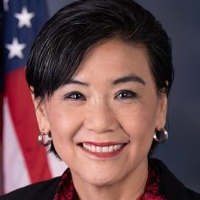
Judy Chu
Representative
CA
Judy Chu
Representative
CA
This resolution supports designating May 10, 2025, as "National Asian American, Native Hawaiian, and Pacific Islander Mental Health Day." It highlights the severe mental health disparities and lack of access to care within AANHPI communities. The bill encourages federal agencies to improve culturally and linguistically appropriate services to better address the unique needs of these diverse populations.
The GHOST Act of 2025 establishes a federal system requiring advance registration and delivery confirmation for the interstate shipment of firearm barrels, slides, and bolts.
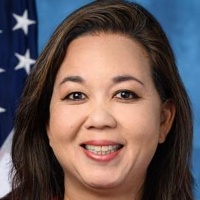
Jill Tokuda
Representative
HI
Jill Tokuda
Representative
HI
The GHOST Act of 2025 establishes a new Federal Interstate Firearm Parts Reporting System to track the shipment of specific gun components, including barrels, slides, and bolts, across state or international lines. Shippers must pre-register these covered components with the Attorney General, detailing sender, recipient, and shipping method, and later confirm delivery. The system allows for retroactive registration but imposes significant penalties for knowingly circumventing these tracking requirements.
This bill reauthorizes and updates the Collaborative Forest Landscape Restoration Program through 2034, expanding its focus, project types, and federal support mechanisms for landscape restoration efforts.
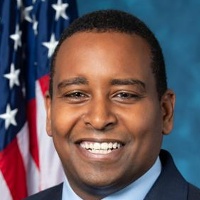
Joe Neguse
Representative
CO
Joe Neguse
Representative
CO
The Collaborative Forest Landscape Restoration Program Reauthorization Act of 2025 extends and updates the successful program through 2034. This legislation broadens the program's focus to include pathogens and mandates specific federal staffing support for local restoration collaboratives. It prioritizes projects that reduce catastrophic wildfire risk, enhance cross-ownership restoration, and improve watershed health, while also expanding funding mechanisms.
The Water Affordability, Transparency, Equity, and Reliability Act of 2025 establishes a dedicated trust fund financed by a corporate tax increase to improve water infrastructure, mandate affordability and equity reporting, and expand job training and assistance for underserved communities.
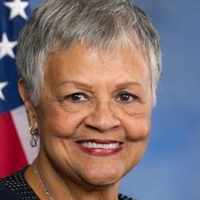
Bonnie Watson Coleman
Representative
NJ
Bonnie Watson Coleman
Representative
NJ
The Water Affordability, Transparency, Equity, and Reliability Act of 2025 establishes a dedicated federal Trust Fund, financed by an increase in the corporate tax rate, to support water infrastructure and affordability programs nationwide. The bill mandates a comprehensive EPA report analyzing water affordability, civil rights compliance, and public participation in water planning. It also significantly increases funding for household water well systems and revises state revolving loan fund rules to expand eligible projects, including lead line replacement and PFAS contamination cleanup. Finally, the Act creates new job training grants for the water sector and enhances drinking water assistance for colonias.
This bill prohibits the use of federal funds to implement Executive Order 14160, which sought to limit birthright citizenship guaranteed by the Fourteenth Amendment.
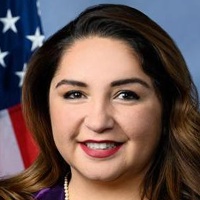
Delia Ramirez
Representative
IL
Delia Ramirez
Representative
IL
The Born in the USA Act of 2025 declares that Executive Order 14160, which attempted to restrict birthright citizenship, is unconstitutional and contrary to the 14th Amendment. This Act prohibits the use of any federal funds to implement or enforce that Executive Order. It affirms the established constitutional right to birthright citizenship for nearly everyone born on U.S. soil.
This bill mandates that school food service worker training must be paid, occur during work hours when possible, and prohibits penalizing staff for non-attendance.
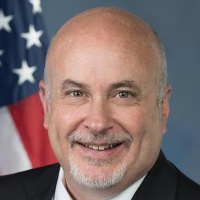
Mark Pocan
Representative
WI
Mark Pocan
Representative
WI
The Improving Training for School Food Service Workers Act of 2025 establishes new federal standards for required training programs for school food service personnel. This bill mandates that all required training must be paid for by the employer, conducted during regular work hours whenever possible, and offered at no cost to the employee. Furthermore, the Act strictly prohibits employers from penalizing staff who are unable to attend training sessions.
This Act establishes new federal requirements, including pre-arrival health documentation and permits, for importing live dogs into the United States.
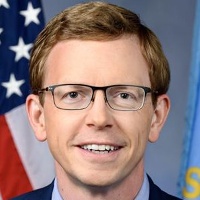
Dusty Johnson
Representative
SD
Dusty Johnson
Representative
SD
The Healthy Dog Importation Act establishes new federal requirements for bringing live dogs into the United States, mandating advance electronic health documentation, vaccinations, and permanent identification for most imports. This law defines key roles like "Importer" and sets specific age and permitting requirements for dogs intended for transfer or sale after arrival. The Secretary of Agriculture is tasked with creating detailed regulations within 18 months to enforce these health and documentation standards, while also outlining specific exceptions for returning pets and working dogs.
This Act establishes a national strategy to combat mental health stigma and improve behavioral health services, research, and workforce diversity within Asian American, Native Hawaiian, and Pacific Islander (AANHPI) communities.
Judy Chu
Representative
CA
Judy Chu
Representative
CA
The Stop Mental Health Stigma in Our Communities Act of 2025 aims to address the significant mental health disparities and high suicide rates within Asian American, Native Hawaiian, and Pacific Islander (AANHPI) communities. The bill mandates the creation of a national behavioral health outreach strategy tailored to the diverse AANHPI population to reduce stigma and increase culturally competent care. Furthermore, it requires comprehensive systematic reviews and reports on the AANHPI youth mental health crisis and strategies to increase the number of AANHPI behavioral health professionals.
This act simplifies the employment requirement for the Public Service Loan Forgiveness program by clarifying that qualifying employment time is counted as long as borrowers were employed in a qualifying job while making required payments.
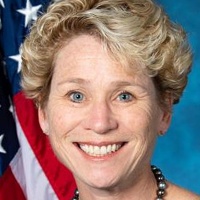
Chrissy Houlahan
Representative
PA
Chrissy Houlahan
Representative
PA
The PSLF Payment Completion Fairness Act simplifies the requirements for the Public Service Loan Forgiveness (PSLF) program. This bill removes the confusing dual requirement that previously mandated simultaneous qualifying employment and payment status for service time to count. Moving forward, the focus is simply on having been employed in a qualifying job while making the required payments.
This Act mandates that health plans cover medically necessary treatment for congenital anomalies or birth defects affecting the eyes, ears, teeth, mouth, or jaw to restore normal function and appearance.
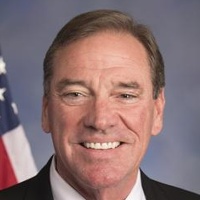
Neal Dunn
Representative
FL
Neal Dunn
Representative
FL
The Ensuring Lasting Smiles Act mandates that group health plans and insurance policies provide comprehensive coverage for medically necessary treatment related to congenital anomalies or birth defects affecting the eyes, ears, teeth, mouth, or jaw. This coverage must include services needed to restore normal function and appearance, including necessary dental and orthodontic support. Plans must apply cost-sharing rules no more restrictive than those for other medical benefits, excluding purely cosmetic procedures.
The COMPOST Act officially recognizes composting as a federal conservation practice under farm laws, enabling farmers to utilize conservation program benefits for on-farm composting activities that improve soil health while ensuring transportation of off-farm materials results in a net decrease in greenhouse gas emissions.
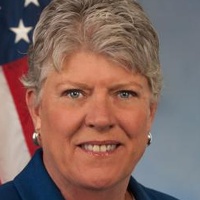
Julia Brownley
Representative
CA
Julia Brownley
Representative
CA
The COMPOST Act officially designates composting as a recognized conservation practice under federal farm conservation laws. This change allows farmers to utilize existing conservation program benefits for activities related to creating and applying compost on their farms. The legislation requires the Secretary of Agriculture to establish clear standards for what qualifies as on-farm composting, including using organic waste from nearby communities only if it results in a net decrease in greenhouse gas emissions. Ultimately, this bill aims to improve soil health and water retention through the formal promotion of composting.
The Farm Workforce Modernization Act of 2025 establishes pathways to legal status for current agricultural workers, reforms the H-2A visa program, and mandates a modernized electronic employment verification system.
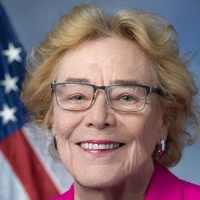
Zoe Lofgren
Representative
CA
Zoe Lofgren
Representative
CA
The Farm Workforce Modernization Act of 2025 aims to stabilize the agricultural labor force by creating a pathway to legal status for current undocumented farmworkers and modernizing the H-2A temporary worker program. The bill also mandates the implementation of a new, high-security electronic employment verification system across all industries, with specific deadlines for agricultural employers. Overall, it seeks to secure the existing workforce while establishing new compliance standards and protections for future agricultural labor.
The VA Employee Fairness Act of 2025 streamlines collective bargaining rules for Veterans Health Administration employees by modifying existing statutes while preserving the Secretary's authority regarding incentive pay and expedited hiring.
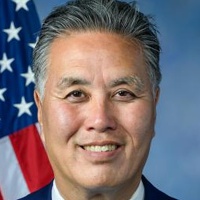
Mark Takano
Representative
CA
Mark Takano
Representative
CA
The VA Employee Fairness Act of 2025 modifies the collective bargaining rules for employees of the Veterans Health Administration (VHA) by streamlining existing statutes. This act removes outdated subsections related to bargaining and renumbers the remaining relevant section. Importantly, these changes do not affect the Secretary of Veterans Affairs' existing authority regarding incentive pay or expedited hiring processes.
This Act prohibits the advertising and provision of paid conversion therapy intended to change an individual's sexual orientation or gender identity, empowering the FTC and State Attorneys General to enforce these prohibitions.
Ted Lieu
Representative
CA
Ted Lieu
Representative
CA
The Therapeutic Fraud Prevention Act of 2025 declares that practices attempting to change an individual's sexual orientation or gender identity for payment constitute an unfair and deceptive business practice. Citing professional consensus on the ineffectiveness and harm of such "conversion therapy," the bill prohibits its provision and advertising. Enforcement authority is granted to the Federal Trade Commission (FTC), and the law allows both the U.S. Attorney General and State Attorneys General to file civil actions against violators.
This bill expands the definition of "law enforcement officer" for federal retirement purposes under FERS and CSRS to include specific IRS, Postal Inspection, and VA police employees, and establishes rules for how current employees can count prior service under the new designation.
Andrew Garbarino
Representative
NY
Andrew Garbarino
Representative
NY
The Law Enforcement Officers Equity Act expands the definition of "law enforcement officer" for federal retirement purposes under both the Federal Employees Retirement System (FERS) and the Civil Service Retirement System (CSRS). This change adds specific IRS, Postal Inspection Service, and VA police roles to those eligible for enhanced retirement benefits. The bill also establishes procedures for current officers to elect to have their prior service counted under these new definitions, which may require a payment from the employee and their employing agency.
This Act restricts law enforcement from using intercepted communications or compelled records containing reproductive or sexual health information to investigate or prosecute individuals seeking or providing related care.
Ted Lieu
Representative
CA
Ted Lieu
Representative
CA
The Reproductive Data Privacy and Protection Act restricts law enforcement from using intercepted communications or compelled records that contain reproductive or sexual health information to investigate or prosecute individuals seeking or providing related care. This bill mandates specific sworn statements in wiretap applications and court orders, and in demands for electronic records, affirming that sensitive health details will not be used for such purposes. The Act broadly defines reproductive and sexual health information to ensure comprehensive protection.