Legislative Activity
Track Keith's sponsored bills, co-sponsored legislation, and voting record
This resolution supports designating June as Family Month to recognize the traditional nuclear family as the foundation of a healthy society and to rededicate the nation to its importance, while also opposing the observance of Pride Month.

Mary Miller
Representative
IL
Mary Miller
Representative
IL
This resolution supports designating June as Family Month to recognize the traditional nuclear family as the foundation of a healthy society. It calls for a national rededication to the importance of marriage and family, asserting that children thrive best in a home with a married mother and father. The bill also explicitly states that the House of Representatives no longer recognizes Pride Month.
This Act voids surrogacy agreements between U.S. surrogates and foreign national prospective parents and penalizes brokers who facilitate them to prevent exploitation and national security risks.
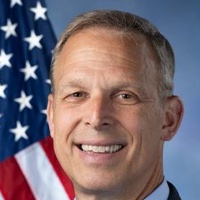
Scott Perry
Representative
PA
Scott Perry
Representative
PA
This Act invalidates surrogacy agreements between foreign national prospective parents and U.S. surrogate mothers, voiding such contracts. It imposes criminal penalties on surrogacy brokers who facilitate these arrangements for foreign nationals. Furthermore, the bill limits the ability of foreign national parents to gain immigration benefits through a child born under these voided agreements.
This Act prohibits sex offenders from participating in surrogacy arrangements and imposes severe criminal penalties on agencies, employees, and offenders who violate this prohibition.
Scott Perry
Representative
PA
Scott Perry
Representative
PA
The Protecting Kids from Creeps Act prohibits sex offenders from participating in surrogacy arrangements. This bill imposes severe criminal penalties, including lengthy prison sentences, for sex offenders, surrogacy agencies, and their employees who knowingly facilitate such agreements. Furthermore, convicted agencies lose tax-exempt status and eligibility for federal funding, and any resulting surrogacy agreements are void.
This Act prohibits federal research agencies and grant recipients from using specific diversity, equity, or inclusion practices in connection with federal research grants.
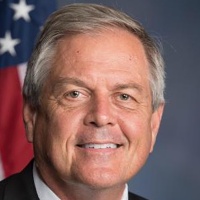
Ralph Norman
Representative
SC
Ralph Norman
Representative
SC
The Merit Restoration Act prohibits federal research agencies and grant recipients from using specific diversity, equity, or inclusion (DEI) practices when awarding or conducting federally funded research. These prohibitions focus on preventing discrimination based on race, sex, or other protected characteristics and banning mandatory training or agreements asserting inherent superiority or inferiority based on these factors. Violations can result in the freezing and required repayment of federal grant funds.
This act mandates the automatic denaturalization and prioritized deportation of naturalized citizens convicted of specified terrorism offenses.
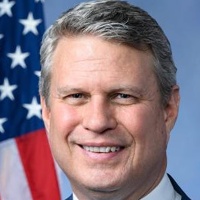
Bill Huizenga
Representative
MI
Bill Huizenga
Representative
MI
The Deport the Terrorists Act of 2026 mandates the automatic denaturalization of naturalized citizens convicted of specific terrorism offenses. This act also establishes that any non-citizen convicted of a terrorism-related offense is deportable. Finally, it directs the Secretary of Homeland Security to prioritize the deportation of individuals whose citizenship has been revoked under this law.
This bill prohibits the VA from reporting veterans to the NICS background check system solely because a fiduciary has been appointed to manage their benefits, unless a judicial authority deems them a danger to themselves or others.
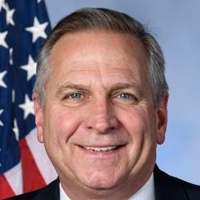
Mike Bost
Representative
IL
Mike Bost
Representative
IL
The Veterans 2nd Amendment Protection Act prohibits the VA from reporting veterans to the NICS background check system solely because a fiduciary was appointed to manage their benefits. This legislation ensures that a VA finding of mental incompetence or the appointment of a fiduciary alone is not used to treat a veteran as a "mental defective" for gun control purposes. Furthermore, the VA must notify the Attorney General about past transmissions of this information that lacked a proper legal basis.
This bill restricts religious worker visas (R visas) for individuals holding specific high-ranking Islamic religious leadership titles.

Chip Roy
Representative
TX
Chip Roy
Representative
TX
The Inhibiting Militant Adversarial Mullahs Act amends immigration law to prohibit individuals holding specific high-ranking religious leadership titles, such as Imam, Mufti, or Ayatollah, from obtaining religious worker (R) visas. This legislation specifically targets leaders within certain religious denominations for visa ineligibility.
This Act mandates that jurisdictions receiving federal grants report data on their use of cashless bail systems and identifies those that allow pre-trial release without cash bail for certain offenses.
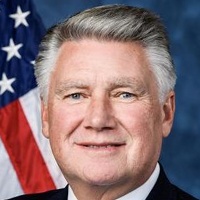
Mark Harris
Representative
NC
Mark Harris
Representative
NC
The Cashless Bail Reporting Act mandates that states and local governments receiving specific federal grants must report annual data on their use of cashless bail systems. This data includes the number of individuals released, subsequent failures to appear, and new arrests while on pretrial release. Furthermore, the Act requires the Attorney General to annually publish a list of jurisdictions that permit pretrial release without cash bail for certain offenses threatening public safety.
This bill fundamentally overhauls U.S. immigration by replacing family-based and diversity systems with a strict merit-based structure, severely limiting family reunification, tightening naturalization requirements, and mandating E-Verify for all employment.
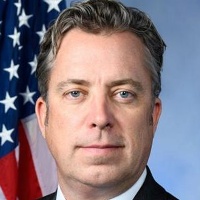
Andrew Ogles
Representative
TN
Andrew Ogles
Representative
TN
The American System for Sustainable Immigration and Mass Immigration Limitations Achieved Through Imposing Oversight Nationally Act fundamentally restructures U.S. immigration by replacing family-based and diversity visa systems with a strict merit-based approach focused on national interest. This bill tightens standards for citizenship, drastically limits family reunification, raises the bar for asylum, and mandates universal E-Verify for employment. Overall, the legislation aims to prioritize economic self-sufficiency, cultural cohesion, and national security while significantly reducing overall immigration levels and executive discretion.
This act streamlines the transfer of U.S. defense articles and services between Estonia, Latvia, and Lithuania and establishes a shared ammunition system to enhance regional military readiness and deterrence against Russian aggression.
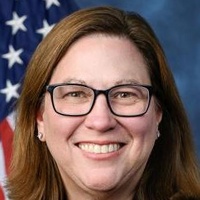
Julie Johnson
Representative
TX
Julie Johnson
Representative
TX
The FORTIFY Act streamlines defense cooperation among Estonia, Latvia, and Lithuania by removing the requirement for Presidential consent for the transfer of U.S.-provided defense articles and services between these Baltic states. This legislation aims to enhance regional security and deter aggression by allowing the Baltic nations to more flexibly share military assets. It also mandates the creation of a shared ammunition system among the three allies.
This bill mandates the Department of Defense to phase out the use of payment processing technology from retailers linked to countries of national security concern.

Ben Cline
Representative
VA
Ben Cline
Representative
VA
This bill, the Servicemember Payment Data Privacy and Security Act, directs the Department of Defense to review and phase out the use of payment processing equipment and services from retailers that rely on technology linked to designated countries of concern. The goal is to secure servicemember payment data by prohibiting contracts with retailers using this covered equipment starting in 2027. The Secretary of Defense must report to Congress on the implementation of these security measures.
This bill requires special immigrant visa applicants to disavow Sharia law and swear an oath to uphold the U.S. Constitution.
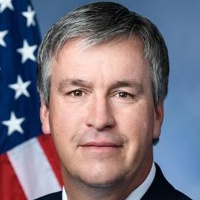
Barry Moore
Representative
AL
Barry Moore
Representative
AL
The CRUSADE Act amends immigration law to require applicants for special immigrant visas to take an oath disavowing Sharia law and affirming their commitment to the U.S. Constitution. This measure aims to counter radicalism by ensuring visa recipients adhere to American legal and constitutional principles.
This bill mandates the Department of Justice to photograph individuals convicted of federal crimes upon sentencing or intake for submission to the FBI's criminal record system and requires the Bureau of Prisons to maintain a photographic directory of all federal prisoners.
Scott Perry
Representative
PA
Scott Perry
Representative
PA
This bill mandates the Department of Justice to photograph individuals convicted of federal crimes upon sentencing or intake for submission to the FBI's criminal record system. It also requires the Bureau of Prisons to maintain an updated photographic directory of all federal prisoners. These measures aim to enhance criminal records and aid future investigations.
This Act prohibits the sale or importation of connected vehicles and components containing hardware or software from covered adversarial countries like China, Russia, Iran, and North Korea, starting in 2027.

John Moolenaar
Representative
MI
John Moolenaar
Representative
MI
The Connected Vehicle Security Act of 2026 prohibits the sale or importation of connected vehicles, hardware, or software originating from or controlled by designated "covered countries" (North Korea, China, Russia, or Iran). This measure aims to safeguard U.S. economic and national security against risks like espionage and cyber intrusion posed by foreign adversaries exploiting vehicle connectivity technology. The Secretary of Commerce is tasked with issuing regulations to enforce these bans, which begin phasing in starting in 2027, though waivers may be granted under specific national security conditions.
This bill repeals the U visa program entirely and imposes strict new restrictions on any remaining or future mechanisms for crime victims to receive immigration benefits based on cooperation with law enforcement.
Chip Roy
Representative
TX
Chip Roy
Representative
TX
This bill, the "End U Visa Abuse Act," significantly restricts and ultimately repeals the U visa program designed for crime victims who assist law enforcement. It imposes strict new eligibility criteria, limits derivative visas for family members, and mandates comprehensive background checks. Ultimately, Section 3 of the bill repeals the U nonimmigrant visa classification entirely.
This resolution expresses strong Congressional support for maintaining the current level of United States military personnel serving in the Kosovo Force (KFOR) to ensure regional stability.
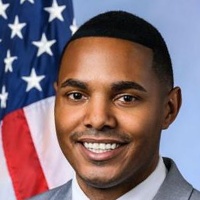
Ritchie Torres
Representative
NY
Ritchie Torres
Representative
NY
This resolution expresses strong Congressional support for maintaining the current level of approximately 600 United States military personnel in the Kosovo Force (KFOR). It asserts that this presence is vital for regional stability, peace between Kosovo and Serbia, and that U.S. funding should not be used to reduce forces below this level. The bill recognizes KFOR's crucial role in deterring conflict and maintaining security in the region.
This bill, TREY's Law, voids and prohibits the enforcement of any contract clause that prevents disclosure regarding the sexual abuse of a minor person.
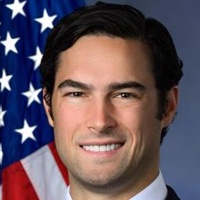
Brandon Gill
Representative
TX
Brandon Gill
Representative
TX
This bill, known as TREY's Law, bans the use of nondisclosure clauses in any contract related to claims of sexual abuse against a minor. It renders such clauses void and unenforceable, even in agreements signed previously, to prevent silencing survivors. The law ensures victims and others can freely disclose information about child sexual abuse without fear of civil liability.
This Act mandates a comprehensive report to Congress detailing emerging military, cyber, and political threats to the Baltic states and recommending strategies to enhance their security and U.S. partnership.
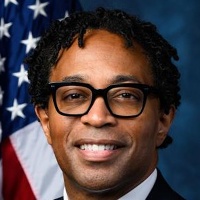
Wesley Bell
Representative
MO
Wesley Bell
Representative
MO
The Baltic Security Assessment Act of 2025 affirms the critical importance of Estonia, Latvia, and Lithuania to U.S. national security amidst Russian aggression. This bill mandates that the Secretary of State and Secretary of Defense deliver a comprehensive report to Congress detailing emerging military, cyber, and political threats to the Baltic states. The report must also recommend specific actions to enhance U.S. and NATO defense cooperation and bolster Baltic resilience.
The MATCH Act mandates stricter export controls on semiconductor manufacturing equipment to countries of concern and requires the U.S. to coordinate with allied nations to prevent the transfer of critical technology to adversarial entities.
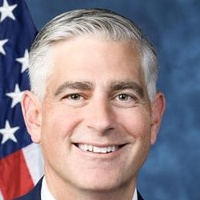
Michael Baumgartner
Representative
WA
Michael Baumgartner
Representative
WA
The Multilateral Alignment of Technology Controls on Hardware (MATCH) Act aims to protect U.S. national security by restricting adversary access to advanced semiconductor manufacturing equipment. The bill mandates diplomatic efforts to align export controls with allied nations and establishes a framework to impose strict U.S. regulations if those partners fail to implement sufficient safeguards. By targeting specific entities and facilities in countries of concern, the legislation seeks to close gaps in the current export control regime and maintain America’s technological advantage.
This bill pauses H-1B visa issuance for three years while enacting sweeping reforms, including eliminating dual intent, imposing a $100,000 employer fee, setting a $200,000 wage floor, eliminating the lottery, banning dependent visas, prohibiting federal employment, eliminating OPT, and severely restricting status adjustments for nonimmigrants.
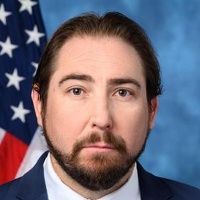
Eli Crane
Representative
AZ
Eli Crane
Representative
AZ
The End H–1B Visa Abuse Act of 2026 institutes a three-year pause on new H-1B visa issuance while enacting sweeping reforms to the program, including eliminating dual intent and drastically increasing employer fees. The bill significantly restricts H-1B employment by setting a low annual cap, mandating high minimum wages, and prohibiting third-party staffing arrangements. Furthermore, it eliminates dependent visas for H nonimmigrants, bars federal employment of visa holders, and severely restricts nonimmigrants from adjusting status or changing visa classifications while in the U.S.