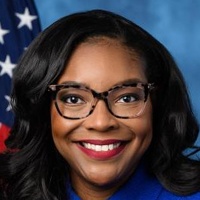
Legislative Activity
Track Emilia's sponsored bills, co-sponsored legislation, and voting record
This act repeals certain provisions of the Protection of Lawful Commerce in Arms Act and allows federal gun trace information to be discoverable and admissible in civil proceedings.
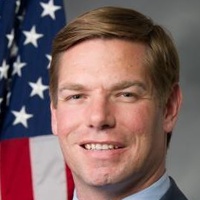
Eric Swalwell
Representative
CA
Eric Swalwell
Representative
CA
The Equal Access to Justice for Victims of Gun Violence Act of 2025 repeals key provisions of the Protection of Lawful Commerce in Arms Act. This legislation allows federal gun trace information to be discoverable and admissible as evidence in civil lawsuits and administrative hearings. The bill aims to provide victims of gun violence with greater access to relevant data in legal proceedings.
This bill mandates that certain high-level executive branch officials must recuse themselves from decisions that could financially benefit any organization they worked for or competed against within the four years prior to their government service.
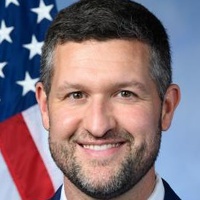
Patrick Ryan
Representative
NY
Patrick Ryan
Representative
NY
The Stop Millionaires Using Service for Kickbacks (Stop MUSK) Act aims to prevent conflicts of interest among high-level executive branch officials. It mandates that these officials must recuse themselves from decisions that could financially benefit organizations where they were employed or worked as a competitor within the four years prior to taking their current government role. This expands the look-back period to ensure greater impartiality in government decision-making.
The Integrity in Government Act of 2025 establishes an Inspector General for the Executive Office of the President and strengthens job protections for most Inspectors General against removal without cause.
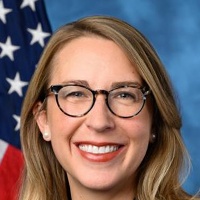
Hillary Scholten
Representative
MI
Hillary Scholten
Representative
MI
The Integrity in Government Act of 2025 aims to strengthen government oversight by establishing an Inspector General for the Executive Office of the President. This bill significantly reforms the system by implementing new protections to ensure Inspectors General can perform their duties without undue political interference. Specifically, it restricts the removal of most presidential appointees to instances of inefficiency, misconduct, or neglect of duty.
This act prohibits individuals convicted of specific financial and corruption-related crimes as a CEO from serving in the executive branch of the government.
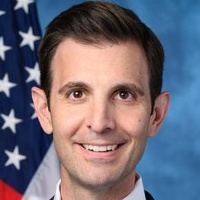
Chris Deluzio
Representative
PA
Chris Deluzio
Representative
PA
The No Corporate Crooks Act prohibits individuals convicted of specific financial and white-collar crimes (such as fraud, embezzlement, and tax evasion) while serving as a CEO from being appointed to positions within the executive branch. This legislation aims to prevent corporate executives convicted of serious offenses from holding government roles. Any individual found in violation of this restriction must be immediately removed from their executive branch service.
The Fit to Serve Act prohibits discrimination against service members and recruits in the Armed Forces based on their gender identity.
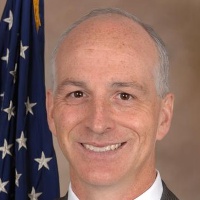
Adam Smith
Representative
WA
Adam Smith
Representative
WA
The Fit to Serve Act prohibits the U.S. Armed Forces from discriminating against service members based on their gender identity. This means military branches cannot set different standards, involuntarily discharge personnel, or deny medically necessary healthcare due to a service member's gender identity. The bill ensures equal opportunity for joining, serving, and receiving care regardless of one's internal sense of self.
This resolution expresses support for designating May 2025 as National Physical Fitness and Sports Month to raise awareness about the importance of physical activity in combating rising obesity rates.
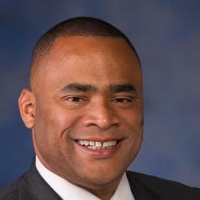
Marc Veasey
Representative
TX
Marc Veasey
Representative
TX
This resolution expresses support for designating May 2025 as National Physical Fitness and Sports Month to address the serious public health crisis of obesity in the United States. It highlights the high rates of obesity among adults and children, emphasizing the associated health risks. The bill ultimately encourages increased physical activity and healthy eating habits nationwide.
This act mandates comprehensive reporting on immigration detentions, incidents of abuse, and facility oversight, while requiring advance notice for using non-traditional detention sites.
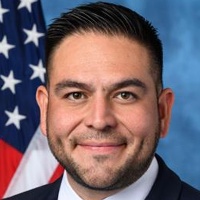
Gabriel (Gabe) Vasquez
Representative
NM
Gabriel (Gabe) Vasquez
Representative
NM
The Humane Accountability Act mandates increased transparency and reporting from immigration agencies regarding the detention and removal of noncitizens. It requires detailed, regular reports to Congress concerning detainee incidents, including abuse, deaths, and complaints. Furthermore, the bill establishes a notification process for using non-traditional detention sites and seeks recommendations to improve oversight and due process protections.
This Act reinstates and extends the ability for taxpayers to deduct personal casualty losses from unexpected events like crimes, scams, and disasters without previous limitations.
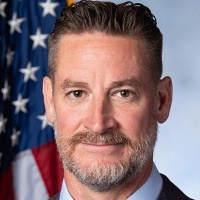
W. Steube
Representative
FL
W. Steube
Representative
FL
The Tax Relief for Victims of Crimes, Scams, and Disasters Act reinstates and removes limitations on the federal income tax deduction for personal casualty losses resulting from unexpected events like fires or floods. This legislation also extends the deadline for taxpayers to file claims for refunds related to these casualty loss deductions for past tax years. These changes apply to tax years beginning after December 31, 2017.
This Act establishes a new federal grant program to provide operating support for high-quality public transit that prioritizes service improvements in underserved communities, while also increasing the federal share for rural transit operating costs.

Henry Johnson
Representative
GA
Henry Johnson
Representative
GA
The Stronger Communities through Better Transit Act establishes a new federal grant program to provide operating support for high-quality public transit services. This funding is specifically targeted to improve mobility and environmental outcomes, with a requirement that the majority of funds benefit underserved communities or areas of persistent poverty. The Act also increases the federal share for rural transit operating assistance up to 80%.
This Act establishes a tax credit for businesses using domestically retreaded tires and mandates that federal fleets prioritize purchasing retreaded tires when available.
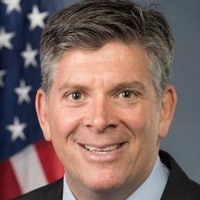
Darin LaHood
Representative
IL
Darin LaHood
Representative
IL
The Retreaded Tire Jobs, Supply Chain Security and Sustainability Act of 2025 establishes a new federal tax credit for businesses purchasing qualified, domestically retreaded tires through 2028. The bill also mandates that federal executive agencies prioritize purchasing retreaded tires when available through the GSA schedule, rather than buying new ones. These provisions aim to boost domestic jobs, enhance supply chain security, and promote sustainability in the tire industry.
This bill establishes mandatory minimum registered nurse-to-patient staffing ratios in hospitals to enhance patient safety, enforces these standards across federal healthcare programs, and funds initiatives to support the nursing workforce.

Janice Schakowsky
Representative
IL
Janice Schakowsky
Representative
IL
The Nurse Staffing Standards for Hospital Patient Safety and Quality Care Act of 2025 establishes mandatory minimum registered nurse-to-patient ratios across various hospital units to enhance patient safety and care quality. This legislation requires hospitals to implement detailed staffing plans, ensures enforcement through federal programs like Medicare and Medicaid, and supports the nursing workforce through expanded financial aid and retention initiatives. Furthermore, the bill protects nurses who refuse unsafe assignments and establishes clear mechanisms for reporting violations.
This Act prohibits charging different prices for substantially similar consumer products or services based solely on the buyer's gender.
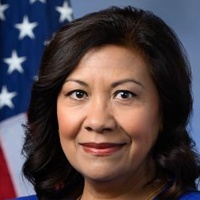
Norma Torres
Representative
CA
Norma Torres
Representative
CA
The Pink Tax Repeal Act prohibits businesses from charging different prices for substantially similar consumer products or services based solely on the buyer's gender. This legislation empowers the Federal Trade Commission (FTC) to enforce the ban as an unfair business practice. State Attorneys General are also authorized to file lawsuits to stop violations and seek restitution for affected residents.
This Act prohibits the advertising and provision of paid conversion therapy intended to change an individual's sexual orientation or gender identity, empowering the FTC and State Attorneys General to enforce these prohibitions.
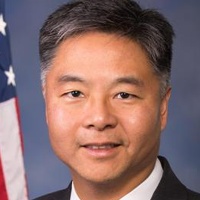
Ted Lieu
Representative
CA
Ted Lieu
Representative
CA
The Therapeutic Fraud Prevention Act of 2025 declares that practices attempting to change an individual's sexual orientation or gender identity for payment constitute an unfair and deceptive business practice. Citing professional consensus on the ineffectiveness and harm of such "conversion therapy," the bill prohibits its provision and advertising. Enforcement authority is granted to the Federal Trade Commission (FTC), and the law allows both the U.S. Attorney General and State Attorneys General to file civil actions against violators.
This Act establishes federal penalties for assaulting hospital personnel and creates a grant program to help medical facilities improve workforce safety.

Madeleine Dean
Representative
PA
Madeleine Dean
Representative
PA
The Save Healthcare Workers Act aims to protect hospital personnel by making assault against them a federal crime with severe penalties. It also establishes a new federal grant program to help hospitals implement crucial safety measures, such as violence prevention training and physical security upgrades. This legislation seeks to reduce workplace violence in healthcare settings across the nation.
This bill establishes a five-year pilot program to assess the feasibility and impact of integrating certified midwife services into TRICARE for military service members and their families.
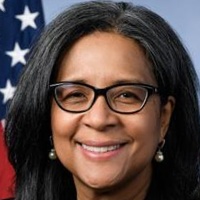
Marilyn Strickland
Representative
WA
Marilyn Strickland
Representative
WA
The MIDWIVES for Service Members Act of 2025 establishes a five-year pilot program to test the integration of certified midwife services within the TRICARE health program for military families. This initiative aims to assess the quality, cost-effectiveness, and patient satisfaction of utilizing these providers for maternal and infant care. Following the pilot, the Secretary of Defense will report findings to Congress and may recommend making the program permanent.
This Act expands the Occupational Safety and Health Act (OSHA) to explicitly cover all public employees of the United States, states, and local governments.
Chris Deluzio
Representative
PA
Chris Deluzio
Representative
PA
The Public Service Worker Protection Act expands the Occupational Safety and Health Act (OSHA) to explicitly cover all public employees, including those working for federal, state, and local governments. This change brings public sector workers under the general protections afforded by OSHA. While the expansion takes effect generally within 90 days, states without an existing OSHA plan are given a three-year transition period before federal oversight applies to their employees.
The Fresh Start Act of 2025 ties federal gun violence prevention grants to states implementing automatic criminal record expungement laws and requires detailed annual reporting on the process broken down by demographics.
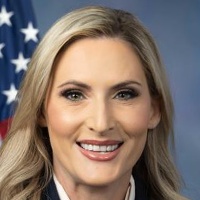
Laurel Lee
Representative
FL
Laurel Lee
Representative
FL
The Fresh Start Act of 2025 incentivizes states to adopt automatic criminal record expungement laws by tying them to federal gun violence prevention grants. This legislation requires states receiving these funds to automatically clear or seal eligible criminal records without requiring individual action or payment of outstanding fees. Recipients must also annually report detailed data on the process, broken down by race, ethnicity, and gender, which the Attorney General will then make public.
The Clean Slate Act of 2025 establishes automatic and petition-based sealing of certain federal criminal records for individuals who meet specific criteria related to nonviolent offenses and completion of their sentences.
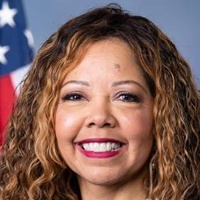
Lucy McBath
Representative
GA
Lucy McBath
Representative
GA
The Clean Slate Act of 2025 establishes new federal rules for automatically sealing certain criminal records, particularly for nonviolent marijuana offenses or arrests that did not result in conviction. It also creates a process allowing individuals convicted of specific nonviolent federal offenses to petition the court to seal their records after completing their sentences. Once sealed, these records are generally inaccessible, promoting rehabilitation, though exceptions exist for law enforcement and specific background checks.
This act establishes a grant program through the NSF to boost the participation and retention of women, underrepresented minorities, and people with disabilities in STEM fields.
Marilyn Strickland
Representative
WA
Marilyn Strickland
Representative
WA
The Women and Underrepresented Minorities in STEM Booster Act of 2025 establishes a new grant program managed by the National Science Foundation. This program is designed to increase the participation and retention of women, underrepresented minorities, and people with disabilities in science, technology, engineering, and math (STEM) fields. Funds will support activities such as mentoring, internships, and outreach aimed at addressing documented gaps in STEM education and the workforce. Congress has authorized $15 million annually for this initiative from 2026 through 2030.
This bill bans the manufacture, sale, and transfer of specific semiautomatic assault weapons and large-capacity ammunition feeding devices while grandfathering existing possessions and establishing new transfer requirements.
Lucy McBath
Representative
GA
Lucy McBath
Representative
GA
The Assault Weapons Ban of 2025 comprehensively defines and bans the manufacture, sale, and transfer of specific semiautomatic assault weapons and large capacity ammunition feeding devices. The bill grandfathers existing weapons but imposes new requirements for their secure storage and mandates dealer involvement for future private transfers. It also allows federal grant money to be used by states for buy-back programs targeting these banned items.