Legislative Activity
Track Kim's sponsored bills, co-sponsored legislation, and voting record
This bill renames and revises the Great American Outdoors Act's maintenance fund, increases dedicated funding through new, higher fees for foreign visitors, and sets spending priorities for deferred maintenance across public lands agencies.
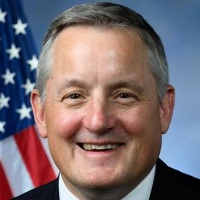
Bruce Westerman
Representative
AR
Bruce Westerman
Representative
AR
This bill, the Great American Outdoors Act 250, significantly reforms and renames the existing public lands restoration fund to the America’s Legacy Restoration Fund. It secures dedicated funding streams, primarily from energy revenues and new fees on foreign visitors, to address critical deferred maintenance across the National Park Service, Forest Service, and other public land agencies. The legislation establishes strict spending priorities for infrastructure repair while also creating pilot programs for enhancing outdoor recreation and sportsmen's access. Finally, it mandates increased transparency and accountability through standardized metrics and public reporting on all funded projects.
This Act establishes a grant program to expand training in abortion care for health professionals and encourage them to become abortion providers, especially in underserved communities.
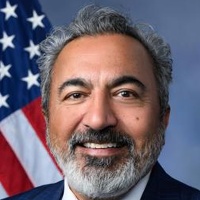
Ami Bera
Representative
CA
Ami Bera
Representative
CA
The Reproductive Health Care Training Act of 2026 establishes a grant program to expand training in abortion care for health professionals. Administered by HRSA, this program awards funds to eligible entities in states where such training is permissible. The goal is to encourage more clinicians to become abortion providers, with a focus on improving access for medically underserved communities.
This bill authorizes a Congressional Gold Medal to honor the Americans who rescued and aided Jews and other refugees during the Holocaust.
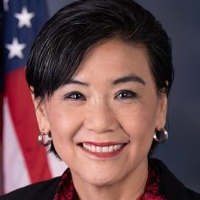
Judy Chu
Representative
CA
Judy Chu
Representative
CA
This bill authorizes the award of a single Congressional Gold Medal to honor the American citizens and organizations who rescued Jews and other refugees from Nazi persecution between 1933 and 1945. The medal recognizes their heroic efforts, which saved tens of thousands of lives during the Holocaust. Following the award, the gold medal will be permanently housed at the United States Holocaust Memorial Museum. The Act also permits the production and sale of duplicate bronze medals to cover production costs.
This bill mandates that health plans and issuers publicly report detailed prior authorization denial rates and enhances transparency in health plan comparisons on Exchanges by including prescription drug cost data.
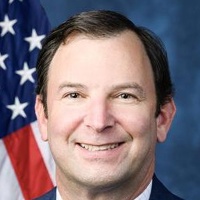
Craig Goldman
Representative
TX
Craig Goldman
Representative
TX
The Prior Authorization Accountability Act mandates that group health plans and insurance issuers publicly report detailed data on their prior authorization approval and denial rates, including appeal outcomes and processing times. This transparency requirement aims to give consumers and regulators a clearer view of how prior authorization decisions are made. Furthermore, the bill enhances plan comparisons on health insurance Exchanges by requiring the inclusion of historical prescription drug cost and coverage data for previously offered plans.
This bill mandates that group health plans and insurers cover at least three primary care visits and three behavioral health care visits annually without any patient cost-sharing.
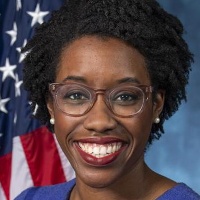
Lauren Underwood
Representative
IL
Lauren Underwood
Representative
IL
The Primary and Behavioral Health Care Access Act of 2026 mandates that group health plans and insurers cover at least three primary care visits and three behavioral health care visits annually without any cost-sharing for patients. This requirement applies regardless of the plan's deductible status. The bill ensures these essential visits are treated equally to other covered services regarding limitations and reimbursement rates.
This bill prohibits political bias in federal disaster aid decisions and mandates a 45-day response deadline for major disaster declaration requests, with automatic approval if missed.
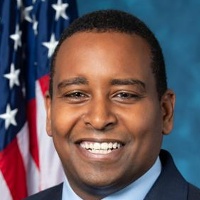
Joe Neguse
Representative
CO
Joe Neguse
Representative
CO
The Disaster Relief Integrity and Independence Act aims to ensure fair and timely federal disaster assistance. It explicitly prohibits basing disaster relief decisions on the political affiliation of a state or locality. Furthermore, the bill mandates that the President must respond to major disaster requests within 45 days, or the request is automatically approved.
This bill establishes a mandatory timeline and binding arbitration process to expedite the negotiation of first-time collective bargaining agreements between employers and newly certified unions.
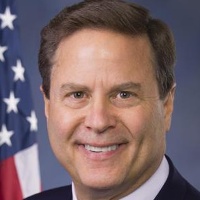
Donald Norcross
Representative
NJ
Donald Norcross
Representative
NJ
The Faster Labor Contracts Act aims to speed up the process of securing a first collective bargaining agreement after a union is certified. It establishes a mandatory timeline, including mediation and binding arbitration, if an agreement is not reached within 90 days of bargaining. This process is designed to prevent lengthy delays that currently weaken the union's position. The bill also requires a GAO report on current time-to-contract averages.
This bill reauthorizes the Northwest Straits Marine Conservation Initiative, updating its structure and goals for protecting and restoring the marine ecosystem of the region through 2032.
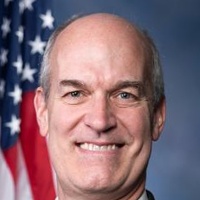
Rick Larsen
Representative
WA
Rick Larsen
Representative
WA
This bill reauthorizes the Northwest Straits Marine Conservation Initiative Act, updating its structure and goals for another seven years. It establishes a diverse 14-member Commission to protect and restore the marine waters, habitats, and species of the Northwest Straits region. The Commission will focus on science-based projects, collaboration with local and Tribal governments, and advising on ecosystem health without issuing regulations.
This bill advances menopause care and mid-life women's health by funding research, public education, provider training, and establishing centers of excellence.
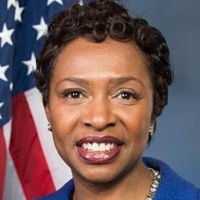
Yvette Clarke
Representative
NY
Yvette Clarke
Representative
NY
The Advancing Menopause Care and Mid-Life Women’s Health Act aims to significantly improve care for mid-life women by expanding federal research, public health promotion, and provider training related to menopause. The bill establishes national awareness programs and designates Centers of Excellence to enhance education and treatment resources. Overall, it seeks to address gaps in research, access to care, and provider knowledge concerning perimenopause, menopause, and related health conditions.
This act amends federal law to require labeling of foods containing gluten-containing grains as a major food allergen.
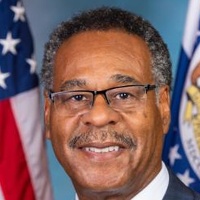
Emanuel Cleaver
Representative
MO
Emanuel Cleaver
Representative
MO
The Celiac Safety Act of 2026 amends federal law to officially classify gluten-containing grains (wheat, rye, and barley) as a major food allergen. This change mandates that foods containing these grains must be clearly labeled as such, similar to existing major allergens like peanuts or milk. This new labeling requirement will take effect 18 months after the Act's enactment.
This bill establishes the Smithsonian American Women's History Museum, designates its site on the National Mall, and sets requirements for its mission, construction, and diverse representation of viewpoints.
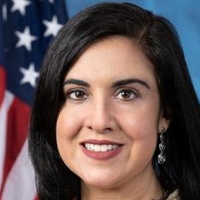
Nicole Malliotakis
Representative
NY
Nicole Malliotakis
Representative
NY
This act officially establishes the Smithsonian American Women’s History Museum and designates its location on the National Mall, requiring the transfer of land jurisdiction to the Smithsonian Institution. The museum is mandated to preserve and present the history and achievements of biological women in the United States. Furthermore, the legislation requires that exhibits and programs reflect diverse political viewpoints and authentic experiences of women, as guided by a broad array of knowledgeable sources.
The Provider Reimbursement Stability Act of 2026 reforms Medicare physician payment policies by updating budget neutrality thresholds, establishing a correction process for utilization estimates, mandating periodic updates to practice expense data, and limiting annual conversion factor fluctuations.
Gregory Murphy
Representative
NC
Gregory Murphy
Representative
NC
The Provider Reimbursement Stability Act of 2026 aims to improve the accuracy and predictability of Medicare physician payments. The bill reforms budget neutrality calculations, mandates periodic updates to practice expense cost data, and establishes a 2.5% cap on annual conversion factor fluctuations. These measures are designed to ensure more stable reimbursement rates for healthcare providers.
This bill authorizes the minting and sale of commemorative gold and silver coins to honor the 25th anniversary of the September 11, 2001, terrorist attacks, with surcharges supporting the National September 11 Memorial and Museum.

Dan Goldman
Representative
NY
Dan Goldman
Representative
NY
This bill authorizes the Secretary of the Treasury to mint and issue commemorative gold and silver coins marking the 25th anniversary of the September 11, 2001, terrorist attacks. The coins will honor the victims, first responders, and survivors, with designs selected in consultation with the National September 11 Memorial and Museum. All surcharges from the sale of these coins will be paid directly to the Memorial and Museum to support its operations and maintenance.
This bill prohibits using federal funds for specific settlement payments, particularly those related to the *Trump, et al. v. IRS, et al.* case, and restricts certain compromise settlements from the Judgment Fund to high-ranking officials and specific types of claims.
Jamie Raskin
Representative
MD
Jamie Raskin
Representative
MD
This Act prohibits the use of federal funds for specific settlement payments, including those related to the *Trump, et al. v. IRS, et al.* case. It places new restrictions on the Judgment Fund, barring payments to high-ranking officials, their relatives, and certain entities for specific types of claims. The bill also establishes strict reporting and notification requirements for large government compromise settlements.
This Act establishes a pilot program to award grants to school food authorities to promote the preparation of school meals using unprocessed or minimally processed ingredients.
Jahana Hayes
Representative
CT
Jahana Hayes
Representative
CT
The Scratch Cooked Meals for Students Act establishes a pilot program to award competitive grants to school food authorities promoting the preparation of meals using unprocessed or minimally processed ingredients. These grants will fund training, equipment upgrades, and other necessary support for increasing scratch cooking in school meal programs. Priority will be given to authorities serving high-need student populations that commit to self-operation and workforce agreements.
This bill supports designating May 29, 2026, as "Mental Health Awareness in Agriculture Day" to raise awareness and reduce stigma surrounding mental health in the agricultural industry.
Mike Bost
Representative
IL
Mike Bost
Representative
IL
This bill supports designating May 29, 2026, as "Mental Health Awareness in Agriculture Day." The goal is to raise awareness about the unique mental health challenges faced by the agricultural industry and workforce. It also aims to continue reducing the stigma associated with mental illness in this vital sector.
This bill ensures rural hospitals can maintain Critical Access Hospital status by excluding labor and delivery beds from the acute care inpatient bed count for Medicare purposes.
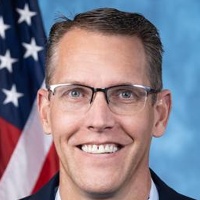
Randy Feenstra
Representative
IA
Randy Feenstra
Representative
IA
The Rural MOMS Act of 2026 aims to support maternity care in small rural hospitals. This bill amends Medicare rules to exclude beds used only for labor and delivery from the acute care inpatient bed count for Critical Access Hospitals. This change allows these vital rural facilities to maintain their special status while continuing to offer essential maternity services.
This Act funds data collection, research, public communication, and task force recommendations to improve maternal health outcomes during public health emergencies.
Lauren Underwood
Representative
IL
Lauren Underwood
Representative
IL
The Maternal Health Pandemic Response Act aims to improve maternal and infant health outcomes during public health emergencies. It authorizes significant funding for enhanced data collection, surveillance, and research across various CDC programs. Furthermore, the bill mandates public data disclosure, requires public health communication campaigns, and establishes a task force to develop federal recommendations for ensuring safe, respectful, and equitable maternity care during crises.
This bill mandates improved financial literacy training, clearer notification of Servicemembers Civil Relief Act (SCRA) benefits upon entry or mobilization, and requires creditors to retroactively apply interest rate caps to all pre-service debts starting from the date active duty began.
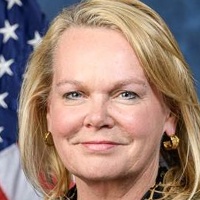
April McClain Delaney
Representative
MD
April McClain Delaney
Representative
MD
The Improving SCRA Benefit Utilization Act aims to strengthen consumer protections for service members under the Servicemembers Civil Relief Act (SCRA). This bill mandates improved financial literacy training focusing on SCRA interest rate caps and requires specific notifications of these benefits upon entry or mobilization to active duty. Additionally, it ensures financial institutions must retroactively apply maximum interest rates to pre-service debts from the start of active duty and expand those protections to all debts held by the creditor.
This bill establishes the Combating Organized Retail Crime Act of 2025 to enhance federal prosecution tools against organized retail and supply chain crime and create a DHS-led coordination center to align law enforcement efforts.
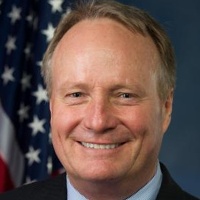
David Joyce
Representative
OH
David Joyce
Representative
OH
The Combating Organized Retail Crime Act of 2025 aims to combat sophisticated, cross-jurisdictional organized retail and supply chain theft. It achieves this by strengthening federal laws regarding money laundering and stolen property offenses, including lowering monetary thresholds for prosecution. Furthermore, the bill establishes a dedicated Center within the Department of Homeland Security to coordinate federal, state, and local enforcement efforts against these criminal organizations.