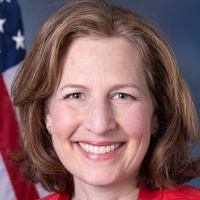
Legislative Activity
Track Kim's sponsored bills, co-sponsored legislation, and voting record
This Act prohibits the discharge of plastic pellets and pre-production plastic materials into U.S. waters from industrial facilities through EPA regulations and permitting requirements.
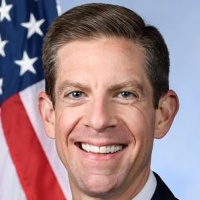
Mike Levin
Representative
CA
Mike Levin
Representative
CA
The Plastic Pellet Free Waters Act prohibits the discharge of plastic pellets and other pre-production plastic materials into U.S. waters from industrial facilities. This requires the EPA to swiftly issue a rule banning these discharges from facilities involved in the manufacturing, use, packaging, or transport of these plastics. The prohibition will be enforced through existing permitting and regulatory systems under the Federal Water Pollution Control Act.
The Healthy Families Act establishes a national standard requiring most employers to provide employees with earned paid sick leave for personal or family health needs and related safety issues.

Rosa DeLauro
Representative
CT
Rosa DeLauro
Representative
CT
The Healthy Families Act establishes a national standard requiring most employers to provide employees with earned paid sick leave. Employees will accrue a minimum of one hour of paid time for every 30 hours worked, usable for personal or family health needs, domestic violence, sexual assault, or stalking. The Act prohibits employer retaliation for using this leave and ensures existing, more generous leave policies are not diminished.
This bill appropriates funding and establishes operational rules for the Department of Homeland Security for Fiscal Year 2026 across management, security, preparedness, and research functions, while imposing strict oversight and spending restrictions.
Rosa DeLauro
Representative
CT
Rosa DeLauro
Representative
CT
This bill provides the funding and establishes the operational rules for the Department of Homeland Security (DHS) for Fiscal Year 2026 across all major components, including intelligence, security operations, emergency management, and research. It allocates billions for agencies like TSA, Coast Guard, FEMA, and CISA while imposing strict new requirements for congressional oversight, spending transparency, and management of federal grants. The legislation also includes specific policy directives, such as mandating security screening for senior officials and restricting certain intelligence and contracting activities.
This resolution congratulates the Seattle Seahawks on winning Super Bowl LX and recognizes the historic achievements of the team, its players, coaches, and the dedicated "12th Man" fan base.
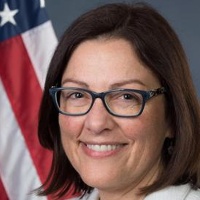
Suzan DelBene
Representative
WA
Suzan DelBene
Representative
WA
This resolution congratulates the Seattle Seahawks on winning Super Bowl LX, defeating the New England Patriots. It specifically recognizes the historic achievements of Head Coach Mike Macdonald, General Manager John Schneider, and MVP Kenneth Walker III. The bill also honors the record-breaking performance of kicker Jason Myers and celebrates the unwavering support of the "12th Man" fan base.
This Act establishes new financial assistance and debt collection standards for Medicare hospitals while creating a federal grant program for nonprofits to purchase and eliminate eligible medical debt.
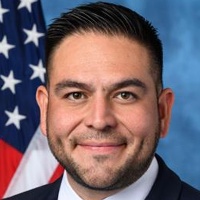
Gabriel (Gabe) Vasquez
Representative
NM
Gabriel (Gabe) Vasquez
Representative
NM
The Patient Debt Relief Act establishes new standards for hospitals participating in Medicare regarding financial assistance and medical debt collection practices, including limits on liens and wage garnishment. It also creates a grant program for eligible nonprofits to purchase and eliminate the medical debt of low-income individuals. These provisions aim to protect patients from aggressive debt collection and provide avenues for debt relief.
This Act bans social media accounts for children under 13, restricts algorithmic recommendations for teens aged 13-16, and mandates social media blocking on school networks receiving federal funding.
Anna Luna
Representative
FL
Anna Luna
Representative
FL
The Kids Off Social Media Act aims to protect children and teens online by banning social media access for users under 13 and restricting algorithmic content recommendations for users aged 13 through 16. Additionally, the bill requires schools receiving federal funding to block social media platforms on their networks and devices. The Federal Trade Commission (FTC) is tasked with enforcing these new platform restrictions.
This Act mandates a study to determine the feasibility and best practices for building high-voltage electric transmission lines along existing highway and railroad rights-of-way to lower energy costs and improve reliability.
Kevin Mullin
Representative
CA
Kevin Mullin
Representative
CA
The Rail and Highway Transmission Planning Act directs a comprehensive study on the feasibility and best practices for building high-voltage electric transmission lines within existing highway and railroad rights-of-way. This initiative aims to accelerate the deployment of new transmission infrastructure to enhance grid reliability and lower consumer energy costs. The resulting report will provide Congress and stakeholders with an action plan for utilizing these corridors effectively.
This bill establishes mandatory minimum humanitarian standards for health screening, water, sanitation, food, and shelter for all individuals in ICE and CBP custody.
Raul Ruiz
Representative
CA
Raul Ruiz
Representative
CA
The Humanitarian Standards for Individuals in ICE and CBP Custody Act establishes minimum standards for health screening, nutrition, sanitation, and shelter for individuals detained by ICE and CBP. This bill mandates specific protocols for medical care, facility conditions, and personnel training to ensure humane treatment. It also requires regular inspections and public reporting on compliance and sexual abuse complaints.
This bill renames and significantly expands the existing organic cost-share program to provide comprehensive financial, technical, and capacity-building support for farmers transitioning to and maintaining organic operations.
Jimmy Panetta
Representative
CA
Jimmy Panetta
Representative
CA
The Opportunities in Organic Act renames and significantly expands the existing organic certification cost-share program. This new program will provide financial assistance for organic certification costs, while also offering crucial support and technical assistance for farmers transitioning to organic management. The bill directs funding to eligible nonprofits to build capacity, offer direct producer support during transition, and strengthen the organic supply chain. Finally, it mandates increased reporting to Congress on program outcomes and barriers faced by participants.
This bill seeks to disapprove and nullify the Department of Veterans Affairs' final rule regarding "Reproductive Health Services."
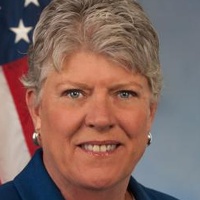
Julia Brownley
Representative
CA
Julia Brownley
Representative
CA
This resolution seeks to disapprove the Department of Veterans Affairs' final rule concerning "Reproductive Health Services" issued in September 2024. If enacted, this disapproval, made under the Congressional Review Act, would prevent the VA rule from taking legal effect.
The Farm and Family Relief Act delays cost-sharing changes for SNAP benefits, provides targeted economic assistance to producers of various commodities and timber, establishes a specialty crop market development program, creates a Forest Service technology transfer office, and terminates certain timber-related tariffs.
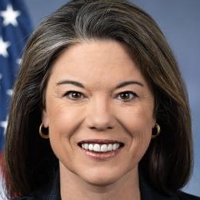
Angie Craig
Representative
MN
Angie Craig
Representative
MN
The Farm and Family Relief Act provides targeted economic assistance to various agricultural sectors, including producers of eligible commodities, sugar beets, and specialty crops, while also delaying scheduled cost-sharing changes for SNAP benefits. Additionally, the bill establishes new programs to support timber businesses through financial assistance and creates an Office of Technology Transfer within the U.S. Forest Service to commercialize research. Finally, it terminates several specific Executive orders imposing tariffs.
This bill prohibits political appointees from managing NIH programs or participating in NIH funding decisions, and prevents the NIH from unilaterally canceling existing research agreements without documented findings of mismanagement or fraud.

Diana DeGette
Representative
CO
Diana DeGette
Representative
CO
The Follow the Science Act aims to insulate the National Institutes of Health (NIH) from political influence by prohibiting most political appointees from working on or managing NIH programs. This legislation specifically bars political employees from participating in the review, selection, or awarding of NIH grants and contracts. Furthermore, it restricts the NIH Director from canceling or delaying existing funding agreements unless specific findings of mismanagement or fraud are documented and reported to Congress.
This bill allows the Federal Energy Regulatory Commission to grant up to a six-year extension for commencing construction on certain hydropower projects and permits the reinstatement of expired licenses.
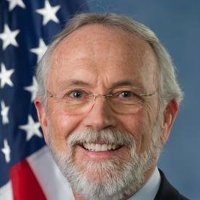
Dan Newhouse
Representative
WA
Dan Newhouse
Representative
WA
This bill allows the Federal Energy Regulatory Commission (FERC) to grant license holders an extension of up to six additional years to begin construction on certain hydropower projects licensed before March 13, 2020. It also authorizes FERC to reinstate licenses that expired after December 31, 2023, under specific conditions. The goal is to provide more time for approved hydropower projects to commence construction.
This bill mandates that state Medicaid programs cover whole genome and whole exome sequencing for children with specific medical needs starting in 2027.
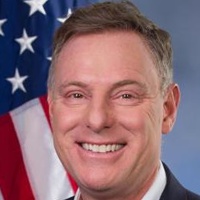
Scott Peters
Representative
CA
Scott Peters
Representative
CA
The Genomic Answers for Children’s Health Act of 2026 mandates that state Medicaid programs cover whole genome and whole exome sequencing for children with specific medical conditions, effective January 1, 2027. This sequencing is to be covered as a first-tier diagnostic test for genetic disorders, rare diseases, or conditions of unknown origin. The bill also directs the HHS Secretary to promote awareness and address implementation challenges for this new mandatory benefit.
This bill impeaches Secretary of Homeland Security Kristi Lynn Arnold Noem for high crimes and misdemeanors, citing willful refusal to comply with oversight law, violating the Impoundment Control Act, directing unlawful ICE misconduct, and misusing federal funds for personal gain.
Robin Kelly
Representative
IL
Robin Kelly
Representative
IL
This resolution initiates impeachment proceedings against Secretary of Homeland Security Kristi Lynn Arnold Noem for high crimes and misdemeanors. The articles of impeachment charge her with willfully refusing to comply with Congressional oversight laws and violating the Impoundment Control Act by improperly withholding funds. Further articles allege she directed widespread misconduct by ICE agents that violated federal law and constitutional rights, and misused taxpayer funds for personal gain through improper contracting.
This bill modifies deposits into the Crime Victims Fund by excluding certain False Claims Act recoveries and mandates an Inspector General audit of the Fund's sustainability.
Ann Wagner
Representative
MO
Ann Wagner
Representative
MO
This bill amends the Victims of Crime Act of 1984 to temporarily exclude certain False Claims Act recoveries from being deposited into the Crime Victims Fund through fiscal year 2029. It also mandates a comprehensive audit by the Department of Justice Inspector General on the Fund's sustainability and the impact of recent legislative changes. The resulting report will provide recommendations for improving the Fund's effectiveness and oversight.
This resolution recognizes the 15th anniversary of the 2011 Tucson shooting, honoring the victims, survivors, and the ongoing advocacy of Gabby Giffords.
Debbie Wasserman Schultz
Representative
FL
Debbie Wasserman Schultz
Representative
FL
This resolution commemorates the 15th anniversary of the tragic January 8, 2011, Tucson shooting, honoring the six lives lost and the thirteen injured. It specifically commends the courage and ongoing advocacy of gun violence survivor and former Congresswoman Gabby Giffords. The resolution also recognizes the resilience of the community and reaffirms a commitment to ending political violence.
The STORE Act of 2025 expands and modernizes the Emergency Food Assistance Program’s infrastructure grants to better support food distribution in underserved communities while mandating a national study on cold storage needs.
Suzanne Bonamici
Representative
OR
Suzanne Bonamici
Representative
OR
The STORE Act of 2025 strengthens the Emergency Food Assistance Program by increasing annual funding to $25 million and modernizing infrastructure grants to better support food storage, distribution technology, and delivery services. The bill expands grant eligibility to prioritize Tribal, low-income, and remote communities while mandating a national study to assess and address critical shortages in cold storage and transportation equipment.
This bill imposes comprehensive sanctions on Russia for its war against Ukraine while permanently extending the U.S. sanctions authority against Iran.

Brian Fitzpatrick
Representative
PA
Brian Fitzpatrick
Representative
PA
The Peace Through Strength Against Russia Act of 2025 imposes comprehensive sanctions on Russia's financial, military, and energy sectors in response to its war against Ukraine. This legislation cuts off major Russian banks from the U.S. financial system and bans new American investment in Russia. Additionally, the bill makes the existing sanctions authority against Iran permanent by removing its expiration date.
This resolution condemns antisemitism amplified by AI, urges robust platform safeguards, and encourages stakeholder collaboration to counter this threat while upholding constitutional rights.
Sara Jacobs
Representative
CA
Sara Jacobs
Representative
CA
This resolution condemns antisemitism in all its forms, particularly its proliferation on artificial intelligence (AI) platforms. It urges technology companies to implement robust, transparent safeguards to prevent AI systems from generating or amplifying antisemitic content. The bill encourages the development of standards, research, and public awareness initiatives to combat this threat while ensuring all actions remain consistent with constitutional protections.