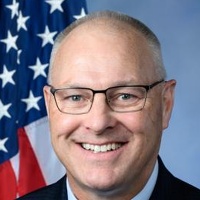
Legislative Activity
Track Pete's sponsored bills, co-sponsored legislation, and voting record
This resolution establishes a "Bill of Rights" to support U.S. law enforcement personnel by outlining specific due process protections during investigations and strongly opposing efforts to defund the police.
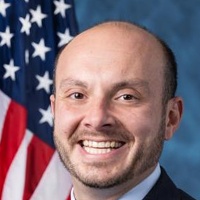
Andrew Garbarino
Representative
NY
Andrew Garbarino
Representative
NY
This resolution establishes a "Bill of Rights" to support U.S. law enforcement personnel nationwide, emphasizing the importance of upholding the rule of law. It strongly opposes any efforts to defund or abolish police departments while outlining specific due process rights for officers under investigation. The bill encourages states to adopt similar protections to ensure fair investigations and recognizes the dangerous work officers perform daily.
This bill significantly increases mandatory minimum prison sentences for non-citizens who commit crimes after entering the U.S. illegally or after previous removal.
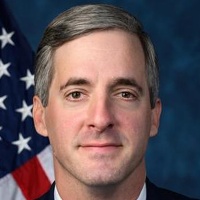
Brad Knott
Representative
NC
Brad Knott
Representative
NC
The Punishing Illegal Immigrant Felons Act of 2025 significantly increases prison sentences for non-citizens who commit crimes after entering the U.S. illegally or after being previously removed. This legislation mandates substantial minimum prison terms—including an additional five years for illegal entry followed by a felony conviction and a new ten-year minimum for re-entry after deportation coupled with a crime. The bill aims to impose much harsher penalties on undocumented immigrants who commit serious offenses.
The American Energy Act streamlines the processing of drilling permits during litigation and limits judicial authority to halt oil and gas lease sales unless immediate, major environmental damage is proven without alternative remedies.
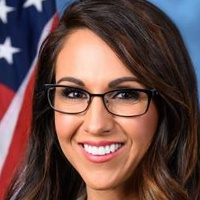
Lauren Boebert
Representative
CO
Lauren Boebert
Representative
CO
The American Energy Act streamlines the process for handling drilling permit applications, requiring the Secretary to continue processing them even when litigation is pending, unless the underlying lease is vacated. It also establishes a four-year validity period for new drilling permits. Furthermore, the Act places significant limitations on the ability of courts to halt oil and gas lease sales or stop the awarding of leases once bidding has commenced.
The CHOICE for Veterans Act of 2025 establishes new federal standards, oversight, and penalties for agents and attorneys who assist veterans in filing Department of Veterans Affairs benefit claims while extending certain pension payment limitations.
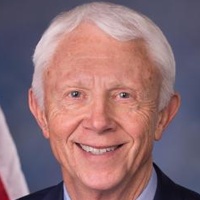
Jack Bergman
Representative
MI
Jack Bergman
Representative
MI
The CHOICE for Veterans Act of 2025 aims to overhaul how veterans receive assistance with their Department of Veterans Affairs (VA) benefit claims. It establishes new rules for the recognition, fees, and conduct of agents and attorneys who represent veterans. The bill also mandates increased transparency regarding available assistance and requires a review of the entire representative recognition process.
The ACES Act mandates a National Academies study on cancer prevalence and mortality among active duty fixed-wing aircraft crew members and extends certain pension payment limits.
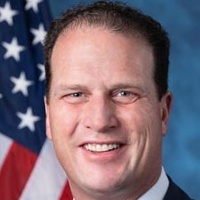
August Pfluger
Representative
TX
August Pfluger
Representative
TX
The ACES Act mandates a comprehensive study by the National Academies to investigate the prevalence and mortality rates of various cancers among active duty fixed-wing aircraft crew members due to potential service-related exposures. This legislation also extends the expiration date for certain limitations on veteran pension payments by one month. The study will analyze specific cancer types and utilize data from the VA, DoD, and other federal sources.
The LOCOMOTIVES Act centralizes federal authority over emission standards for existing locomotives and engines, limiting the ability of states to impose their own regulations on this equipment.

John Moolenaar
Representative
MI
John Moolenaar
Representative
MI
The Lifting Overburdensome Commerce Obstructions and Motives (LOCOMOTIVES) Act clarifies and strengthens federal authority over emission standards for existing locomotives and engines. This legislation limits the ability of states to set their own pollution control standards for certain railroad equipment. Specifically, it expands federal preemption to cover more nonroad engines and locomotives engaged in commerce.
The Shipbuilding and Harbor Infrastructure for Prosperity and Security for America Act of 2025 establishes a centralized maritime authority, creates a dedicated funding trust, strengthens sealift capability, mandates increased use of U.S.-flagged vessels, invests heavily in domestic shipbuilding, and enhances workforce development and tax incentives for the maritime industry.
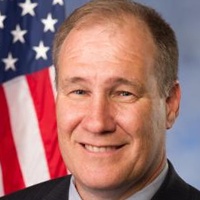
Trent Kelly
Representative
MS
Trent Kelly
Representative
MS
The **Shipbuilding and Harbor Infrastructure for Prosperity and Security for America Act of 2025** is a comprehensive bill designed to revitalize the U.S. maritime industry and secure critical supply chains. It establishes new centralized oversight for maritime policy, creates a dedicated Maritime Security Trust Fund financed by new vessel taxes, and mandates significant federal investment in domestic shipbuilding and workforce development. The legislation also imposes stricter cargo preference rules and tax incentives to ensure U.S.-flagged vessels dominate international commerce and defense sealift operations.
This resolution expresses support for designating May 2025 as Motorcycle Safety Awareness Month to promote rider education, safe practices, and mutual road awareness between motorcyclists and other drivers.
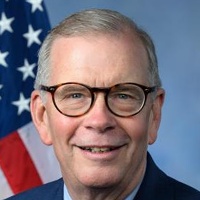
Tim Walberg
Representative
MI
Tim Walberg
Representative
MI
This resolution expresses the strong support of Congress for designating May 2025 as Motorcycle Safety Awareness Month. It acknowledges the significant role motorcyclists play in transportation while highlighting the critical need for increased safety awareness. The bill encourages proper rider training, the use of protective gear, and mutual road safety between motorcyclists and other drivers.
This bill prohibits the Small Business Administration from facilitating voter registration and restricts recipients of SBA assistance from engaging in such activities.
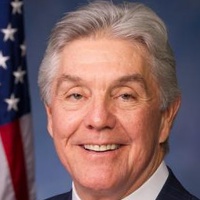
Roger Williams
Representative
TX
Roger Williams
Representative
TX
The Business over Ballots Act reaffirms that the Small Business Administration's (SBA) primary mission is solely to support small businesses. This legislation explicitly prohibits the SBA from engaging in or facilitating voter registration activities. Furthermore, it mandates that all new contracts and existing assistance agreements must restrict recipients from using SBA funds for voter registration efforts.
This Act promotes private employee ownership by extending tax deferrals for S corporation ESOP sales, ensuring ESOP-owned businesses retain small business status, and establishing new Treasury and Labor offices to provide assistance and advocacy.
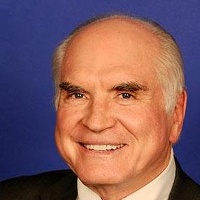
Mike Kelly
Representative
PA
Mike Kelly
Representative
PA
The Promotion and Expansion of Private Employee Ownership Act of 2025 aims to significantly boost employee ownership in S corporations through Employee Stock Ownership Plans (ESOPs). The bill extends key tax deferral benefits for stock sales to ESOPs and removes a major restriction on this tax treatment. Furthermore, it establishes new government offices and an Advocate for Employee Ownership to provide technical assistance and resolve disputes, while ensuring ESOP-owned businesses retain small business status for federal programs.
The ReConnecting Rural America Act of 2025 overhauls federal funding to prioritize grants and loans for building high-speed, 100/100 Mbps broadband infrastructure in underserved rural areas.
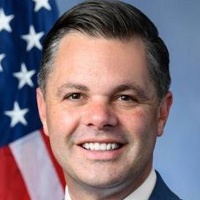
Zachary (Zach) Nunn
Representative
IA
Zachary (Zach) Nunn
Representative
IA
The ReConnecting Rural America Act of 2025 significantly overhauls federal funding to expand high-speed internet access in underserved rural areas. This legislation prioritizes grants and loans for projects delivering at least 100 Mbps symmetrical speeds, focusing heavily on communities currently lacking adequate service. The bill sets strict buildout timelines, mandates participation in affordability programs, and establishes specific priority criteria for funding distribution through 2030.
The Prove It Act establishes a formal process for small businesses to challenge agency claims about the economic impact of proposed rules and strengthens requirements for agencies to consider indirect costs on small entities.
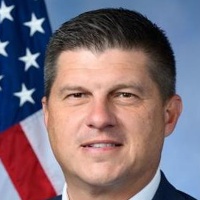
Brad Finstad
Representative
MN
Brad Finstad
Representative
MN
The Prove It Act aims to strengthen protections for small businesses against burdensome federal regulations. It establishes a formal process for small entities to challenge agency claims that a proposed rule will not significantly impact them. The bill also expands the required analysis of indirect costs and imposes consequences if agencies fail to periodically review existing rules on time.
The NFA SBS Act redefines short-barreled shotguns, removes specific federal restrictions on them, preempts certain state taxes and registration requirements, and mandates the destruction of related government records.
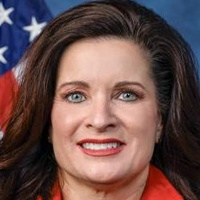
Sheri Biggs
Representative
SC
Sheri Biggs
Representative
SC
The NFA SBS Act redefines short-barreled shotguns under federal tax law, removing specific restrictions and ensuring they are not treated as destructive devices. This legislation eliminates disparate federal restrictions on these shotguns and preempts state or local laws that attempt to impose special taxes or registration requirements referencing the National Firearms Act. Furthermore, the Act mandates the destruction of specific government records related to the registration and transfer of these shotguns.
This act officially recognizes accounting education as part of a well-rounded curriculum to improve access to accounting programs, especially for underrepresented students.

Young Kim
Representative
CA
Young Kim
Representative
CA
The Accounting STEM Pursuit Act of 2025 officially recognizes accounting education as a vital component of a well-rounded K-12 curriculum. This legislation amends federal education law to ensure accounting is counted within core curriculum planning frameworks. The Act specifically directs states and districts to improve access to quality accounting programs, with a focus on increasing opportunities for underrepresented students.
The Safeguard American Voter Eligibility (SAVE) Act mandates that individuals registering to vote in federal elections must present documentary proof of U.S. citizenship.
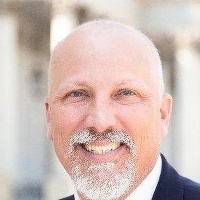
Chip Roy
Representative
TX
Chip Roy
Representative
TX
The Safeguard American Voter Eligibility Act (SAVE Act) significantly amends federal law to require individuals registering to vote in federal elections to present documentary proof of U.S. citizenship. This legislation mandates that states actively clean their voter rolls and cooperate with federal agencies to verify citizenship status. It establishes new criminal penalties for officials who fail to enforce these documentation requirements.
This Act makes the existing tax credit for adoption expenses fully refundable, allowing taxpayers to receive the excess credit amount as a refund for tax years beginning after December 31, 2025.
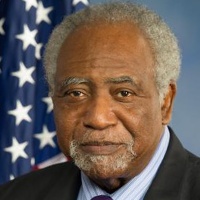
Danny Davis
Representative
IL
Danny Davis
Representative
IL
The Adoption Tax Credit Refundability Act of 2025 makes the existing tax credit for adoption expenses fully refundable, meaning taxpayers can receive the excess credit amount as a refund. This is achieved by renumbering the credit section and updating related tax code references. The bill also mandates new regulations for verifying adoptions via standardized affidavits. These changes will apply to tax years beginning after December 31, 2025.
The Neighborhood Homes Investment Act establishes a new federal tax credit to incentivize the development and substantial rehabilitation of affordable starter homes in low-income communities by closing the financing gap between construction costs and sale prices.
Mike Kelly
Representative
PA
Mike Kelly
Representative
PA
The Neighborhood Homes Investment Act establishes a new federal tax credit designed to close the financing gap hindering the construction and rehabilitation of affordable starter homes in distressed communities. This credit incentivizes developers to build or substantially renovate housing in specific low-income census tracts and sell it affordably to qualified moderate-income homeowners. State agencies will manage the allocation of these credits, ensuring projects meet affordability standards and promoting revitalization in struggling neighborhoods.
This act prohibits the Federal Motor Carrier Safety Administration from mandating speed limiting devices on interstate commercial vehicles over 26,000 pounds.
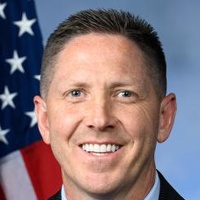
Josh Brecheen
Representative
OK
Josh Brecheen
Representative
OK
The DRIVE Act prohibits the Federal Motor Carrier Safety Administration from mandating speed limiting devices on heavy commercial vehicles engaged in interstate commerce. This legislation removes any federal requirement for trucks over 26,000 pounds to have their top speed electronically capped. In essence, the bill deregulates restrictions concerning speed control technology for large, cross-state eighteen-wheelers.
This Act prioritizes using trained military veterans to apply humane, on-range fertility controls for managing wild horse and burro populations.
Nancy Mace
Representative
SC
Nancy Mace
Representative
SC
The Veterans for Mustangs Act amends existing law to prioritize humane, on-range fertility control for managing wild horse and burro populations. This legislation mandates that the Secretary of the Interior must prioritize recruiting, training, and hiring military veterans to administer these fertility control measures. This ensures population management goals are met while providing employment opportunities for veterans.
This act adjusts federal sentencing guidelines to ensure convictions for sexual offenses against minors under 18 count toward specific sentencing enhancements.
Michael Lawler
Representative
NY
Michael Lawler
Representative
NY
The Paula Bohovesky and Joan D’Alessandro Act amends federal sentencing guidelines to ensure that convictions for sexual offenses against minors under 18 count toward specific sentencing enhancements. This change adjusts the rules under 18 U.S.C. § 3559(d)(1)(A) regarding when certain sentencing triggers are met. The goal is to strengthen how prior offenses against children impact current sentencing decisions.