Legislative Activity
Track Thomas's sponsored bills, co-sponsored legislation, and voting record
This Act clarifies the U.S. position on UN Resolution 2758, mandates U.S. advocacy against China's distortion of the "One China" position in international organizations, and strengthens efforts to counter Taiwan's international isolation.

Gerald Connolly
Representative
VA
Gerald Connolly
Representative
VA
The Taiwan International Solidarity Act clarifies that UN Resolution 2758 does not determine Taiwan's status and affirms U.S. opposition to any change in Taiwan's status without its consent. The bill directs the U.S. government to actively advocate in international organizations against the People's Republic of China's (PRC) distortion of the "One China" position regarding Taiwan. Furthermore, it mandates encouraging allies to resist PRC efforts to undermine Taiwan's international partnerships and requires expanded reporting on these PRC actions.
This Act establishes federal penalties for assaulting hospital personnel and creates a grant program to help medical facilities improve workforce safety.

Madeleine Dean
Representative
PA
Madeleine Dean
Representative
PA
The Save Healthcare Workers Act aims to protect hospital personnel by making assault against them a federal crime with severe penalties. It also establishes a new federal grant program to help hospitals implement crucial safety measures, such as violence prevention training and physical security upgrades. This legislation seeks to reduce workplace violence in healthcare settings across the nation.
This act establishes research grants and training programs to develop and implement PFAS-free, next-generation turnout gear to protect firefighters from occupational illness and injury.

Debbie Dingell
Representative
MI
Debbie Dingell
Representative
MI
The PFAS Alternatives Act aims to protect firefighters by funding research and development for next-generation turnout gear that eliminates harmful PFAS chemicals. The bill establishes grants through NIOSH to create safer, PFAS-free protective equipment and separate funding for training programs on the proper care of this new gear. Ultimately, this legislation seeks to reduce occupational illness and injury among fire and EMS personnel.
This act establishes a 20-mile flight restriction zone around the Statue of Liberty National Monument for civil helicopters, with exceptions for public safety and essential infrastructure work, and mandates prompt FAA rulemaking to implement these changes.
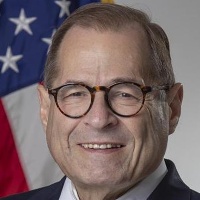
Jerrold Nadler
Representative
NY
Jerrold Nadler
Representative
NY
The Improving Helicopter Safety Act of 2025 establishes a strict 20-mile flight restriction for civil helicopters around the Statue of Liberty National Monument, effective 60 days after enactment. This prohibition includes exceptions for public safety, emergency response, and essential infrastructure work. Furthermore, the bill mandates the FAA to finalize all necessary regulations to implement these new flight restrictions within 90 days.
The BASIC Act increases the investment tax credit rate for advanced semiconductor manufacturing from 25% to 35% and extends the eligibility period through December 31, 2030.

Claudia Tenney
Representative
NY
Claudia Tenney
Representative
NY
The Building Advanced Semiconductors Investment Credit Act (BASIC ACT) significantly boosts incentives for domestic semiconductor manufacturing. This bill increases the investment tax credit rate for advanced manufacturing from 25 percent to 35 percent. Furthermore, it extends the period during which this enhanced credit can be claimed, pushing the deadline from 2026 to December 31, 2030.
This Act establishes a grant program through the Department of Homeland Security to fund medical care for retired Federal working dogs living with their former handlers.
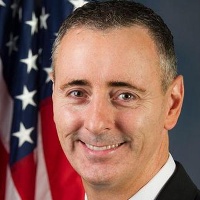
Brian Fitzpatrick
Representative
PA
Brian Fitzpatrick
Representative
PA
The Honoring our K9 Heroes Act establishes a new grant program administered by the Department of Homeland Security to help cover medical expenses for retired Federal working dogs. Eligible non-profit organizations with a history of supporting these retired K9s can apply for funding. This initiative is authorized with $1 million annually from Fiscal Year 2026 through 2030 to support dogs living with their former handlers.
The Shipbuilding and Harbor Infrastructure for Prosperity and Security for America Act of 2025 establishes a centralized maritime authority, creates a dedicated funding trust, strengthens sealift capability, mandates increased use of U.S.-flagged vessels, invests heavily in domestic shipbuilding, and enhances workforce development and tax incentives for the maritime industry.
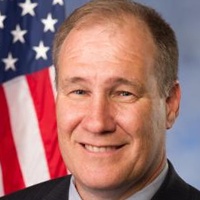
Trent Kelly
Representative
MS
Trent Kelly
Representative
MS
The **Shipbuilding and Harbor Infrastructure for Prosperity and Security for America Act of 2025** is a comprehensive bill designed to revitalize the U.S. maritime industry and secure critical supply chains. It establishes new centralized oversight for maritime policy, creates a dedicated Maritime Security Trust Fund financed by new vessel taxes, and mandates significant federal investment in domestic shipbuilding and workforce development. The legislation also imposes stricter cargo preference rules and tax incentives to ensure U.S.-flagged vessels dominate international commerce and defense sealift operations.
The PREVAIL Act seeks to strengthen the U.S. patent system by reforming the Patent Trial and Appeal Board, preventing duplicative litigation, ensuring USPTO fee integrity, and providing support for small businesses and universities.

Nathaniel Moran
Representative
TX
Nathaniel Moran
Representative
TX
The PREVAIL Act aims to strengthen American innovation and economic leadership by reforming patent review processes and enhancing patent protections. It updates rules for the Patent Trial and Appeal Board (PTAB) to ensure fairness and prevent procedural abuse in patent challenges. Furthermore, the bill secures USPTO funding by eliminating fee diversion and expands support for small businesses and universities within the patent system.
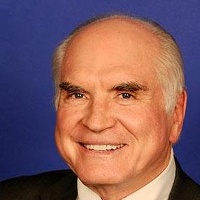
This Act promotes private employee ownership by extending tax deferrals for S corporation ESOP sales, ensuring ESOP-owned businesses retain small business status, and establishing new Treasury and Labor offices to provide assistance and advocacy.
Mike Kelly
Representative
PA
Mike Kelly
Representative
PA
The Promotion and Expansion of Private Employee Ownership Act of 2025 aims to significantly boost employee ownership in S corporations through Employee Stock Ownership Plans (ESOPs). The bill extends key tax deferral benefits for stock sales to ESOPs and removes a major restriction on this tax treatment. Furthermore, it establishes new government offices and an Advocate for Employee Ownership to provide technical assistance and resolve disputes, while ensuring ESOP-owned businesses retain small business status for federal programs.
This act mandates that states must replace the exact amount of Electronic Benefit Transfer (EBT) benefits stolen from households receiving SNAP.

Grace Meng
Representative
NY
Grace Meng
Representative
NY
The Fairness for Victims of SNAP Skimming Act of 2025 mandates that states must replace the exact amount of Electronic Benefit Transfer (EBT) benefits stolen from households. This legislation ensures that the replacement benefit amount precisely matches the value of the stolen funds. It simplifies and clarifies the process for compensating victims of EBT skimming.
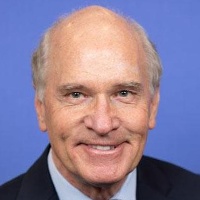
This Act establishes a pathway for eligible Ukrainian nationals paroled into the U.S. since February 20, 2014, to apply for lawful permanent resident status without paying application fees.
William Keating
Representative
MA
William Keating
Representative
MA
The Ukrainian Adjustment Act of 2025 establishes a pathway for eligible Ukrainian nationals, paroled into the U.S. after February 20, 2014, to apply for lawful permanent resident status (a Green Card). This process requires rigorous security vetting and allows the Secretary of Homeland Security broad waiver authority for most inadmissibility grounds, excluding certain post-2014 criminal activity. Approved applicants will have their status adjusted retroactively to their date of parole, and the application process will be fee-free.
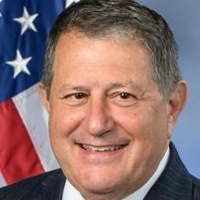
This bill designates the United States Postal Service facility located at 216 Cumberland Street in Rochester, New York, as the "Minister Franklin Florence Memorial Post Office."
Joseph Morelle
Representative
NY
Joseph Morelle
Representative
NY
This bill officially designates the United States Postal Service facility located at 216 Cumberland Street in Rochester, New York, as the "Minister Franklin Florence Memorial Post Office." All official government records and documents will reflect this new name moving forward.
The Better CARE for Animals Act of 2025 strengthens the enforcement of the Animal Welfare Act by expanding investigative authority, establishing new civil penalties up to \$10,000 per day, and explicitly granting the Attorney General power to file civil actions, including seeking seizure and forfeiture of animals.

Nicole Malliotakis
Representative
NY
Nicole Malliotakis
Representative
NY
The Better CARE for Animals Act of 2025 significantly strengthens enforcement of the Animal Welfare Act by clarifying definitions and expanding the scope of investigations. It grants the Attorney General explicit authority to file civil actions seeking penalties up to $10,000 per day, and mandates that collected fines help cover temporary animal care costs. The bill also requires the Secretary of Agriculture and the Attorney General to establish a formal agreement for coordinated enforcement.
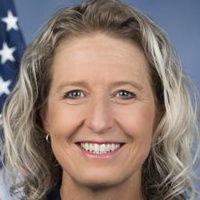
This resolution calls on North Korea to immediately release all abducted foreign nationals, return remains, and apologize for the decades-long practice of abducting Japanese citizens.
Jennifer Kiggans
Representative
VA
Jennifer Kiggans
Representative
VA
This resolution formally expresses the U.S. Congress's unwavering stance demanding that North Korea immediately resolve the long-standing issue of abducted Japanese citizens. It calls upon North Korea to return all foreign nationals, provide information on the deceased, offer restitution to the families, and issue a full apology. The bill emphasizes that these abductions are a grave violation of fundamental human rights and international law.
The Equality Act comprehensively prohibits discrimination based on sex, sexual orientation, and gender identity across key areas including public accommodations, employment, housing, credit, and jury service.
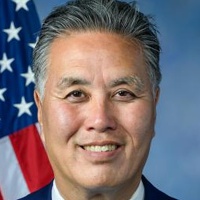
Mark Takano
Representative
CA
Mark Takano
Representative
CA
The Equality Act comprehensively expands federal civil rights protections against discrimination based on sex, sexual orientation, and gender identity across key areas of American life. It amends existing laws to prohibit discrimination in public accommodations, housing, credit, employment, and federal funding. The purpose of the bill is to provide consistent, explicit, and comprehensive remedies for individuals facing bias in these essential sectors.
This bill repeals the Arctic National Wildlife Refuge oil and gas program and designates over 1.5 million acres of the refuge as protected wilderness.
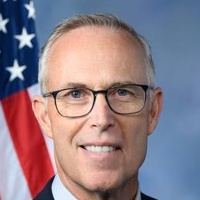
Jared Huffman
Representative
CA
Jared Huffman
Representative
CA
The Arctic Refuge Protection Act officially repeals the previous law authorizing oil and gas leasing in the Arctic National Wildlife Refuge. This legislation simultaneously designates approximately 1.56 million acres within the Refuge as protected wilderness under the National Wilderness Preservation System. The Secretary of the Interior is now required to manage this newly designated land according to strict wilderness preservation standards.
This Act directs the Assistant Secretary of Commerce for Travel and Tourism to actively promote domestic and international travel to U.S. music-related locations and events.

Diana Harshbarger
Representative
TN
Diana Harshbarger
Representative
TN
The American Music Tourism Act of 2025 directs the Assistant Secretary of Commerce for Travel and Tourism to actively promote domestic and international travel focused on U.S. music heritage and events. This includes identifying key music tourism locations and streamlining international visitor access to these sites. The Act also establishes new biennial reporting requirements to Congress detailing progress on these tourism goals.
The **Protecting America’s Workers Act** significantly expands OSHA coverage to public employees, strengthens whistleblower protections, increases penalties for safety violations, and tightens federal oversight of state safety plans.
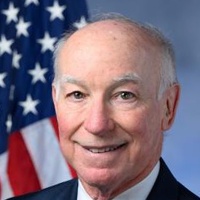
Joe Courtney
Representative
CT
Joe Courtney
Representative
CT
The **Protecting America’s Workers Act** significantly expands OSHA coverage to include public employees, strengthens whistleblower protections by lowering the burden of proof for workers and increasing remedies for retaliation, and mandates stricter reporting, increased penalties, and greater transparency for workplace safety violations. The bill also tightens federal oversight of state-run safety plans and enhances NIOSH's role in hazard evaluation and safety training.
This bill limits the Social Security Administration's recovery of benefit overpayments to a maximum of 10 percent of a monthly benefit unless the recipient agrees to a higher withholding rate.
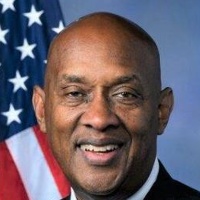
Dwight Evans
Representative
PA
Dwight Evans
Representative
PA
This bill amends the Social Security Act to limit the amount the Social Security Administration can withhold from a person's monthly benefit to recover an overpayment. Unless the individual agrees to a higher rate, the SSA can withhold no more than 10 percent of a monthly benefit payment to recoup accidental overpayments. This new limit applies to existing and future unrecovered overpayments under Title II benefits.
This Act permits the mailing of alcoholic beverages through the USPS under specific conditions and new USPS regulations, while respecting existing state and local laws.
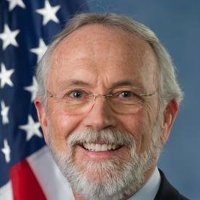
Dan Newhouse
Representative
WA
Dan Newhouse
Representative
WA
The United States Postal Service Shipping Equity Act amends federal law to permit the mailing of alcoholic beverages through the USPS under strict new regulations. These regulations will require age verification upon delivery, restrict shipments to personal use, and mandate that shippers be registered entities. This change does not preempt any existing state or local laws regarding alcohol sales or shipment.