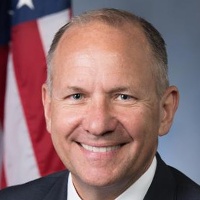
Legislative Activity
Track Lloyd's sponsored bills, co-sponsored legislation, and voting record
The Heartbeat Protection Act of 2025 prohibits physicians from performing abortions once a fetal heartbeat is detectable, subject to specific exceptions and federal penalties.

Mike Kelly
Representative
PA
Mike Kelly
Representative
PA
The Heartbeat Protection Act of 2025 prohibits physicians from performing an abortion if a fetal heartbeat is detectable, subject to specific exceptions for medical emergencies, rape, and incest. Physicians who knowingly violate this federal law face potential fines and imprisonment, though the legislation explicitly protects the mother from prosecution. The bill also mandates strict documentation and record-keeping requirements for all heartbeat determinations and exception claims.
This bill prohibits federal funding for abortions and for health insurance plans that cover abortions, clarifies these prohibitions under the Affordable Care Act, and requires health plans to disclose the extent of their abortion coverage and any related surcharges.
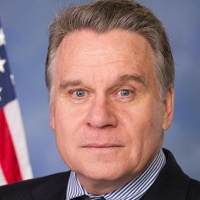
Christopher Smith
Representative
NJ
Christopher Smith
Representative
NJ
The "No Taxpayer Funding for Abortion and Abortion Insurance Full Disclosure Act of 2025" seeks to prohibit the use of federal funds for abortions and for health plans that cover abortions, while allowing individuals and entities to purchase separate abortion coverage with non-federal funds. It clarifies that premium tax credits and cost-sharing reductions under the Affordable Care Act (ACA) cannot be used for health plans that include abortion coverage. The Act also revises notice requirements for health plans, mandating clear disclosure of abortion coverage and any associated premium surcharges to enrollees. Exceptions to the funding restrictions are included for cases of rape, incest, or when the mother's life is in danger.
This bill amends the Convention on Cultural Property Implementation Act to establish clear definitions and streamlined import procedures for the lawful trade and collection of numismatic materials.

Beth Van Duyne
Representative
TX
Beth Van Duyne
Representative
TX
This bill amends the Convention on Cultural Property Implementation Act to simplify the legal import of numismatic materials, such as coins and medals. It establishes a clear definition for these collectibles and creates a streamlined process for their entry into the U.S. through a sworn declaration of lawful acquisition. By reducing documentation requirements, the legislation aims to facilitate the lawful trade and collecting of these items while maintaining safeguards against illicit excavations.
The ALIGN Act permanently establishes 100 percent bonus depreciation for qualified business property, eliminating scheduled phase-downs to encourage long-term capital investment.
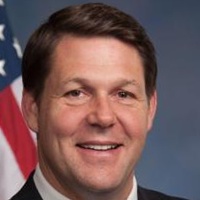
Jodey Arrington
Representative
TX
Jodey Arrington
Representative
TX
The ALIGN Act makes 100% "bonus depreciation" permanent for qualified business property, eliminating scheduled phase-downs to encourage long-term capital investment. By allowing businesses to fully expense these investments immediately, the bill provides a consistent tax incentive for growth. These changes apply retroactively to ensure stability for businesses that have invested in equipment and property since 2017.
The Defending American Jobs and Investment Act establishes a retaliatory tax and enforcement framework to penalize foreign countries that impose extraterritorial or discriminatory taxes on U.S. businesses and individuals.
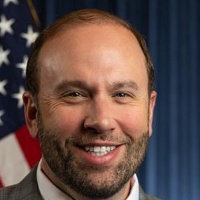
Jason Smith
Representative
MO
Jason Smith
Representative
MO
The Defending American Jobs and Investment Act establishes a formal enforcement mechanism to counter foreign taxes that are extraterritorial or discriminatory toward U.S. interests. The bill mandates that the Treasury Secretary identify offending countries and engage in bilateral negotiations to seek the repeal of these taxes. Should these policies persist, the Act authorizes escalating retaliatory measures, including increased U.S. tax rates for citizens and corporations of the offending nation, as well as potential federal procurement restrictions.
The Chiropractic Medicare Coverage Modernization Act of 2025 expands Medicare coverage to include all services provided by doctors of chiropractic that are within the scope of their state licensure.
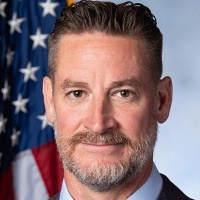
W. Steube
Representative
FL
W. Steube
Representative
FL
The Chiropractic Medicare Coverage Modernization Act of 2025 expands Medicare coverage to include all services legally authorized under a chiropractor’s state license, moving beyond the current restriction limited to manual spinal manipulation. This legislation aligns Medicare benefits with private insurance and other federal health programs to better reflect modern chiropractic practice. To provide these expanded services, chiropractors will be required to complete a one-time training program verified by the Secretary of Health and Human Services.
This legislation permanently increases the standard deduction for head of household and single filers while establishing a new formula for annual inflation adjustments.

Max Miller
Representative
OH
Max Miller
Representative
OH
The Permanent Tax Cuts for American Families Act of 2025 permanently increases the standard deduction for head of household and single filers. This legislation also establishes a new formula for annual inflation adjustments to ensure these deduction amounts remain current. These changes take effect for taxable years beginning after the date of enactment.
* **Title I:** Reduces taxes on Taiwanese residents and businesses operating in the U.S., contingent upon Taiwan offering reciprocal benefits to U.S. individuals and companies. * **Title II:** Authorizes the President to negotiate a tax agreement with Taiwan to avoid double taxation, subject to Congressional approval and adherence to U.S. tax laws.
Jason Smith
Representative
MO
Jason Smith
Representative
MO
The United States-Taiwan Expedited Double-Tax Relief Act aims to reduce double taxation and encourage economic activity between the U.S. and Taiwan by lowering tax rates on certain income for Taiwanese residents and businesses in the U.S., contingent upon Taiwan offering reciprocal benefits to U.S. individuals and companies. Additionally, the United States-Taiwan Tax Agreement Authorization Act outlines the process for establishing a tax agreement with Taiwan, ensuring congressional oversight and adherence to existing U.S. tax laws, to further reduce double taxation.
This bill nullifies the recent federal rule restricting short-term, limited-duration insurance plans, thereby preserving broader access to these coverage options.
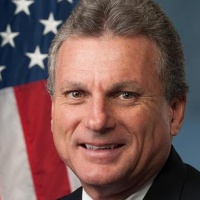
Earl Carter
Representative
GA
Earl Carter
Representative
GA
The Healthcare Freedom and Choice Act nullifies a recent federal rule that restricted the availability of short-term, limited-duration insurance plans. By overturning this regulation, the bill ensures that these alternative health insurance options remain accessible to consumers, regardless of their compliance with Affordable Care Act mandates.
The Small Business Growth Act increases the Section 179 expensing limits for qualifying business assets and implements annual inflation adjustments to support small business investment.
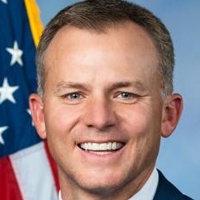
Blake Moore
Representative
UT
Blake Moore
Representative
UT
The Small Business Growth Act supports business investment by doubling the maximum immediate tax deduction for qualifying equipment and property purchases from $1 million to $2 million. It also raises the phase-out threshold to $3.5 million and implements annual inflation adjustments starting in 2026 to ensure these benefits keep pace with the economy.
The Legal Workforce Act mandates that all U.S. employers use a phased-in electronic verification system to confirm the employment eligibility of all new and existing employees.
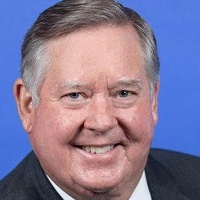
Ken Calvert
Representative
CA
Ken Calvert
Representative
CA
The Legal Workforce Act mandates that all U.S. employers use a new, electronic verification system to confirm the work eligibility of every new hire. This legislation replaces the existing E-Verify program with a phased-in, mandatory process that requires employers to verify both identity and work authorization for all employees. Additionally, the bill increases penalties for hiring unauthorized workers, establishes new fraud prevention measures, and preempts state laws to create a uniform national employment verification policy.
The Regulations from the Executive in Need of Scrutiny (REINS) Act of 2025 increases congressional accountability by requiring federal agencies to obtain legislative approval for all "major" rules before they can take effect.
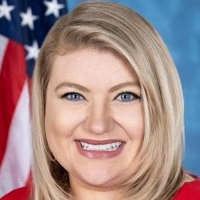
Katherine Cammack
Representative
FL
Katherine Cammack
Representative
FL
The Regulations from the Executive in Need of Scrutiny (REINS) Act of 2025 aims to increase federal regulatory accountability by requiring Congress to approve any "major" rule before it can take effect. Under this legislation, rules with a significant economic impact require a joint resolution of approval from both chambers of Congress to become law. By shifting this authority back to the legislative branch, the Act seeks to ensure greater transparency and oversight of the federal rulemaking process.
The FIND Act prohibits federal agencies from contracting with entities that discriminate against the firearm and ammunition industry, ensuring fair access to government contracts for these businesses. Contractors must certify they do not discriminate against firearm entities, with violations leading to contract termination.
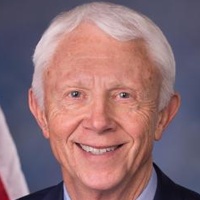
Jack Bergman
Representative
MI
Jack Bergman
Representative
MI
The FIND Act prohibits federal agencies from contracting with entities that discriminate against the firearm and ammunition industry. It requires federal contractors to certify they do not discriminate against firearm entities and prohibits them from awarding subcontracts to entities that do not provide a similar certification. Violations of these clauses will result in contract termination. The act defines "discriminate" as making judgments or refusing/limiting services based on biased criteria, rather than case-by-case evaluations, empirical data, financial risk, or legal non-compliance.