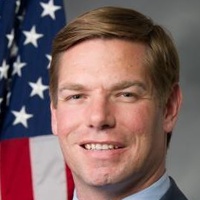
Legislative Activity
Track Eric's sponsored bills, co-sponsored legislation, and voting record
This bill prohibits the use of federal funds to implement Executive Order 14160, which sought to limit birthright citizenship guaranteed by the Fourteenth Amendment.
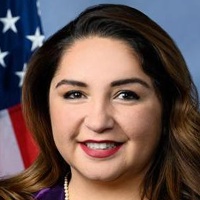
Delia Ramirez
Representative
IL
Delia Ramirez
Representative
IL
The Born in the USA Act of 2025 declares that Executive Order 14160, which attempted to restrict birthright citizenship, is unconstitutional and contrary to the 14th Amendment. This Act prohibits the use of any federal funds to implement or enforce that Executive Order. It affirms the established constitutional right to birthright citizenship for nearly everyone born on U.S. soil.
This Act prohibits the advertising and provision of paid conversion therapy intended to change an individual's sexual orientation or gender identity, empowering the FTC and State Attorneys General to enforce these prohibitions.
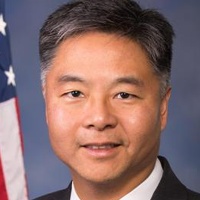
Ted Lieu
Representative
CA
Ted Lieu
Representative
CA
The Therapeutic Fraud Prevention Act of 2025 declares that practices attempting to change an individual's sexual orientation or gender identity for payment constitute an unfair and deceptive business practice. Citing professional consensus on the ineffectiveness and harm of such "conversion therapy," the bill prohibits its provision and advertising. Enforcement authority is granted to the Federal Trade Commission (FTC), and the law allows both the U.S. Attorney General and State Attorneys General to file civil actions against violators.
The ACES Act mandates a National Academies study on cancer prevalence and mortality among active duty fixed-wing aircraft crew members and extends certain pension payment limits.
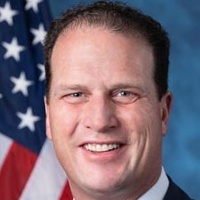
August Pfluger
Representative
TX
August Pfluger
Representative
TX
The ACES Act mandates a comprehensive study by the National Academies to investigate the prevalence and mortality rates of various cancers among active duty fixed-wing aircraft crew members due to potential service-related exposures. This legislation also extends the expiration date for certain limitations on veteran pension payments by one month. The study will analyze specific cancer types and utilize data from the VA, DoD, and other federal sources.
This Act significantly boosts tax credits and tightens domestic sourcing requirements for battery manufacturing and critical minerals to strengthen the U.S. supply chain.
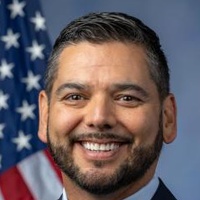
Raul Ruiz
Representative
CA
Raul Ruiz
Representative
CA
The Critical Minerals and Manufacturing Support Act significantly enhances the advanced manufacturing tax credit for battery production by increasing incentives for domestic and allied sourcing. This legislation raises the credit rate for electrode materials and tightens sourcing requirements, mandating that a rising percentage of critical minerals and component value originate from the U.S. or free-trade partners. Furthermore, it explicitly disqualifies components tied to "foreign entities of concern" from receiving these federal manufacturing incentives.
This resolution recognizes the 50th anniversary of the Fall of Saigon, honoring the history, service, and contributions of Vietnamese Americans while reaffirming U.S. commitment to democracy and human rights.
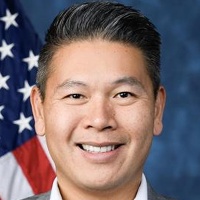
Derek Tran
Representative
CA
Derek Tran
Representative
CA
This resolution commemorates the 50th anniversary of the Fall of Saigon and recognizes the profound contributions of Vietnamese Americans to the United States. It honors those who fled the communist regime after April 30, 1975, and reaffirms American commitment to democracy and human rights. The bill encourages all citizens to observe this anniversary and remember the sacrifices made in the pursuit of freedom.
The Better CARE for Animals Act of 2025 strengthens the enforcement of the Animal Welfare Act by expanding investigative authority, establishing new civil penalties up to \$10,000 per day, and explicitly granting the Attorney General power to file civil actions, including seeking seizure and forfeiture of animals.
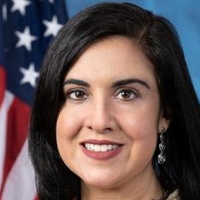
Nicole Malliotakis
Representative
NY
Nicole Malliotakis
Representative
NY
The Better CARE for Animals Act of 2025 significantly strengthens enforcement of the Animal Welfare Act by clarifying definitions and expanding the scope of investigations. It grants the Attorney General explicit authority to file civil actions seeking penalties up to $10,000 per day, and mandates that collected fines help cover temporary animal care costs. The bill also requires the Secretary of Agriculture and the Attorney General to establish a formal agreement for coordinated enforcement.
This bill bans the manufacture, sale, and transfer of specific semiautomatic assault weapons and large-capacity ammunition feeding devices while grandfathering existing possessions and establishing new transfer requirements.
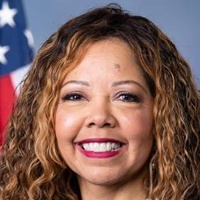
Lucy McBath
Representative
GA
Lucy McBath
Representative
GA
The Assault Weapons Ban of 2025 comprehensively defines and bans the manufacture, sale, and transfer of specific semiautomatic assault weapons and large capacity ammunition feeding devices. The bill grandfathers existing weapons but imposes new requirements for their secure storage and mandates dealer involvement for future private transfers. It also allows federal grant money to be used by states for buy-back programs targeting these banned items.
The FAIR Fleets Act mandates the Postal Service to modernize its vehicle fleet and establish a fair distribution plan prioritizing underserved and rural areas, supported by annual reporting to Congress.
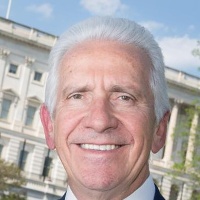
Jim Costa
Representative
CA
Jim Costa
Representative
CA
The Fair Allocation and Improvement of Regional Fleets Act (FAIR Fleets Act) mandates that the U.S. Postal Service modernize its vehicle fleet with environmentally friendly options and ensure a fair distribution of vehicles nationwide. This law requires the USPS to prioritize underserved and rural areas when allocating its fleet resources. Furthermore, the Postal Service must submit annual reports to Congress detailing fleet locations and actions taken to improve service equity.
The Equality Act comprehensively prohibits discrimination based on sex, sexual orientation, and gender identity across key areas including public accommodations, employment, housing, credit, and jury service.
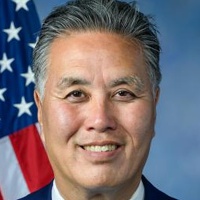
Mark Takano
Representative
CA
Mark Takano
Representative
CA
The Equality Act comprehensively expands federal civil rights protections against discrimination based on sex, sexual orientation, and gender identity across key areas of American life. It amends existing laws to prohibit discrimination in public accommodations, housing, credit, employment, and federal funding. The purpose of the bill is to provide consistent, explicit, and comprehensive remedies for individuals facing bias in these essential sectors.
This bill establishes a universal, comprehensive national health insurance program called "Medicare for All" that eliminates patient cost-sharing and transitions the nation away from private insurance duplication.

Pramila Jayapal
Representative
WA
Pramila Jayapal
Representative
WA
The Medicare for All Act establishes a universal, nationwide health insurance program providing comprehensive coverage for all U.S. residents with no out-of-pocket costs. It fundamentally restructures healthcare financing by implementing global budgets for institutions and a new fee schedule for individuals, while phasing out existing federal programs like Medicare and Medicaid. The legislation also sets strict quality standards for providers and creates a dedicated Trust Fund to manage the system's finances.
This Act mandates the CPSC to quickly establish federal safety standards for lithium-ion batteries used in small electric vehicles and personal mobility devices based on existing industry guidelines.
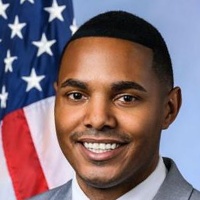
Ritchie Torres
Representative
NY
Ritchie Torres
Representative
NY
The Setting Consumer Standards for Lithium-Ion Batteries Act mandates the Consumer Product Safety Commission (CPSC) to rapidly adopt key industry standards as federal safety rules for lithium-ion batteries in small electric vehicles and personal mobility devices. This legislation ensures these standards automatically update to the newest industry revisions unless the CPSC finds a revision compromises safety. Furthermore, the CPSC must report to Congress five years after enactment regarding battery hazards and compliance.
The California Clean Coast Act of 2025 permanently prohibits new oil and gas leasing and related activities on the Outer Continental Shelf off the coast of California while preserving existing leases.
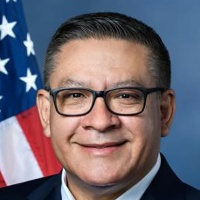
Salud Carbajal
Representative
CA
Salud Carbajal
Representative
CA
The California Clean Coast Act of 2025 permanently prohibits all new federal oil and gas leasing and related activities on the outer Continental Shelf off the coast of California. This measure ensures no future drilling permits can be issued in these sensitive waters. However, the Act explicitly preserves the rights of any existing oil and gas leases already in effect.
This bill clarifies the appointment process, mandates the assignment of permanent staff and resources, and reorganizes the structure of the Department of Homeland Security's Officer for Civil Rights and Civil Liberties.
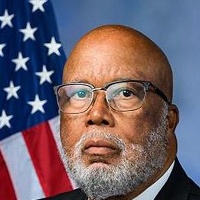
Bennie Thompson
Representative
MS
Bennie Thompson
Representative
MS
This Act officially establishes the **Department of Homeland Security Officer for Civil Rights and Civil Liberties Act**. It clarifies the appointment process for the DHS Officer for Civil Rights and Civil Liberties and mandates that the Secretary of Homeland Security provide the Officer with necessary permanent staff and resources. The changes ensure the Officer has the support required to fulfill their duties within the department.
This Act permanently prohibits new oil and gas exploration, development, and production on the Outer Continental Shelf off the coasts of California, Oregon, and Washington.
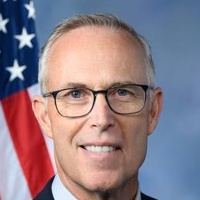
Jared Huffman
Representative
CA
Jared Huffman
Representative
CA
The West Coast Ocean Protection Act of 2025 permanently prohibits all new oil and gas exploration, development, and production on the Outer Continental Shelf off the coasts of California, Oregon, and Washington. This legislation specifically bans the Secretary of the Interior from issuing any new leases or permissions for drilling activities in designated planning areas. The goal is to secure long-term protection for these vital West Coast marine environments.
This resolution supports designating April 10th as "Dolores Huerta Day" to honor the lifelong accomplishments and legacy of the trailblazing labor and civil rights leader.
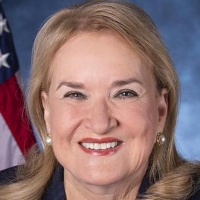
Sylvia Garcia
Representative
TX
Sylvia Garcia
Representative
TX
This resolution supports the designation of April 10th as "Dolores Huerta Day" to honor her legacy as a trailblazing labor and civil rights leader. It recognizes her foundational work co-founding the United Farm Workers and her lifelong fight for economic justice, workers' rights, and equality. The bill formally celebrates her accomplishments without creating new laws or programs.
The "Strengthening State and Local Efforts to Counter Transnational Repression Act" enhances law enforcement training and coordination to combat transnational repression activities targeting individuals in the U.S.
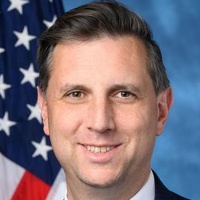
Seth Magaziner
Representative
RI
Seth Magaziner
Representative
RI
The "Strengthening State and Local Efforts to Counter Transnational Repression Act" amends the Homeland Security Act of 2002 to bolster law enforcement's ability to counter transnational repression and related terrorism threats. It mandates the development of a training program for state, local, and tribal law enforcement to identify, record, and share information on transnational repression, as well as to protect potential targets and victims. The Act also calls for research and development of technology to enhance participation in these training programs and requires a report to Congress on its implementation. Transnational repression is defined as actions by a foreign government or its agents intended to coerce, harass, or threaten individuals in the U.S.
This act bans bump stocks and similar devices that increase the firing rate of semi-automatic firearms, requiring registration for any previously modified weapons.
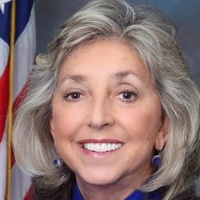
Dina Titus
Representative
NV
Dina Titus
Representative
NV
The Closing the Bump Stock Loophole Act of 2025 seeks to amend federal gun laws by banning devices and modifications that significantly increase the rate of fire of semiautomatic firearms, effectively treating them like machineguns. The bill specifically prohibits the manufacture, sale, or possession of such accessories and modified firearms after 120 days of enactment. Existing owners of previously modified firearms must register them under the National Firearms Act within that same timeframe to legally keep them.
This bill establishes the American Family Act, which revamps the Child Tax Credit into a system of refundable monthly advance payments for qualifying children and a separate credit for other dependents.

Rosa DeLauro
Representative
CT
Rosa DeLauro
Representative
CT
The American Family Act fundamentally overhauls the Child Tax Credit by replacing the annual lump sum with a system of advance, refundable monthly payments delivered directly to families. These monthly allowances vary based on the child's age, with higher amounts provided for younger children. The bill also establishes a separate, smaller credit for other dependents and outlines procedures for annual renewal and reconciliation of advance payments when filing taxes.
This Act establishes federal minimum standards for public employee collective bargaining rights, allowing states to maintain their own laws if they meet or exceed these standards, otherwise the Federal Labor Relations Authority will enforce federal rules.
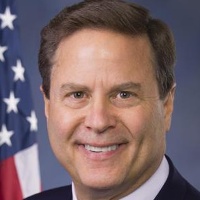
Donald Norcross
Representative
NJ
Donald Norcross
Representative
NJ
The Public Service Freedom to Negotiate Act of 2025 establishes federal minimum standards for collective bargaining rights for public employees across the nation. It requires the Federal Labor Relations Authority (FLRA) to review state laws to ensure they substantially provide these minimum rights, including the right to organize and bargain collectively. If a state fails to meet these standards, the FLRA will administer federal labor relations rules for the uncovered employees. The Act also prohibits strikes or lockouts that would measurably disrupt emergency or public safety services.
The Affordable Housing Credit Improvement Act of 2025 updates state allocation formulas, reforms tenant eligibility and credit determination rules, and enhances assistance for Native American and rural housing projects.
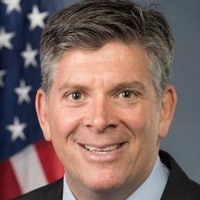
Darin LaHood
Representative
IL
Darin LaHood
Representative
IL
The Affordable Housing Credit Improvement Act of 2025 updates federal housing tax credit allocations to reflect current economic realities and boosts minimum state allotments. It reforms tenant eligibility rules to stabilize tenancy and enhance protections for vulnerable residents, including victims of abuse. The bill also provides disaster relief for property owners, increases incentives for housing the extremely low-income, and directs greater resources toward Native American and rural housing needs. Finally, it streamlines administrative processes and signals a future focus on data transparency and discouraging restrictive local zoning.