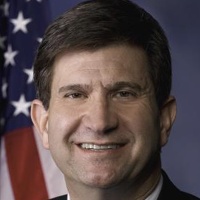
Legislative Activity
Track Brad's sponsored bills, co-sponsored legislation, and voting record
This bill establishes a mandatory supply fee paid by Medicare drug plans to long-term care pharmacies for specific prescriptions in 2026 and 2027, while also mandating a GAO study on the financial sustainability of the current payment system.
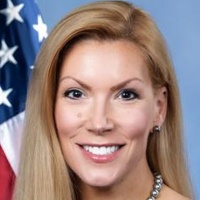
Beth Van Duyne
Representative
TX
Beth Van Duyne
Representative
TX
This Act establishes a mandatory supply fee for Medicare drug plans to pay long-term care pharmacies for specific prescriptions dispensed in 2026 and 2027. The bill mandates a $30 fee per prescription in 2026, increasing in 2027, with penalties for non-payment. Additionally, the GAO is required to study the financial sustainability of the current payment structure for these essential pharmacies. This legislation aims to ensure continued access to medications for patients in long-term care settings.
The SUN Act mandates timely and detailed congressional reporting and oversight for the domestic deployment of National Guard and reserve forces by the President, excluding deployments solely for natural disaster relief.
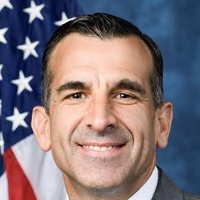
Sam Liccardo
Representative
CA
Sam Liccardo
Representative
CA
The Safeguarding the Use of the National Guard Act (SUN Act) enhances Congressional oversight of the President's domestic deployment of National Guard and reserve forces. It requires the President to submit a detailed report to Congress within 15 days outlining the legal justification, goals, costs, and impact of any domestic deployment. This reporting requirement is waived only when reserve forces are deployed specifically following a Presidential declaration under the Robert T. Stafford Act for a natural disaster.
This resolution terminates the President's declared crime emergency in the District of Columbia, asserting that the emergency is unwarranted and the legal basis for federal MPD control is flawed.
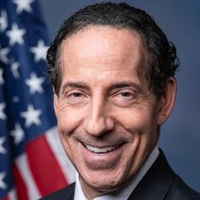
Jamie Raskin
Representative
MD
Jamie Raskin
Representative
MD
This resolution terminates the President's August 11, 2025, declaration of a crime emergency in the District of Columbia. Congress asserts that the President lacks the legal authority under the D.C. Home Rule Act to take operational control of the Metropolitan Police Department. Furthermore, the bill notes that local violent crime rates have been declining significantly.
This bill mandates that the Social Security Administration provide clearer, earlier notifications about Medicare eligibility, penalties, and coordination of benefits within Social Security statements for individuals approaching retirement age.
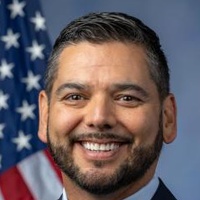
Raul Ruiz
Representative
CA
Raul Ruiz
Representative
CA
The Beneficiary Enrollment Notification and Eligibility Simplification 2.0 Act (BENES 2.0 Act) mandates that the Social Security Administration proactively inform individuals approaching retirement age about their Medicare eligibility. This is achieved by including a standardized, comprehensive notice about Medicare basics, penalties, and coordination with other insurance within their Social Security statements starting at age 60. The goal is to ensure beneficiaries receive critical enrollment information early enough to avoid late enrollment penalties. The required notice content will be developed in consultation with various stakeholder groups and reviewed regularly for updates.
This act mandates that the Department of Veterans Affairs must provide abortion care, counseling, and related services and medication to eligible veterans and certain other individuals.
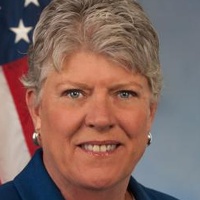
Julia Brownley
Representative
CA
Julia Brownley
Representative
CA
The Reproductive Freedom for Veterans Act mandates that the Department of Veterans Affairs (VA) must now provide abortion care, counseling, and related medication as part of the medical services offered to eligible veterans and certain other beneficiaries. This legislation formally amends existing VA health care provisions to include these reproductive health services.
This Act mandates that the U.S. government's annual human rights reports abroad must include detailed findings on the status of reproductive rights, aligning U.S. foreign policy with international human rights standards.
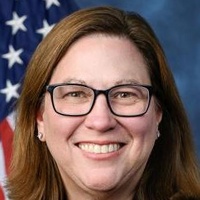
Julie Johnson
Representative
TX
Julie Johnson
Representative
TX
The Reproductive Rights are Human Rights Act of 2025 establishes that reproductive rights are fundamental human rights based on international commitments. This bill mandates that the State Department must include a detailed, required section on the status of reproductive rights in every country within its annual human rights reports. These reports must cover access to contraception, abortion services, and instances of reproductive coercion or discrimination against marginalized groups. The Act aims to ensure robust U.S. monitoring and accountability regarding global reproductive health and autonomy.
This bill repeals specific prior health reconciliation provisions and expands eligibility for the Premium Tax Credit by removing the 400% income cap and adjusting the subsidy calculation formula.
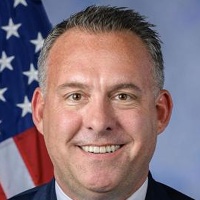
Adam Gray
Representative
CA
Adam Gray
Representative
CA
The Protecting Health Care and Lowering Costs Act of 2025 repeals specific prior reconciliation health provisions. This bill significantly expands eligibility for the Premium Tax Credit by eliminating the 400% Federal Poverty Level income cap. It also updates the subsidy calculation formula to ensure a smoother, linear adjustment of assistance across various income levels.
This act repeals the prohibition on Medicaid payments to certain healthcare entities and mandates retroactive payment for services already rendered under the repealed ban.
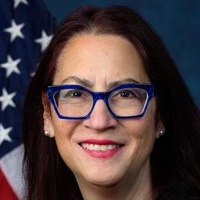
Laura Friedman
Representative
CA
Laura Friedman
Representative
CA
The Restoring Essential Healthcare Act repeals an outdated ban that prevented Medicaid from making payments to certain healthcare providers. This legislation ensures that these previously prohibited entities will now be reimbursed for medical services rendered between the enactment of the original ban and the passage of this Act. In short, it restores payment eligibility and retroactively covers past services.
This bill officially renames the Department of Veterans Affairs community-based outpatient clinic in Bloomington, Illinois, to the "Andrew Jackson Smith Medal of Honor Department of Veterans Affairs Clinic."
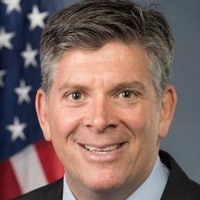
Darin LaHood
Representative
IL
Darin LaHood
Representative
IL
This bill officially renames the Department of Veterans Affairs community-based outpatient clinic in Bloomington, Illinois. The facility will now be known as the "Andrew Jackson Smith Medal of Honor Department of Veterans Affairs Clinic." This action honors Civil War hero Corporal Andrew Jackson Smith for his exceptional bravery at the Battle of Honey Hill.
This bill establishes a new system for distributing up to 2,000 additional Medicare-funded residency positions annually from 2026 through 2032, prioritizing hospitals serving underserved areas, and mandates a study on strategies to increase workforce diversity.
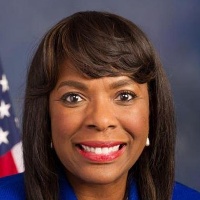
Terri Sewell
Representative
AL
Terri Sewell
Representative
AL
The Resident Physician Shortage Reduction Act of 2025 establishes a structured process for distributing up to 2,000 additional, federally funded residency positions annually between fiscal years 2026 and 2032. This distribution prioritizes hospitals serving in underserved areas, those already training above their limit, and those committed to primary care and general surgery training. The bill also mandates a study and report by the Comptroller General on effective strategies to increase diversity within the health professional workforce.
This act prohibits the imposition or continuation of emergency-related import duties on essential baby safety items, including strollers, car seats, and baby carriers.
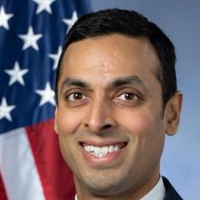
Suhas Subramanyam
Representative
VA
Suhas Subramanyam
Representative
VA
The Baby Safety Tax Relief Act prohibits the President from imposing or continuing any special import duties on essential baby safety items, including strollers, car seats, and baby carriers. This law specifically blocks the use of emergency powers, like the International Emergency Economic Powers Act (IEEPA), to tax these necessary goods. The goal is to ensure these critical items remain affordable by preventing new or existing emergency-related tariffs.
This Act prohibits the imposition or continuation of any duties on specified baby clothing items under the authority of the International Emergency Economic Powers Act (IEEPA) or similar legal authorities.
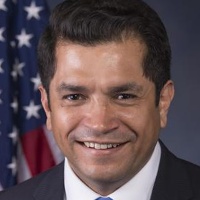
Jimmy Gomez
Representative
CA
Jimmy Gomez
Representative
CA
The Baby Clothing Tax Relief Act prohibits the President from imposing new or continuing existing duties on specific baby clothing items using the authority granted under the International Emergency Economic Powers Act (IEEPA). This legislation specifically protects a defined list of essential baby apparel, such as onesies, socks, and hats, from these types of emergency economic taxes. The goal is to prevent tariffs on these necessary goods.
This Act prohibits the imposition or continuation of emergency import duties on essential baby hygiene items like diapers, wipes, and baby soap.
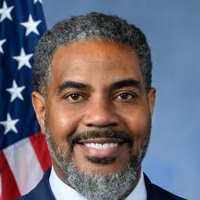
Steven Horsford
Representative
NV
Steven Horsford
Representative
NV
The Baby Hygiene Tax Relief Act prohibits the President from imposing new or continuing existing import duties on essential baby hygiene items, such as diapers and wipes, under the authority of the International Emergency Economic Powers Act (IEEPA). This legislation ensures that these necessary products are not subject to emergency-related tariffs. Furthermore, it nullifies any similar taxes imposed using alternative legal authorities.
This Act prohibits the President from imposing new or continuing existing duties on essential baby items like formula, bottles, and breast pumps under the International Emergency Economic Powers Act.
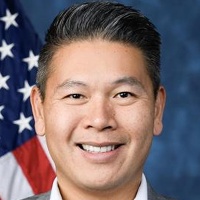
Derek Tran
Representative
CA
Derek Tran
Representative
CA
The Baby Food Tax Relief Act explicitly prohibits the President from imposing new or existing tariffs or duties on essential baby items like bottles, formula, and breast pumps using the International Emergency Economic Powers Act (IEEPA) or similar authorities. This legislation ensures that these necessary goods remain free from such taxation.
This Act prohibits the imposition or continuation of any duties on essential baby sleep items, such as cribs, mattresses, and monitors, enacted under the International Emergency Economic Powers Act.
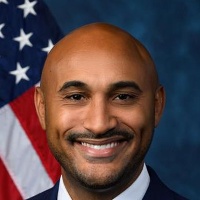
Shomari Figures
Representative
AL
Shomari Figures
Representative
AL
The Baby Sleep Tax Relief Act prohibits the President from imposing new or continuing existing duties on essential baby sleep items, such as cribs, mattresses, and monitors, under the authority of the International Emergency Economic Powers Act (IEEPA). This legislation ensures that these necessary items are not subject to additional tariffs imposed through that specific executive power.
This Act prohibits insurance companies from discriminating against living organ donors when issuing life, disability, or long-term care policies and mandates the updating of educational materials regarding donation risks and insurance implications.
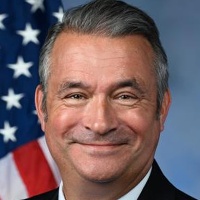
Don Bacon
Representative
NE
Don Bacon
Representative
NE
The Living Donor Protection Act of 2025 prohibits life, disability, and long-term care insurance companies from denying coverage or increasing premiums solely because an individual is a living organ donor. This legislation ensures that living donors are not financially penalized for their altruistic act. Additionally, the bill requires the Secretary of HHS to update educational materials to accurately reflect the insurance protections afforded to living donors.
This bill establishes a State judicial threat intelligence and resource center to monitor threats, coordinate security, and report on incidents targeting state and local judges and court staff.
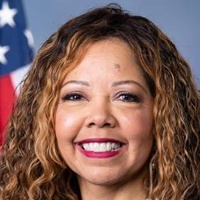
Lucy McBath
Representative
GA
Lucy McBath
Representative
GA
This bill establishes a new State judicial threat intelligence and resource center to enhance the security of state and local judges and court staff. The center will provide training, monitor threats, standardize reporting, and create a national database for incidents against the judiciary. It also requires annual reporting to Congress on the number and severity of threats received.
This constitutional amendment prohibits immunity from criminal prosecution for federal officials based on their official duties and bars the President from self-pardoning.
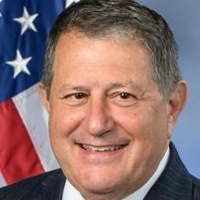
Joseph Morelle
Representative
NY
Joseph Morelle
Representative
NY
This proposed constitutional amendment would eliminate immunity from criminal prosecution for federal officials, including the President, based on their official duties. It also explicitly prohibits the President from issuing a self-pardon for any federal crimes. If ratified, these changes would take effect immediately.
The EACH Act of 2025 mandates that all federally funded health programs and facilities must cover and provide abortion services, while also prohibiting federal interference with private insurance coverage.
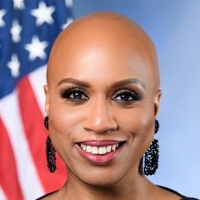
Ayanna Pressley
Representative
MA
Ayanna Pressley
Representative
MA
The EACH Act of 2025 aims to ensure equal access to abortion coverage by requiring all federally funded health programs and facilities to cover abortion services. This legislation prohibits federal interference with state or private insurance coverage of abortion and repeals Section 1303 of the Affordable Care Act. Ultimately, the bill seeks to eliminate financial and insurance barriers to abortion care, particularly for low-income individuals relying on programs like Medicaid.
This bill amends the Family and Medical Leave Act to explicitly qualify time taken for an employee's own organ donation surgery as a serious health condition.
Don Bacon
Representative
NE
Don Bacon
Representative
NE
This bill amends the Family and Medical Leave Act (FMLA) to explicitly clarify that time taken off for an employee's own organ donation surgery qualifies as a serious health condition. This ensures both private and federal sector workers receive FMLA protection for recovery from organ donation. The legislation also specifies how federal employees must substitute existing paid leave when taking FMLA time for this purpose.