Legislative Activity
Track Brad's sponsored bills, co-sponsored legislation, and voting record
This House resolution strongly condemns all forms of political violence and demands an end to dehumanizing rhetoric against political opponents.

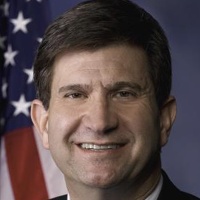
Marc Veasey
Representative
TX
Marc Veasey
Representative
TX
This House Resolution strongly condemns all forms of political violence and threats against elected officials and public figures, regardless of political affiliation. It affirms that disagreements must be resolved through peaceful and democratic means, not intimidation or force. The resolution urges law enforcement to prosecute those who commit or encourage such violence. Finally, it calls on all leaders to cease using dehumanizing rhetoric and promote civil discourse.
The PAAF Act grants automatic U.S. citizenship to certain internationally adopted individuals who meet specific residency and age requirements, clarifying and expanding existing pathways to citizenship.

Adam Smith
Representative
WA
Adam Smith
Representative
WA
The Protect Adoptees and American Families Act (PAAF Act) aims to ensure that certain internationally adopted individuals automatically become U.S. citizens. This bill clarifies the requirements for automatic citizenship, particularly for adoptees who were physically present in the U.S. before turning 18. It also provides a pathway to citizenship for eligible adoptees residing abroad upon their legal entry into the United States.
This bill ensures Medicare coverage for certain breakthrough medical devices during a four-year transitional period while accelerating the final coverage decision process.
Blake Moore
Representative
UT
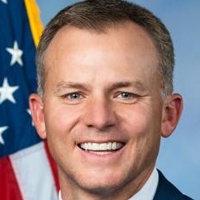
Blake Moore
Representative
UT
This Act, the Ensuring Patient Access to Critical Breakthrough Products Act, aims to speed up Medicare coverage for innovative, FDA-approved "breakthrough devices." It establishes a process for manufacturers to gain a four-year transitional coverage period for these devices, ensuring patients have timely access while long-term coverage decisions are finalized. The bill also allocates funding to CMS to manage these expedited reviews and allows for oversight of provider billing practices related to these new technologies.
This bill amends the Social Security Act to provide Medicare coverage for FDA-approved multi-cancer early detection screening tests starting in 2028.
Jodey Arrington
Representative
TX
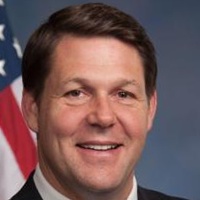
Jodey Arrington
Representative
TX
The Nancy Gardner Sewell Medicare Multi-Cancer Early Detection Screening Coverage Act amends the Social Security Act to provide Medicare Part B coverage for multi-cancer early detection screening tests starting January 1, 2028. This legislation establishes clear criteria for qualifying tests and outlines payment structures to ensure beneficiaries have access to these advanced diagnostic tools. Importantly, this coverage is designed to complement, rather than replace, existing Medicare-covered cancer screenings.
This Act mandates that new passenger motor vehicles sold in the U.S. must include standard equipment capable of receiving AM broadcast radio signals.

Gus Bilirakis
Representative
FL
Gus Bilirakis
Representative
FL
The AM Radio for Every Vehicle Act of 2025 mandates that the Secretary of Transportation establish a rule requiring AM broadcast radio receivers to be installed as standard equipment in new passenger motor vehicles. This requirement aims to ensure public access to AM radio signals, which are often used for emergency alerts. The bill also directs a GAO study on the effectiveness of AM radio within the national emergency alert system compared to other technologies. Finally, the Act preempts state and local laws on this matter and includes a sunset provision eight years after enactment.
This bill mandates dedicated, funded resources for specialized 988 Suicide Prevention Lifeline services for LGBTQ+ youth.
Raja Krishnamoorthi
Representative
IL
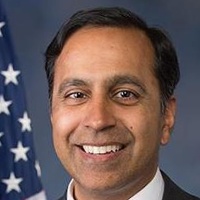
Raja Krishnamoorthi
Representative
IL
The **988 LGBTQ+ Youth Access Act of 2025** addresses the high rates of suicide risk among LGBTQ youth by strengthening specialized support through the national crisis hotline. This bill mandates that dedicated resources and services, such as a specific dialing option, must be maintained for LGBTQ individuals contacting 988. Furthermore, it requires that at least 9 percent of appropriated funds for the hotline be specifically reserved to ensure these specialized services for LGBTQ youth remain fully operational.
This Act ensures the automatic continuation of pay for active duty military personnel and essential civilian support staff if Congress fails to pass a budget for fiscal year 2026.
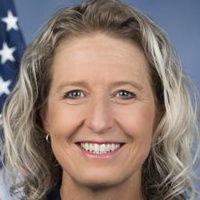
Jennifer Kiggans
Representative
VA
Jennifer Kiggans
Representative
VA
The Pay Our Troops Act of 2026 ensures that active duty military personnel and essential civilian support staff continue to receive their pay if Congress has not yet passed the full budget for fiscal year 2026. This act provides automatic continuing appropriations from the Treasury to prevent a lapse in military salaries due to budget delays. The funding automatically terminates once a new budget or continuing resolution is passed, or on January 1, 2027, whichever comes first.
This bill updates federal grants to fund training programs that help low-income individuals enter and advance in health care careers, with specific provisions for individuals with past records and maternal health workers.

Danny Davis
Representative
IL
Danny Davis
Representative
IL
This bill, the Pathways to Health Careers Act, updates and funds the Health Profession Opportunity Grants (HPOG) program to train low-income individuals for careers in the health professions. It establishes rigorous application requirements for grantees, mandating comprehensive support services like childcare and career coaching to ensure participant success. The legislation also sets aside specific funding for demonstration projects focused on helping individuals with past records and expanding maternal health workforce roles.
The FAMILY Act establishes a national paid family and medical leave insurance program administered by the Social Security Administration, providing benefits for caregiving related to serious health conditions or victims of violence.

Rosa DeLauro
Representative
CT
Rosa DeLauro
Representative
CT
The FAMILY Act establishes a national Paid Family and Medical Leave Insurance program administered by a new office within the Social Security Administration. This program provides monthly benefits to eligible individuals who take time off for qualified caregiving reasons, including serious health conditions or victims of violence. The Act also sets forth detailed eligibility requirements, benefit calculation formulas, and job protection guarantees for employees utilizing the leave. Finally, it creates a funding mechanism to support existing state-level paid leave programs that meet federal standards.
This bill establishes a program to identify and correct the grave markers of Jewish servicemembers mistakenly buried under Latin Crosses in overseas U.S. military cemeteries.
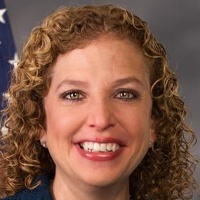
Debbie Wasserman Schultz
Representative
FL
Debbie Wasserman Schultz
Representative
FL
This act establishes the Fallen Servicemembers Religious Heritage Restoration Program to correct historical errors where Jewish service members killed in WWI and WWII were mistakenly buried under non-Jewish grave markers overseas. The American Battle Monuments Commission will contract with a nonprofit organization to identify these "covered members" and contact their survivors over a five-year period. The legislation also extends a deadline related to certain pension payments.
This Act mandates the President to review specific Azerbaijani officials for potential U.S. sanctions based on findings of human rights abuses, forced displacement, and mistreatment of detainees.

Dina Titus
Representative
NV
Dina Titus
Representative
NV
The Azerbaijan Sanctions Review Act of 2025 mandates the President to review specific Azerbaijani government and military officials for potential U.S. sanctions. This review is prompted by Congressional findings detailing severe human rights abuses, including the forced displacement from Nagorno-Karabakh and the alleged war crimes committed by Azerbaijani forces. The President must report to Congress within 180 days on whether these individuals meet the criteria for sanctions under existing human rights and anti-corruption laws. This action aims to address ongoing abuses and the detention of political figures and prisoners of war.
The George Floyd Justice in Policing Act of 2025 comprehensively reforms policing by increasing accountability, mandating transparency through data collection, restricting dangerous tactics, and prohibiting sexual misconduct by officials acting under color of law.
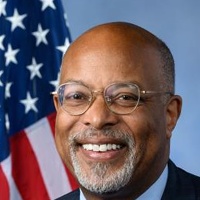
Glenn Ivey
Representative
MD
Glenn Ivey
Representative
MD
The George Floyd Justice in Policing Act of 2025 is a comprehensive bill designed to increase police accountability and transparency nationwide through federal mandates and funding incentives. It reforms standards for prosecuting civil rights violations, eliminates qualified immunity, and establishes national registries for police misconduct and use-of-force data. Furthermore, the Act bans specific dangerous police tactics like chokeholds and restricts the transfer of military equipment to local departments.
This bill posthumously awards a Congressional Gold Medal to honor the groundbreaking civil rights achievements of Constance Baker Motley and authorizes the production and sale of bronze duplicates.
Rosa DeLauro
Representative
CT
Rosa DeLauro
Representative
CT
This bill, the Congressional Tribute to Constance Baker Motley Act of 2025, posthumously awards the Congressional Gold Medal to the pioneering civil rights attorney and federal judge, Constance Baker Motley. The legislation recognizes her historic achievements, including her role in *Brown v. Board of Education* and her service as the first African-American woman appointed as a federal judge. The Secretary of the Treasury is authorized to strike the medal, and provisions are made for selling bronze duplicates to cover production costs.
This bill establishes a regulated process for pension plan fiduciaries to transfer eligible unclaimed retirement distributions to state unclaimed property programs, protecting them from liability if proper search and notification procedures are followed.
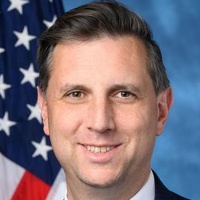
Seth Magaziner
Representative
RI
Seth Magaziner
Representative
RI
The Unclaimed Retirement Rescue Plan establishes a process for pension plan administrators to transfer forgotten retirement funds to state unclaimed property programs via a national clearinghouse. Before transferring distributions of $50 or more, plans must attempt to locate the owner using databases and send a warning notice if new contact information is found. This act protects plan fiduciaries from liability for following these new transfer rules and mandates confidential reporting of all transfers to the Department of Labor.
This resolution demands the President provide the House with documents detailing the Department of Government Efficiency's access to and planned use of a cloud copy of the Social Security Administration's NUMIDENT database.

John Larson
Representative
CT
John Larson
Representative
CT
This resolution is a formal request from the House of Representatives demanding the President provide specific documents regarding the Department of Government Efficiency's access to and use of sensitive Social Security Administration (SSA) data, particularly the NUMIDENT database. Congress seeks detailed information on the creation of a cloud copy of NUMIDENT, including its intended uses, security assessments, and who has been granted access. The inquiry specifically targets records concerning data usage for federal audits, benefit denials, AI training, and potential private sales.
This resolution recognizes suicide as a serious public health crisis and expresses support for designating September as National Suicide Prevention Month and September 10, 2025, as World Suicide Prevention Day.

Shri Thanedar
Representative
MI
Shri Thanedar
Representative
MI
This resolution officially recognizes suicide as a serious public health crisis in the United States, highlighting the urgent need for prevention efforts across all demographics. It expresses strong support for designating September as "National Suicide Prevention Month" and September 10th as "World Suicide Prevention Day" to raise awareness. The measure calls for prioritizing comprehensive, tailored strategies to improve access to mental health and suicide prevention services nationwide.
The RESULTS Act reforms how Medicare determines payment rates for clinical diagnostic laboratory tests by mandating the use of comprehensive, real-world private payor claims data collected from an independent entity.
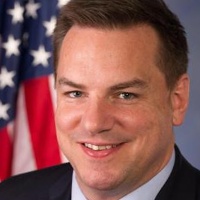
Richard Hudson
Representative
NC
Richard Hudson
Representative
NC
The Reforming and Enhancing Sustainable Updates to Laboratory Testing Services Act of 2025 (RESULTS Act) aims to improve Medicare payment rates for clinical lab tests by mandating the collection of more accurate, real-world payment data directly from large, independent private insurance claims databases. This legislation updates definitions, collection timelines, and calculation methods to ensure Medicare payments for widely available tests reflect current market rates. It also establishes default payment rules if sufficient private payor data cannot be secured.
This Act establishes sanctions against Pakistani officials undermining democracy and human rights, while urging the U.S. government to promote democratic institutions in Pakistan until September 30, 2030.
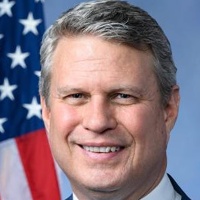
Bill Huizenga
Representative
MI
Bill Huizenga
Representative
MI
The Pakistan Freedom and Accountability Act expresses strong U.S. support for democracy and human rights in Pakistan, citing concerns over military influence and recent election interference. This legislation directs the President to identify and impose sanctions on Pakistani officials responsible for undermining democratic processes or committing serious human rights abuses. The Act emphasizes the need for civilian control over the military and sets an expiration date for its provisions in September 2030.
The REAL Health Providers Act mandates that Medicare Advantage plans maintain and regularly verify accurate, detailed provider directories, protecting patients from incorrect network listings with cost-sharing safeguards.
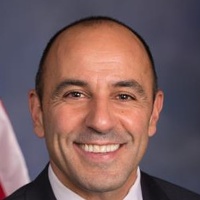
Jimmy Panetta
Representative
CA
Jimmy Panetta
Representative
CA
The REAL Health Providers Act mandates that Medicare Advantage plans maintain accurate and up-to-date public directories of their network providers starting in 2028. This legislation requires regular verification of provider information and establishes cost-sharing protections for patients who see listed providers who are ultimately out-of-network. Furthermore, plans must annually report their directory accuracy scores to the Secretary, which will eventually be made public.
This Act limits the sharing of consumer reports requested in connection with a residential mortgage loan to prevent unauthorized access to homebuyers' sensitive financial information.
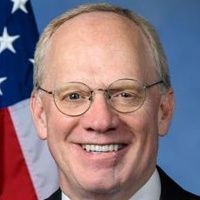
John Rose
Representative
TN
John Rose
Representative
TN
The Homebuyers Privacy Protection Act limits how consumer reporting agencies can share a consumer's report when it is requested in connection with a residential mortgage loan. Reports can only be shared with entities directly involved in the consumer's current mortgage or those providing a firm offer of credit or insurance. The Act also mandates a study by the GAO regarding the use and impact of "trigger leads" derived from credit checks.